Cast Iron Skillet
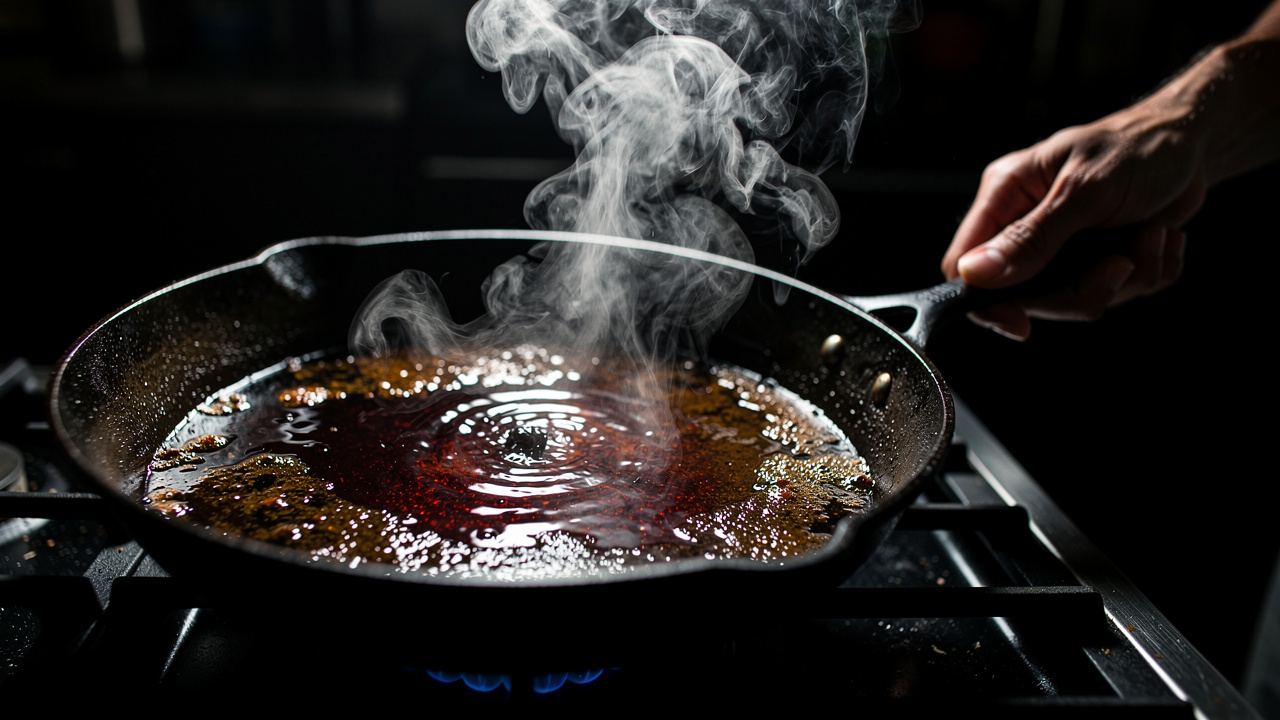
A heavy, durable pan made from molten iron that excels at heat retention and develops a natural non-stick surface over time.
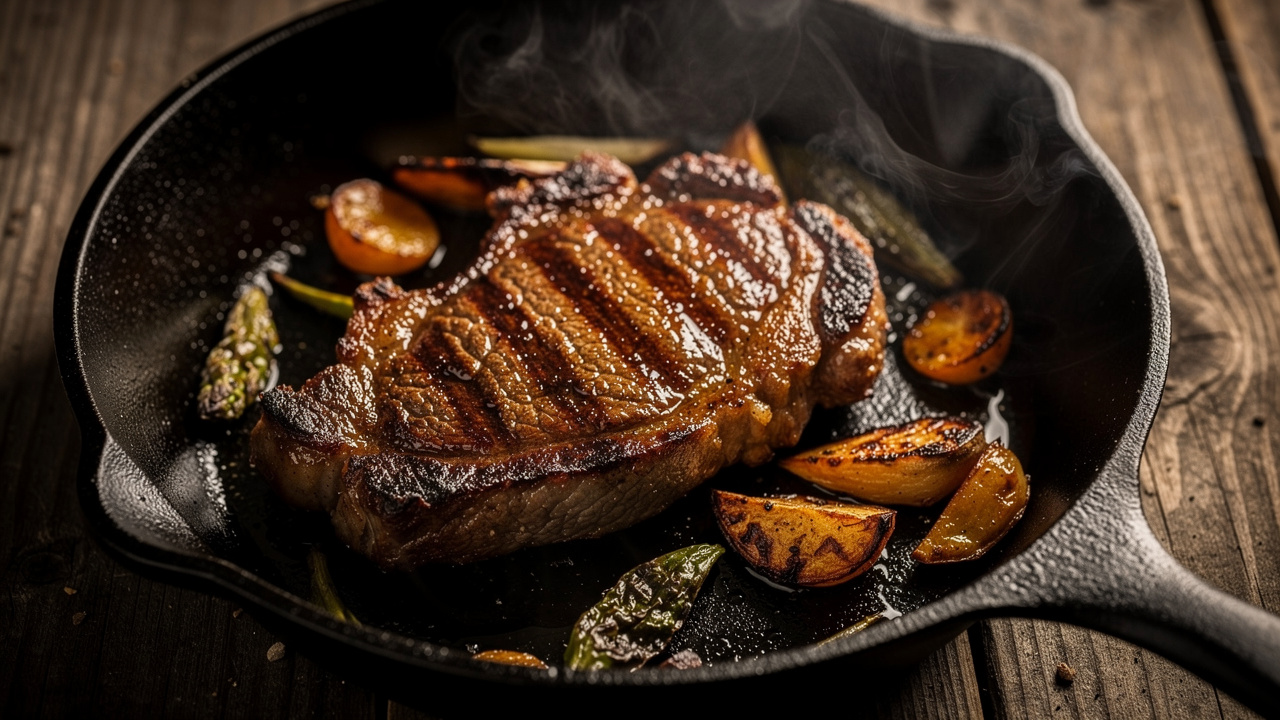
Cast iron skillets have been kitchen workhorses for centuries. Their exceptional heat retention and even cooking make them ideal for searing, frying, baking, and even moving from stovetop to oven.
Why cooks love cast iron
- Superior heat retention — stays hot even when cold food is added
- Even heat distribution — eliminates hot spots once preheated
- Naturally non-stick — with proper seasoning
- Incredibly durable — lasts generations
- Versatile — stovetop, oven, grill, campfire
- Adds iron to food — small but measurable amounts
Seasoning explained
Seasoning is the polymerized oil layer that protects cast iron and creates a non-stick surface.
How to season
- Wash and dry the pan completely
- Apply a thin layer of high smoke-point oil (flaxseed, vegetable, or Crisco)
- Wipe off excess — it should look almost dry
- Bake upside down at 450°F / 230°C for 1 hour
- Let cool in the oven
- Repeat 3-4 times for new pans
Maintaining seasoning
- Clean while warm with hot water and a brush
- Avoid soap (occasional mild soap is okay)
- Dry immediately and thoroughly
- Apply a light oil coat after each use
- Cook fatty foods often — they reinforce seasoning
Best uses for cast iron
| Great for | Not ideal for |
|---|---|
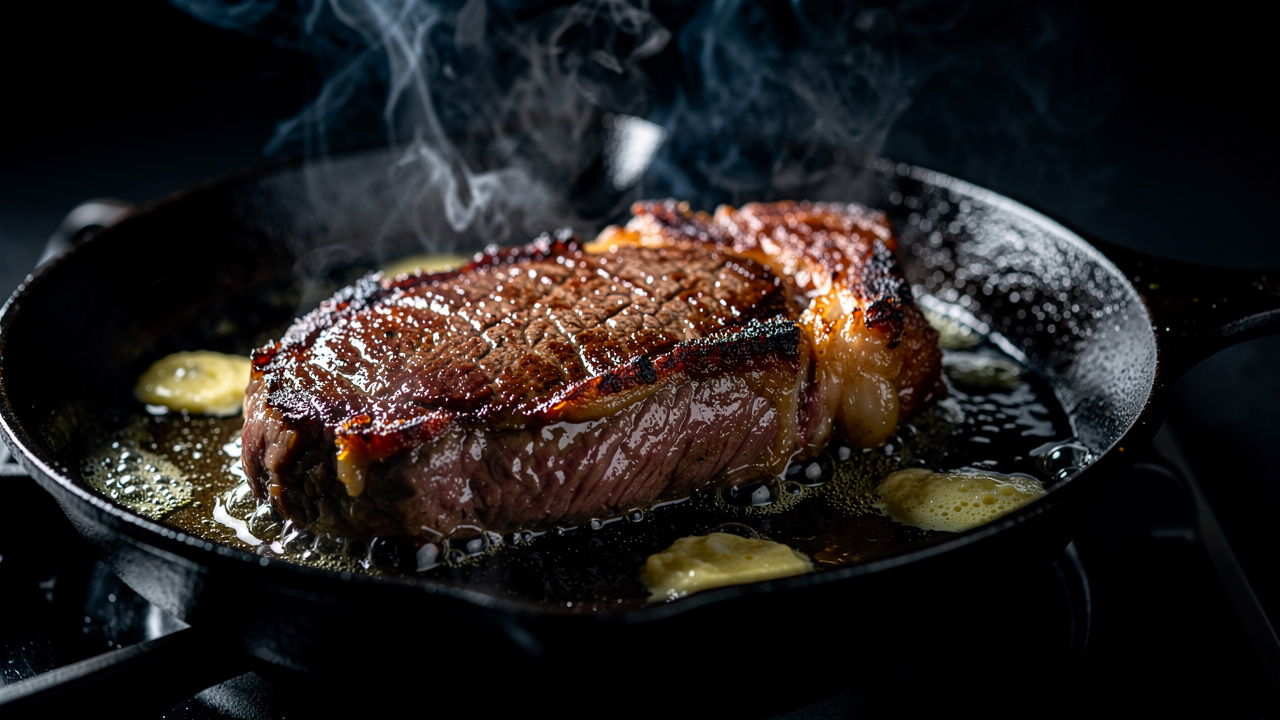
| Searing steaks | Acidic sauces (tomato, wine) |
| Pan-frying | Delicate fish |
| Cornbread & Dutch babies | Quick sautés |
| Deep frying | Simmering liquids long-term |
| Pizza | Foods you want to stir frequently |
Common myths debunked
- "Never use soap" — mild soap occasionally won't hurt seasoning
- "Don't cook acidic foods" — brief contact is fine; avoid long simmers
- "Heat it slowly" — cast iron is actually slow to heat but can handle high heat once hot
Related Fond featureCook mode