Cooking Glossary
Essential cooking terms, techniques, and concepts — explained clearly for home cooks.
Featured Terms
 Techniques
Mise en Place
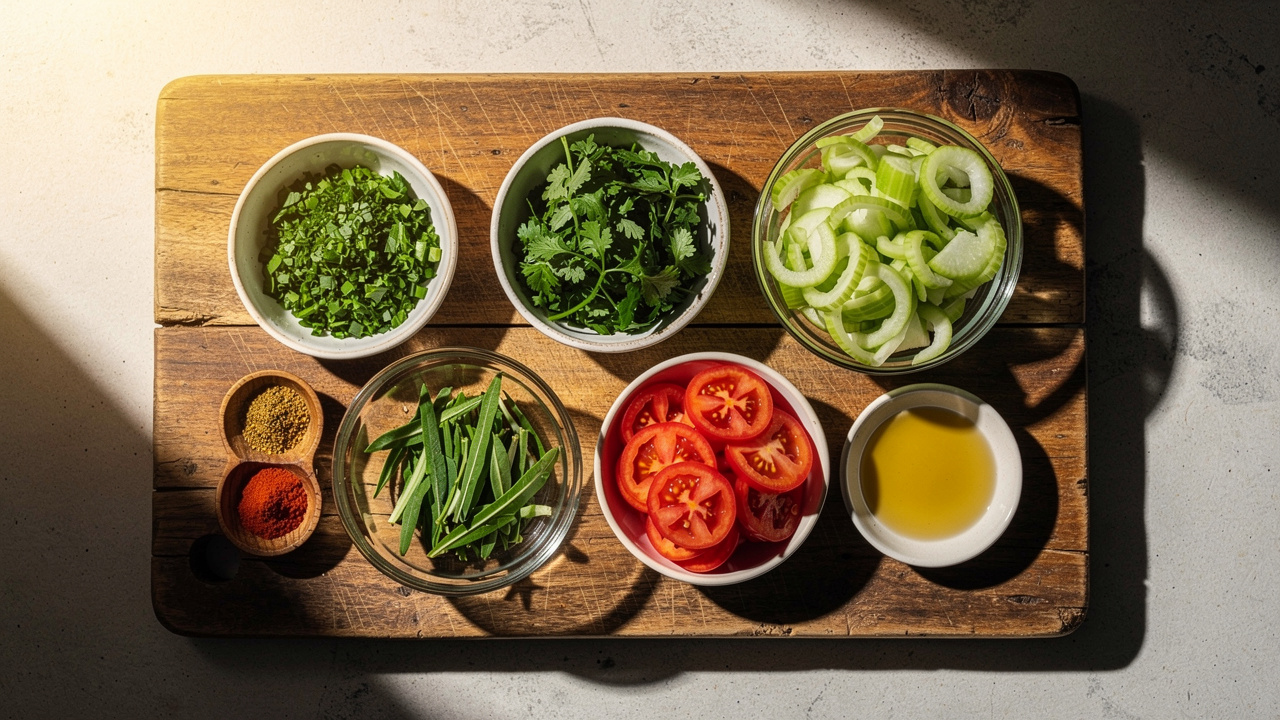
Mise en place is the French culinary term for "everything in its place": preparing and organizing every ingredient and tool before cooking begins, so the cook can focus on heat and timing instead of hunting for things.
 Concepts
Maillard Reaction
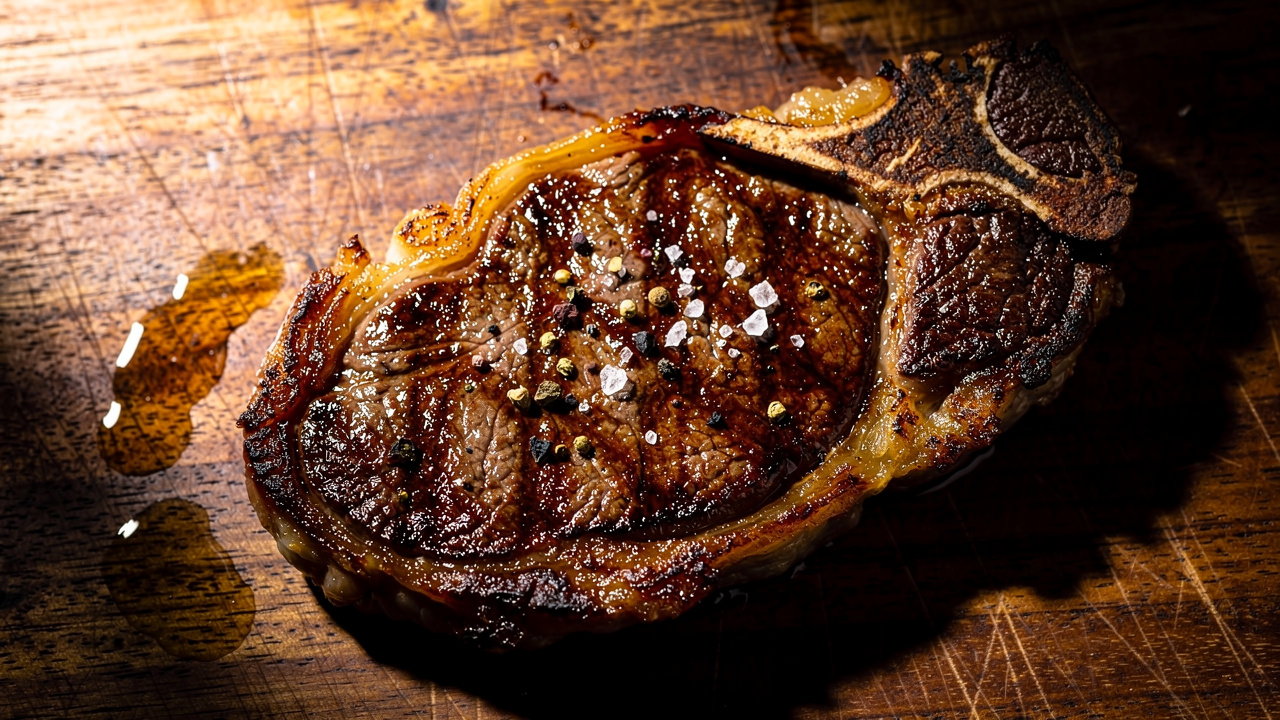
The Maillard reaction is the browning that happens when amino acids meet reducing sugars under heat. It builds the crust on a seared steak and the smell of roasting coffee.
 Techniques
Braising
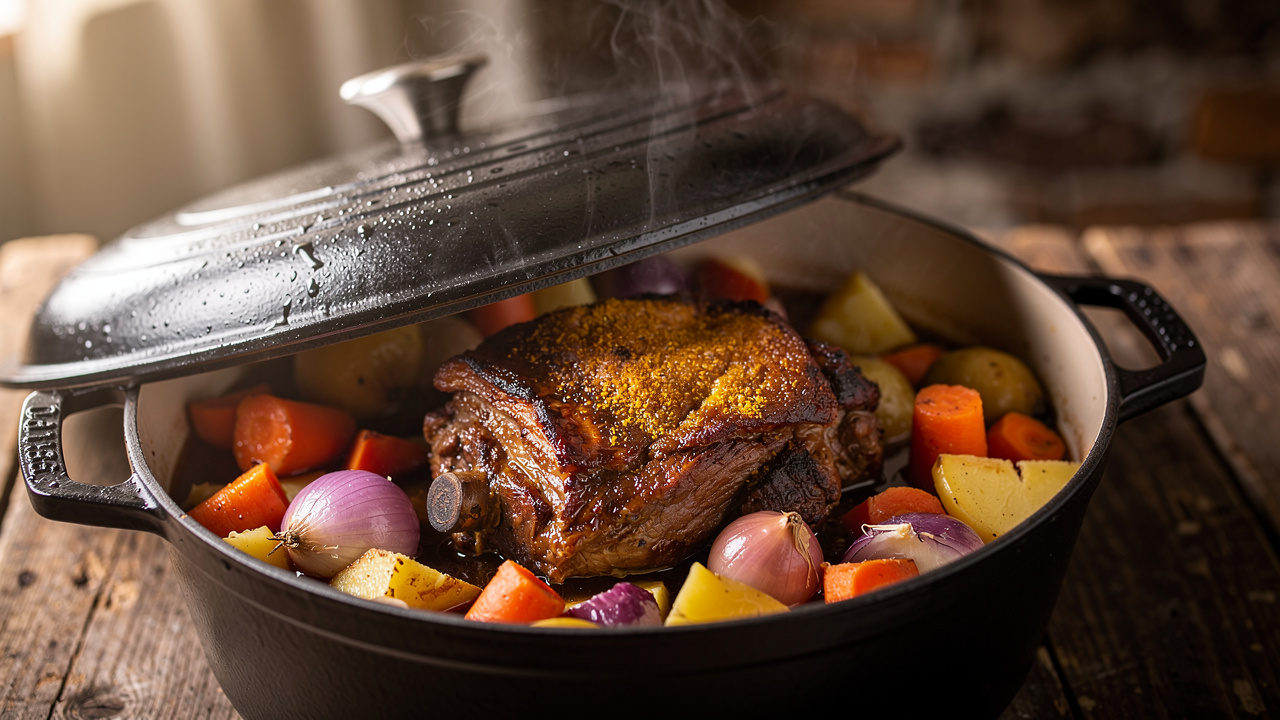
Braising is a two-step cooking method: brown food at high heat, then simmer it covered in liquid that comes a third to two-thirds of the way up, until it is fork-tender.
 Concepts
Fermentation
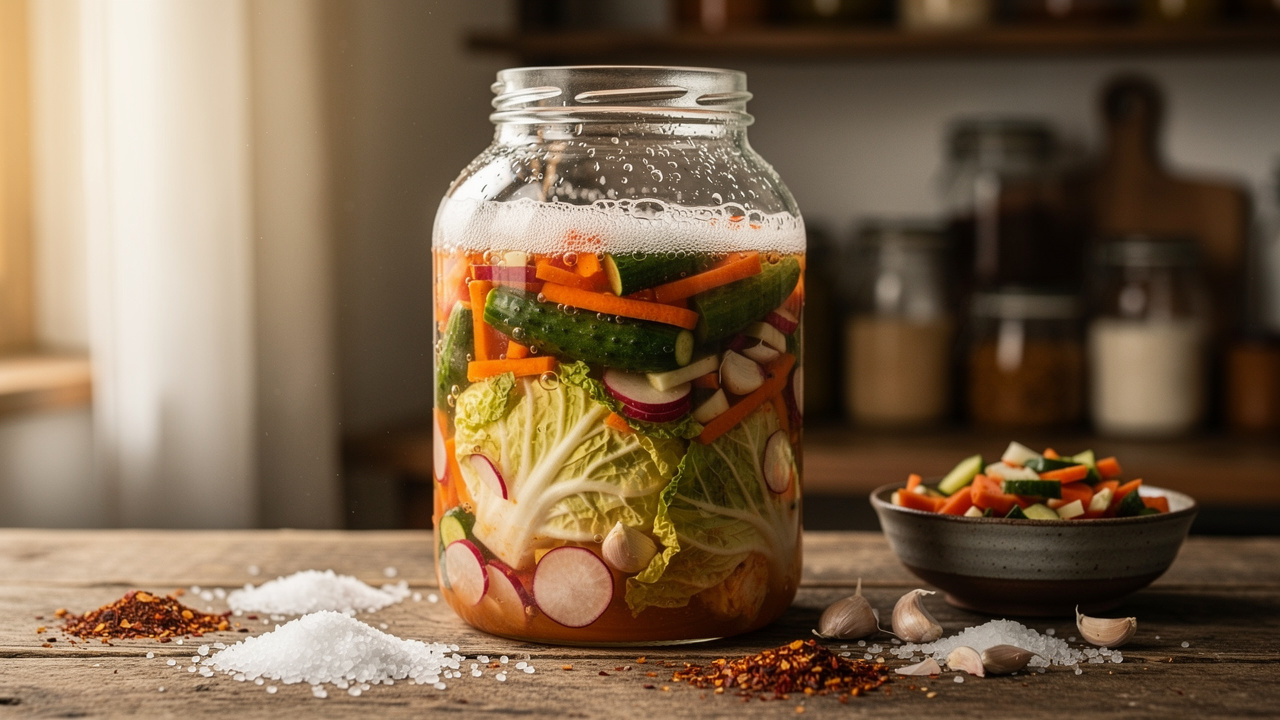
Fermentation is the metabolic process where bacteria, yeast, or molds convert sugars into acids, alcohol, or gases. It is the basis of bread, yogurt, kimchi, beer, and hundreds of other foods.
 Ingredients
Sourdough Starter
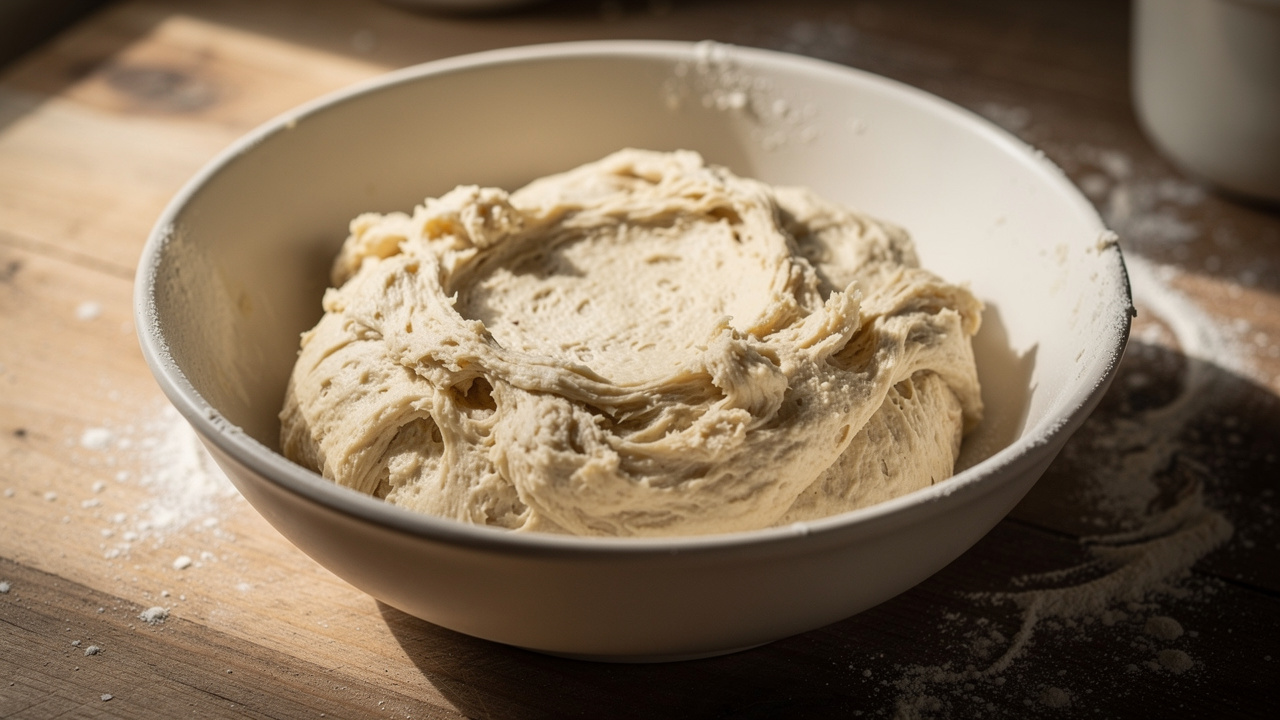
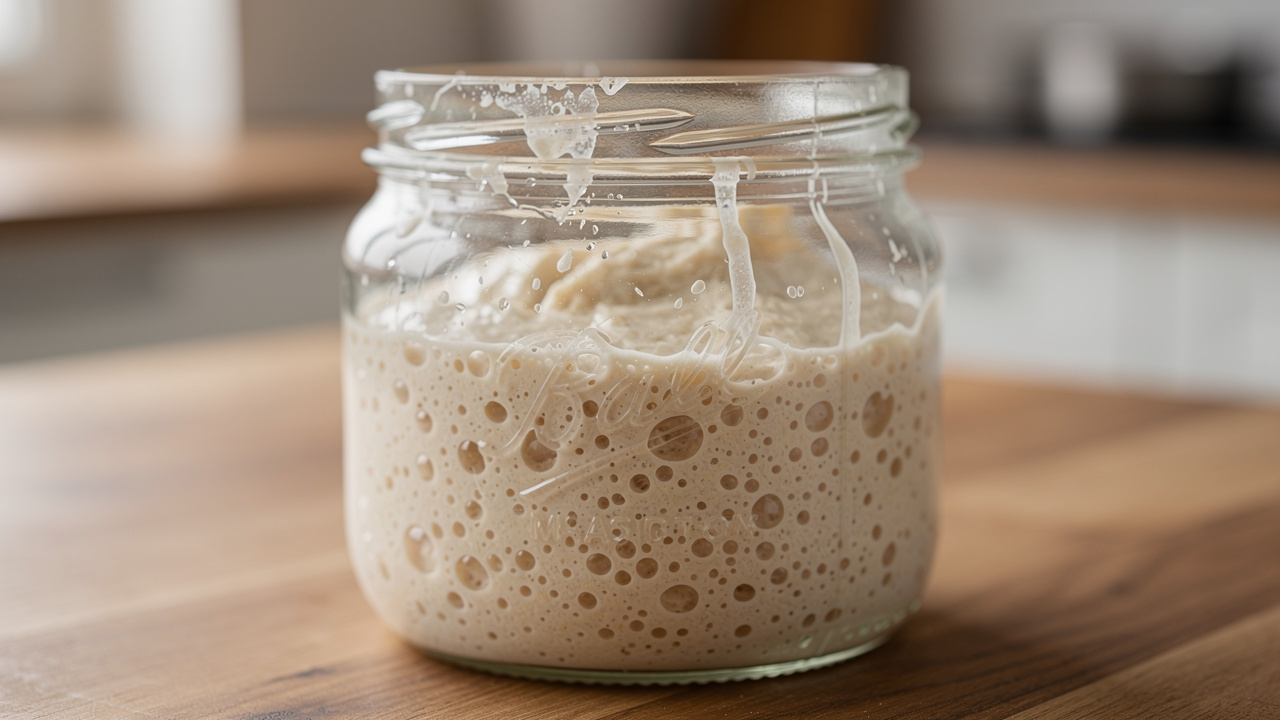
A sourdough starter is a living culture of wild yeast and lactic acid bacteria, kept alive with regular feedings of flour and water, that leavens bread without commercial yeast.
 Tools
ToolsDutch Oven
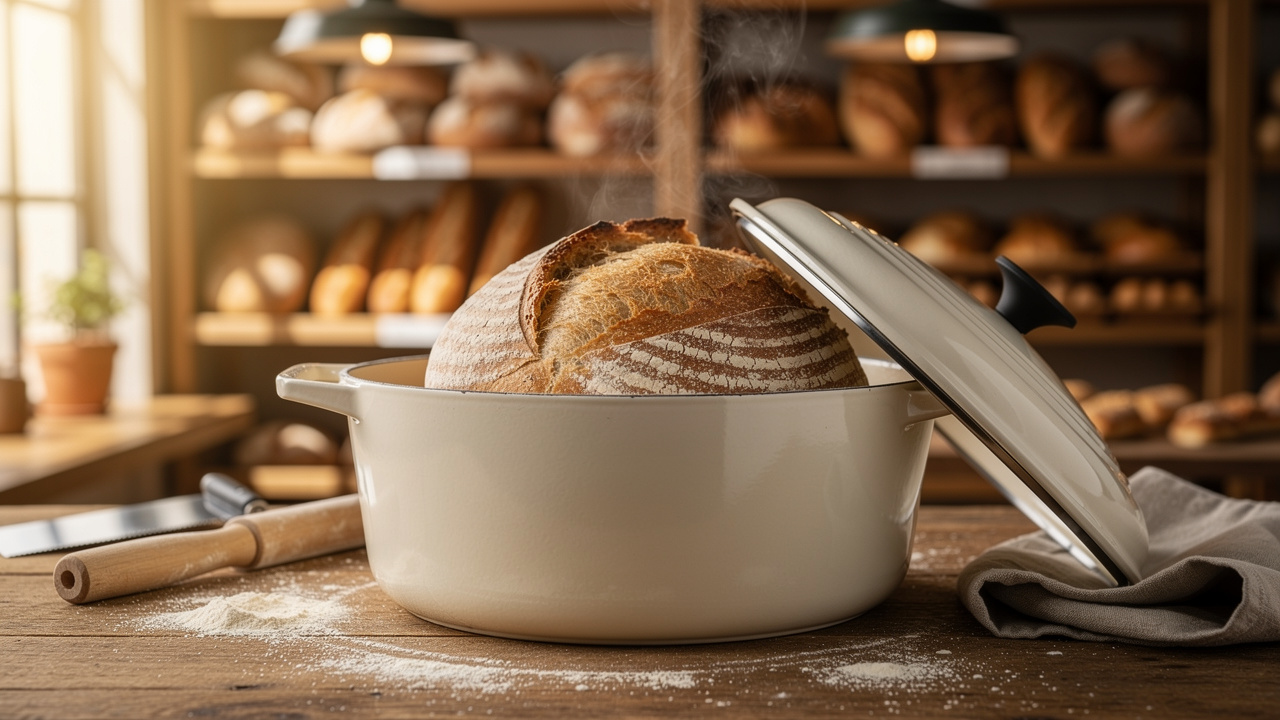
A Dutch oven is a heavy, thick-walled pot with a tight-fitting lid, usually cast iron, used for braising, baking bread, soups and stews, and deep frying, on the stovetop or in the oven.
All Terms
Techniques
Al Forno
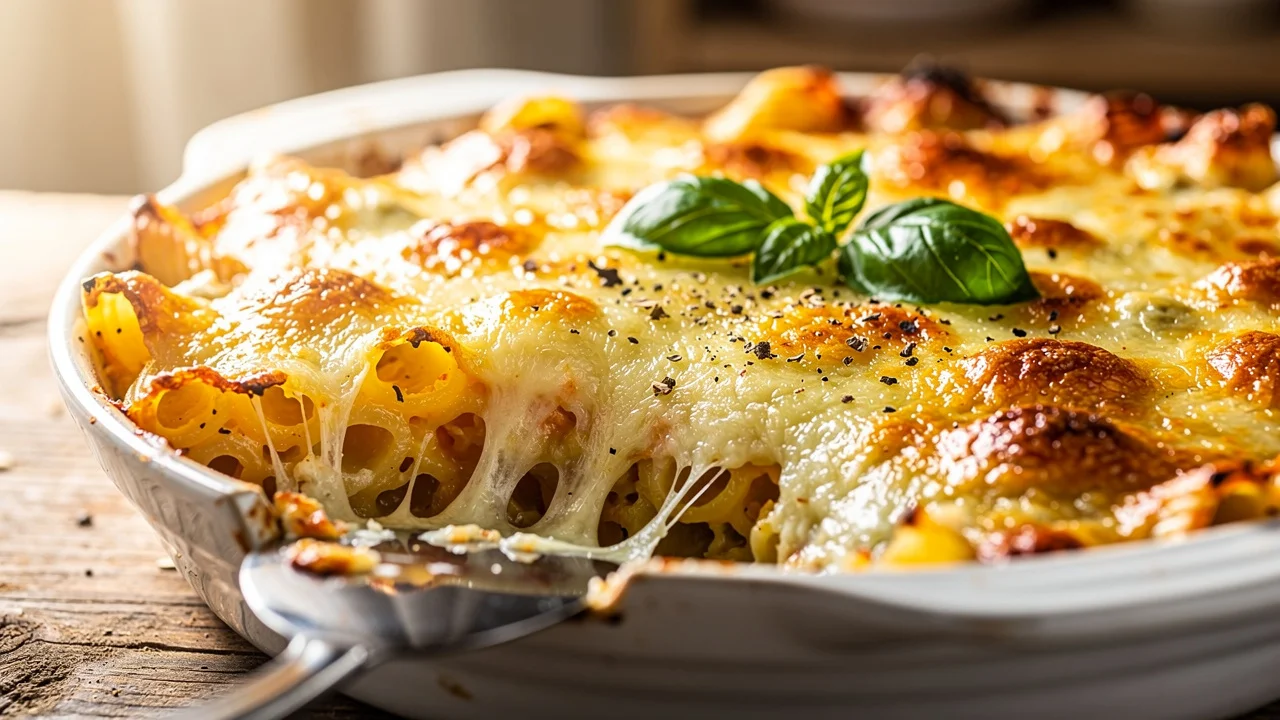
Al forno is an Italian cooking term meaning "in the oven": food baked or roasted, usually at 180-220°C (350-425°F), until the top is golden and bubbling, as in pasta al forno, lasagne al forno, and melanzane al forno.
Autolyse
Autolyse is an optional bread-making rest in which flour and water are mixed before salt and leavening, helping the flour hydrate and making the dough easier to mix and shape.
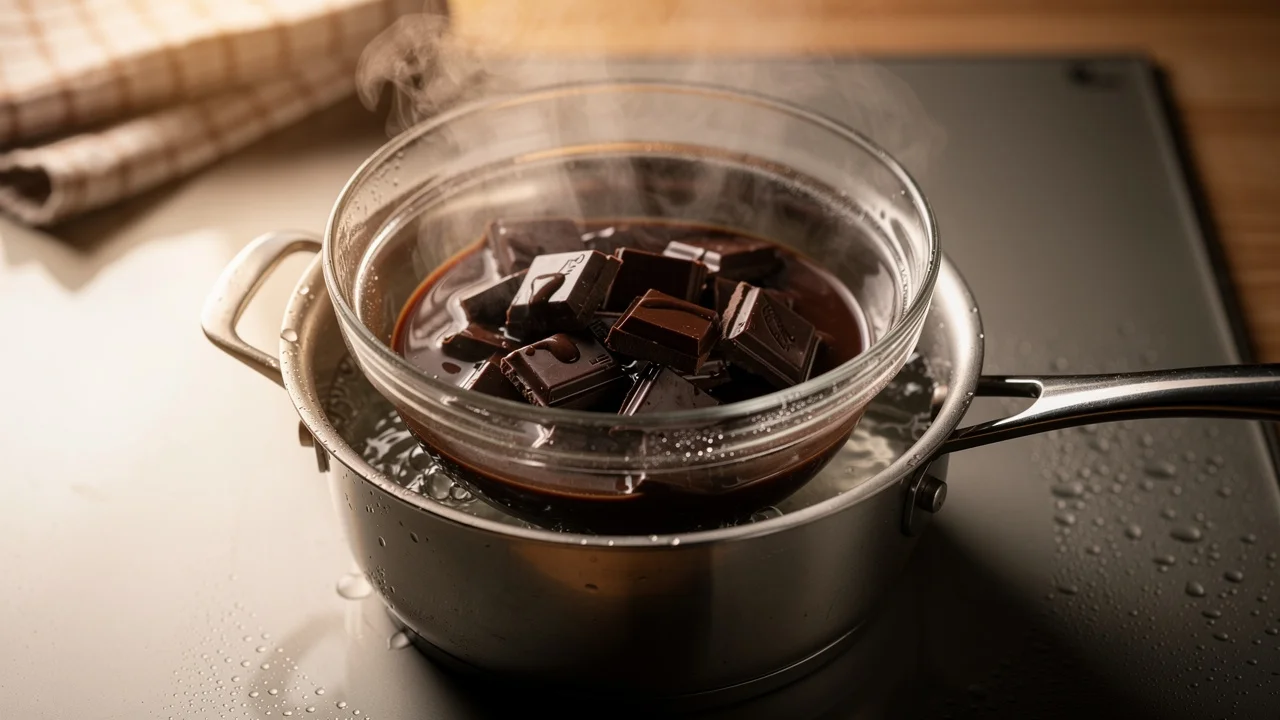
Bain-Marie
A bain-marie is a cooking technique that uses a water bath (max 100°C) to apply gentle, indirect heat to food, essential for custards, cheesecakes, melting chocolate, and emulsion sauces like hollandaise.
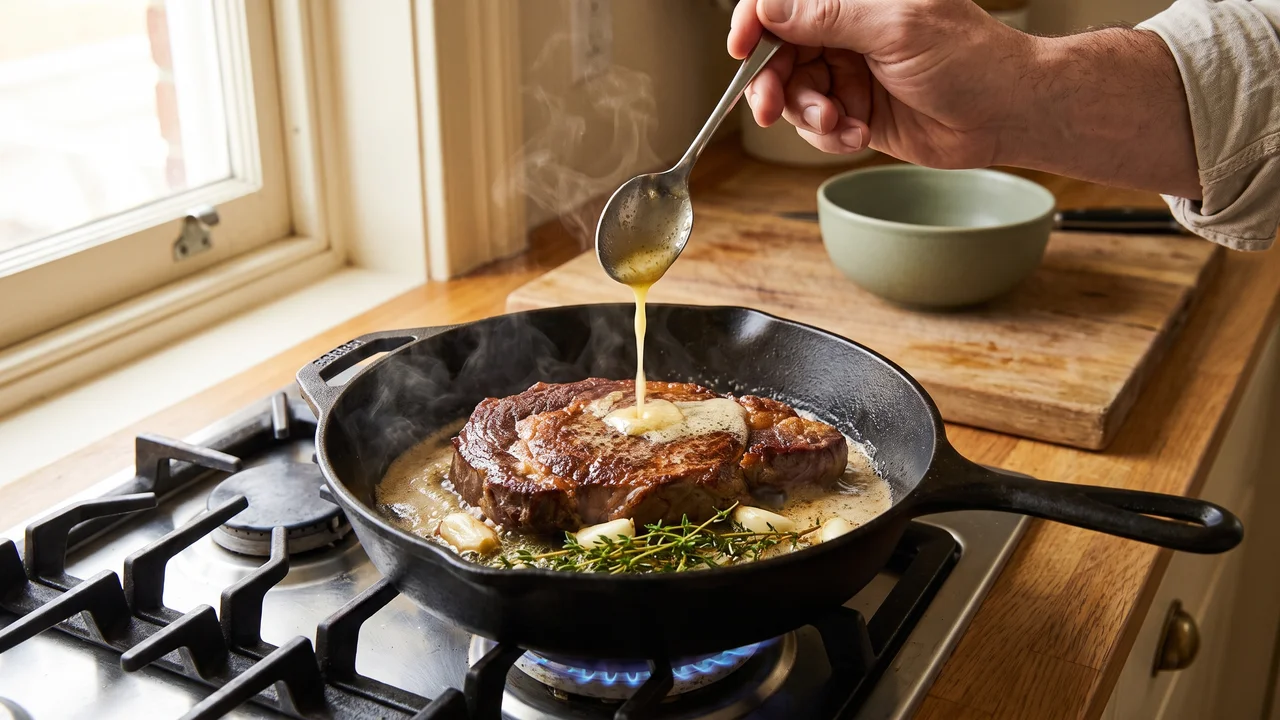
Basting
Basting is spooning or brushing hot fat, pan juices, or sauce over food as it cooks, to flavor the surface and help it brown. Butter-basting a steak takes 1-2 minutes; roast basting is mostly optional.
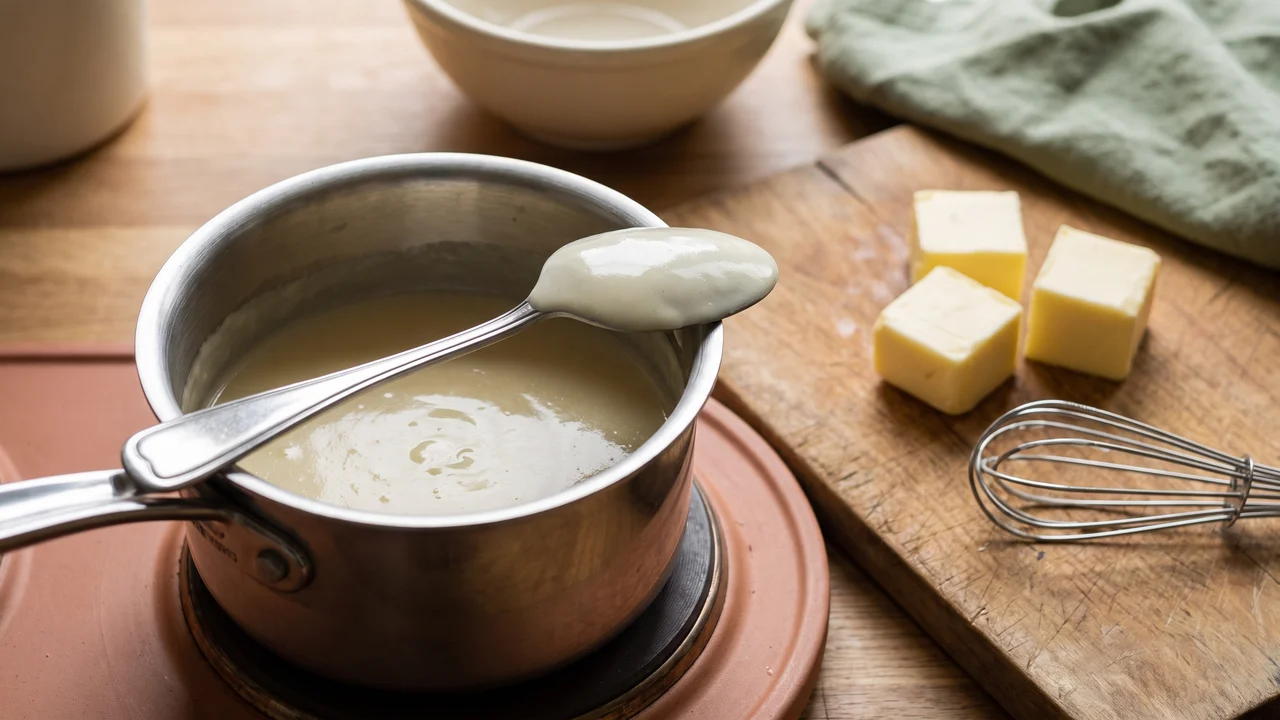
Beurre blanc
Beurre blanc is a warm French butter emulsion: a reduction of shallot, white wine and vinegar with about 225 g of cold butter whisked in. It tastes of butter sharpened by acid, holds between 50 and 60°C, breaks above about 70°C, and is not a mother sauce.
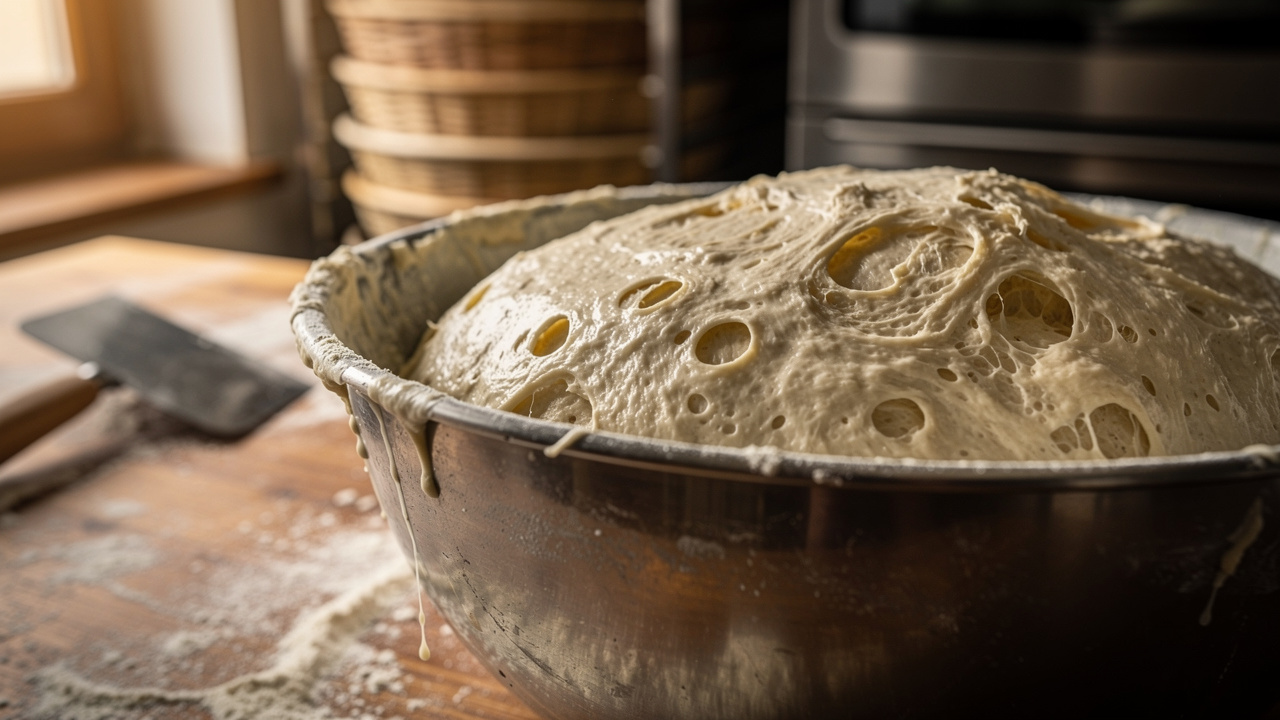
Biga
A stiff Italian pre-ferment with 50-60% hydration, used to add structure, flavor complexity, and a nuttier taste to bread and pizza doughs.
Blanch and shock
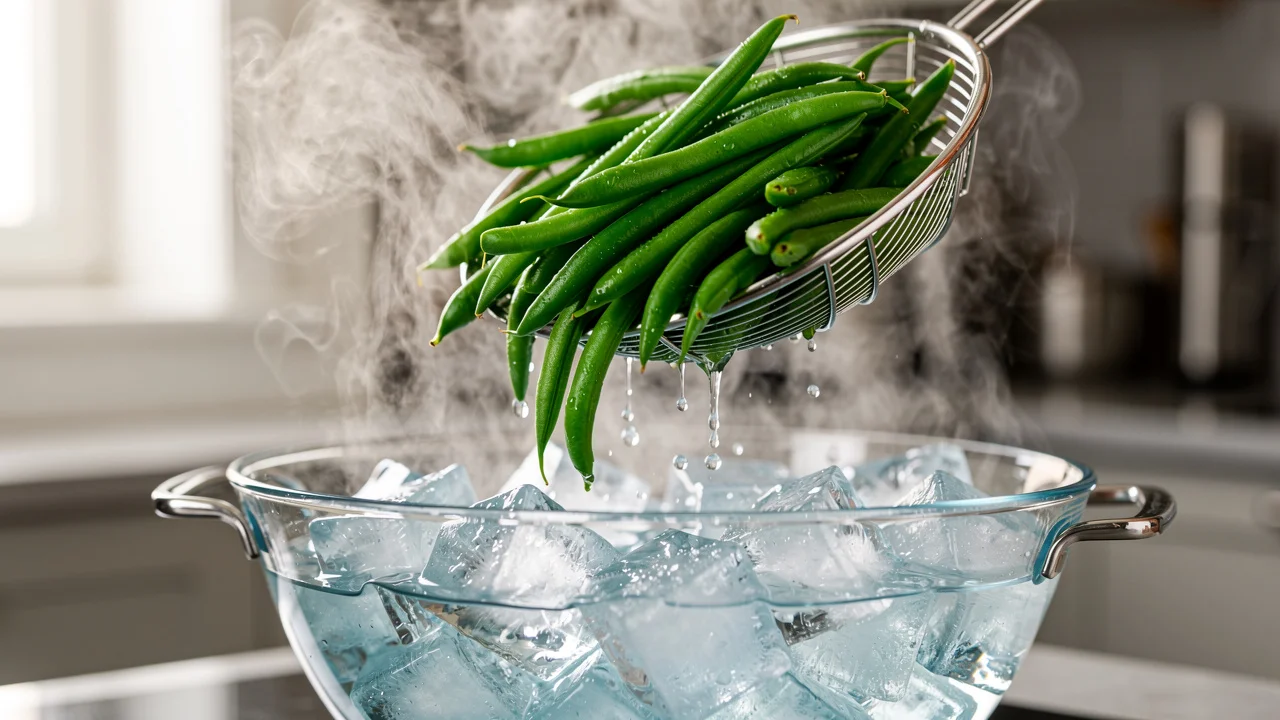
Blanch and shock is a two-step technique: briefly cook vegetables in boiling salted water, then plunge them into ice water to stop the cooking. Green beans take 2-3 minutes; the ice bath keeps them bright and crisp for meal prep, freezing, or finishing later.
Blanching
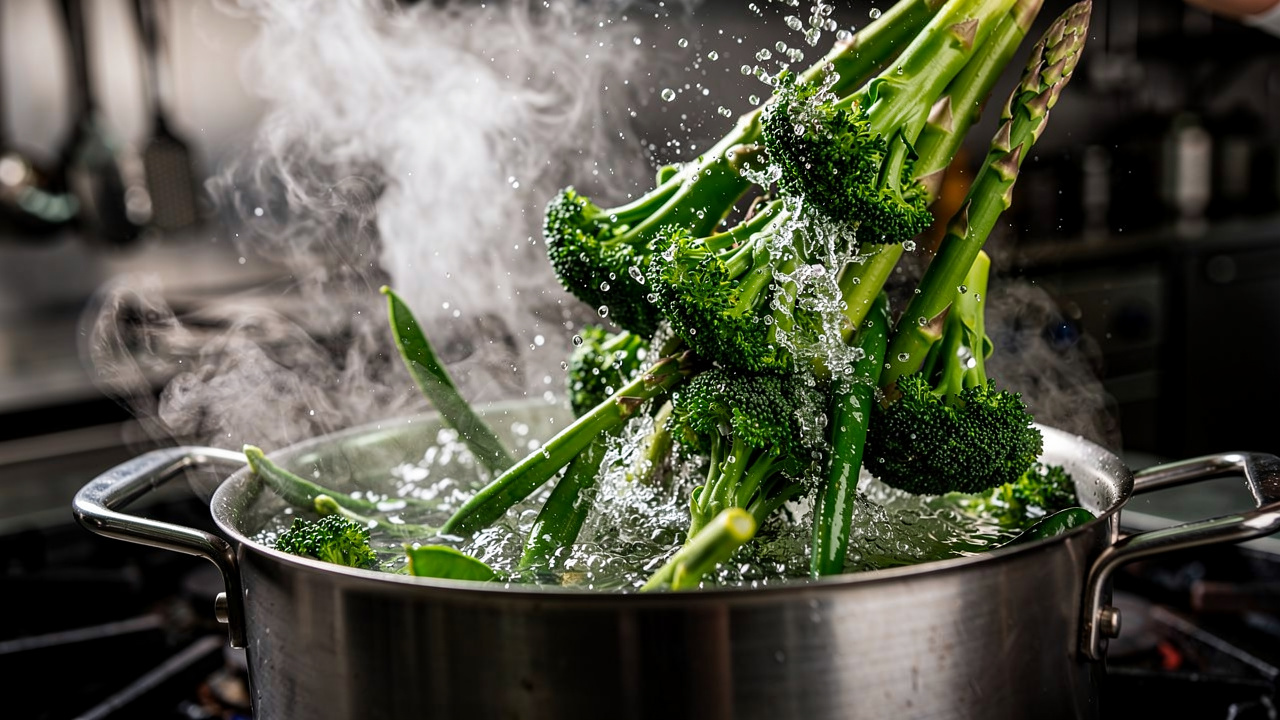
Blanching vegetables is a brief boil (30 seconds to 5 minutes) followed by an ice-water shock — used to set color, deactivate enzymes, and prep produce for freezing.
Boiling
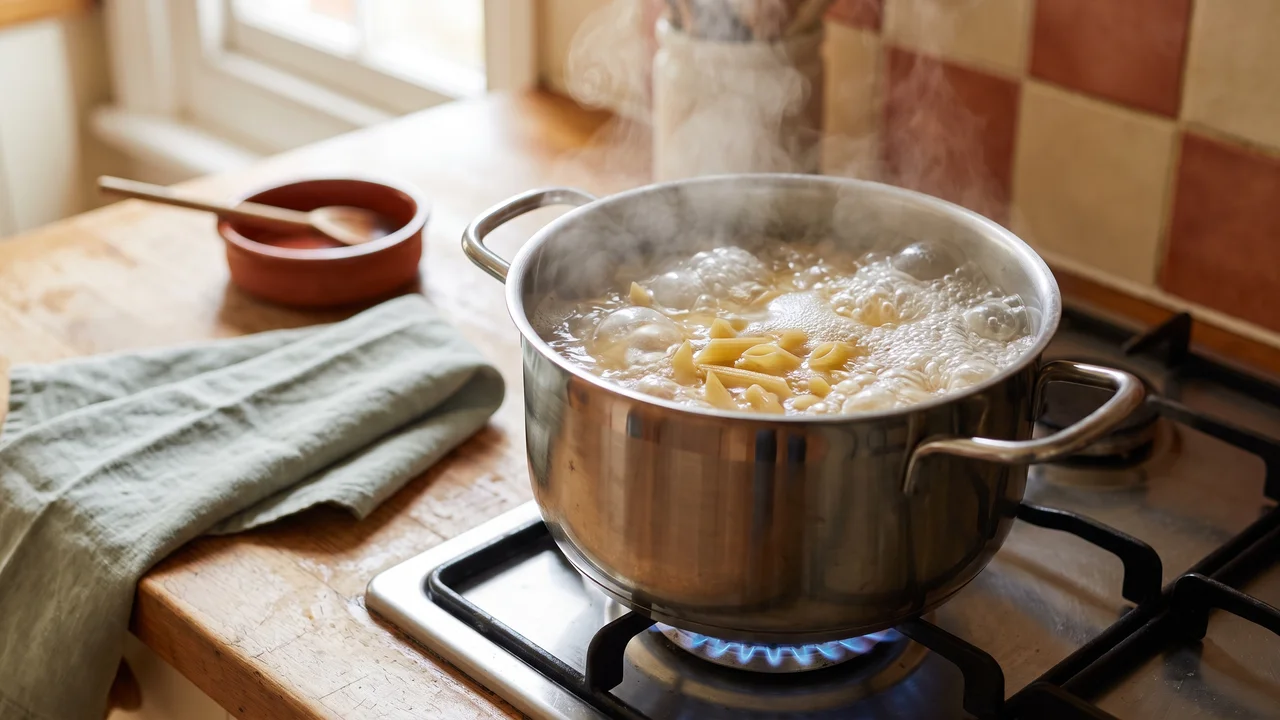
Boiling is a moist-heat cooking method that cooks food in liquid at its boiling point, identified by bubbles rising rapidly and breaking across the surface.
Braising
Braising is a two-step cooking method: brown food at high heat, then simmer it covered in liquid that comes a third to two-thirds of the way up, until it is fork-tender.
Brining
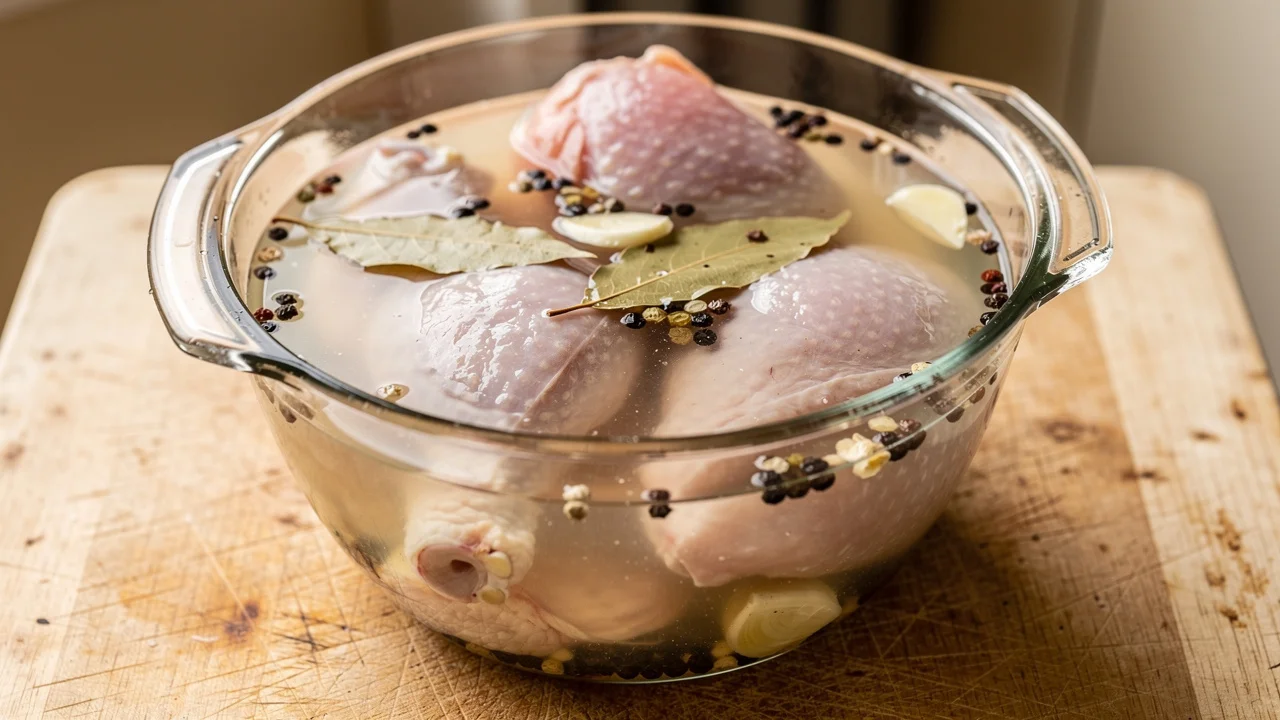
Brining is the technique of soaking food in a saltwater solution (typically 5-8% salt) to season it deeply, improve moisture retention during cooking, and produce juicier results — especially effective for lean proteins like chicken breast and turkey.
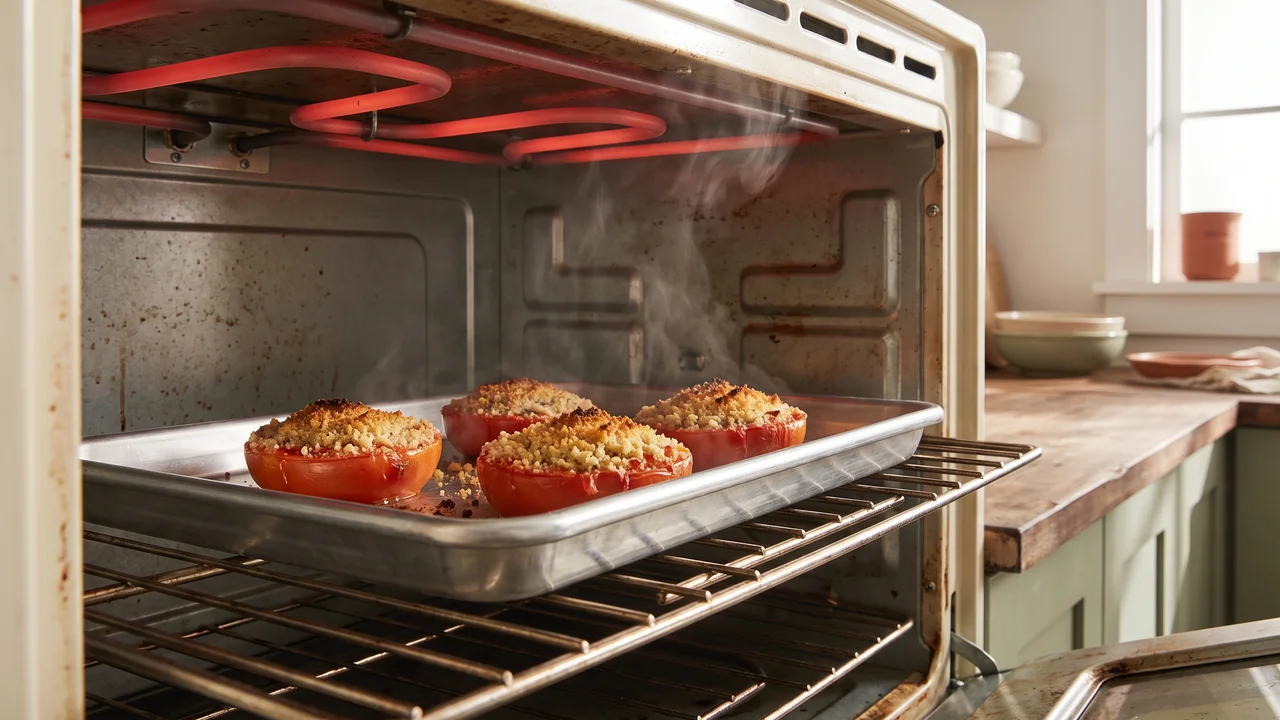
Broiling
Broiling cooks food with intense direct heat from an oven broiler, usually from above, to brown or crisp the exposed surface quickly.
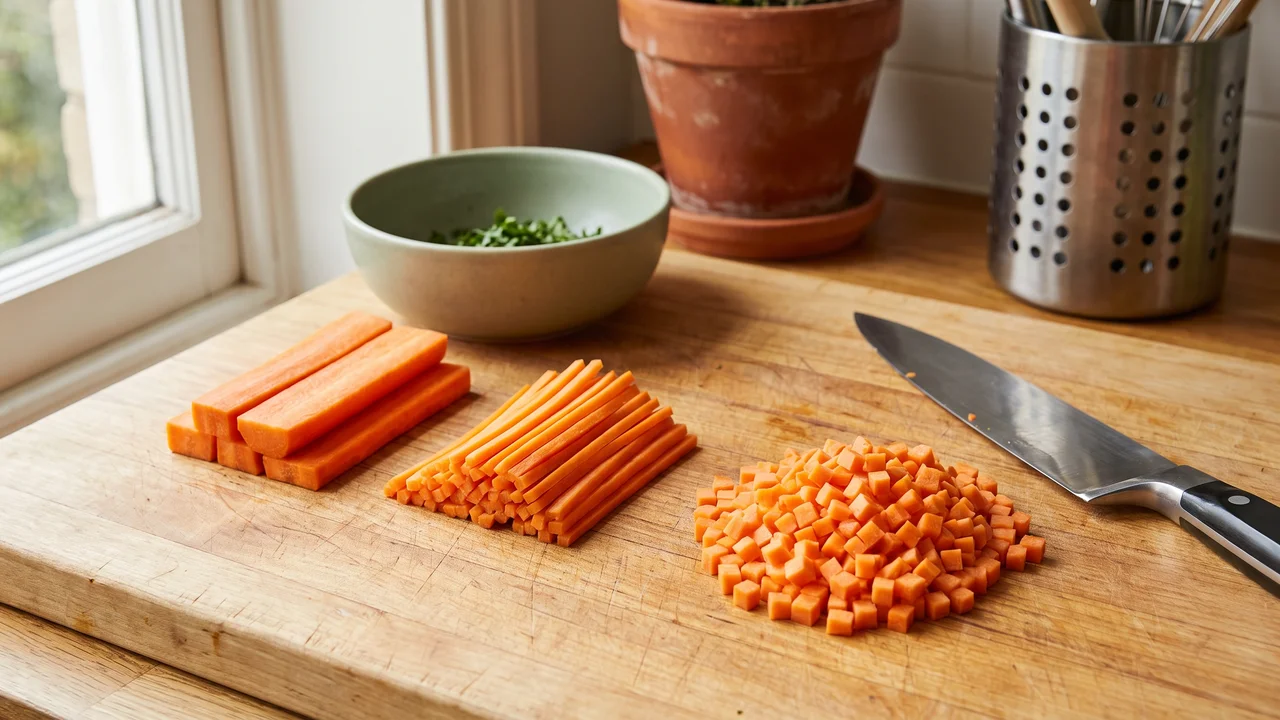
Brunoise
Brunoise is a knife cut producing tiny, even 3 mm cubes, made by first cutting food into julienne matchsticks and then crosswise into dice. It's the finest classic dice in French cooking.
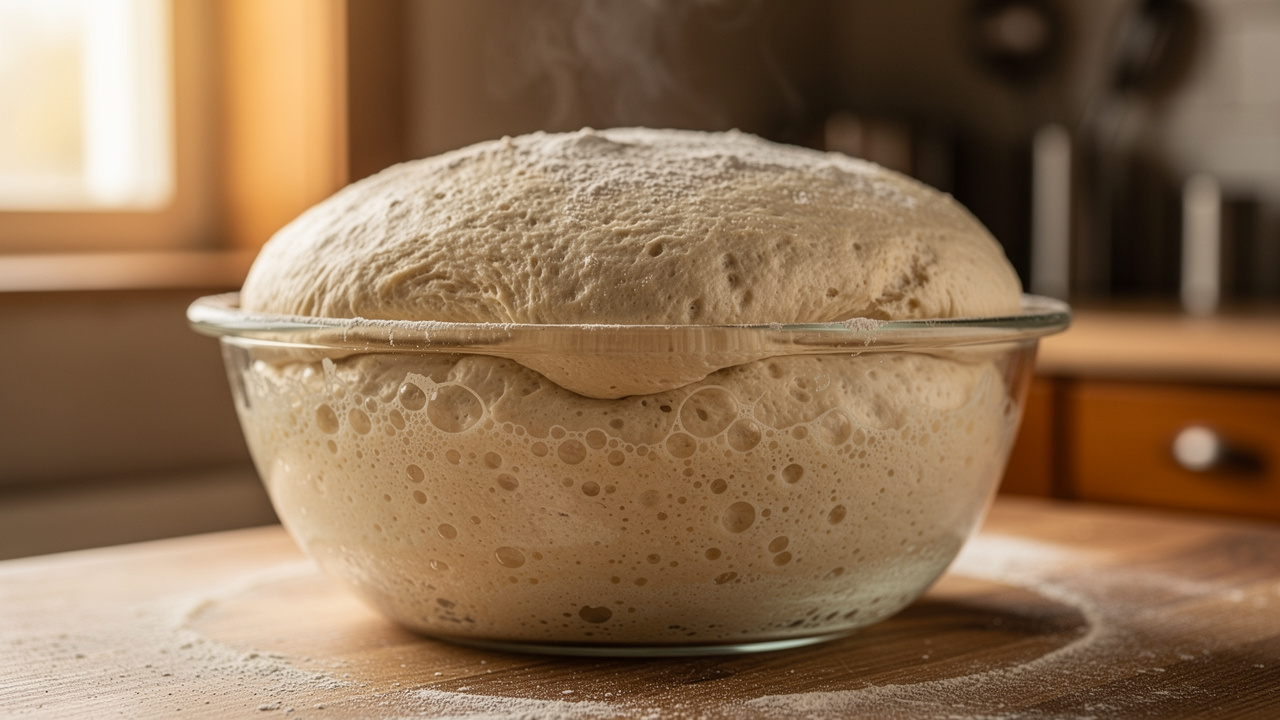
Bulk Fermentation
Bulk fermentation is the first rise of bread dough after mixing: the whole batch ferments as one mass, typically at 24-26°C for 1-4 hours with commercial yeast or 4-10 hours with sourdough, before dividing and shaping.
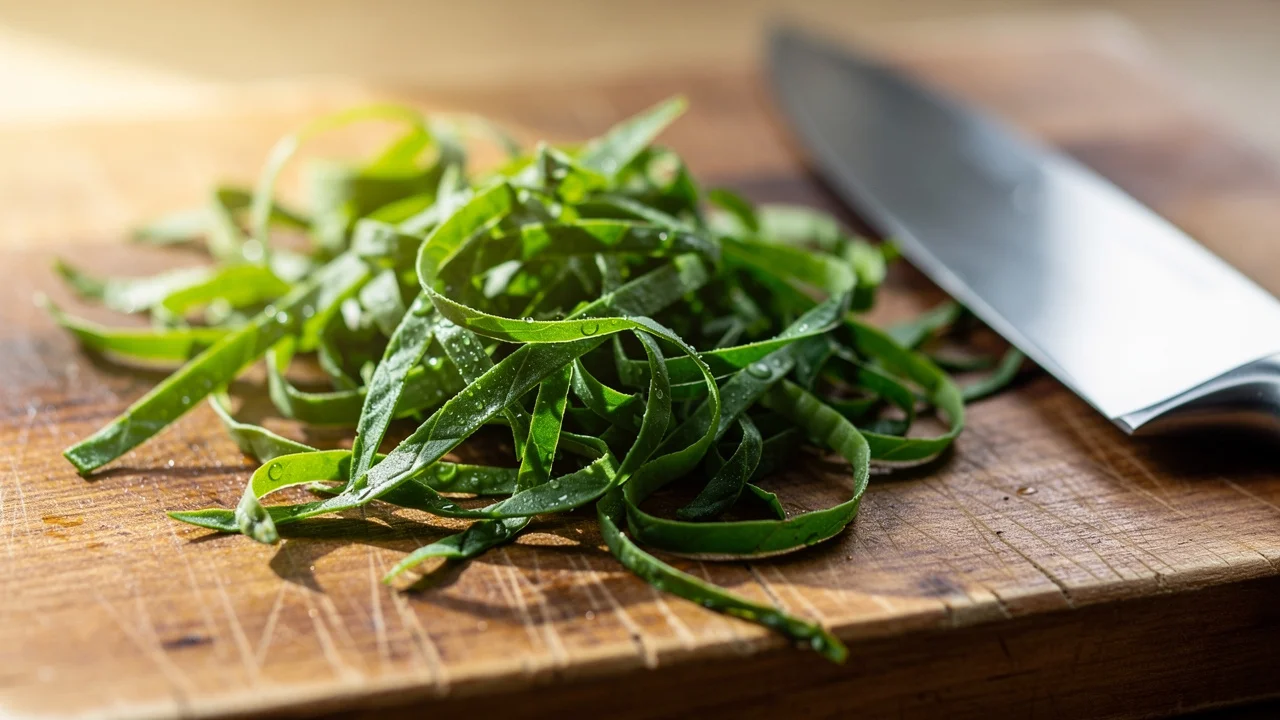
Chiffonade
Chiffonade is a French knife cut that turns herbs and leafy greens into thin, uniform ribbons, usually 1-3 mm wide, by stacking the leaves, rolling them tightly, and slicing across the roll.
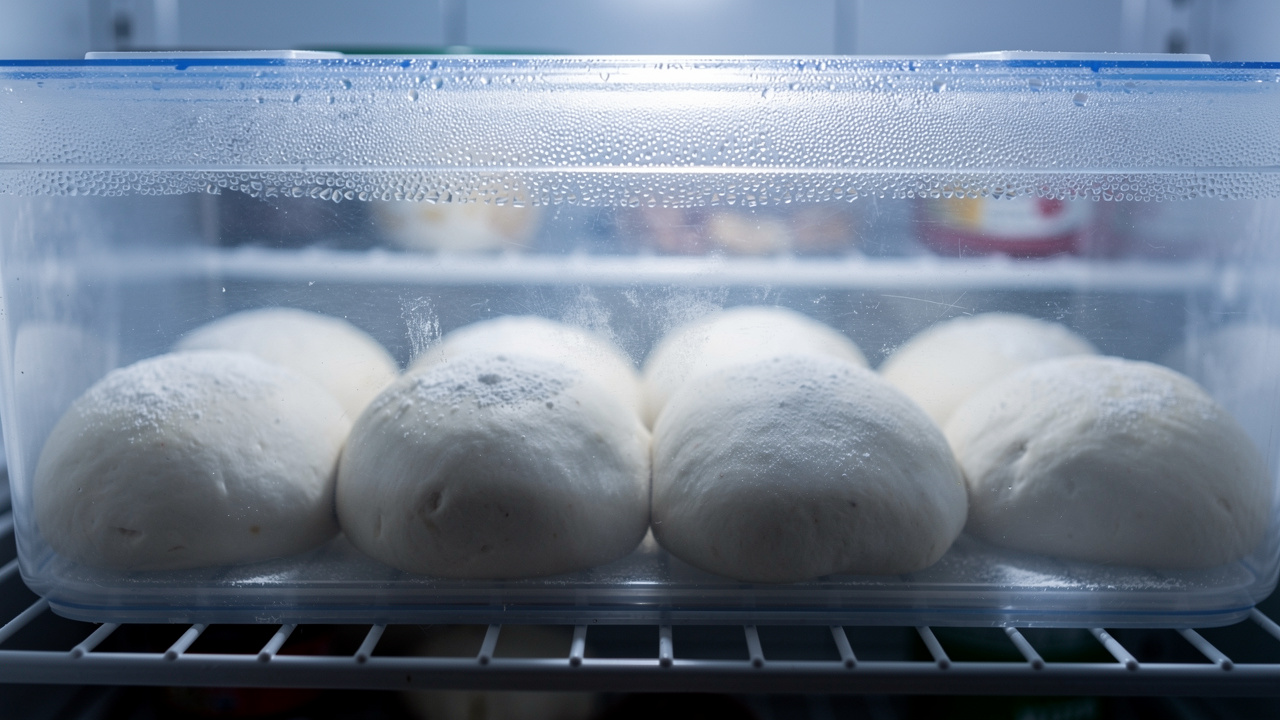
Cold Fermentation
Cold fermentation is the practice of retarding dough in the refrigerator (2–5°C) for 24–72 hours — slowing yeast activity while enzymes break starches into sugars for deeper flavor and better texture.
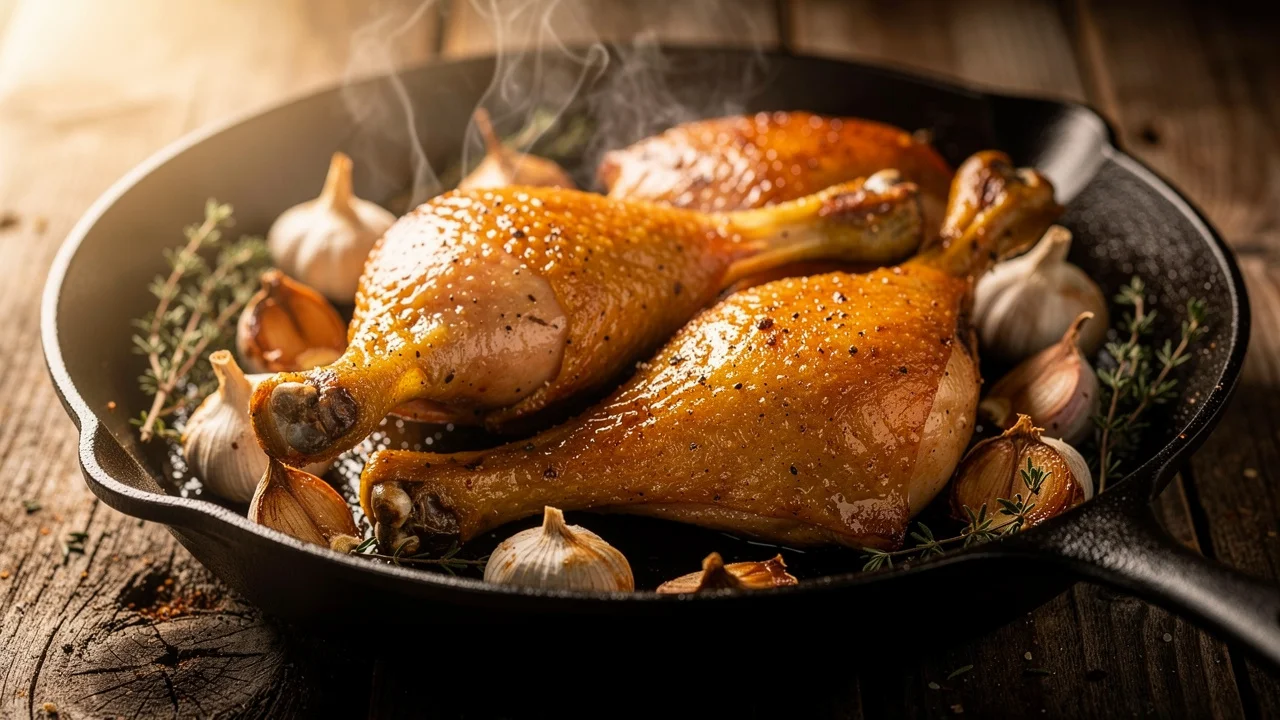
Confit
Confit is a French cooking technique where food is slowly cooked submerged in fat at low temperature (90-150°C / 200-300°F) — originally a preservation method from southwest France, it works for duck legs, garlic, potatoes, tomatoes, and even egg yolks.
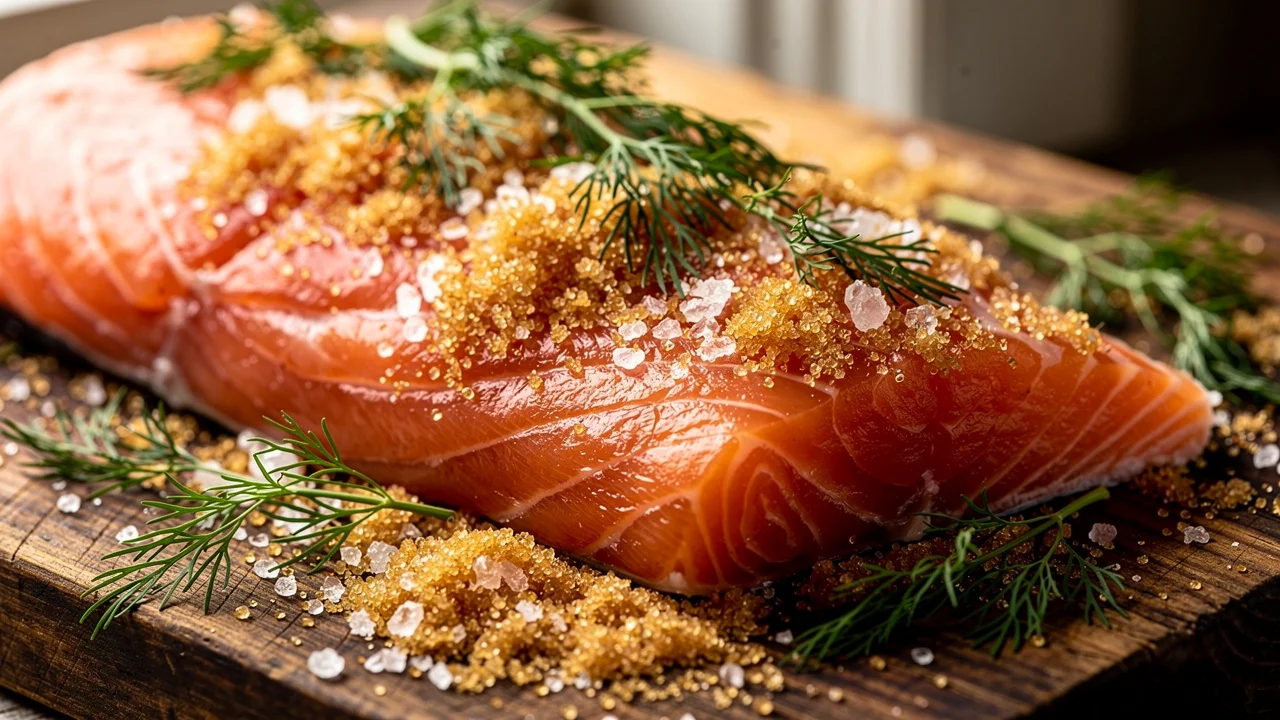
Curing
Curing is a preservation technique that uses salt, often with sugar, nitrite or nitrate, and sometimes smoke, to draw moisture out of meat and fish, hold back bacteria, and build concentrated flavor.
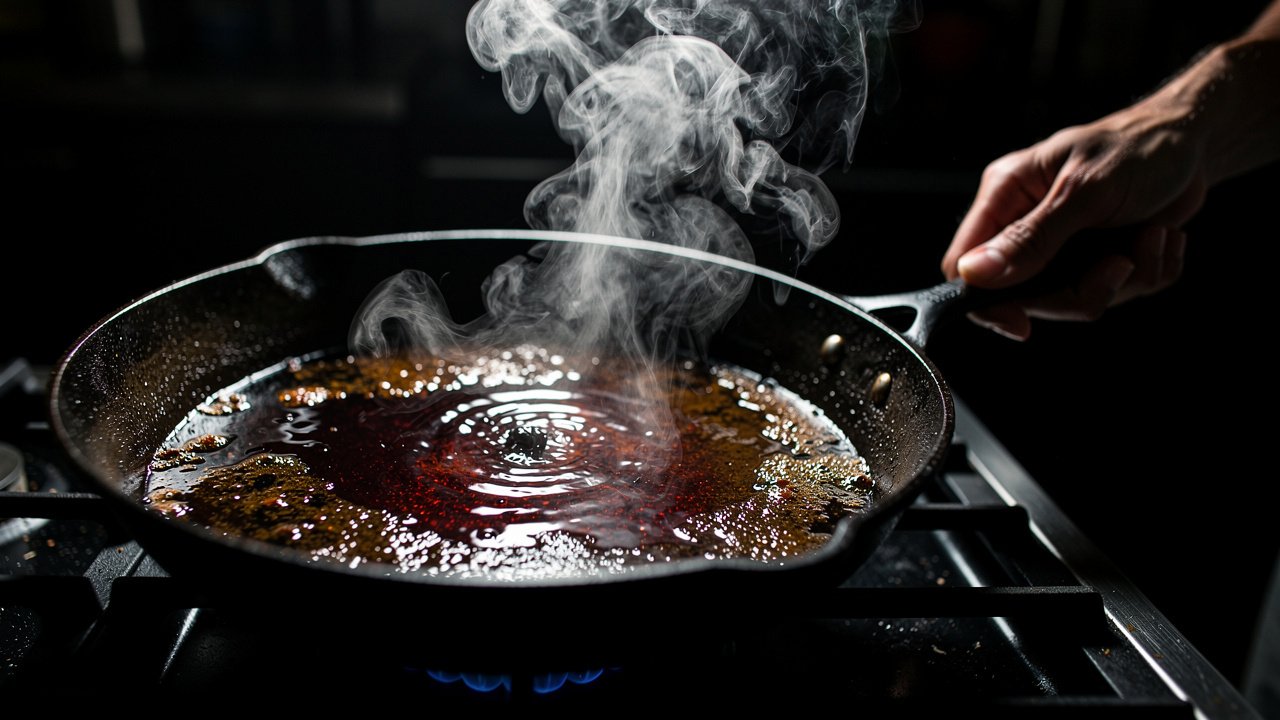
Deglazing
Deglazing is adding 120-240 ml of liquid (wine, stock, vinegar) to a hot pan after searing to dissolve the browned bits stuck to the bottom — the foundation of every pan sauce in under 5 minutes.
Dredging
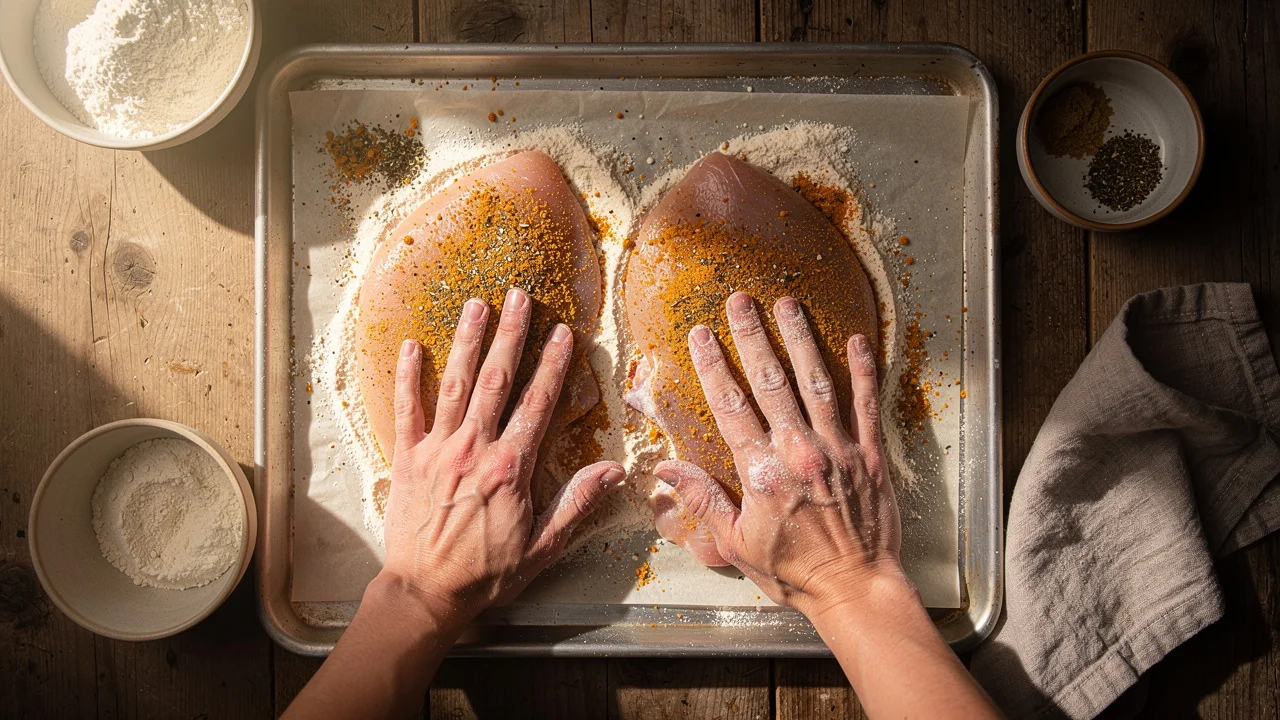
Dredging in cooking is the technique of coating food in a dry ingredient like flour, breadcrumbs, or cornstarch before frying or pan-cooking, used to create a crisp crust and help the protein brown evenly.
Dry Aging
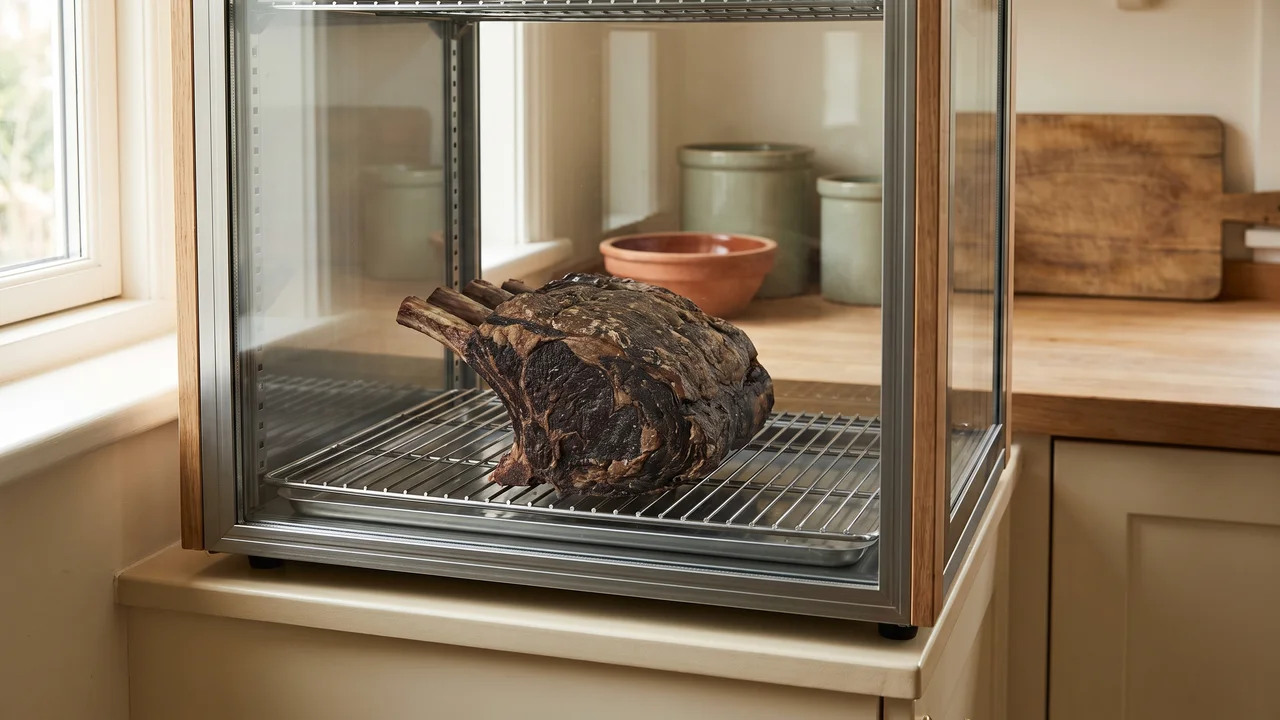
Dry aging is storing whole cuts of beef uncovered at 1-3°C with controlled humidity and airflow for 21-60 days, so enzymes tenderize the meat while moisture loss concentrates its flavor.
Duxelles
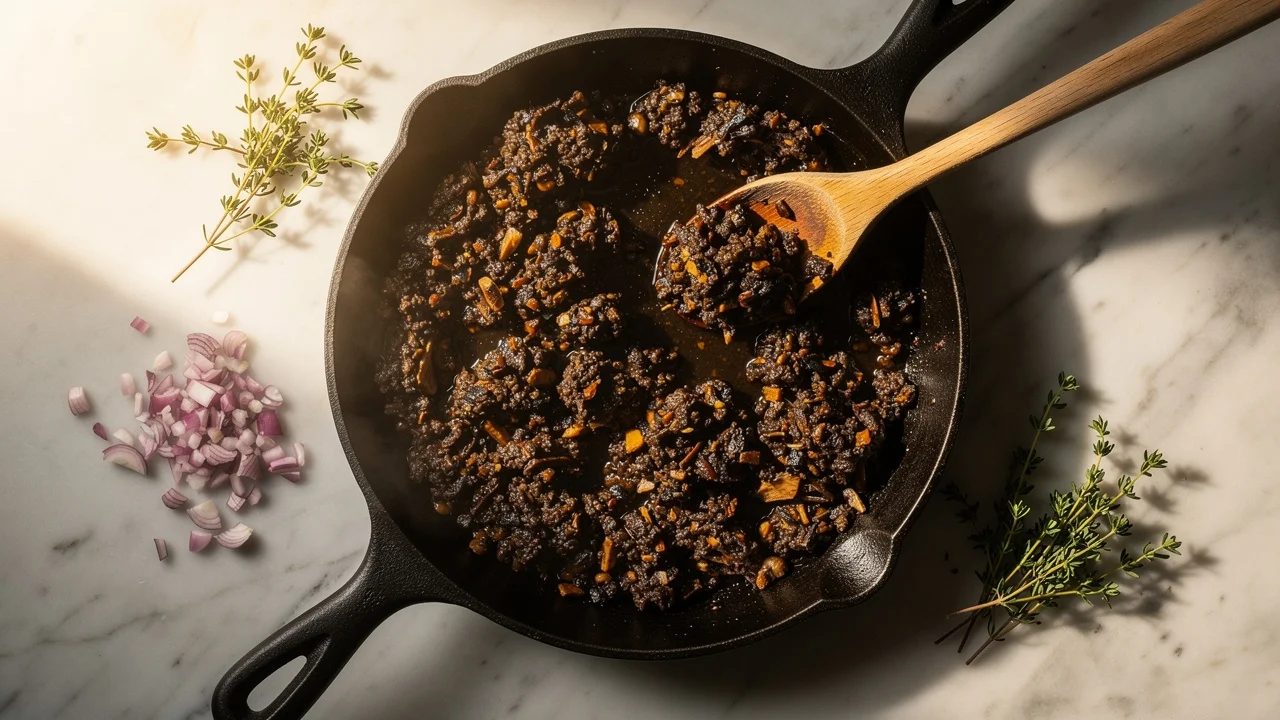
Duxelles is a finely chopped mixture of mushrooms, shallots, and herbs cooked in butter until dry and intensely flavored. A cornerstone of French classical cooking, it is the mushroom layer in beef Wellington, a base for sauces, and a versatile flavor concentrate.
Emulsification
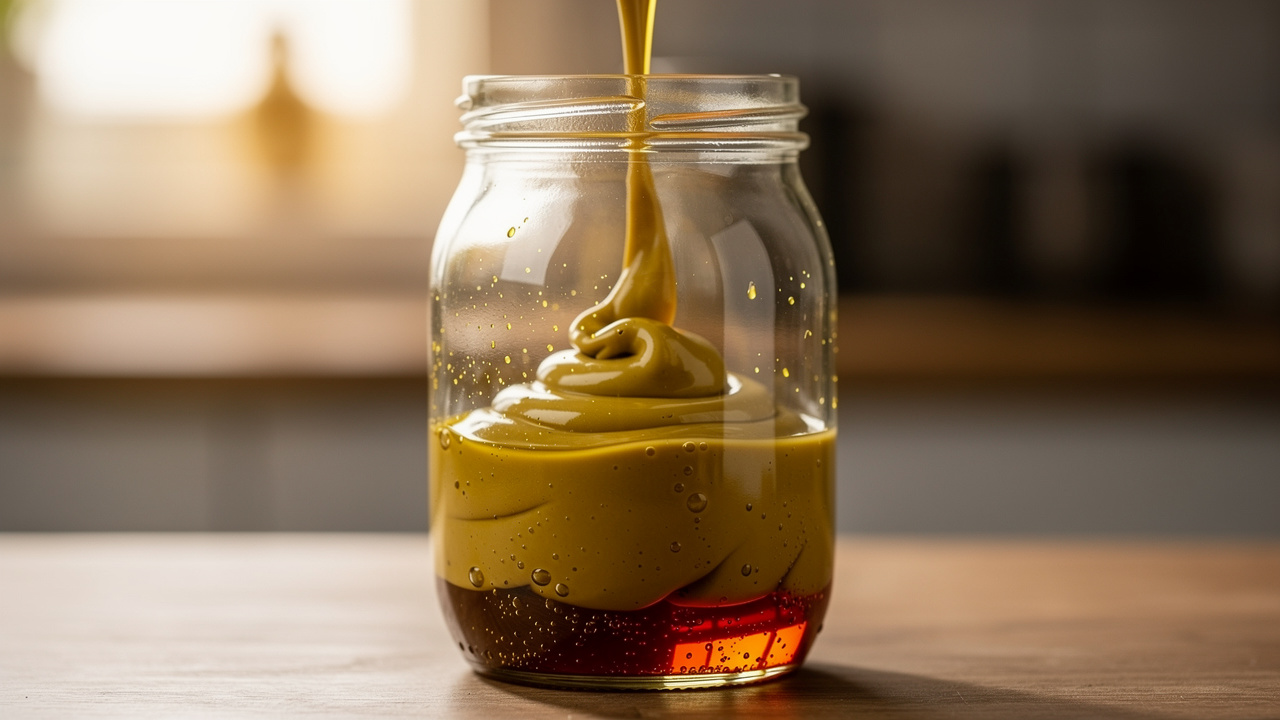
Emulsification is the process of mixing two liquids that normally don't combine (like oil and water) into a stable, uniform mixture — used to make mayonnaise, vinaigrette, hollandaise, and pan sauces.
Folding
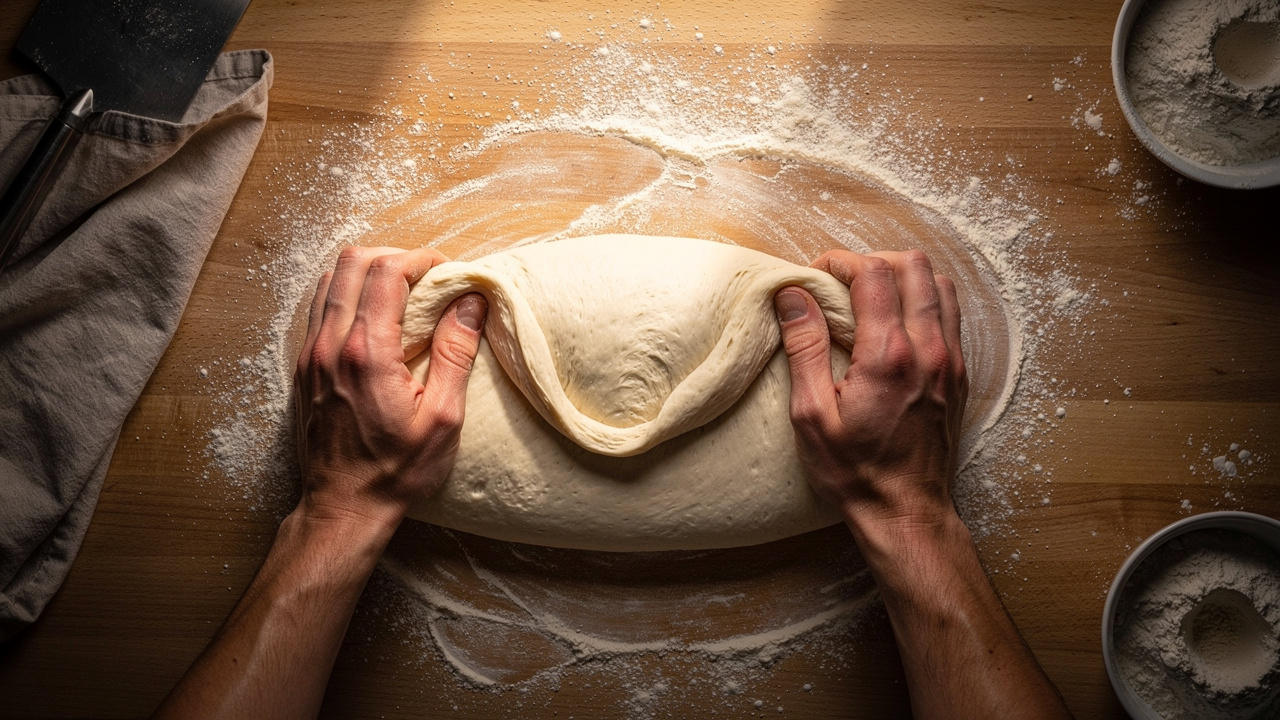
Folding is a gentle mixing technique that preserves air in delicate batters by cutting through and turning the mixture rather than stirring. It is used for soufflés, mousses and macarons, and the stretch-and-fold version builds structure in high-hydration bread dough.
Gluten Window Test
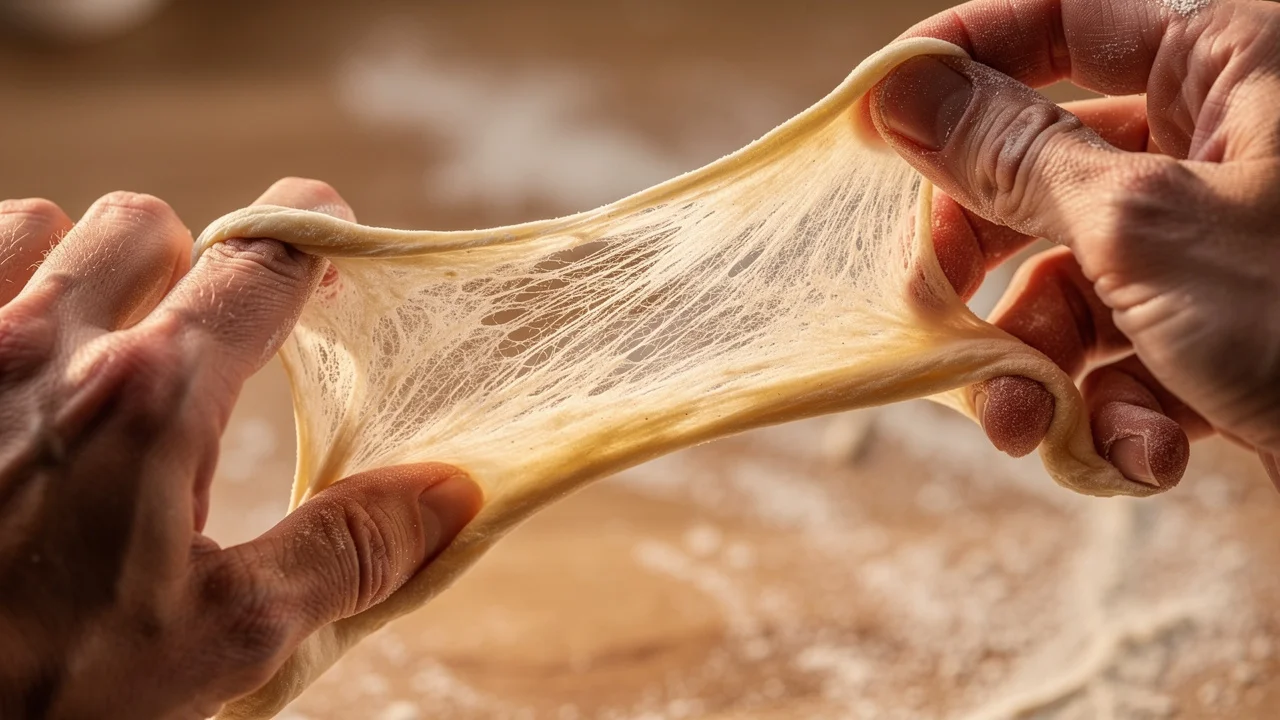
The gluten window test (or windowpane test) is a hands-on technique for checking gluten development — stretch a small piece of dough thin enough to see light through it without tearing, the dough is ready.
Julienne
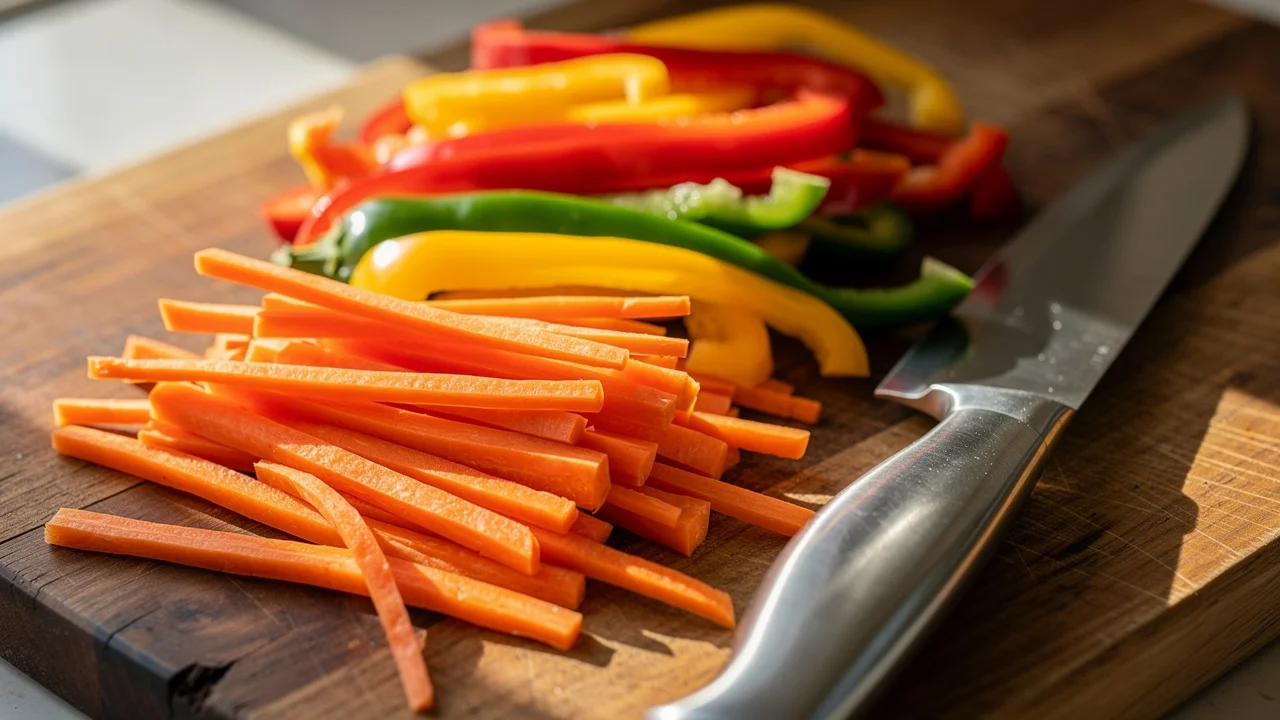
Julienne is a classical French knife cut that produces thin, uniform matchstick strips, about 3 mm (1/8 inch) square and 5 cm (2 inches) long in the American standard, used in stir-fries, salads, garnishes, and any dish where vegetables must cook evenly.
Lacto-Fermentation
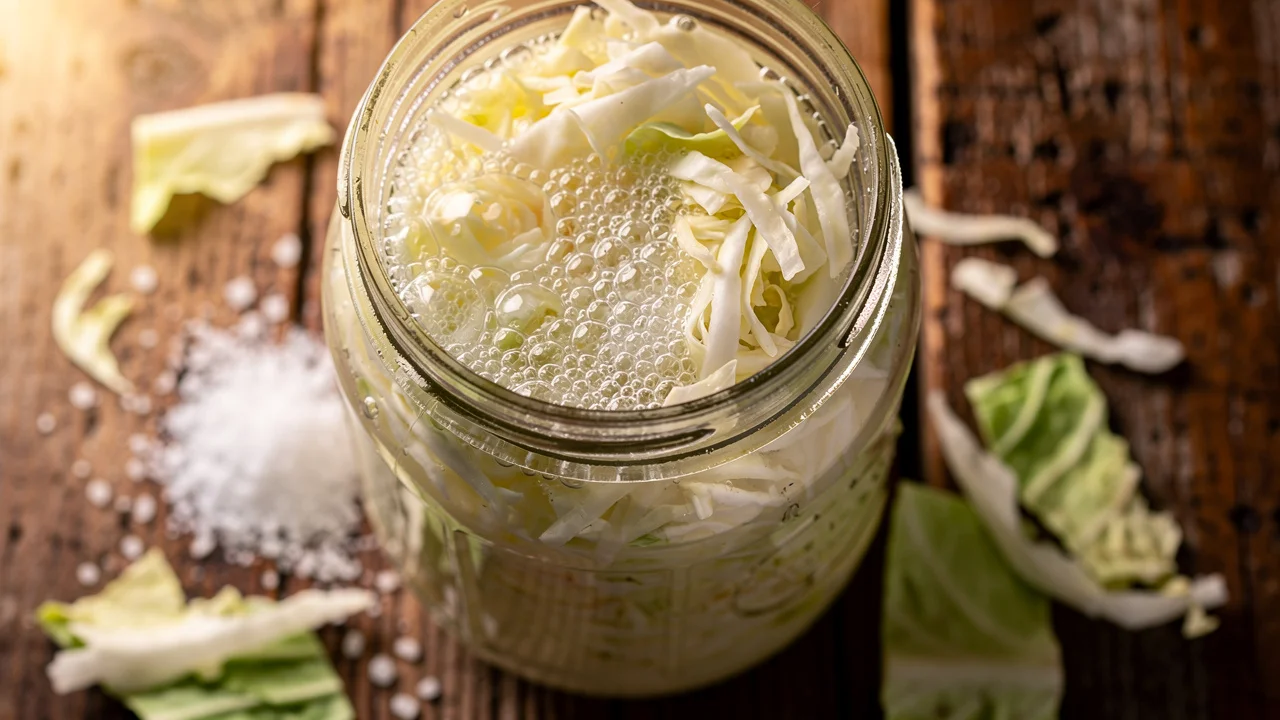
A preservation method where lactic acid bacteria convert sugars into lactic acid, creating the tang in sauerkraut, kimchi, pickles, and yogurt. No vinegar required.
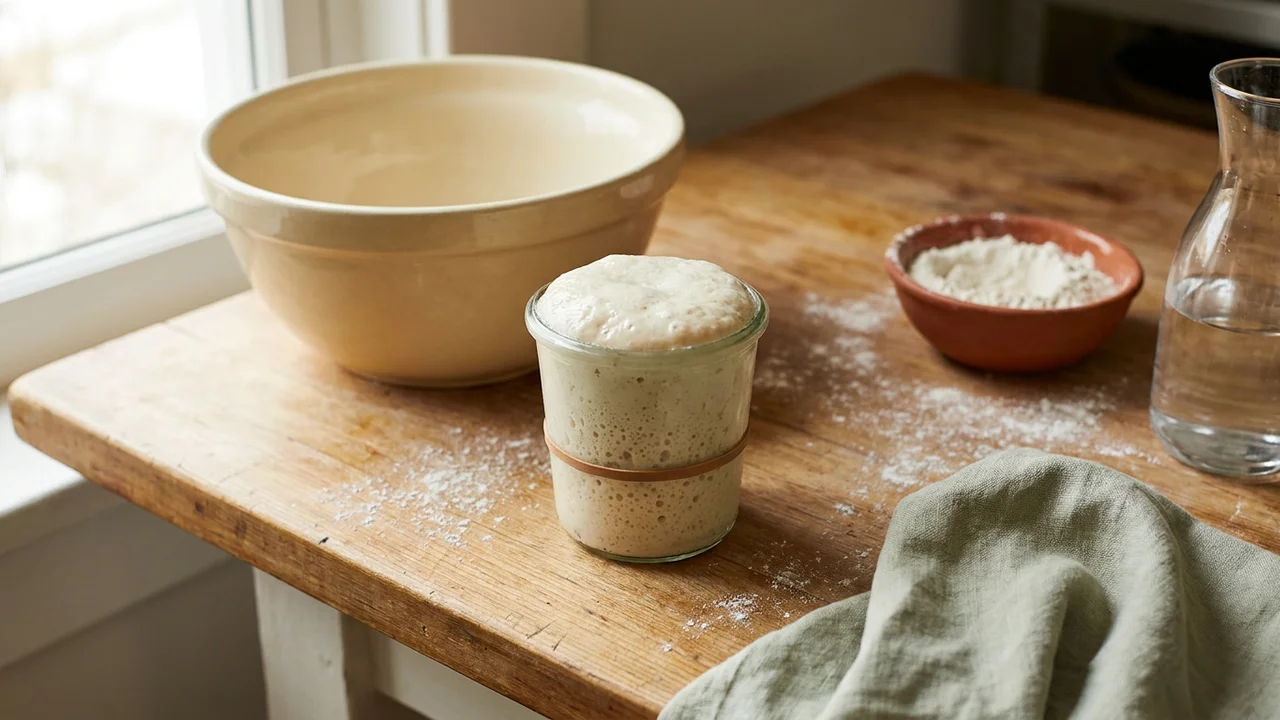
Levain
Levain is a naturally-leavened preferment built from a small amount of sourdough starter, flour, and water, mixed hours before baking to leaven a specific loaf of bread.
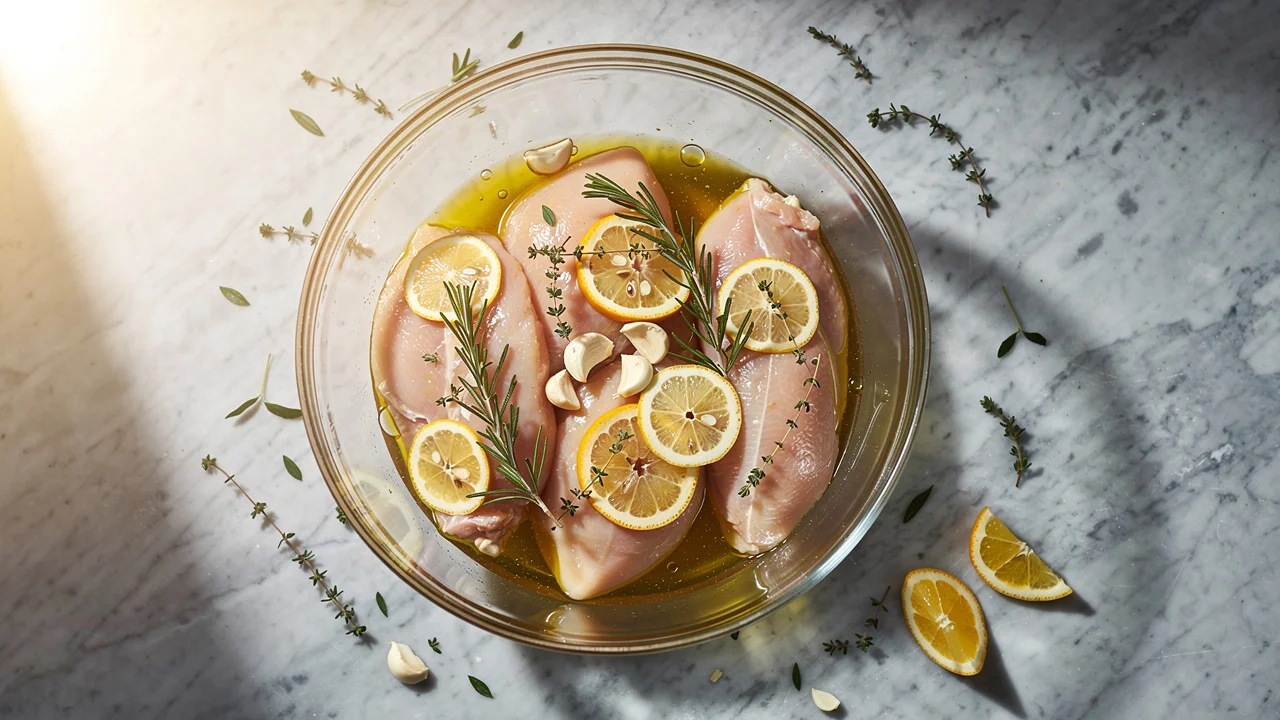
Marinade
A marinade is a seasoned liquid mixture of acid, oil, and aromatics used to flavor food before cooking. It denatures surface proteins and adds flavor, but only reaches a few millimeters deep, so it works best for thin cuts marinated 30 minutes to a few hours.
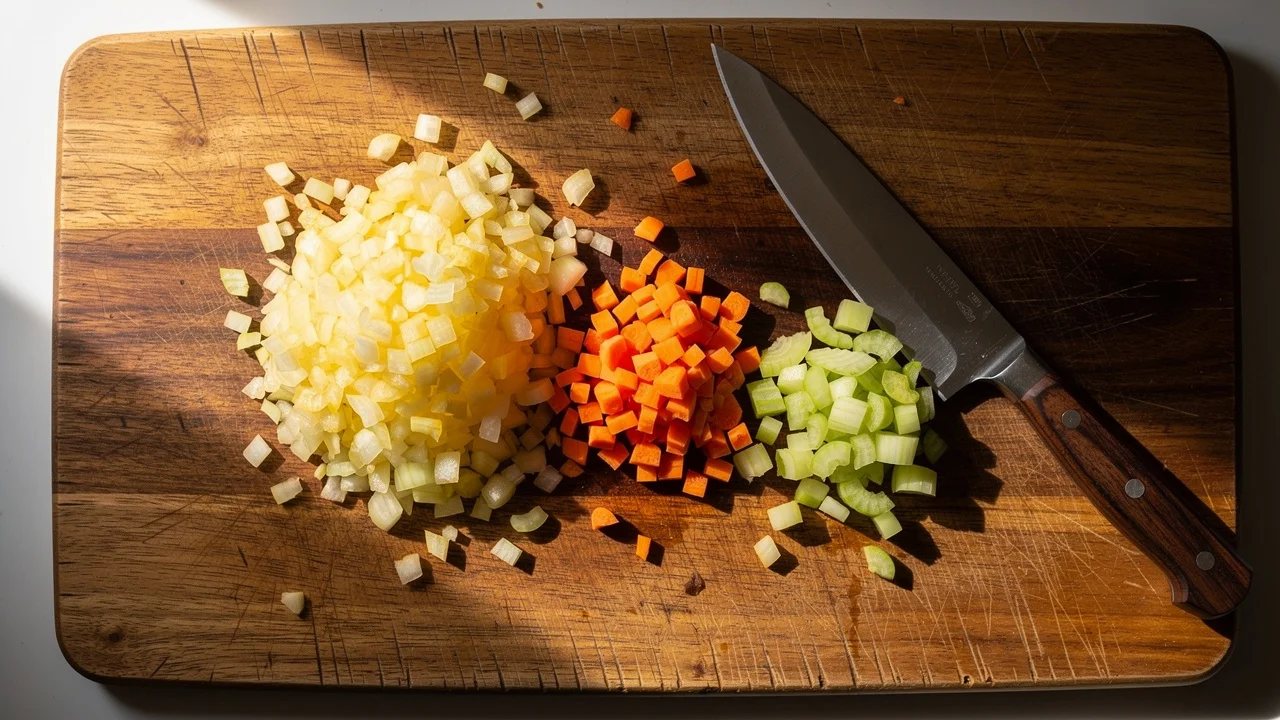
Mirepoix
Mirepoix is the classical French aromatic base of diced onion, carrot and celery, traditionally in a 2:1:1 ratio, cooked slowly in fat without browning to flavor stocks, soups, sauces and braises.
Mise en Place
Mise en place is the French culinary term for "everything in its place": preparing and organizing every ingredient and tool before cooking begins, so the cook can focus on heat and timing instead of hunting for things.
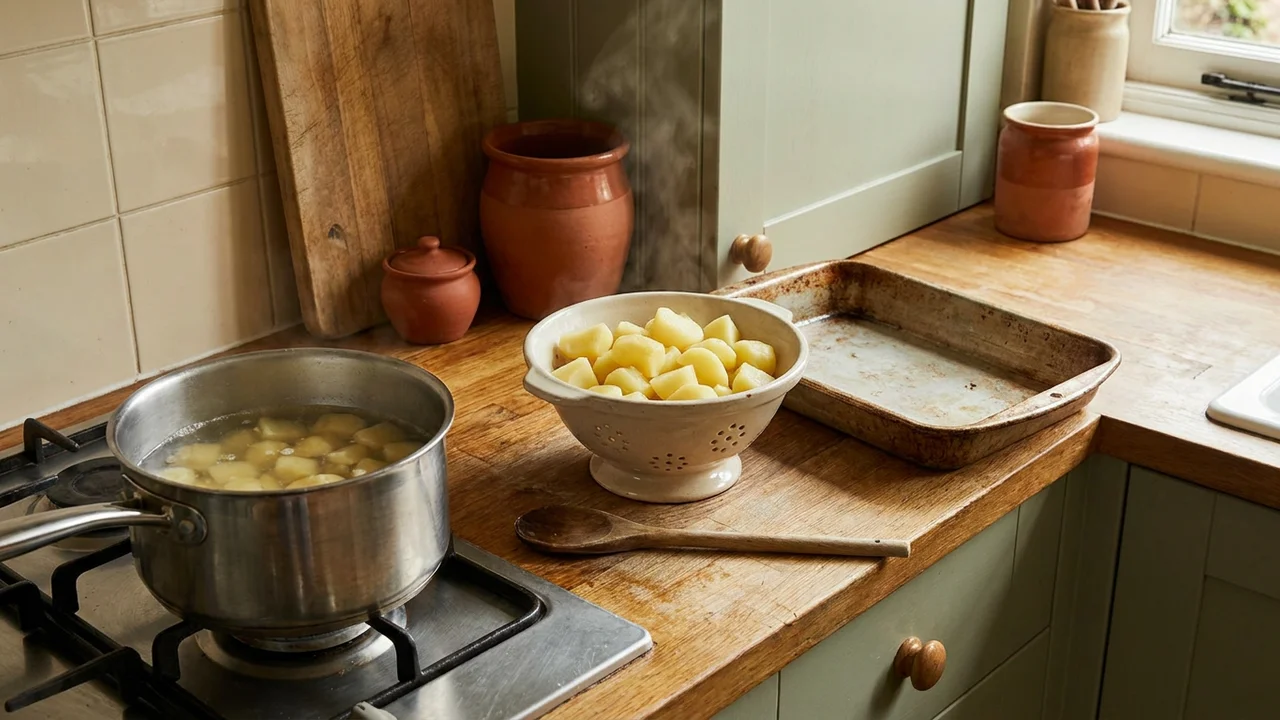
Parboiling
Parboiling is boiling food only until partially cooked, then finishing it another way: 8-10 minutes for potato chunks headed to a hot oven, 15 minutes for small whole potatoes, 10-15 for sausages bound for the grill.
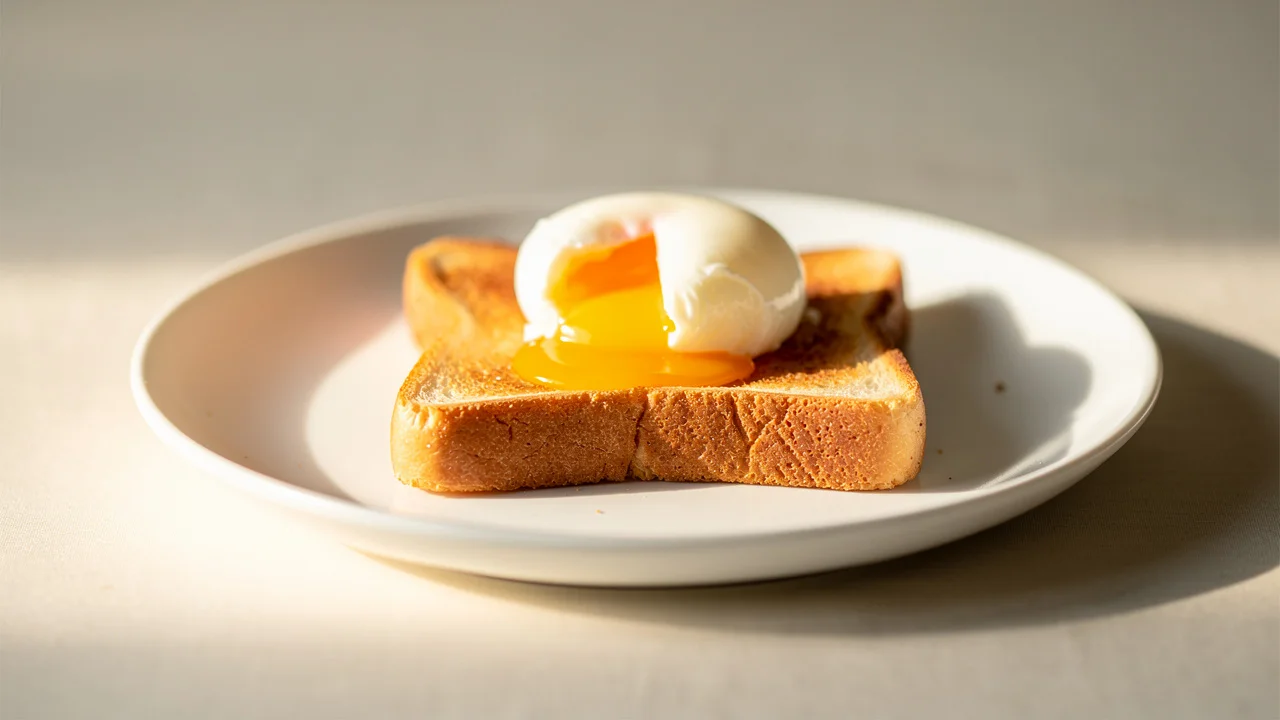
Poaching
Poaching is a gentle cooking technique that holds food in liquid at 160-180°F (71-82°C), below boiling and with no bubbles breaking the surface, to protect the texture of eggs, fish, and poultry.
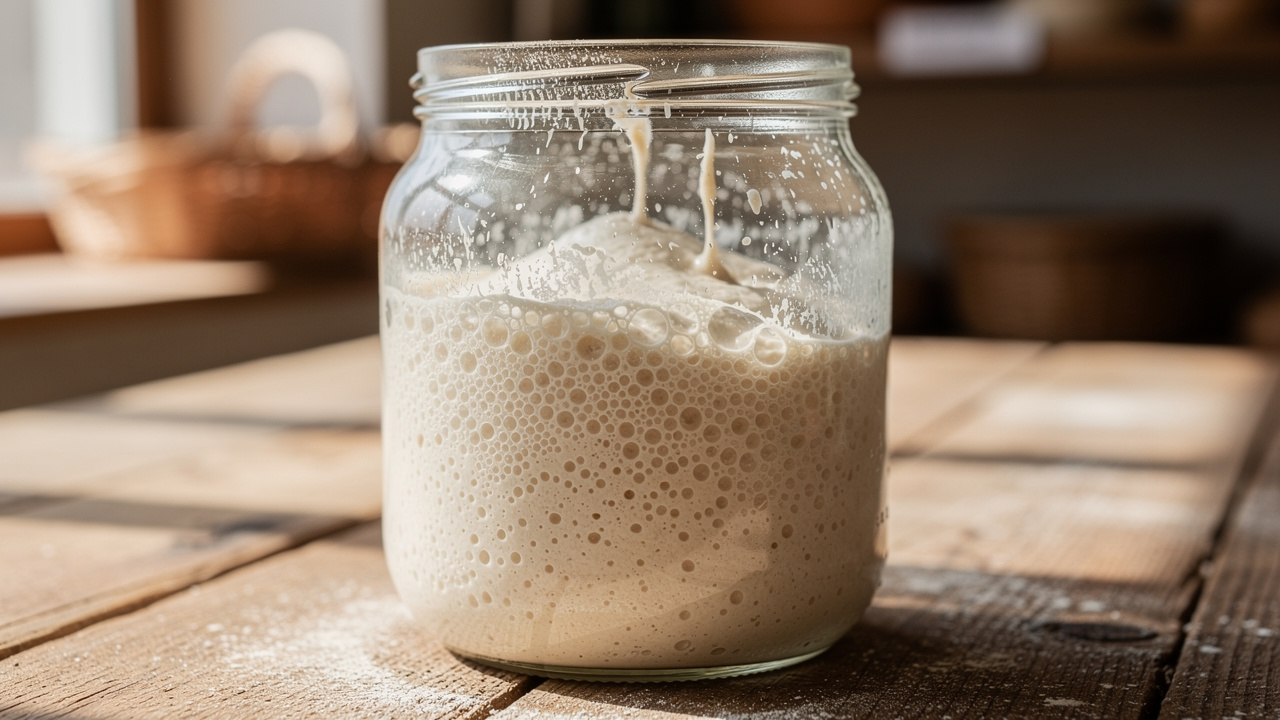
Poolish
A wet pre-ferment made with equal weights of flour and water plus a small amount of yeast, fermented 8-16 hours to develop flavor and make dough more extensible.
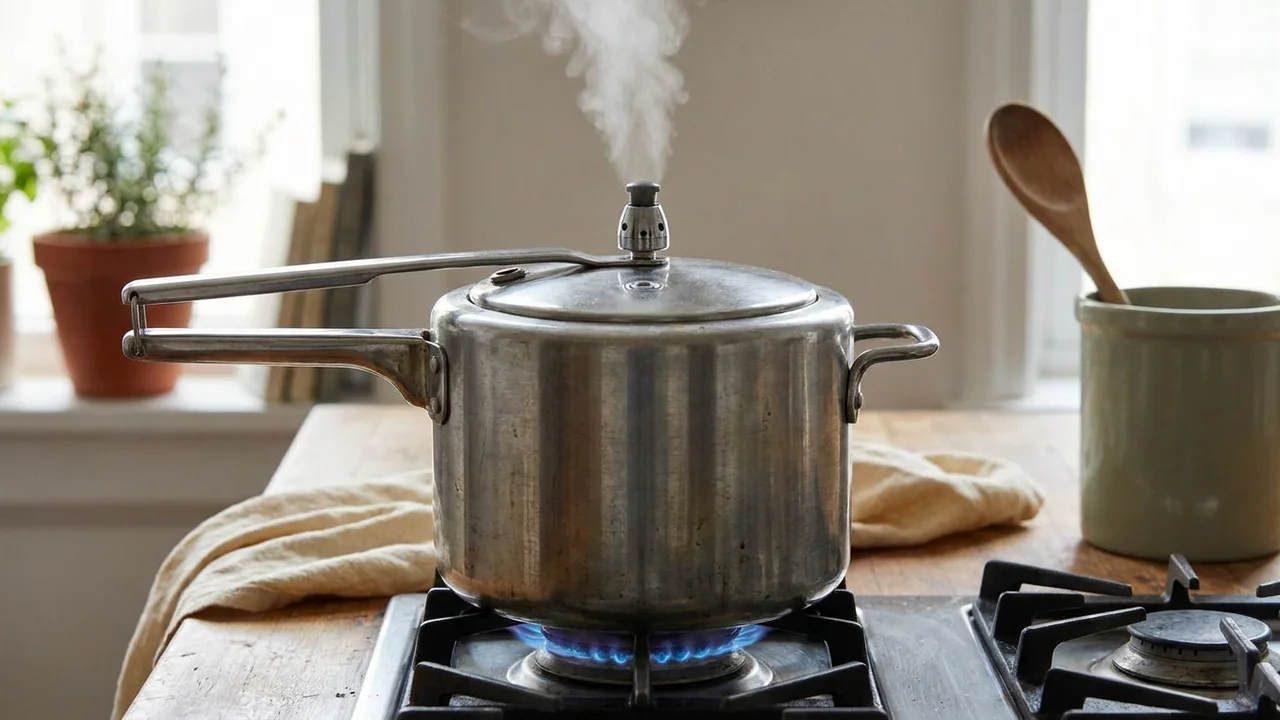
Pressure Cooking
Pressure cooking is cooking food in a sealed pot where trapped steam raises the boiling point to around 120°C (250°F), cooking food much faster than boiling or braising at normal pressure.
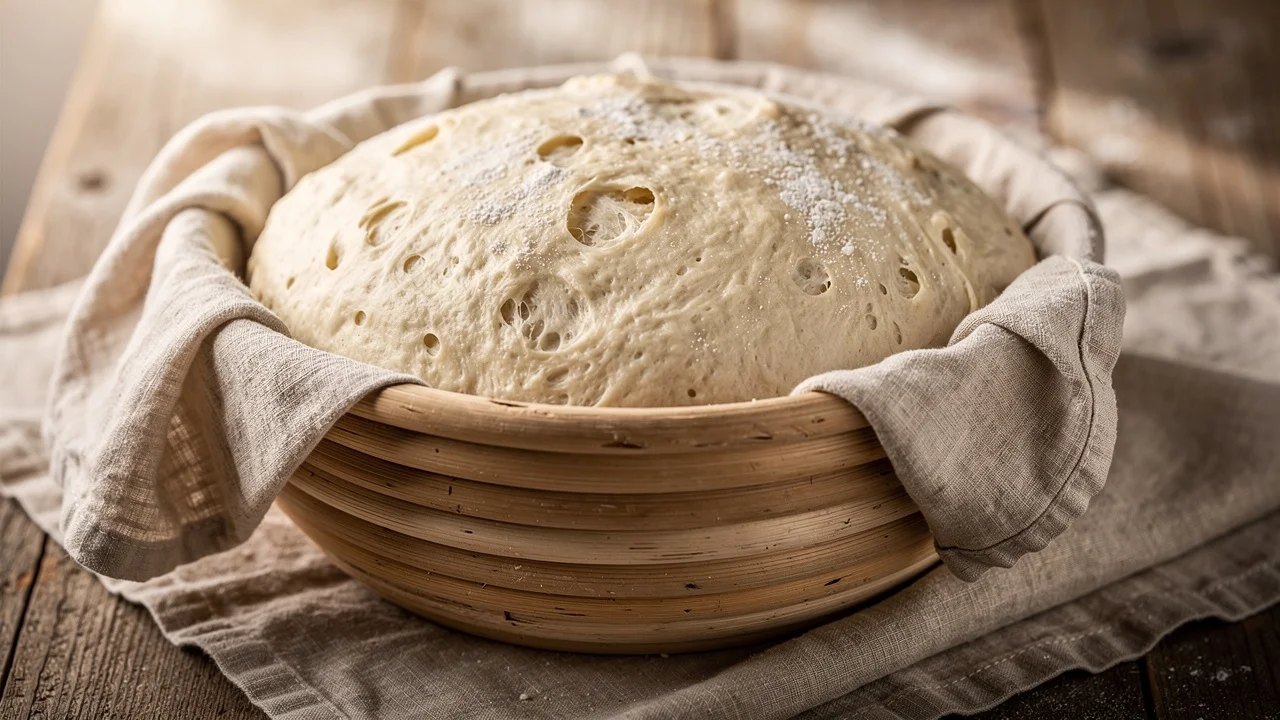
Proofing
Proofing is the final rise of bread dough after shaping (30 minutes to 16 hours), where the shaped loaf expands with carbon dioxide from yeast before baking — produces a light, airy crumb instead of a dense brick.
Reduction
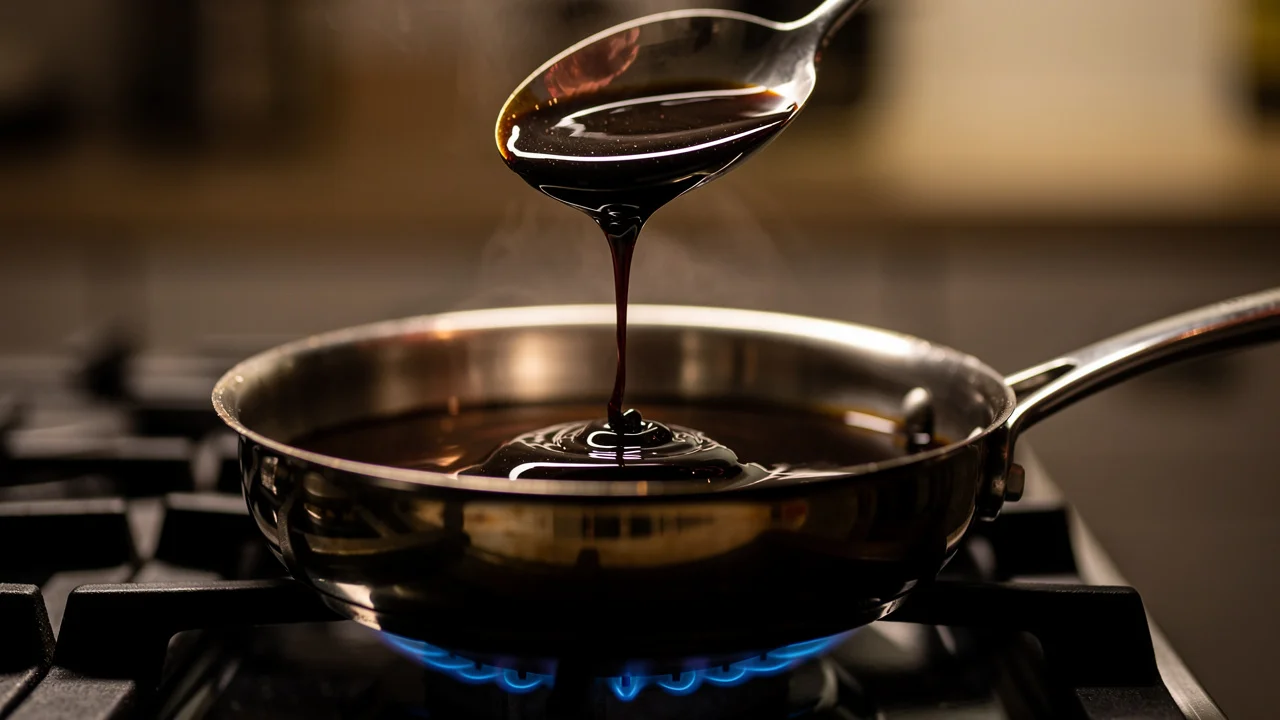
Reduction is simmering a liquid uncovered to evaporate water — typically reducing volume by half in 5-15 minutes — to concentrate flavor and thicken consistency without adding starch.
Resting Meat
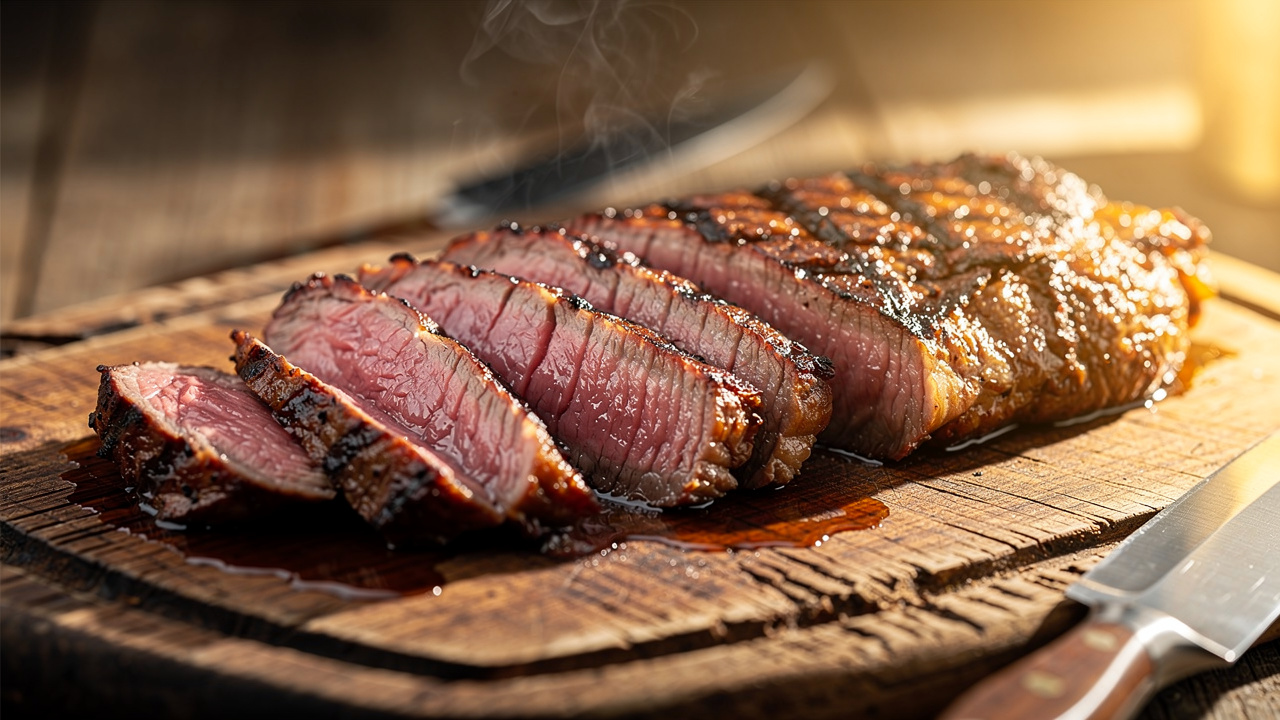
Resting meat is letting cooked meat sit before you cut it, usually 5 to 30 minutes depending on size, so the fibers relax and carryover cooking finishes the job instead of the juice finishing on the board.
Risotto Technique
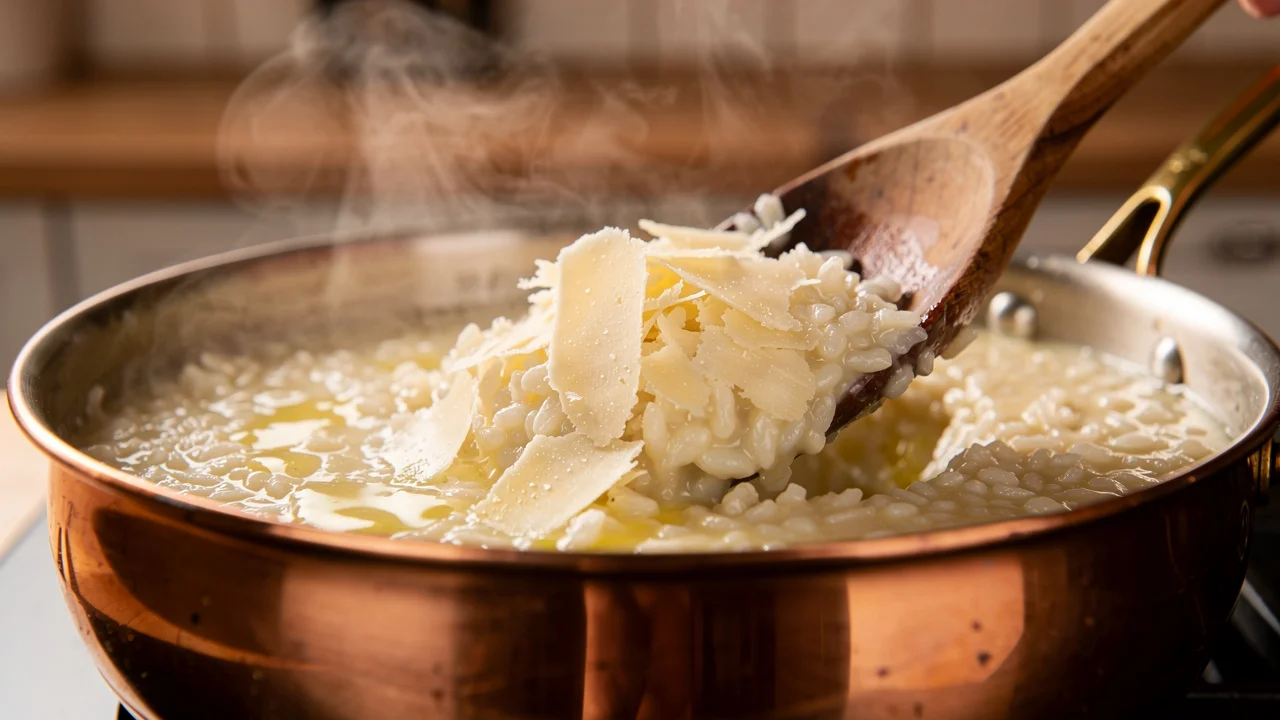
Risotto technique is the Italian method of toasting short-grain rice, then cooking it in hot broth added a ladle at a time while stirring to release starch, and finishing off the heat with butter and cheese for a creamy, flowing dish without any cream.
Roasting
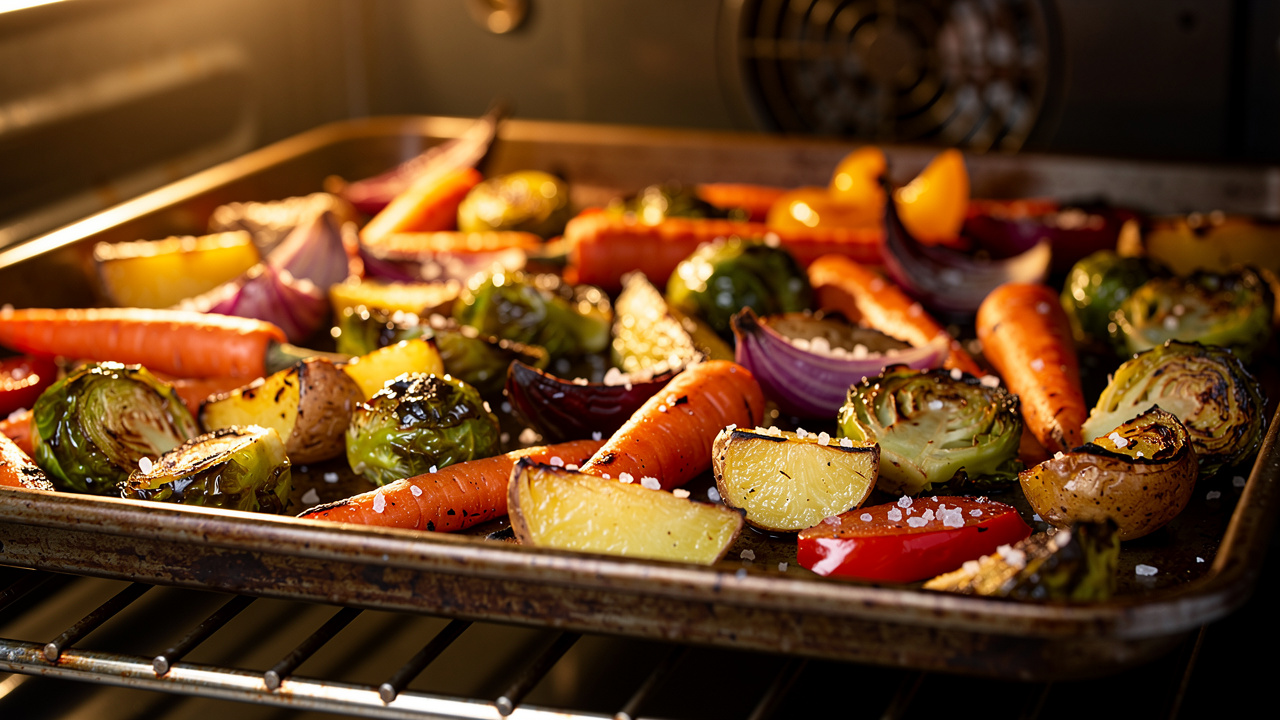
Roasting is cooking food uncovered in the dry heat of an oven so hot air surrounds it and the surface browns. Baking uses the same oven; the word changes with the food and the goal.
Roux
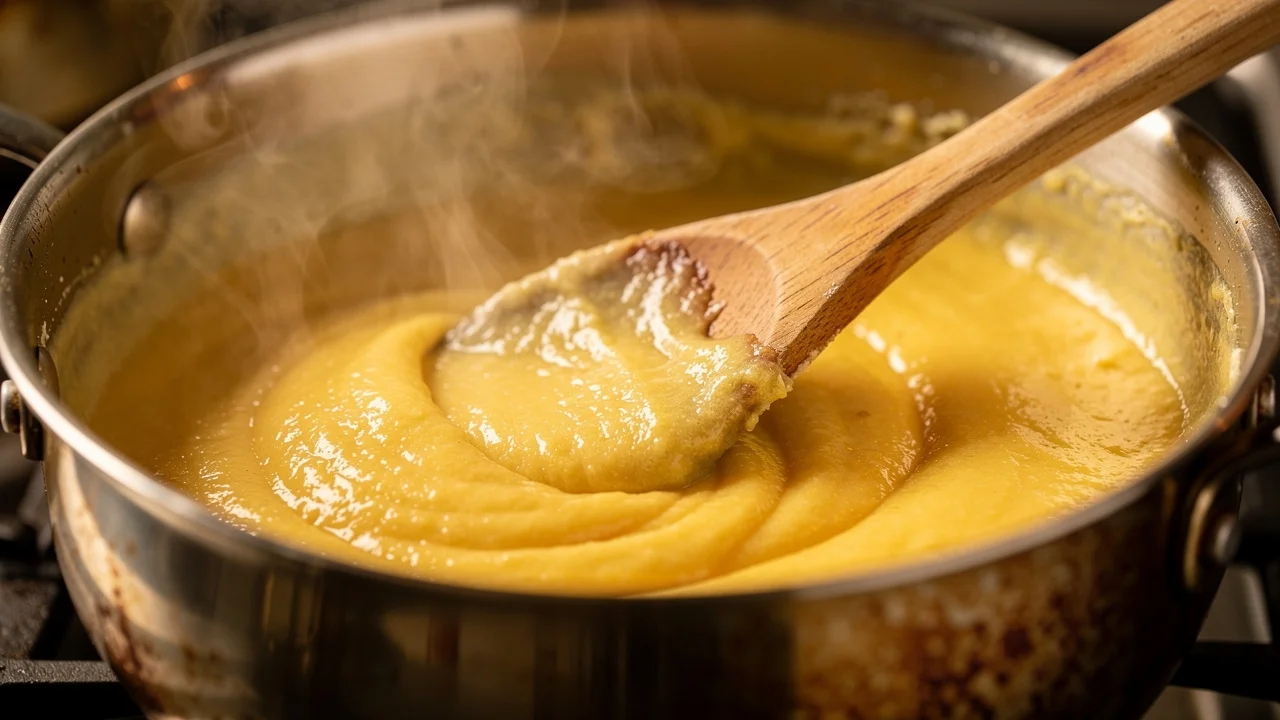
A roux is a cooked mixture of equal parts fat and flour by weight used to thicken sauces, soups, and gravies. Three types (white, blond, brown) differ by cook time, from 2 to 45 minutes, and trade thickening power for flavor as they darken.
Sautéing
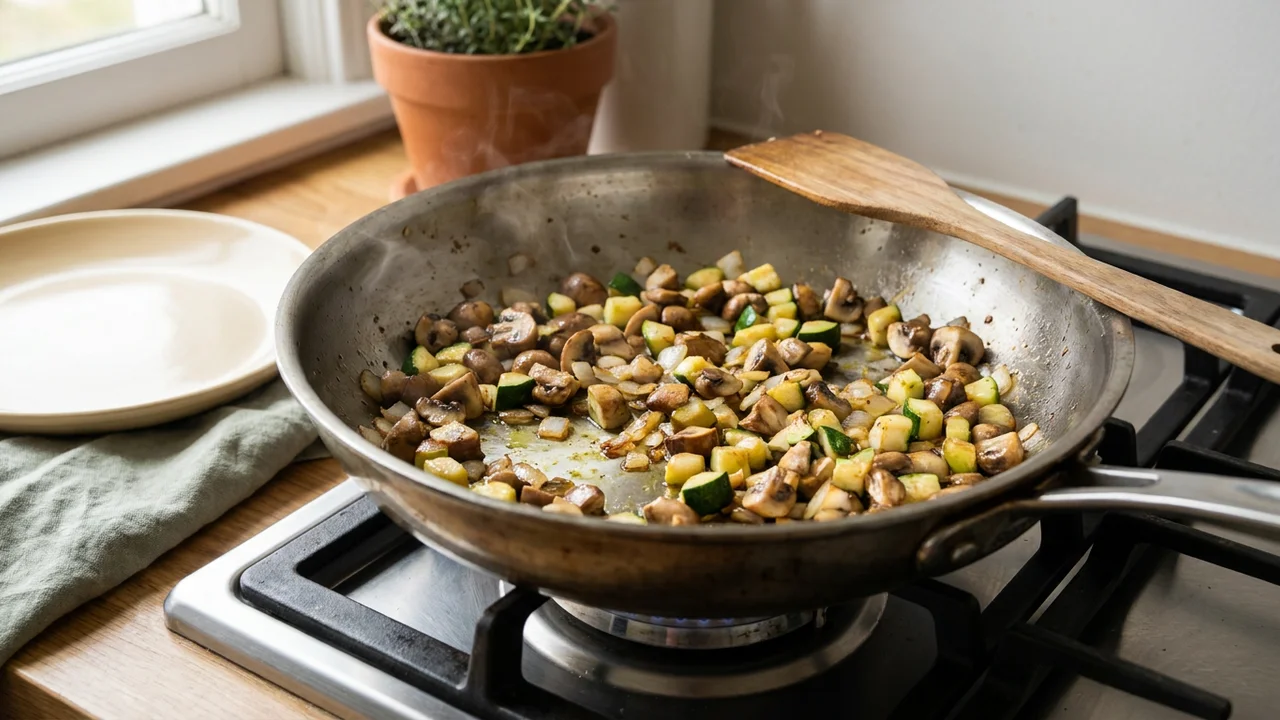
Sautéing is cooking small or thin pieces of food fast in a wide pan over medium-high heat with a little fat, keeping them moving so they brown on the outside before they overcook inside.
Searing
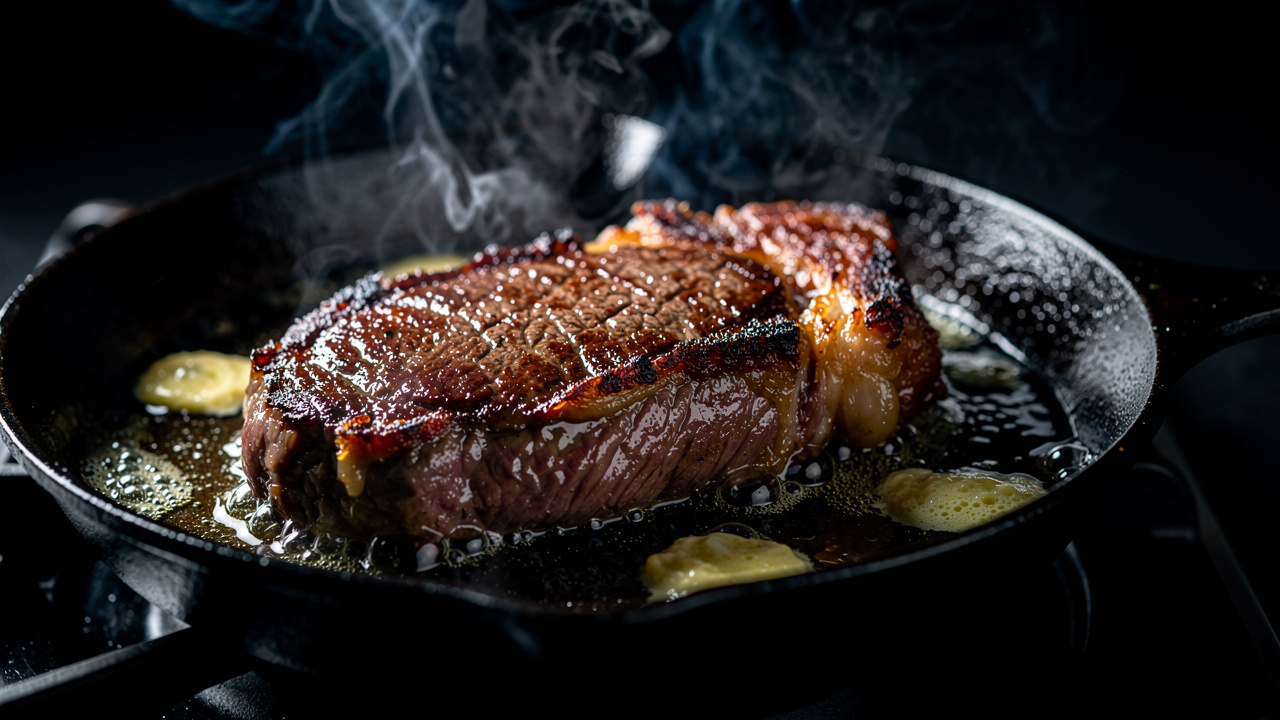
Searing is cooking food over high heat until the surface browns into a Maillard crust. It builds flavor and texture; it does not seal in juices.
Simmering
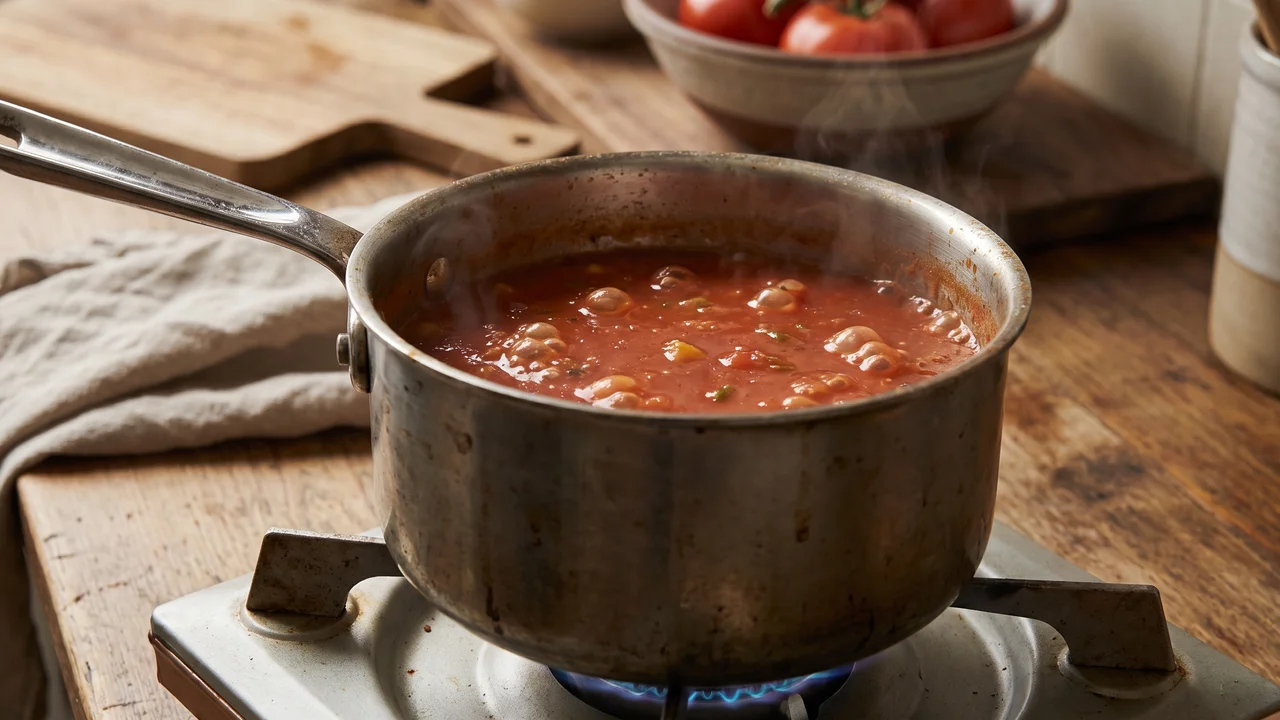
Simmering is cooking food in liquid held just below boiling — 85-96°C (185-205°F) — where small bubbles rise gently without a full rolling boil, used for stocks, stews, sauces, and delicate proteins.
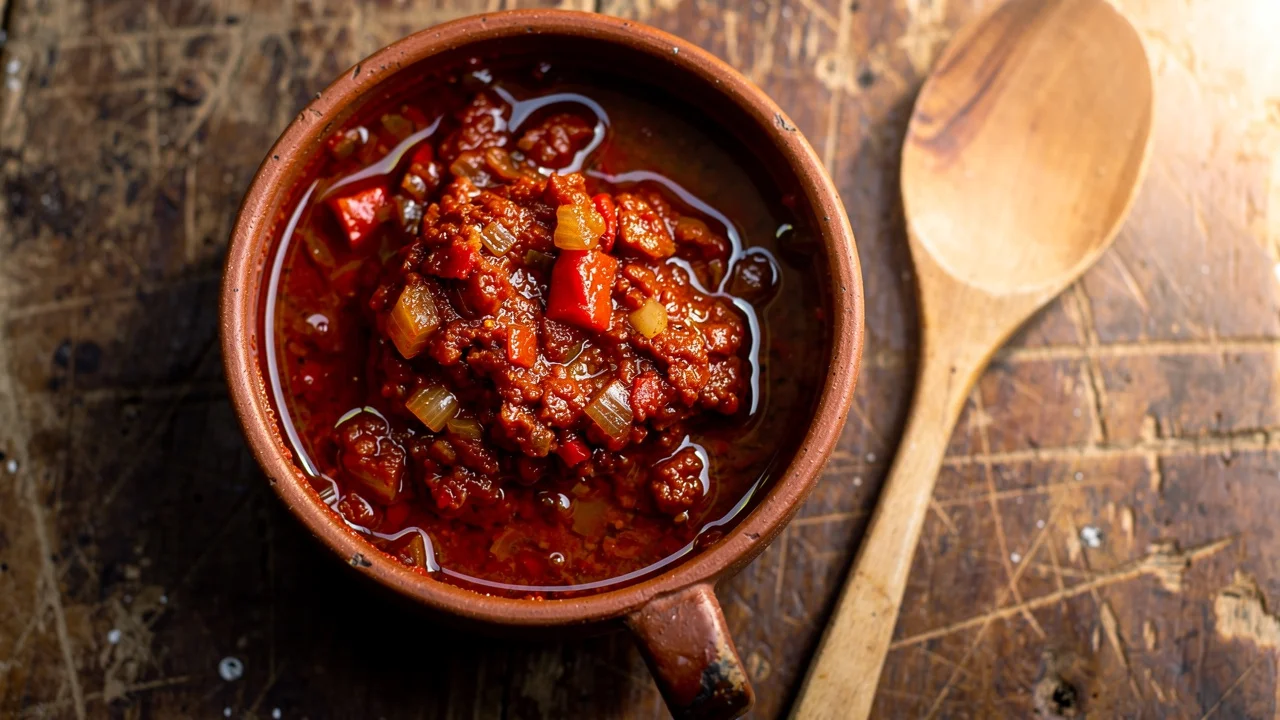
Sofrito
Sofrito is a family of aromatic cooking bases. Ingredients and treatment vary by cuisine, from Spanish onion-and-tomato preparations to Puerto Rican blends rich in peppers and herbs.
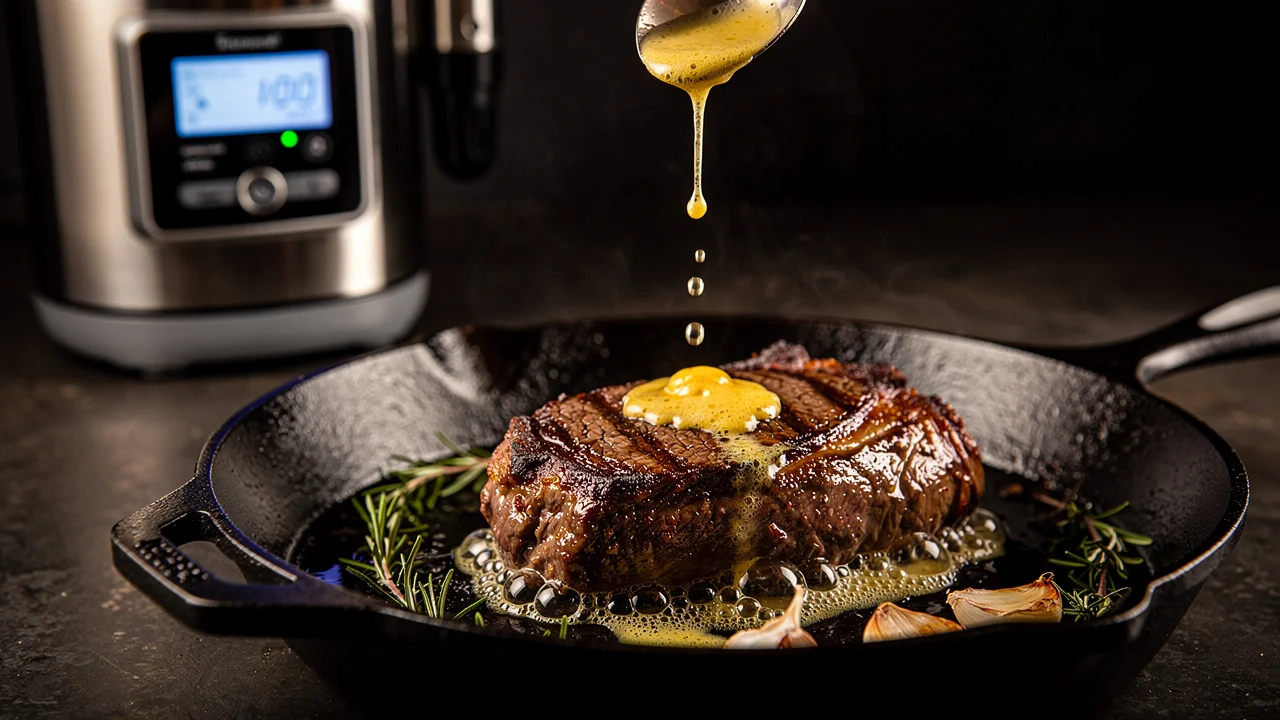
Sous Vide
Sous vide is a cooking method where food is sealed in a bag and cooked in a water bath held at a precise temperature, typically 50-85 °C, for 30 minutes to several days. Because the water never exceeds the target, the food cooks evenly from edge to center.
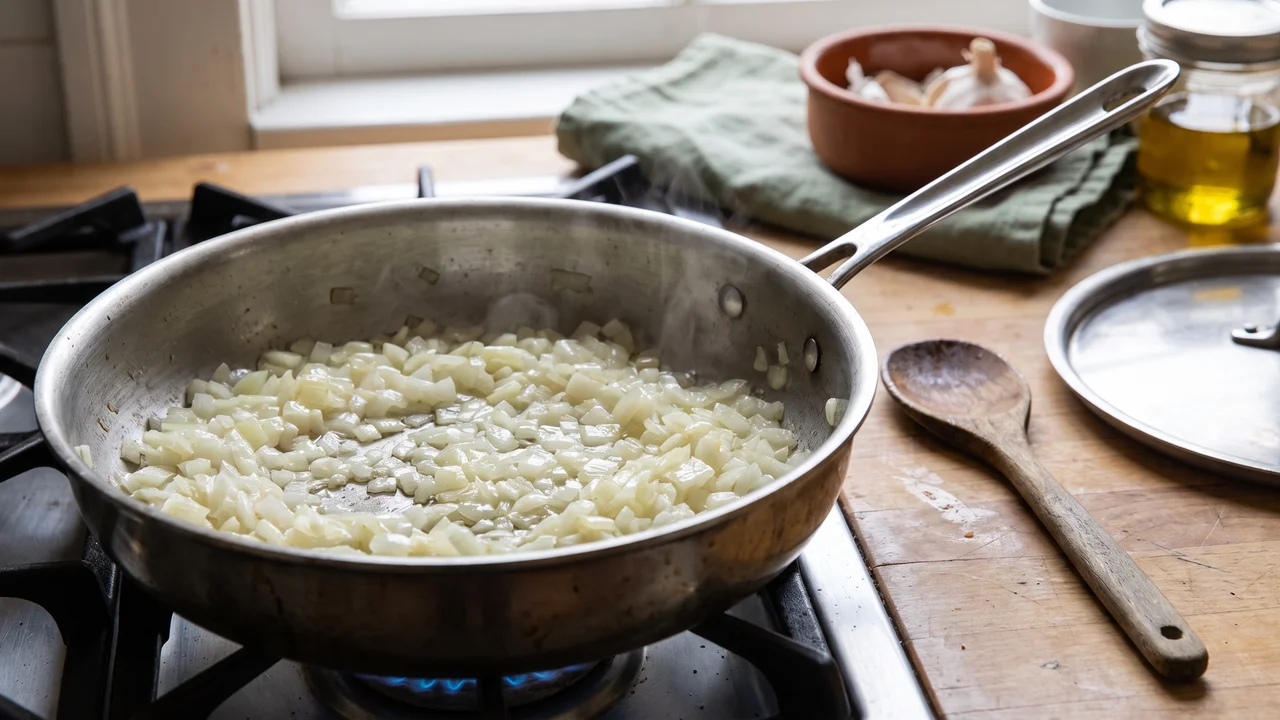
Sweating
Sweating is a gentle cooking technique that softens vegetables over low heat in a little fat without browning, creating a mild aromatic base.
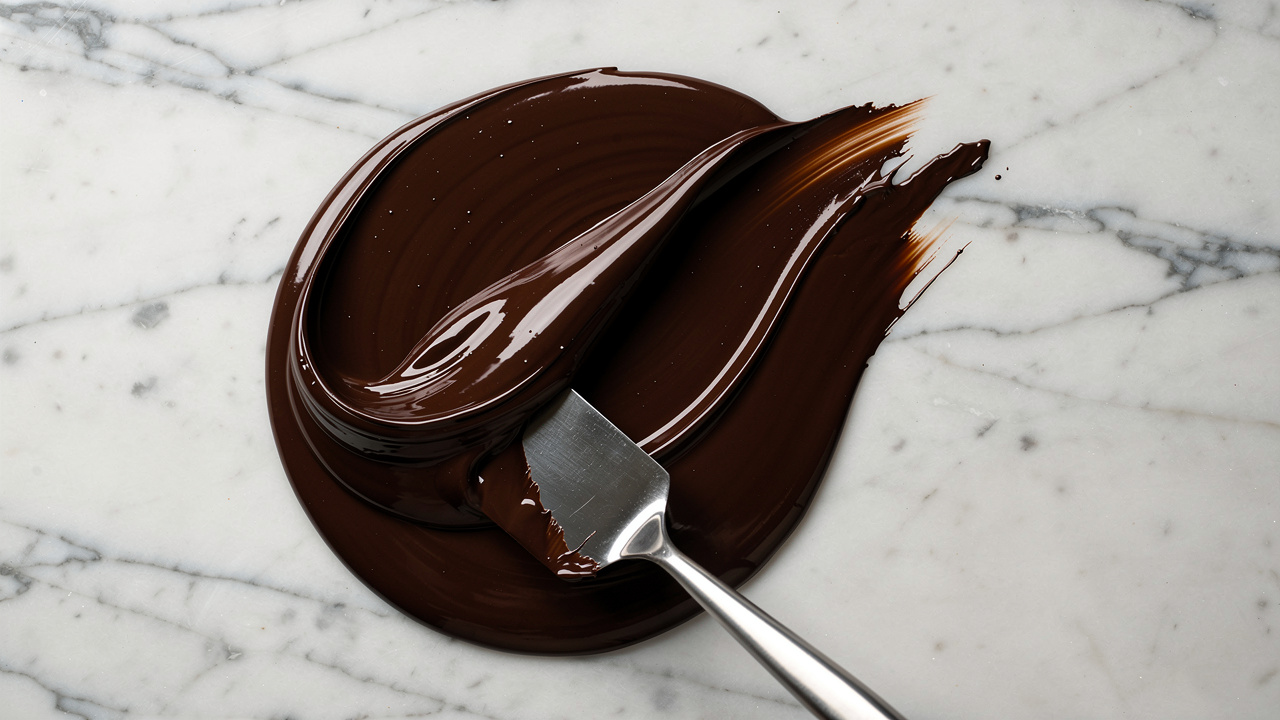
Tempering
Tempering is the technique of changing an ingredient's temperature gradually to prevent an unwanted reaction: eggs are tempered so they don't curdle in hot liquid, and chocolate is tempered so its cocoa butter sets in the stable Form V crystals that give gloss and snap.
Concepts
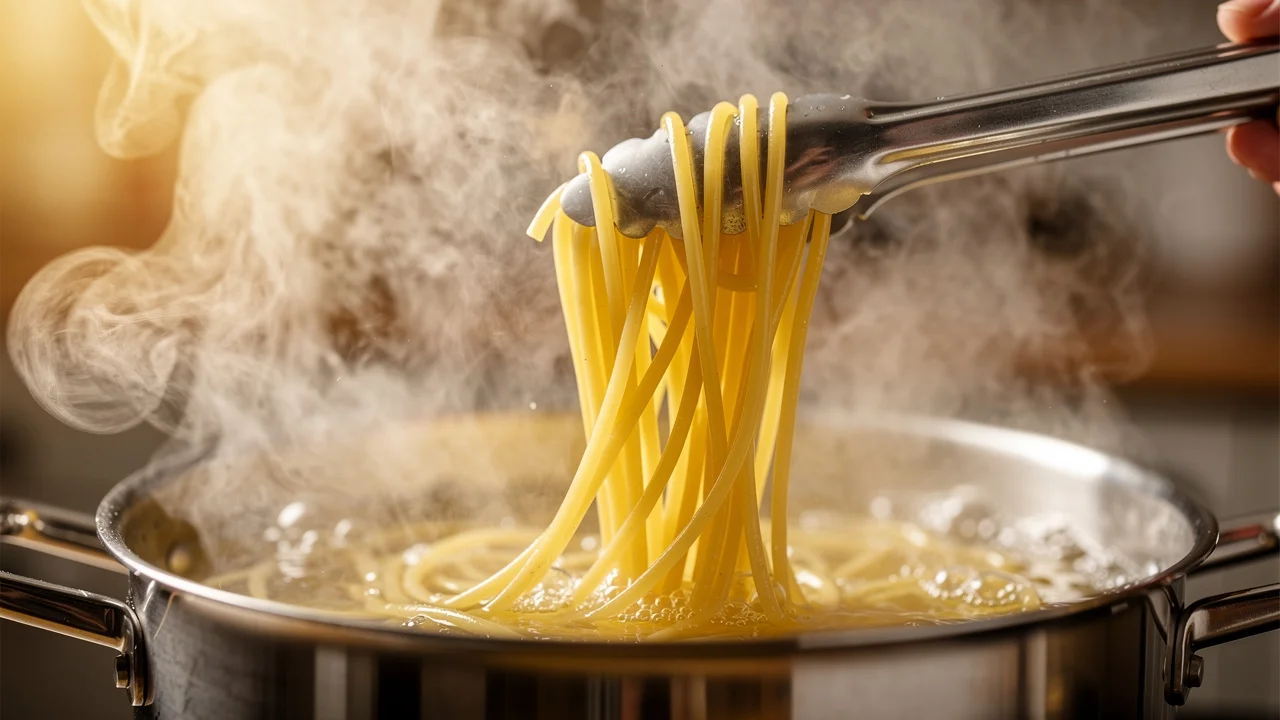
Al Dente
Al dente is Italian for "to the tooth": food cooked so it still offers slight resistance when bitten. It applies most often to pasta, where a thin pale core of not-yet-gelatinized starch is still visible at the center of a cut strand.
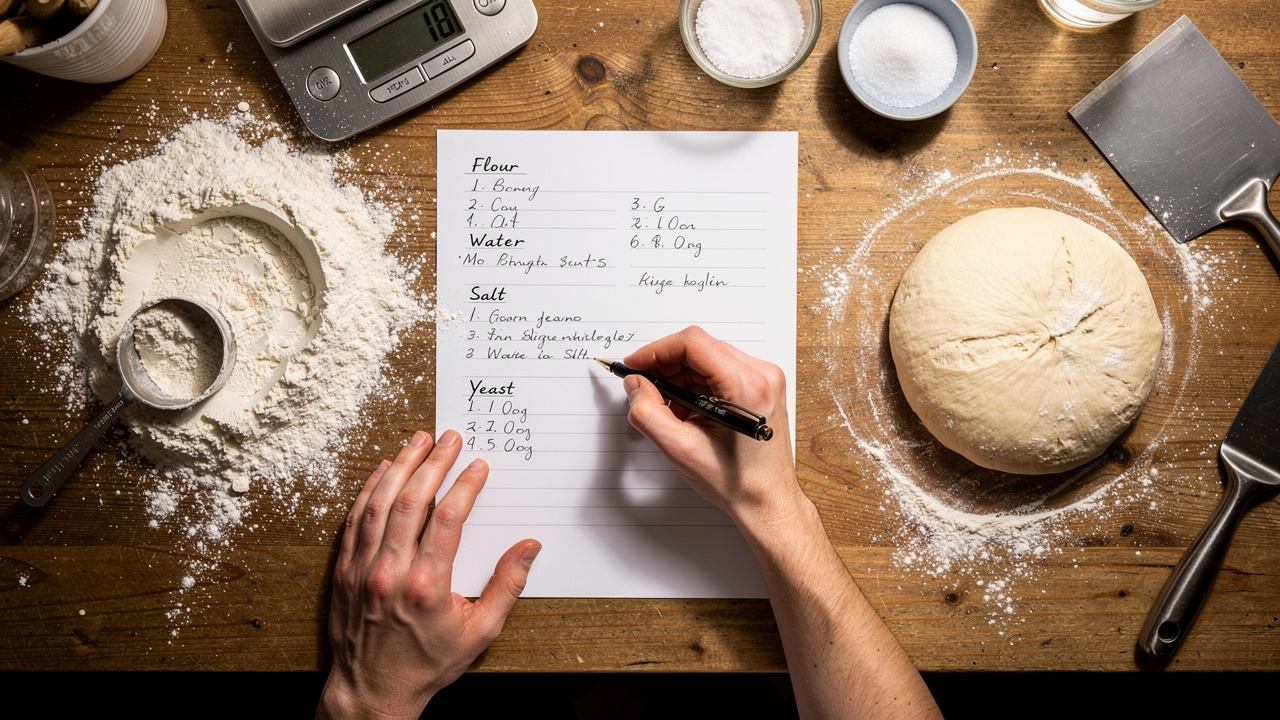
Baker's Percentage
Baker's percentage is a notation system that expresses every bread or pizza ingredient as a percentage of total flour weight (flour = 100%) — making any recipe infinitely scalable.
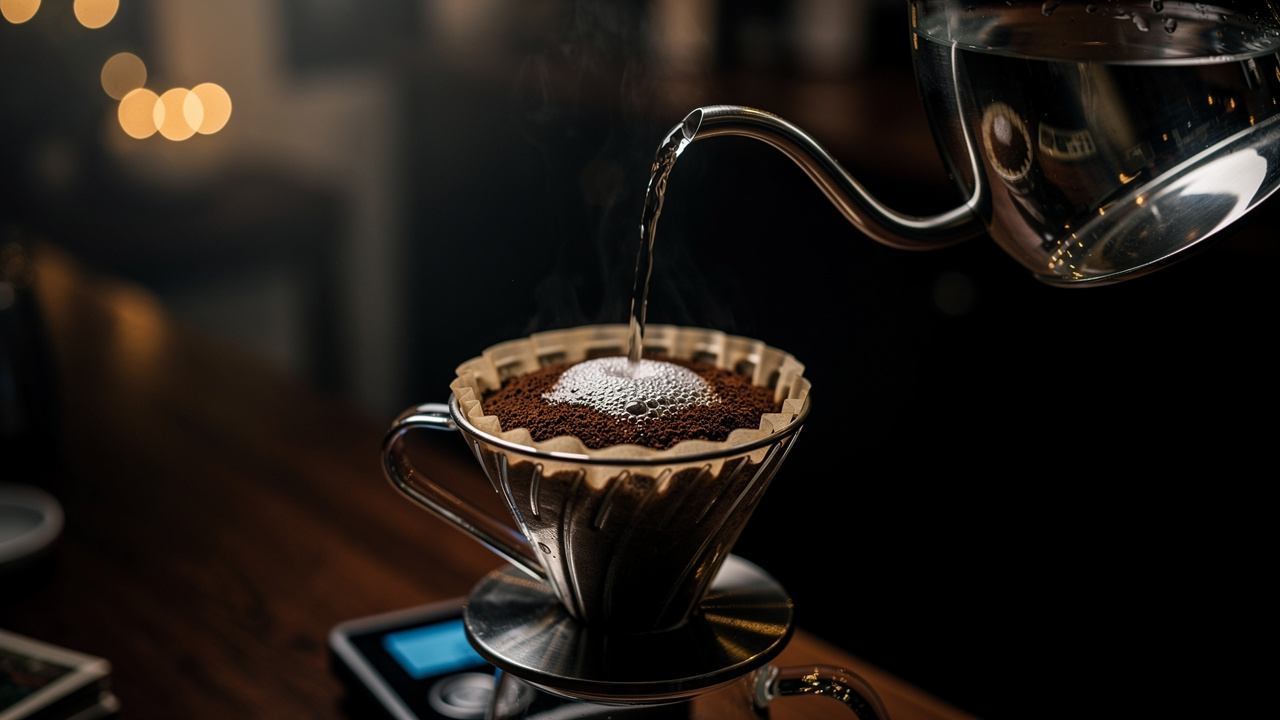
Brew Ratio
Brew ratio is the weight of coffee grounds against the weight of water. Most filter coffee lands between 1:15 and 1:17, or about 15 g of coffee for a 240 ml cup.
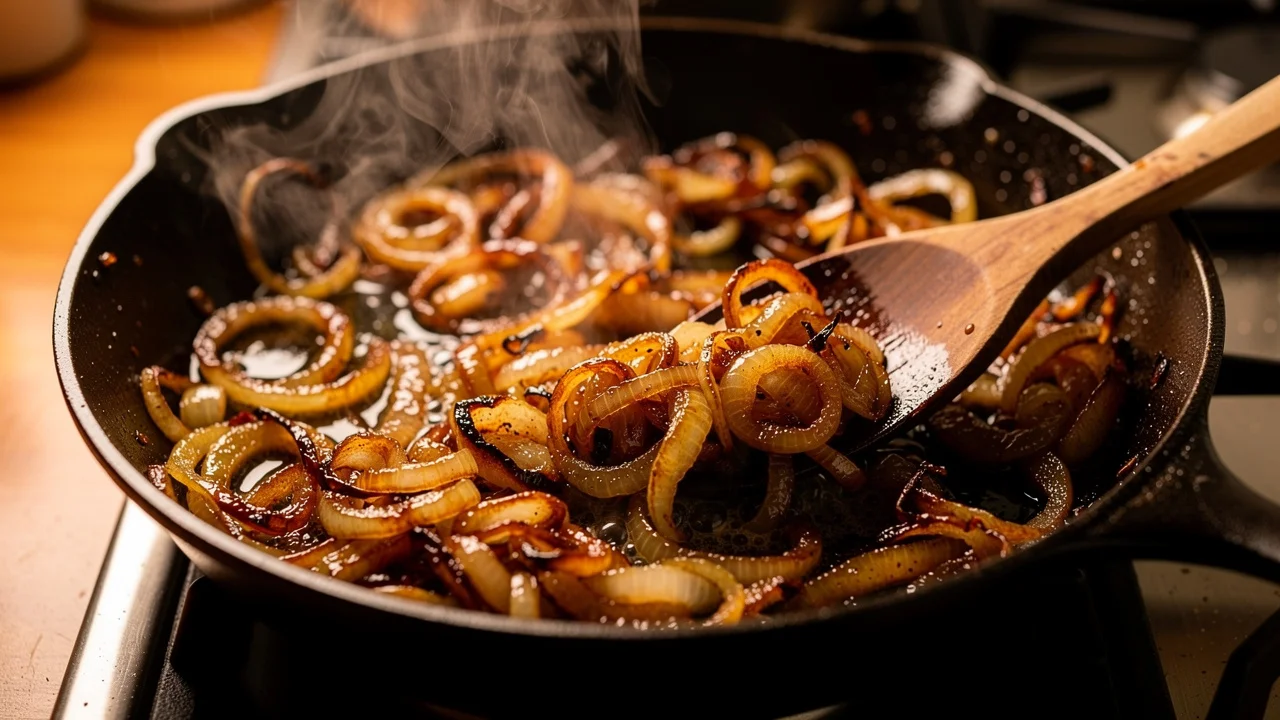
Caramelization
Caramelization is the non-enzymatic browning reaction where sugars break down under heat (from about 110°C for fructose to 160°C for table sugar), creating new flavors, aromas, and golden-to-dark color. Unlike the Maillard reaction, it involves only sugars, no proteins.
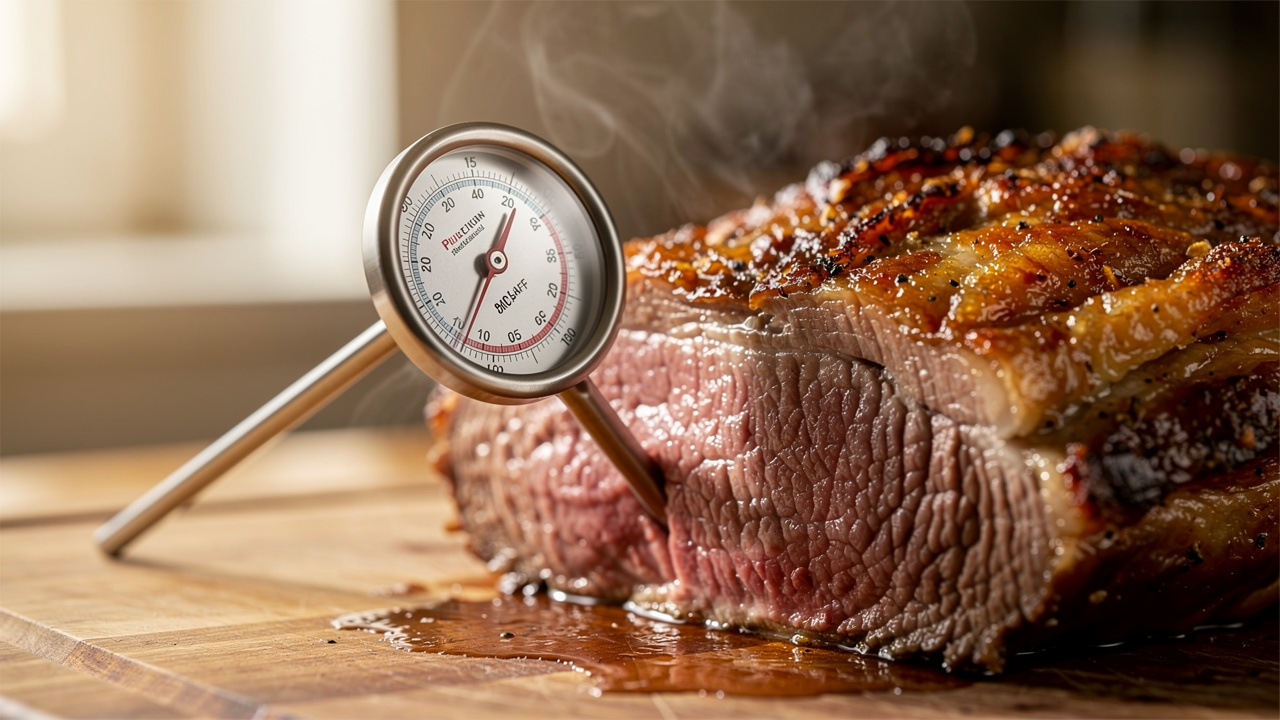
Carryover Cooking
Carryover cooking is the rise in internal temperature that food keeps gaining after it leaves the heat. Pull meat below your target so it lands on it after resting.
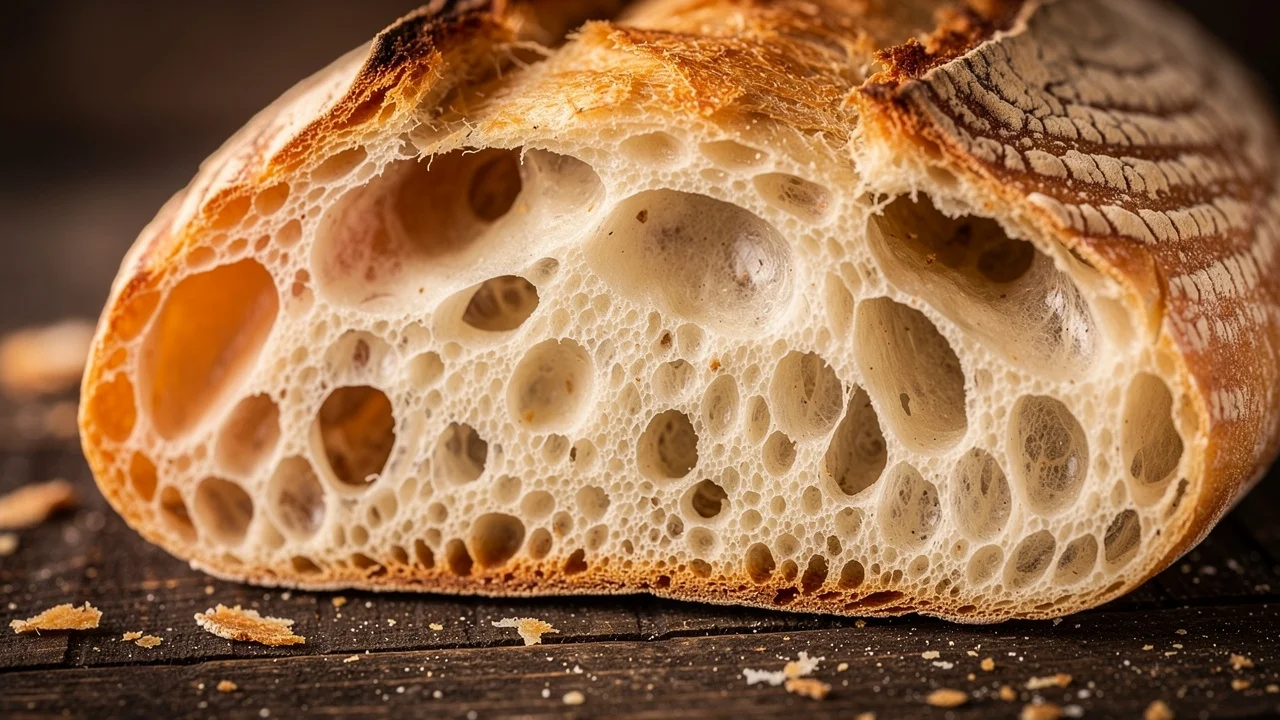
Crumb Structure
Crumb structure is the internal texture of bread: the size, shape and distribution of the holes (alveoli) you see when you slice a loaf, from tight and even in sandwich bread to open and irregular in ciabatta and high-hydration sourdough.
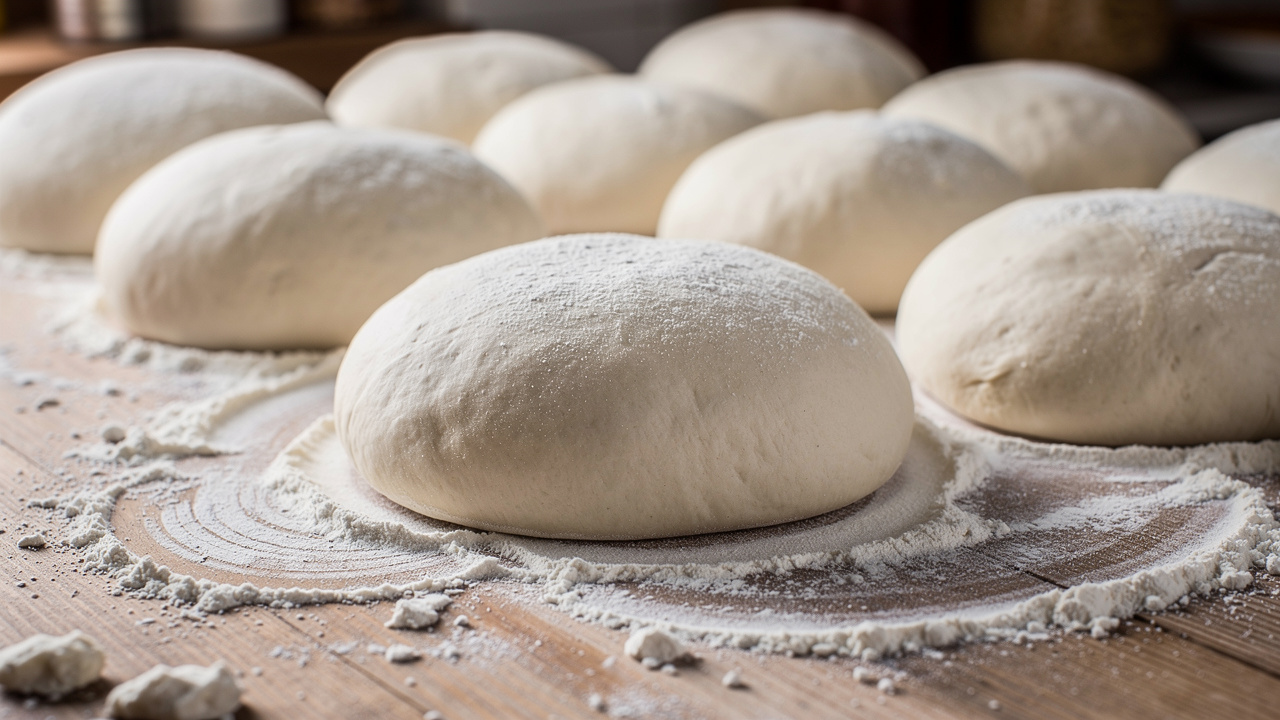
Dough Ball
A dough ball is an individual portion of pizza dough shaped into a smooth sphere after bulk fermentation. Each one becomes a single pizza, at roughly 200-250g for Neapolitan, 280-350g for New York, and 400-600g for Detroit or Sicilian styles.
Fermentation
Fermentation is the metabolic process where bacteria, yeast, or molds convert sugars into acids, alcohol, or gases. It is the basis of bread, yogurt, kimchi, beer, and hundreds of other foods.
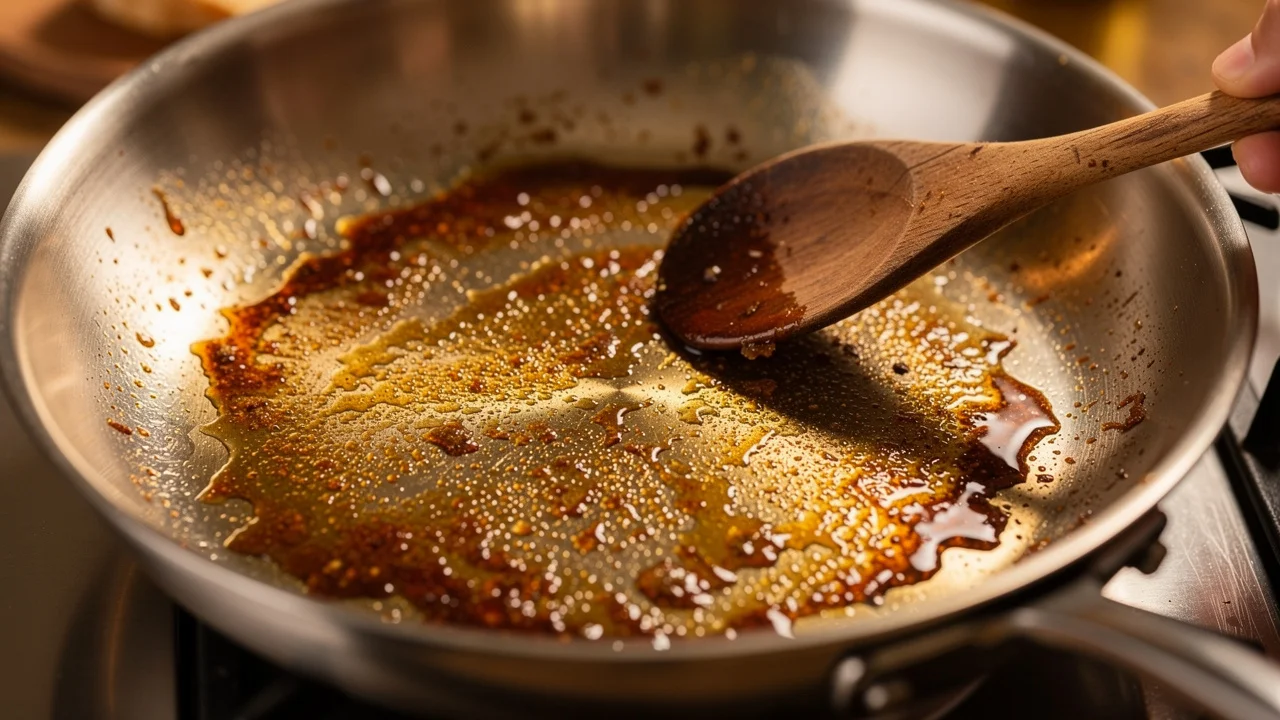
Fond
Fond is the cooking term for the browned bits stuck to the bottom of a pan after searing meat or vegetables. They are Maillard-reaction products, and dissolving them with liquid (deglazing) is the base of pan sauces, gravies and braises.
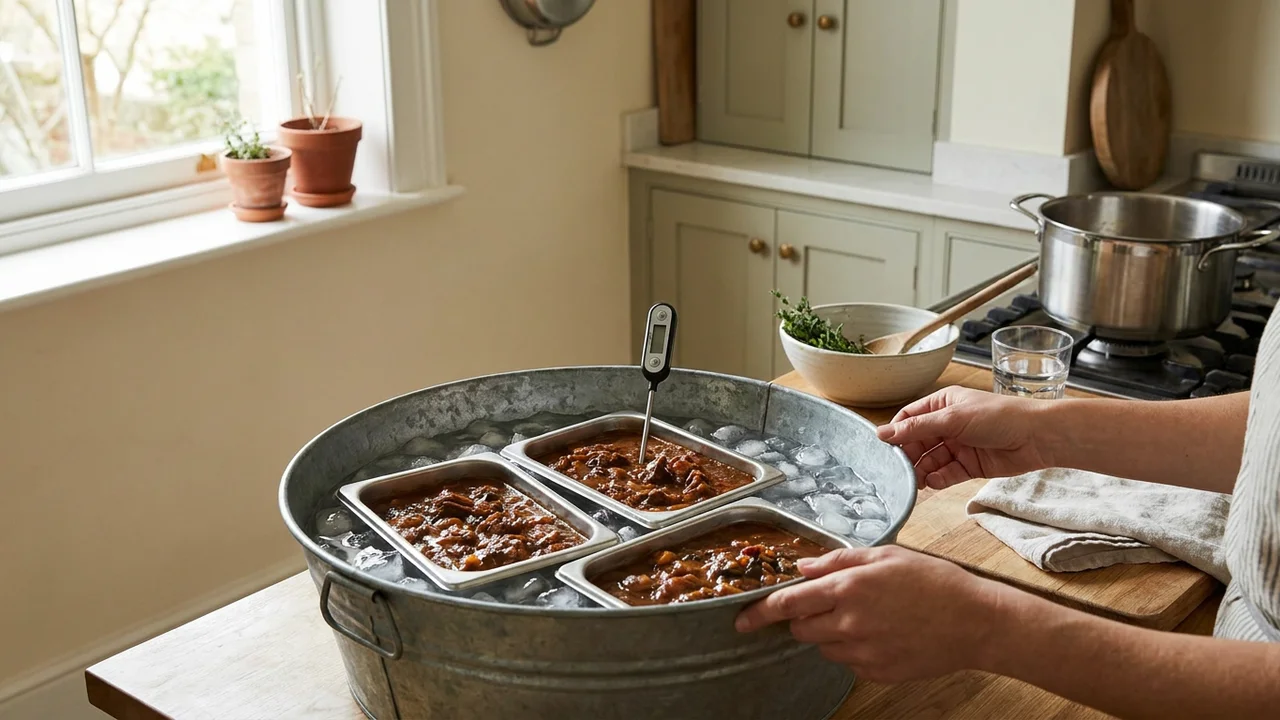
Food Danger Zone
The food danger zone is the temperature range from 4°C to 60°C (40°F to 140°F) where bacteria multiply fastest, doubling in as little as 20 minutes. Perishable food should not sit there for more than 2 hours total.
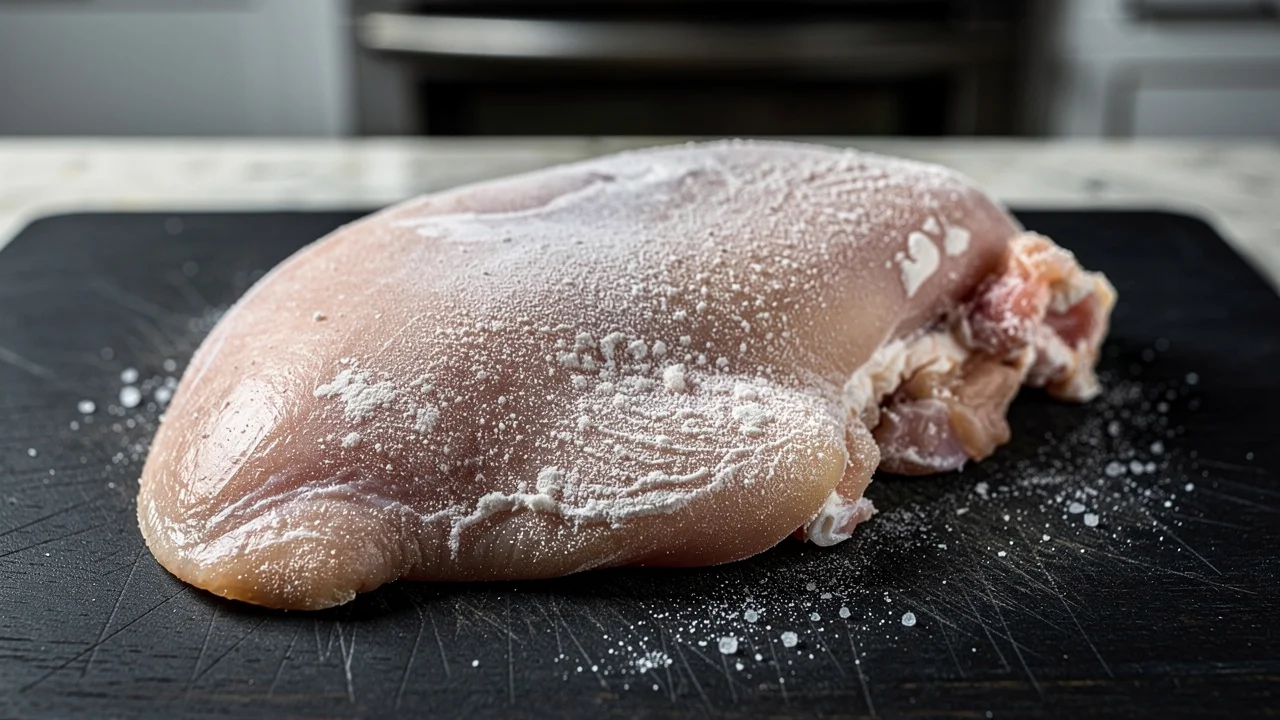
Freezer burn
Freezer burn is the dry, discolored patches that form on frozen food when moisture escapes from the surface into the freezer's air. It's a quality issue, not a safety one. Tight wrapping, airtight containers and a freezer held at 0°F (-18°C) keep it in check.
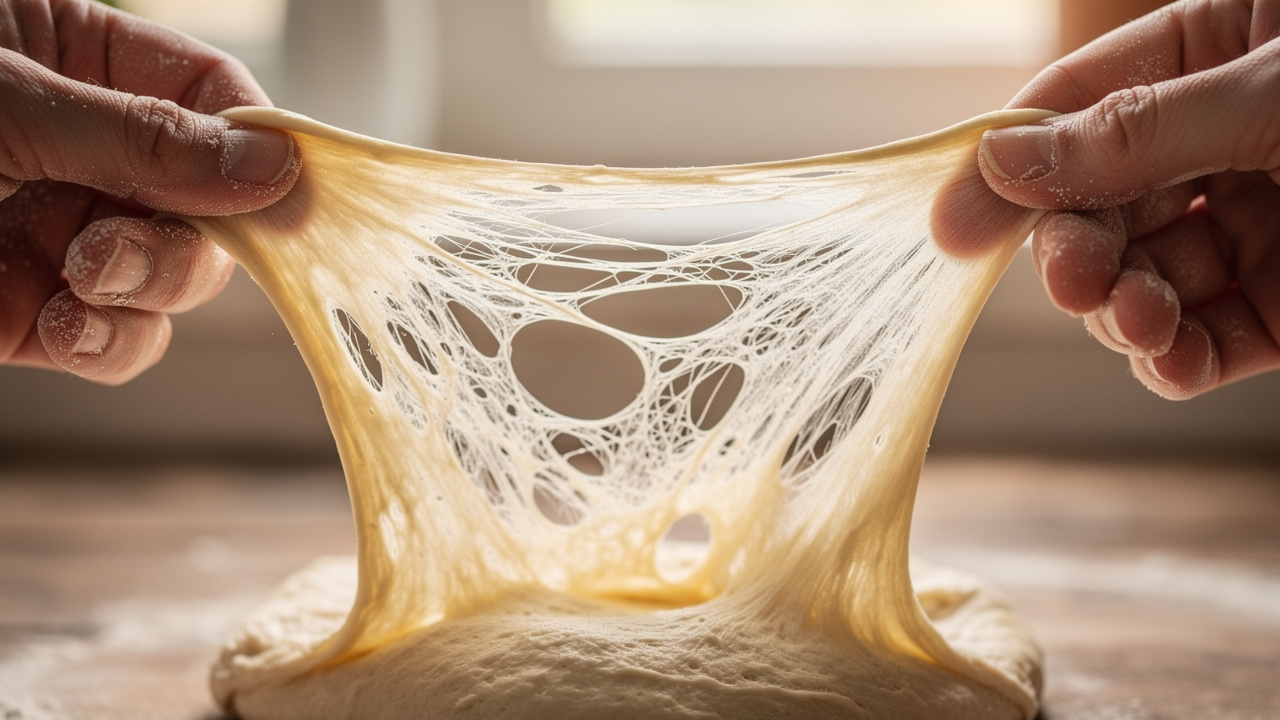
Gluten Development
Gluten development is the process of building a stretchy protein network in dough through kneading, folding, or time — required for bread to rise, hold structure, and develop chew.
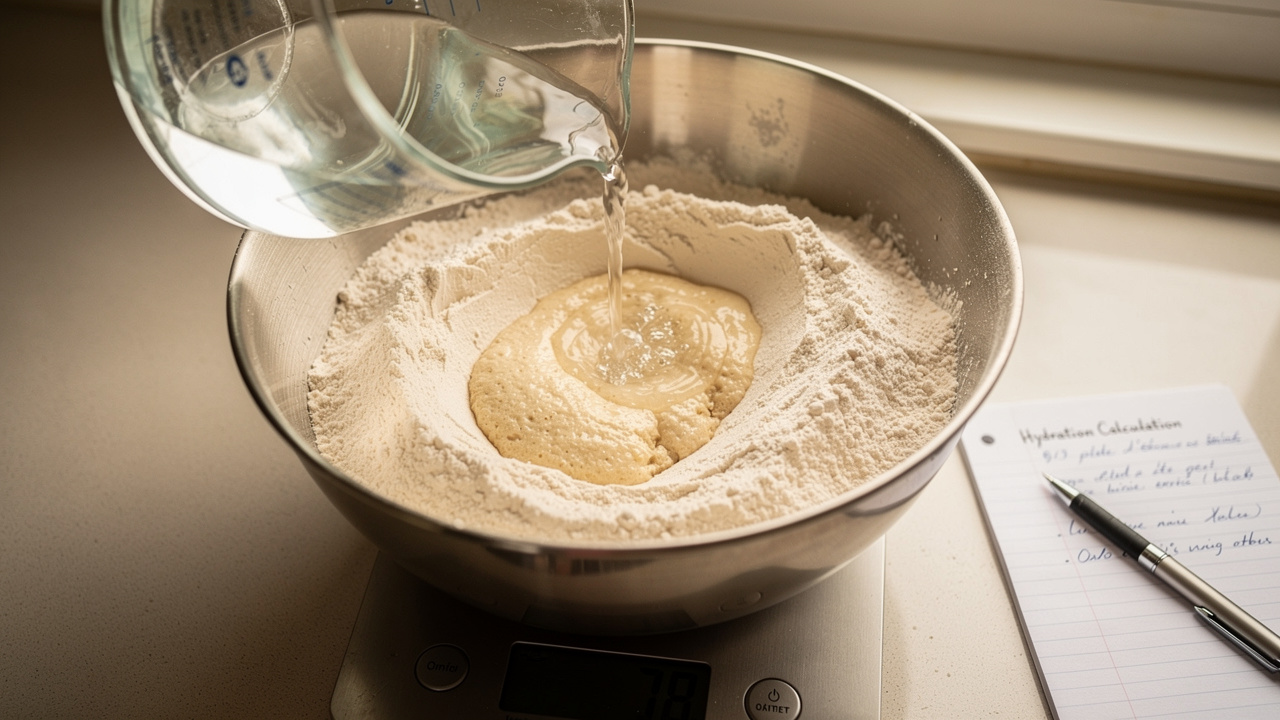
Hydration (Bread)
Bread hydration is the weight of water in a dough expressed as a percentage of the flour weight: 700 g of water with 1,000 g of flour is a 70% hydration dough. Higher hydration opens the crumb; lower hydration tightens it.
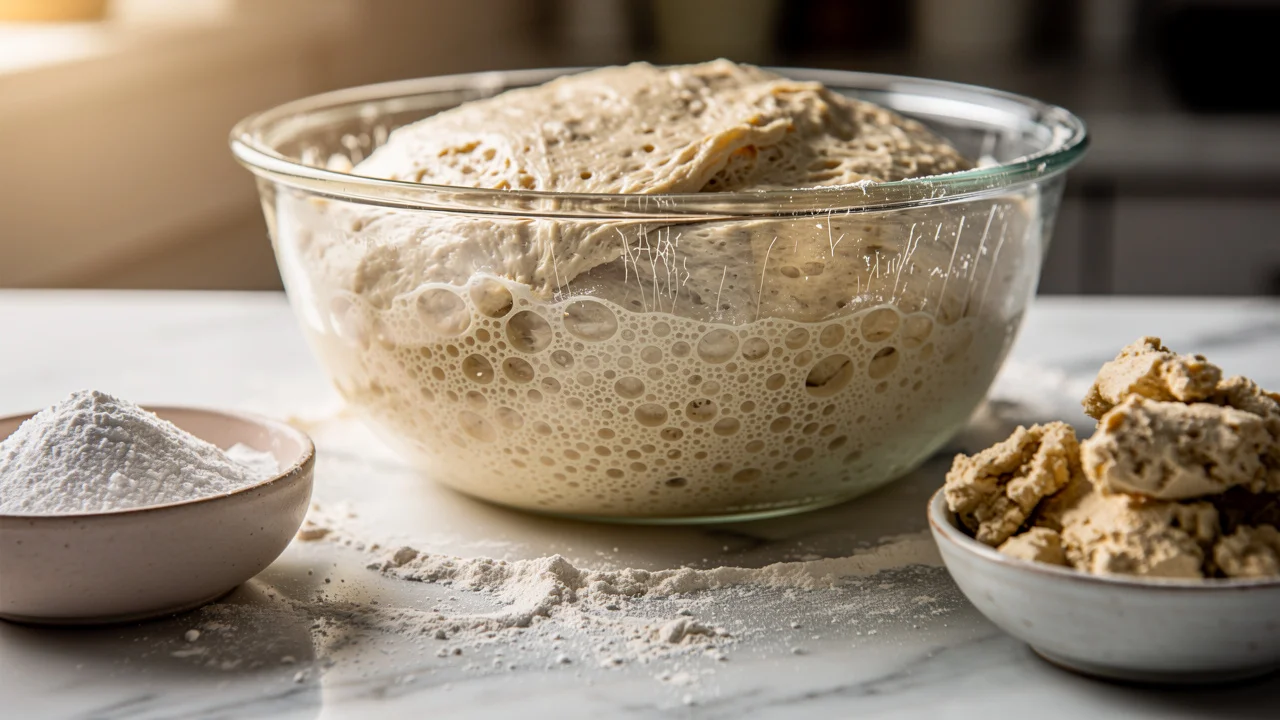
Leavening Agents
Leavening agents are substances or techniques that put gas into a dough or batter so it rises and softens. They fall into three groups: biological (yeast, sourdough), chemical (baking soda, baking powder) and mechanical (whipped eggs, creaming, steam from lamination).
Maillard Reaction
The Maillard reaction is the browning that happens when amino acids meet reducing sugars under heat. It builds the crust on a seared steak and the smell of roasting coffee.
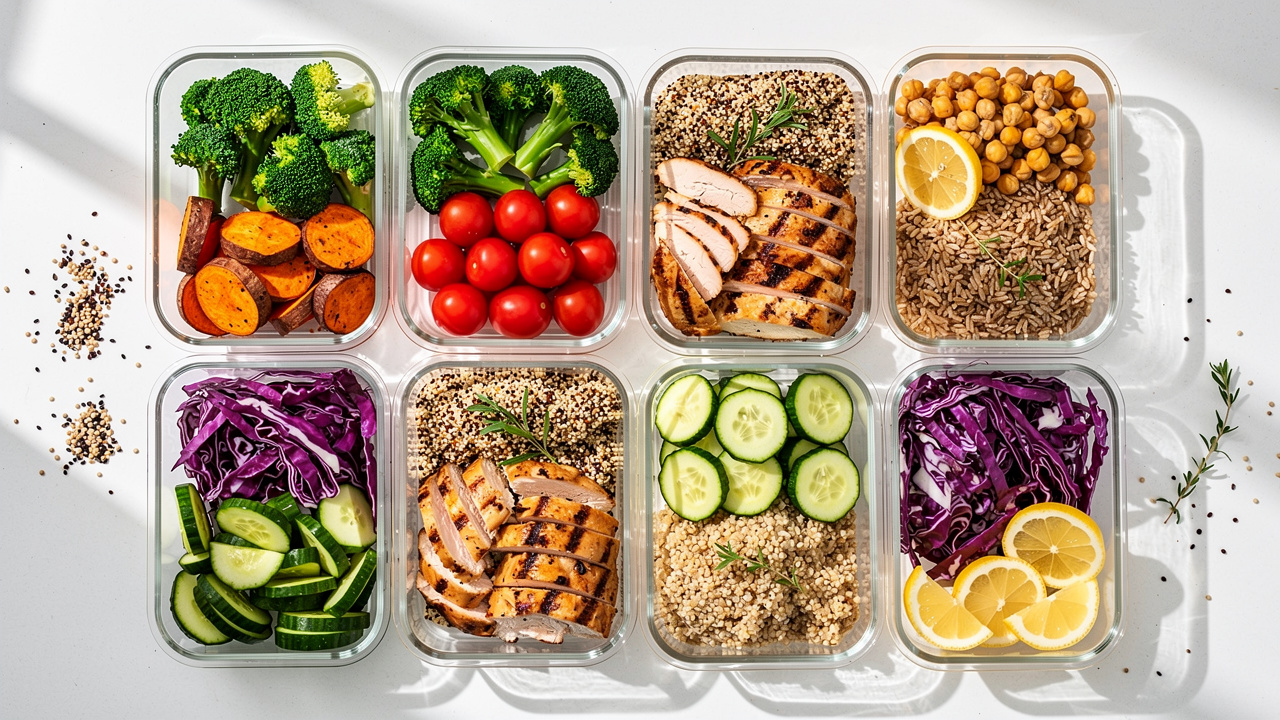
Meal Prep
Meal prep is the practice of cooking and portioning meals or meal components in advance, typically in one 2-3 hour session for the week ahead. There are four types (full meals, components, ingredients, freezer), and the easiest way to start is prepping lunches only.
Medium Rare
Medium rare is a steak doneness cooked to an internal temperature of 130-135°F (54-57°C): a warm red-pink center, juicy texture, and the doneness most steakhouses and chefs treat as the default.
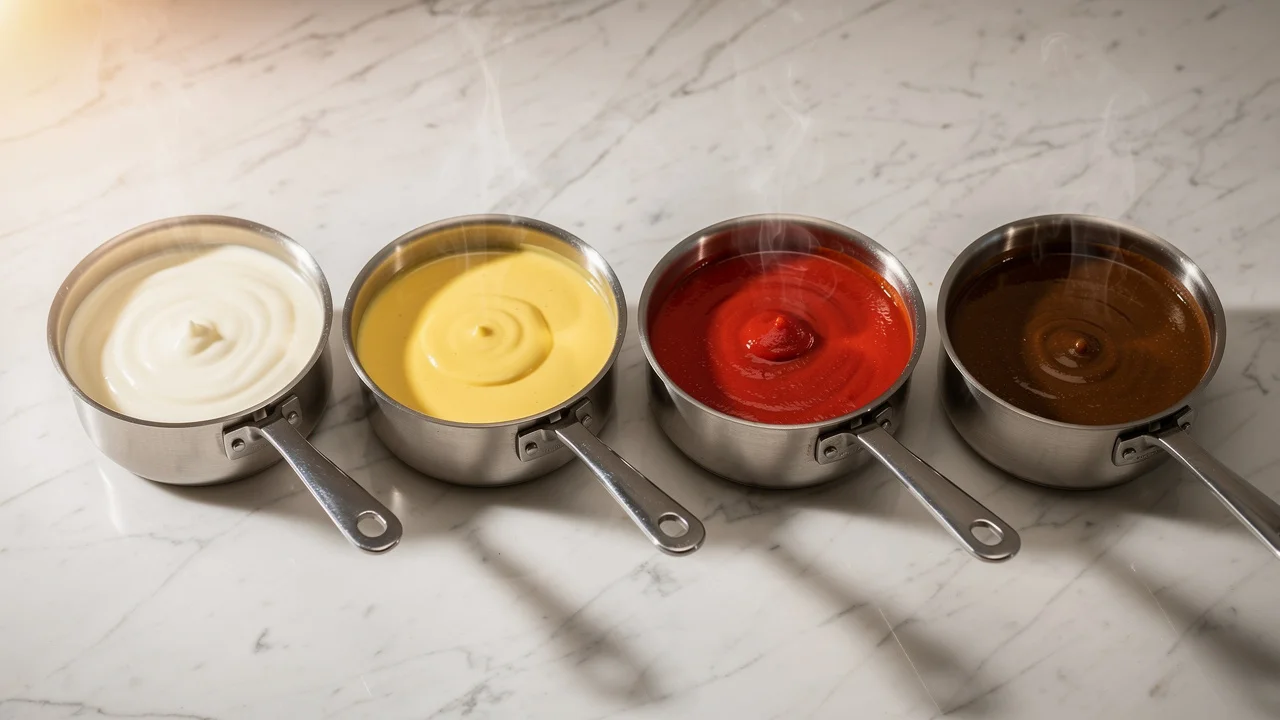
Mother Sauces
The mother sauces are the five foundational sauces of French cooking (bechamel, veloute, espagnole, hollandaise and tomato) from which hundreds of daughter sauces derive. The list is usually credited to Auguste Escoffier and Le Guide culinaire.
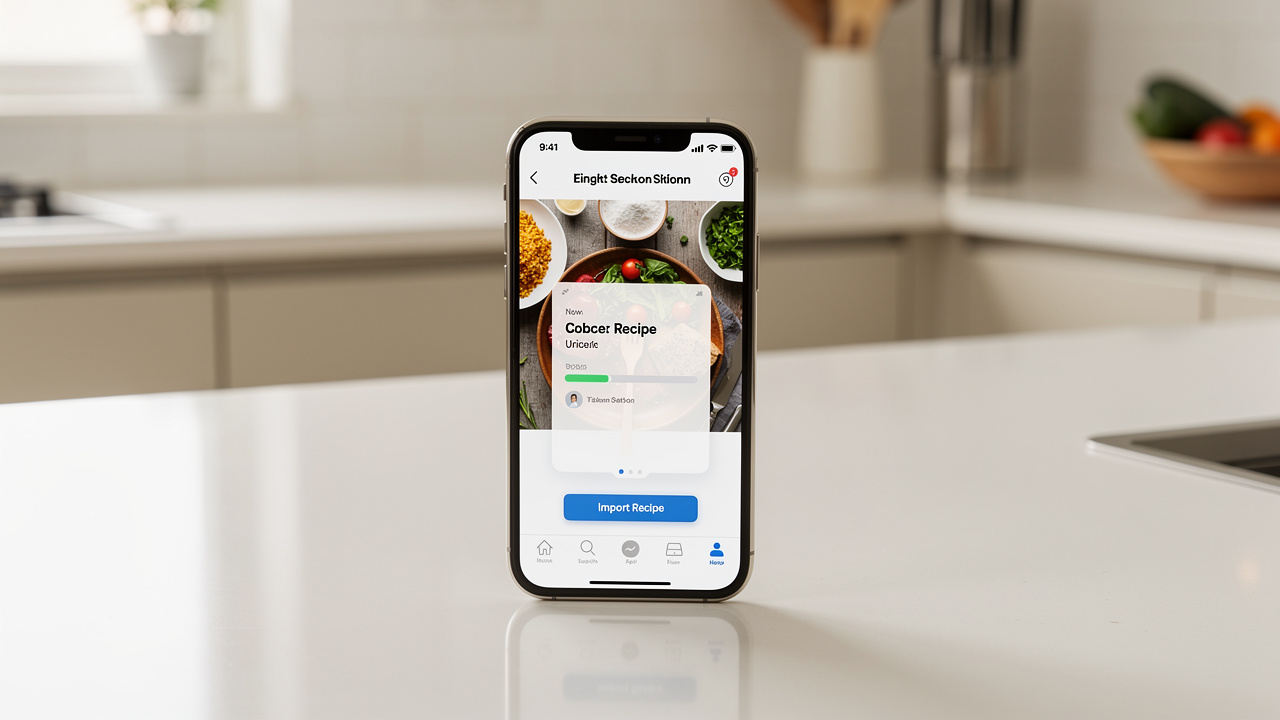
Recipe Import
Recipe import is the ability to save recipes from websites, photos, cookbooks, or other apps into your recipe manager automatically — with ingredients, quantities, units, and steps properly parsed for scaling, shopping lists, and cook mode.
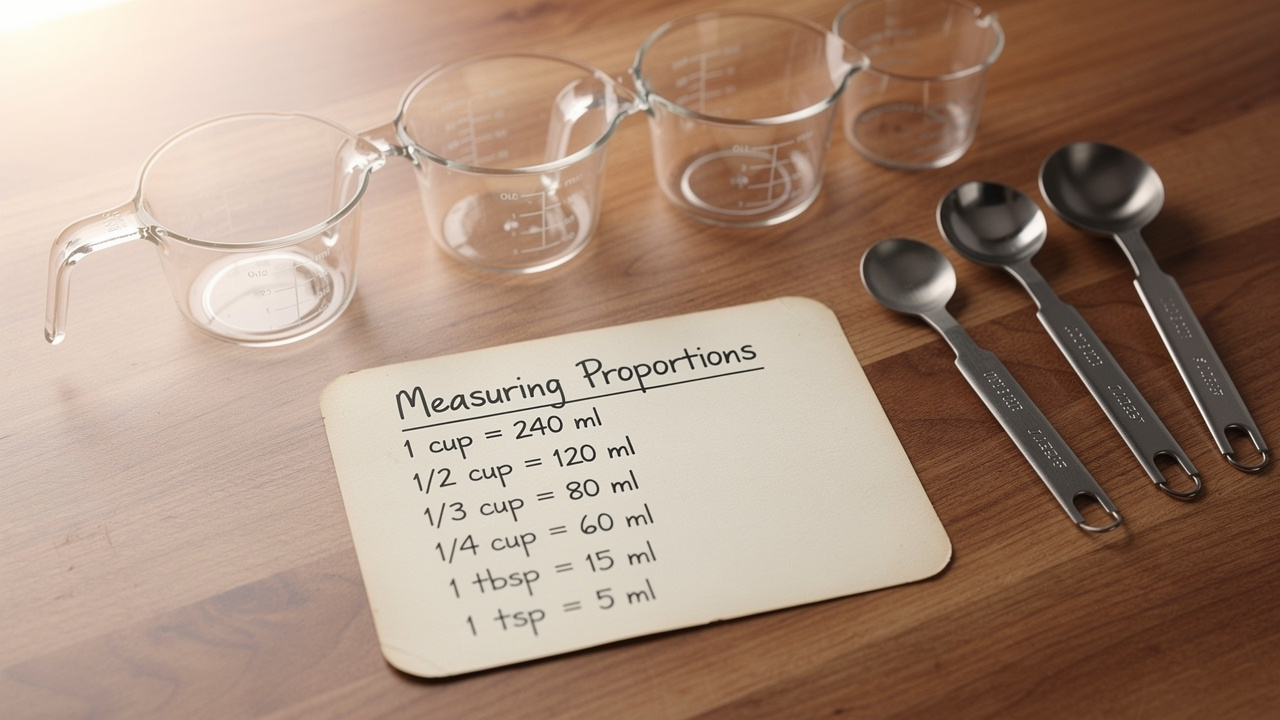
Recipe Scaling
Recipe scaling means multiplying or dividing every quantity in a recipe by one factor to change the number of servings. Most ingredients scale cleanly; seasoning, leavening, pan size, and cooking time need judgment.
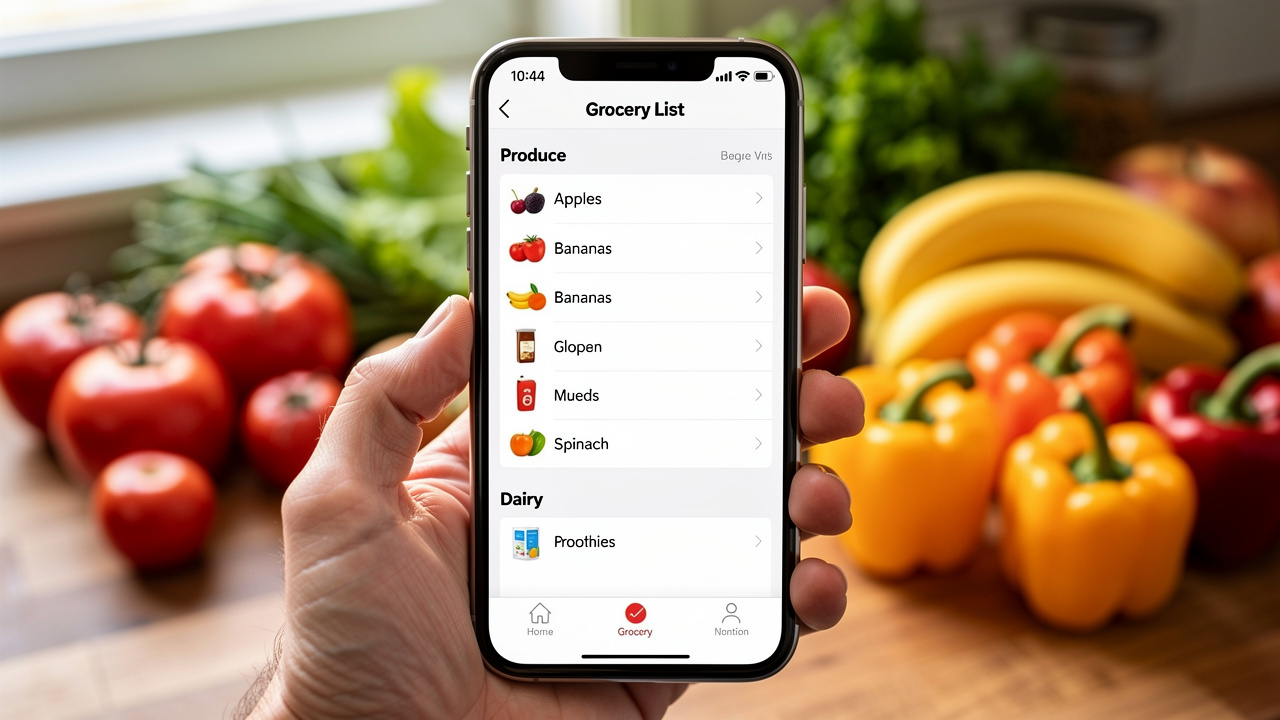
Smart Shopping List
A smart shopping list is an automatically generated grocery list that combines ingredients from multiple recipes, merges duplicates, converts units, and organizes by store aisle.
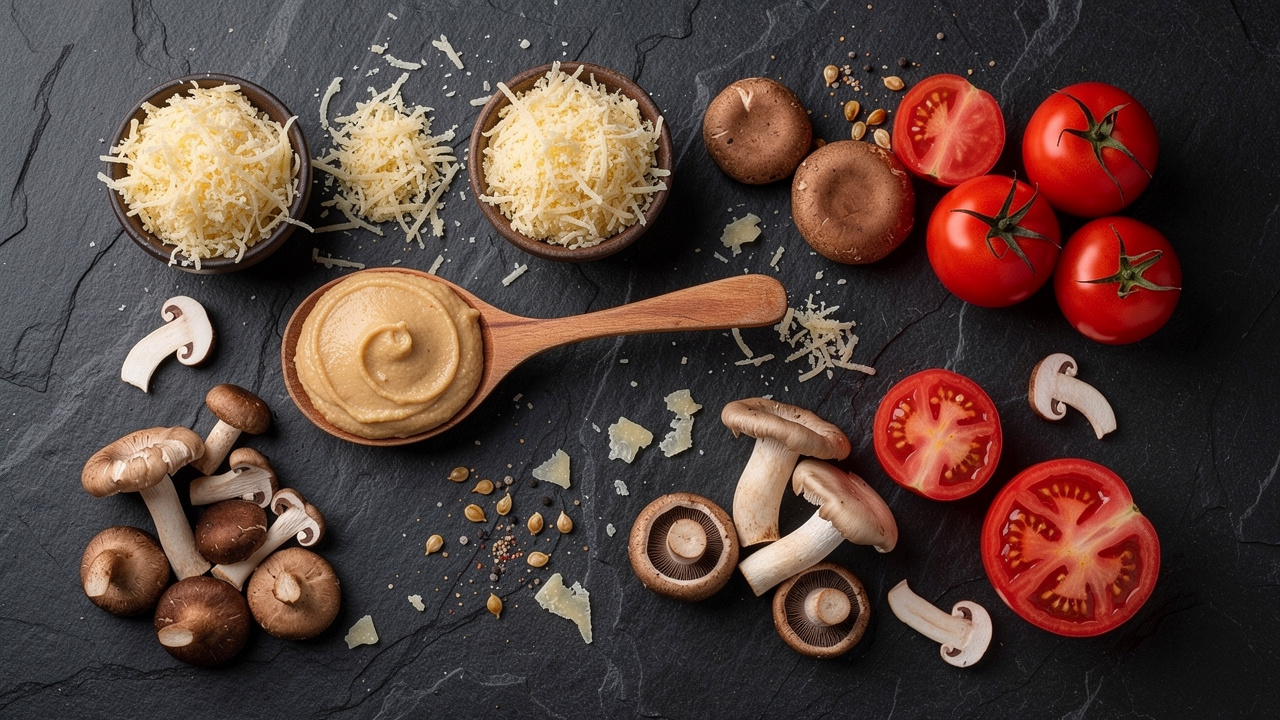
Umami
Umami is the savory basic taste produced by free glutamate, plus two nucleotides that amplify it. It coats the tongue, lingers for minutes, and keeps saliva flowing.
Ingredients
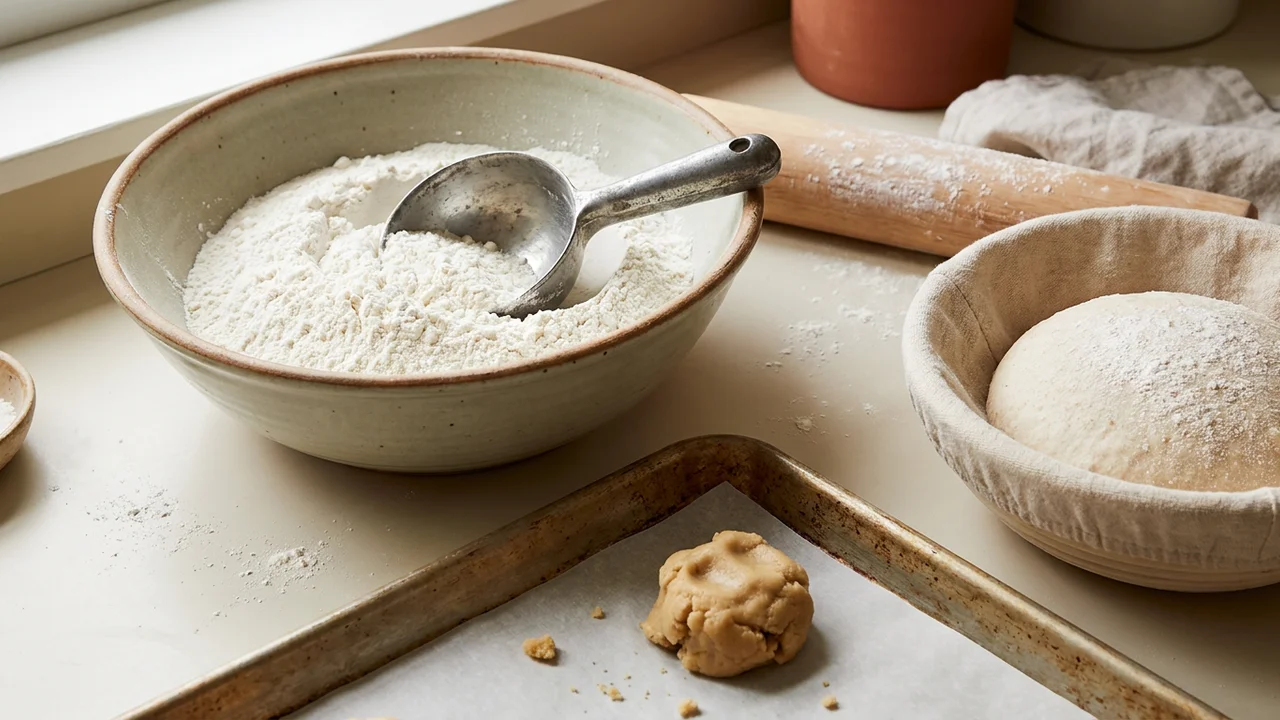
All-Purpose Flour
All-purpose flour (AP flour) is white wheat flour milled to a middle protein content of about 9-12%, strong enough for bread and cookies but soft enough for cakes. It is the flour a recipe means when it says only "flour", and the same product as plain flour or harina de trigo.
Bread Flour
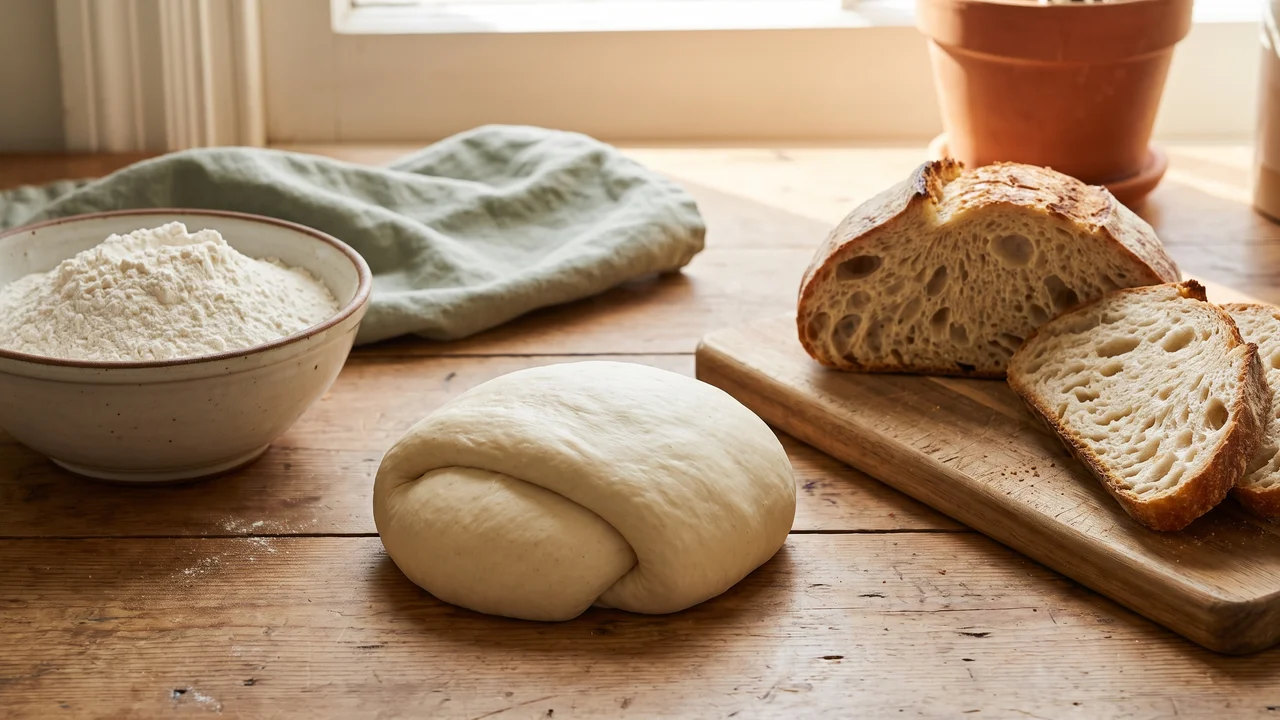
Bread flour has more gluten-forming potential than typical all-purpose flour. It can make dough stronger and chewier, but protein levels and performance vary by brand.
Clarified Butter
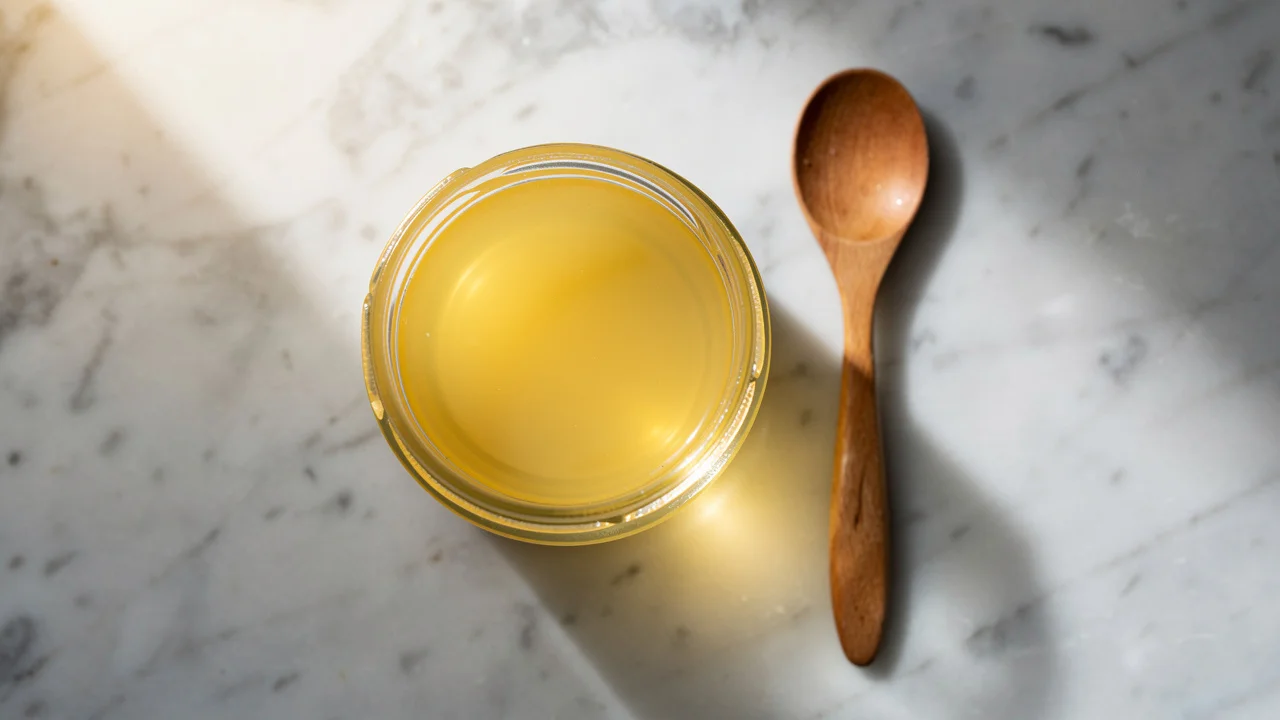
Clarified butter is butter with the water and milk solids removed, leaving pure golden fat with a 230-250°C (450-480°F) smoke point, used for sauces, sautéing, popcorn, and high-heat cooking.
Ghee
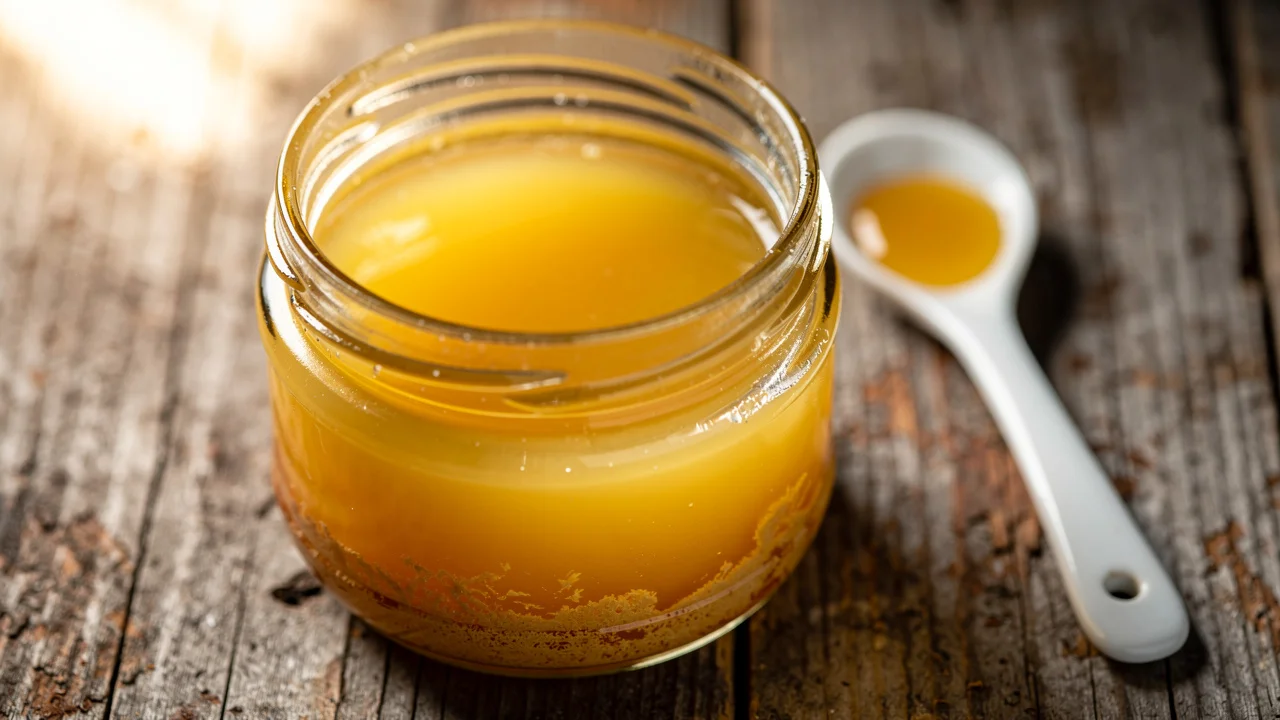
Ghee is a clarified butter cooked until the milk solids brown, giving it a nutty aroma, a 250°C / 485°F smoke point, and a long shelf life without refrigeration.
Kosher Salt
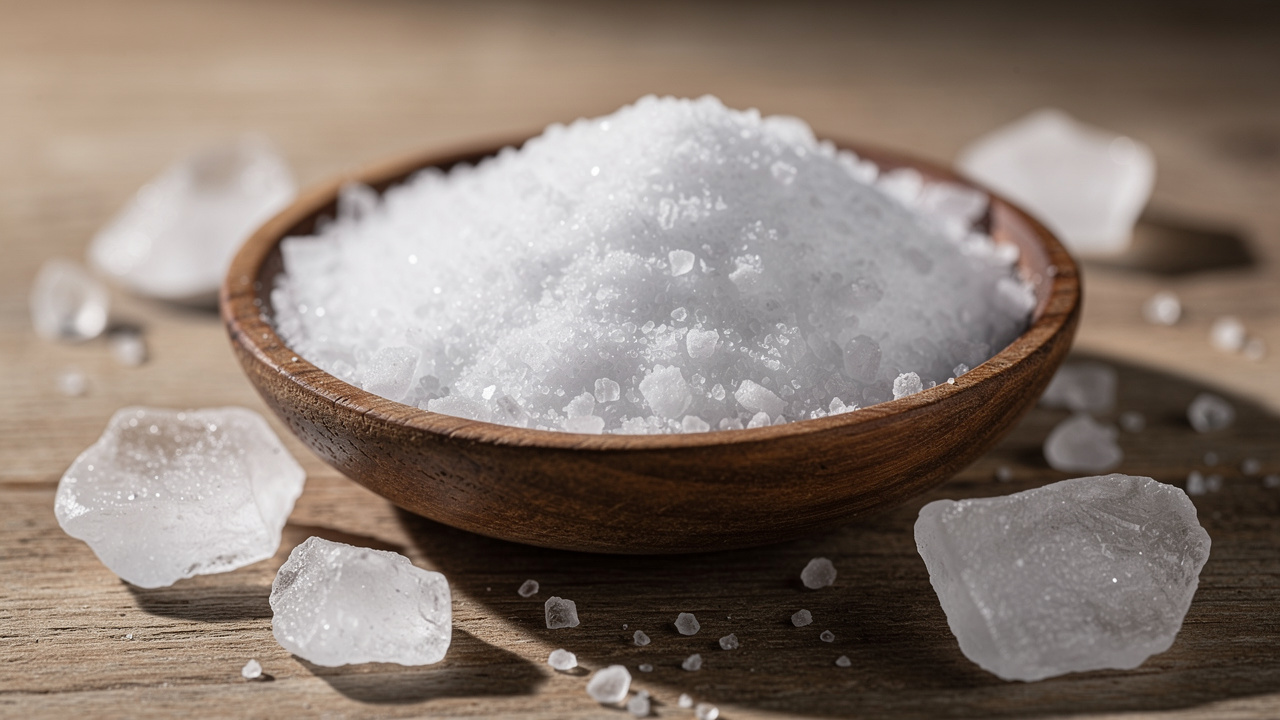
Kosher salt is a coarse-grained salt with large, flat crystals and no additives — preferred by chefs because it pinches easily, dissolves cleanly, and seasons more evenly than fine table salt.
Olive Oil
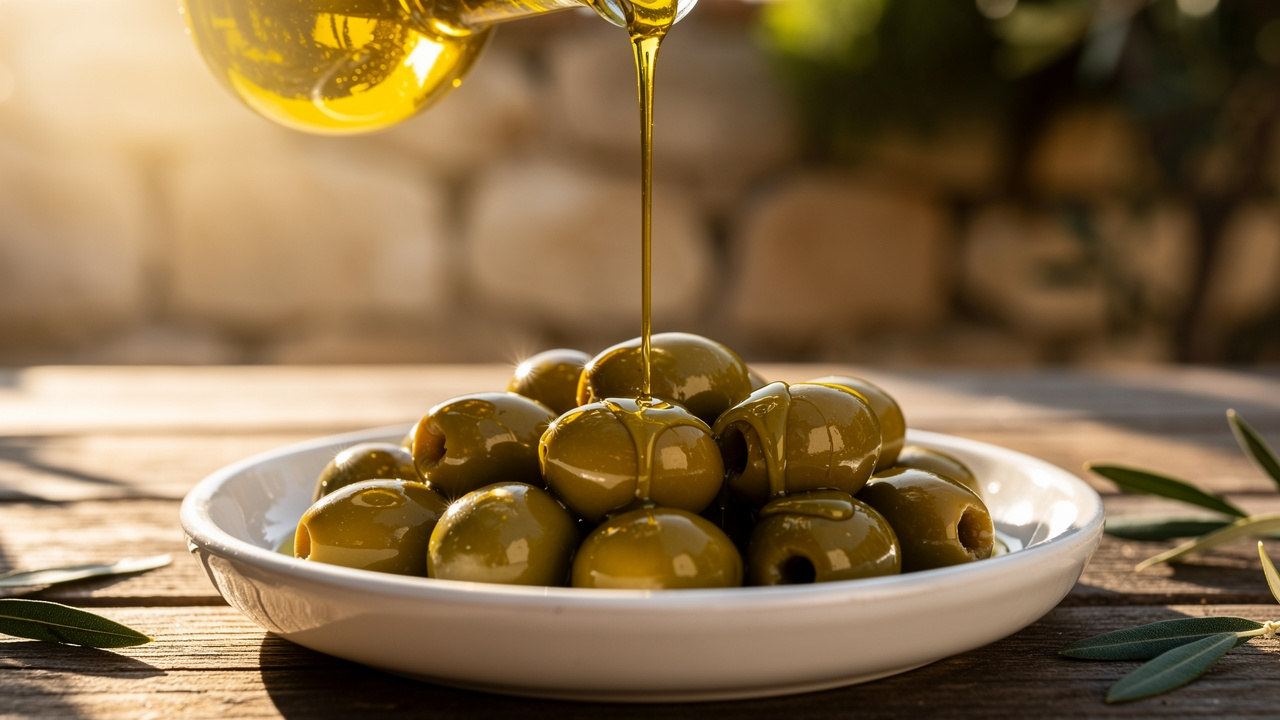
Olive oil is a cooking fat pressed from olives, sold in grades set by the International Olive Council: extra virgin (free acidity at most 0.8 %), virgin (at most 2 %), refined-and-virgin blends labelled "olive oil", and pomace oil. Which one is best for cooking depends on heat and on whether you want the flavor to survive.
Semolina
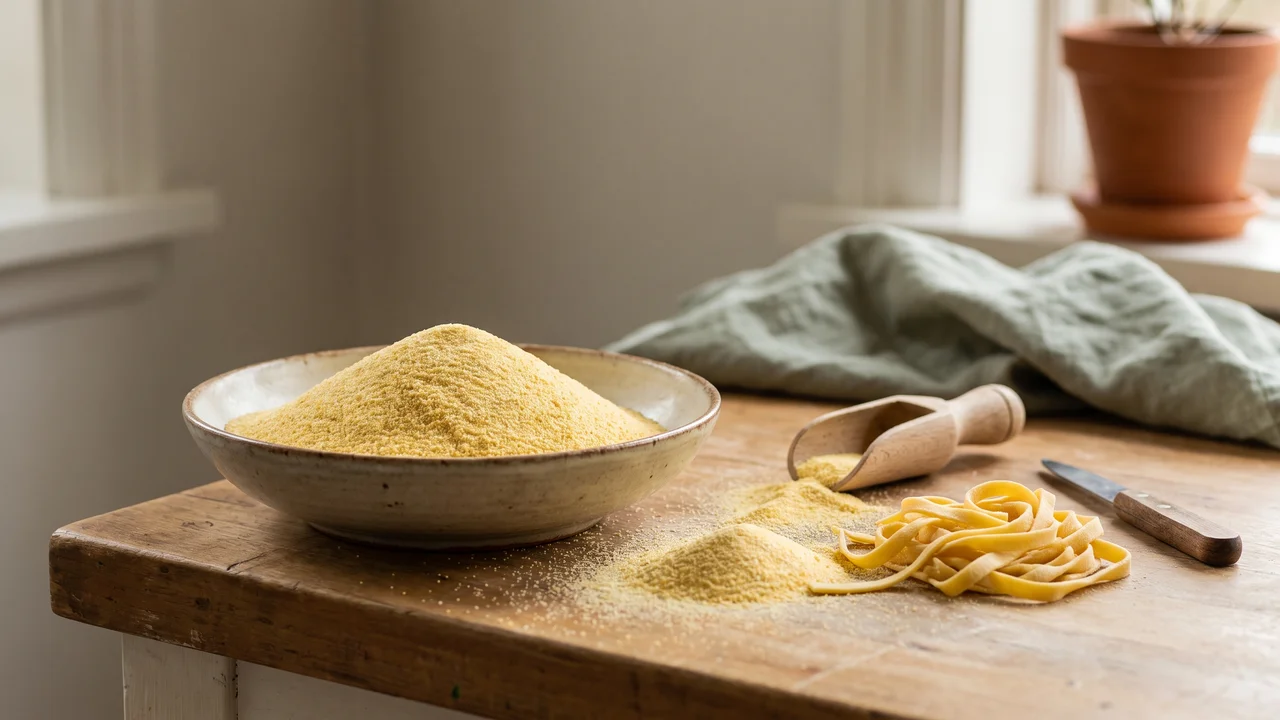
Semolina is a coarse, golden flour milled from the endosperm of durum wheat, high in protein and gluten, used for dried pasta, couscous, bread and dusting pizza peels. Durum flour is the same wheat ground finer; cornmeal is a different grain.
Sourdough Starter
A sourdough starter is a living culture of wild yeast and lactic acid bacteria, kept alive with regular feedings of flour and water, that leavens bread without commercial yeast.
Stock vs. Broth
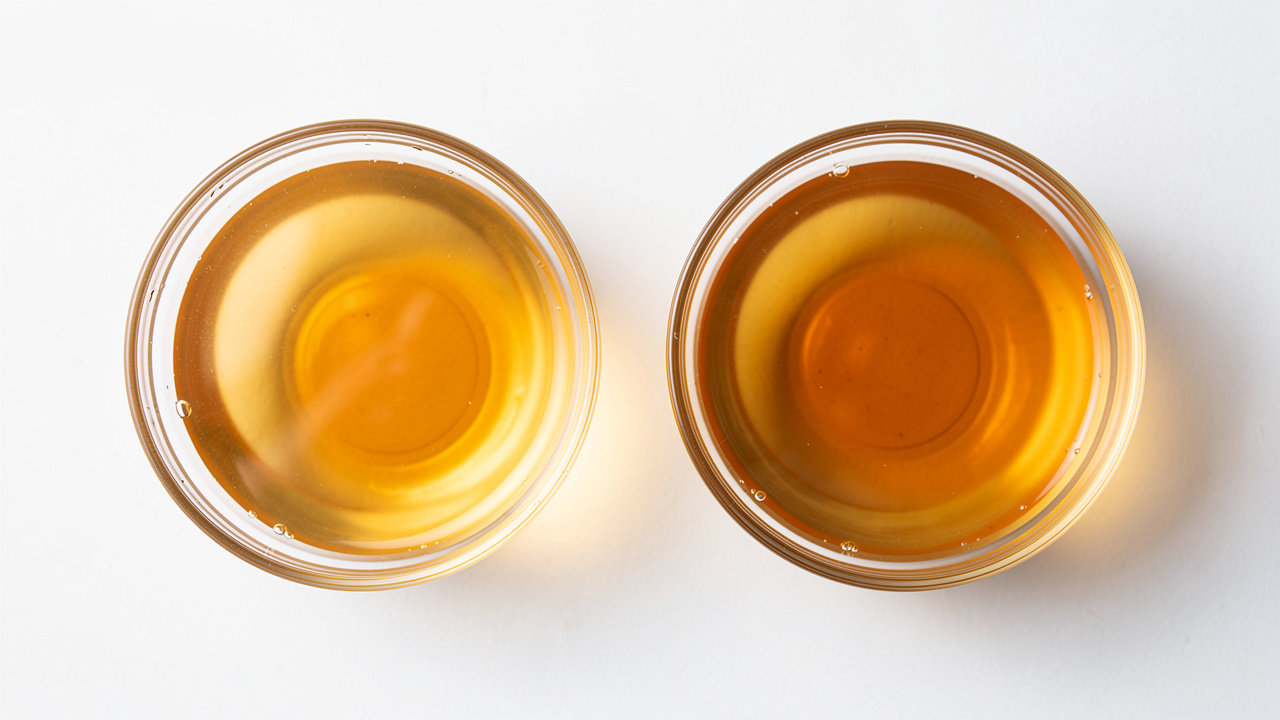
Stock is bones and connective tissue simmered for hours until the liquid is rich in gelatin; broth is meat simmered briefly and seasoned to be eaten as is. Use stock where liquid reduces, broth where liquid is the dish.
Yeast Types
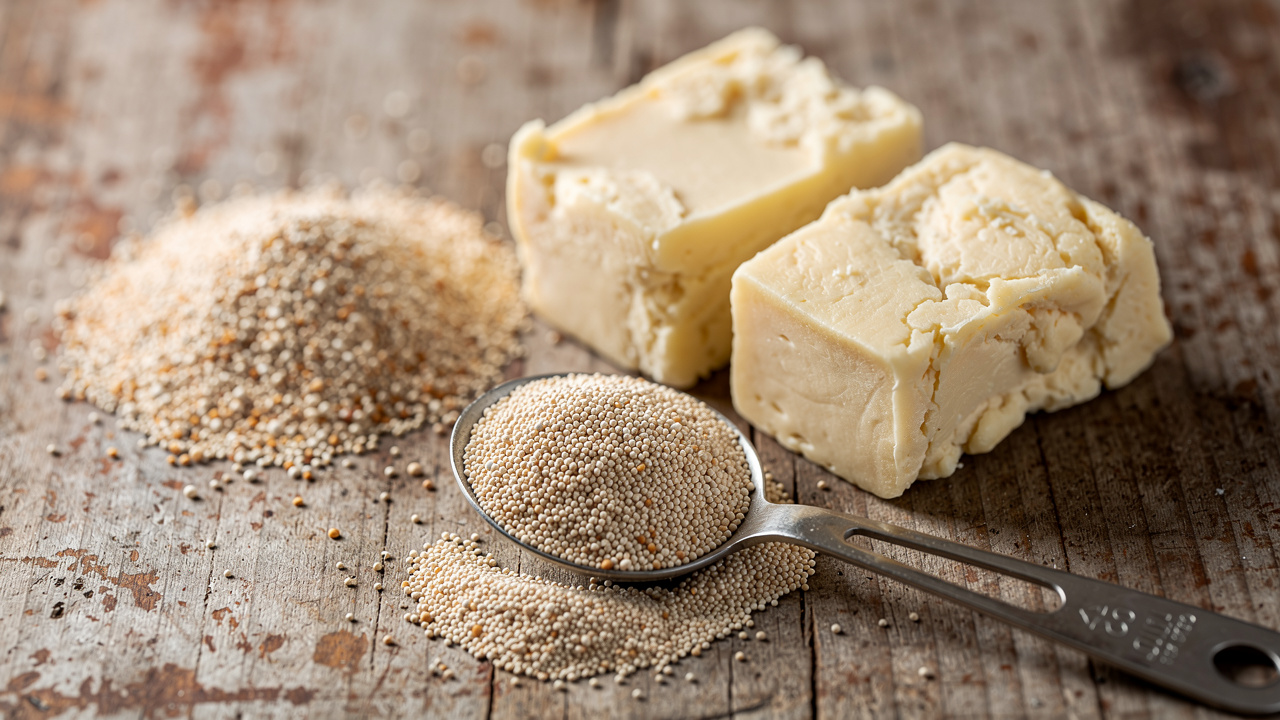
Active dry, instant and fresh yeast are the same organism, Saccharomyces cerevisiae, processed differently. Instant goes straight into the flour, active dry is rehydrated first, and fresh is used at about three times the weight of dry.
Tools
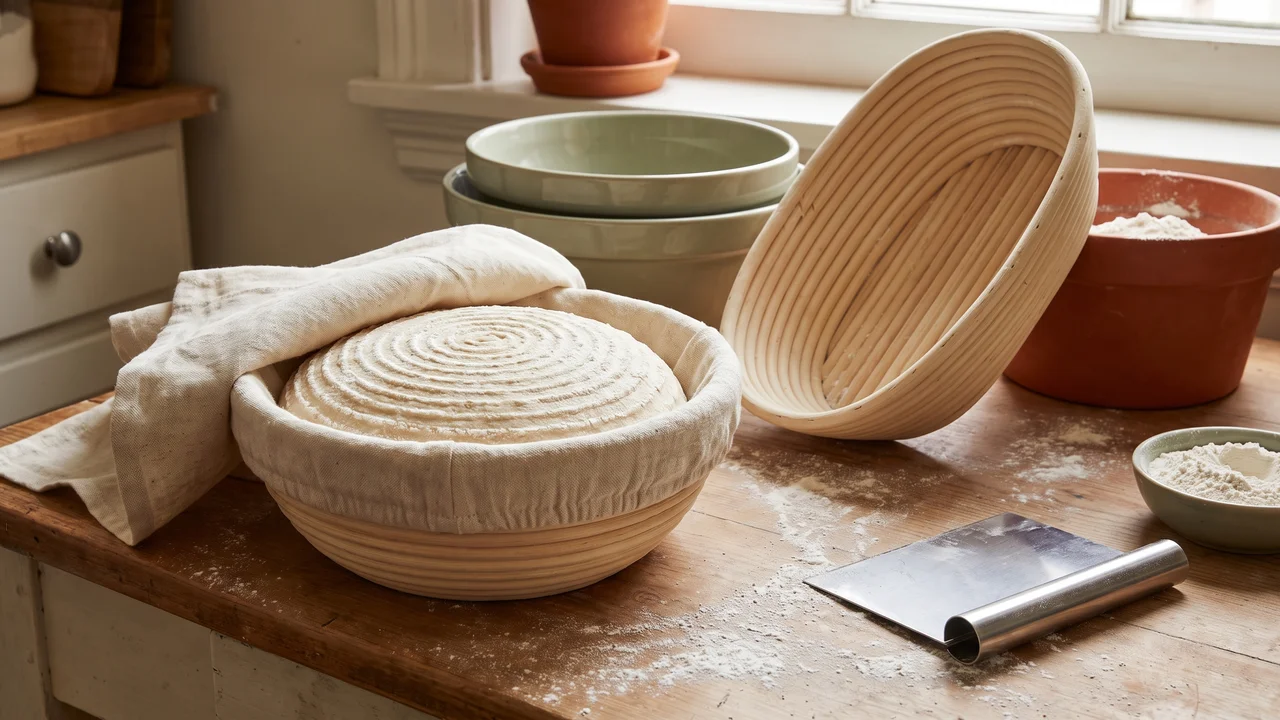
Banneton
A banneton is a rattan proofing basket that holds shaped bread dough during its final rise, wicking moisture from the surface so the loaf holds shape, scores cleanly, and wears spiral flour rings.
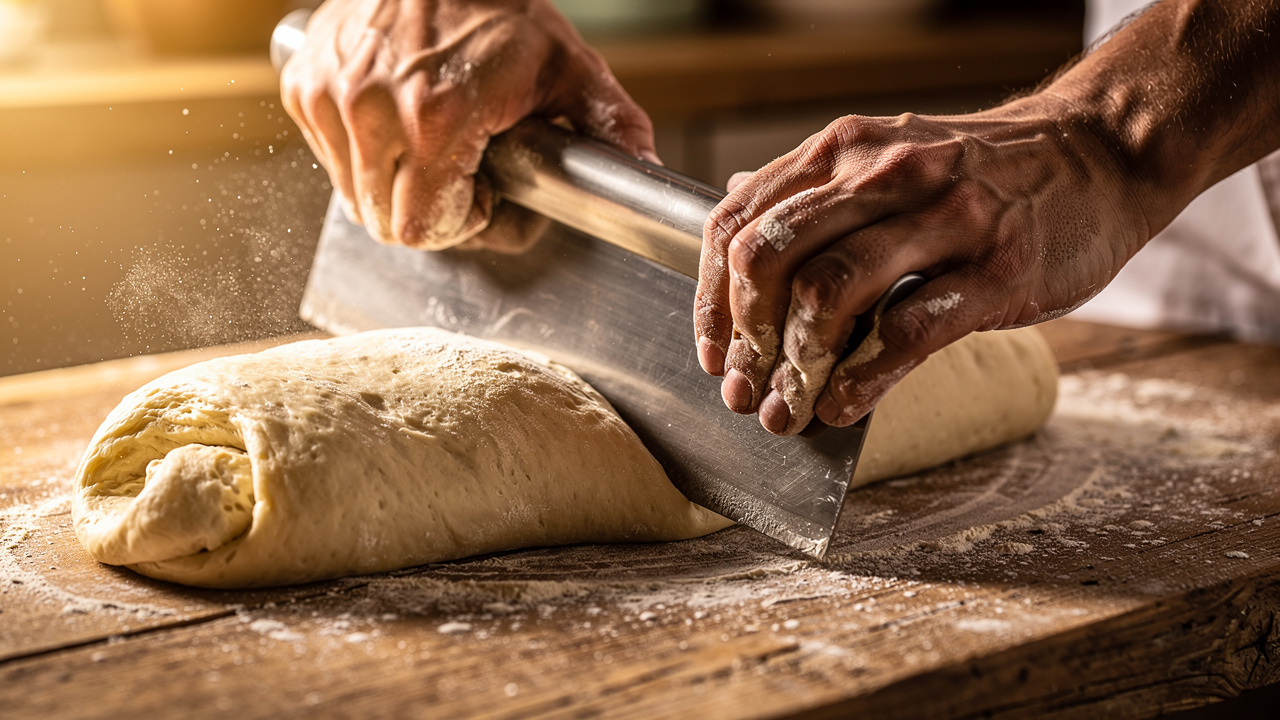
Bench Scraper
A bench scraper is a flat metal or plastic blade (typically 6×4 inches) used to cut, portion, and handle dough, and to keep your work surface clean. It is also called a dough scraper or bench knife.
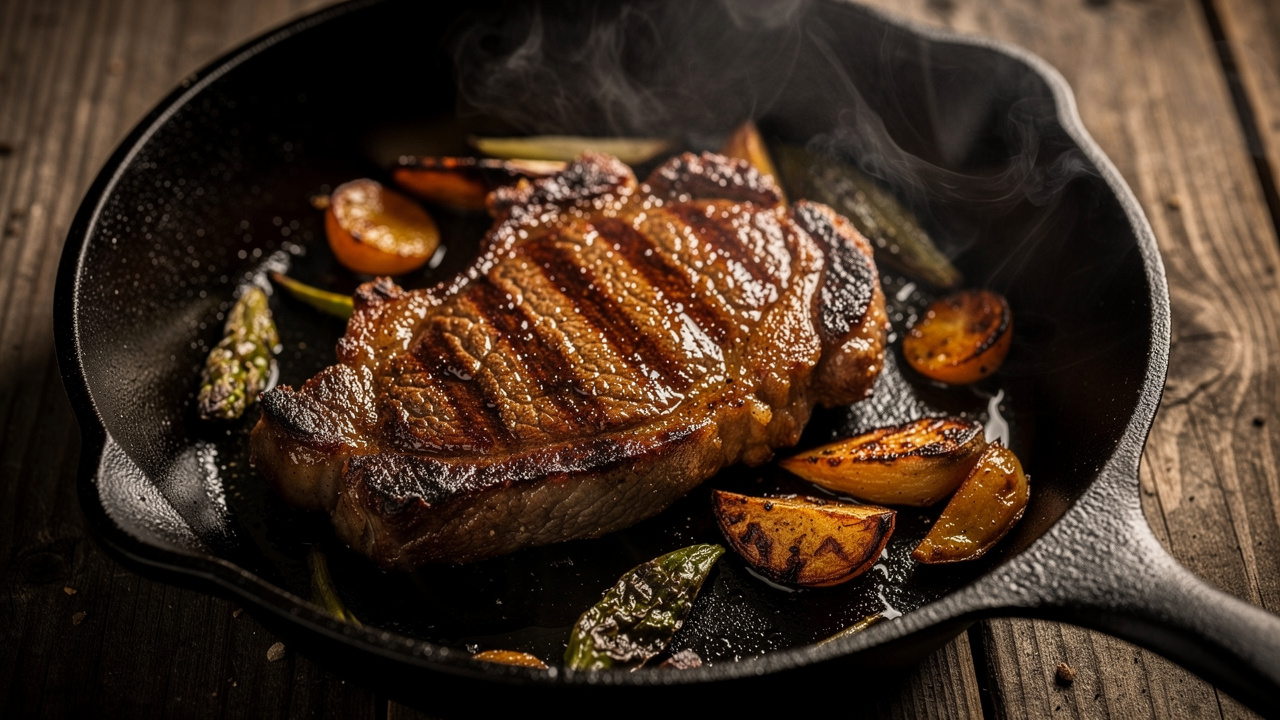
Cast Iron Skillet
A cast iron skillet is a heavy 2-4 kg pan made from molten iron poured into a sand mold, prized for its heat retention, oven-to-stovetop versatility, and the natural non-stick surface (seasoning) that develops with use.
Dutch Oven
A Dutch oven is a heavy, thick-walled pot with a tight-fitting lid, usually cast iron, used for braising, baking bread, soups and stews, and deep frying, on the stovetop or in the oven.
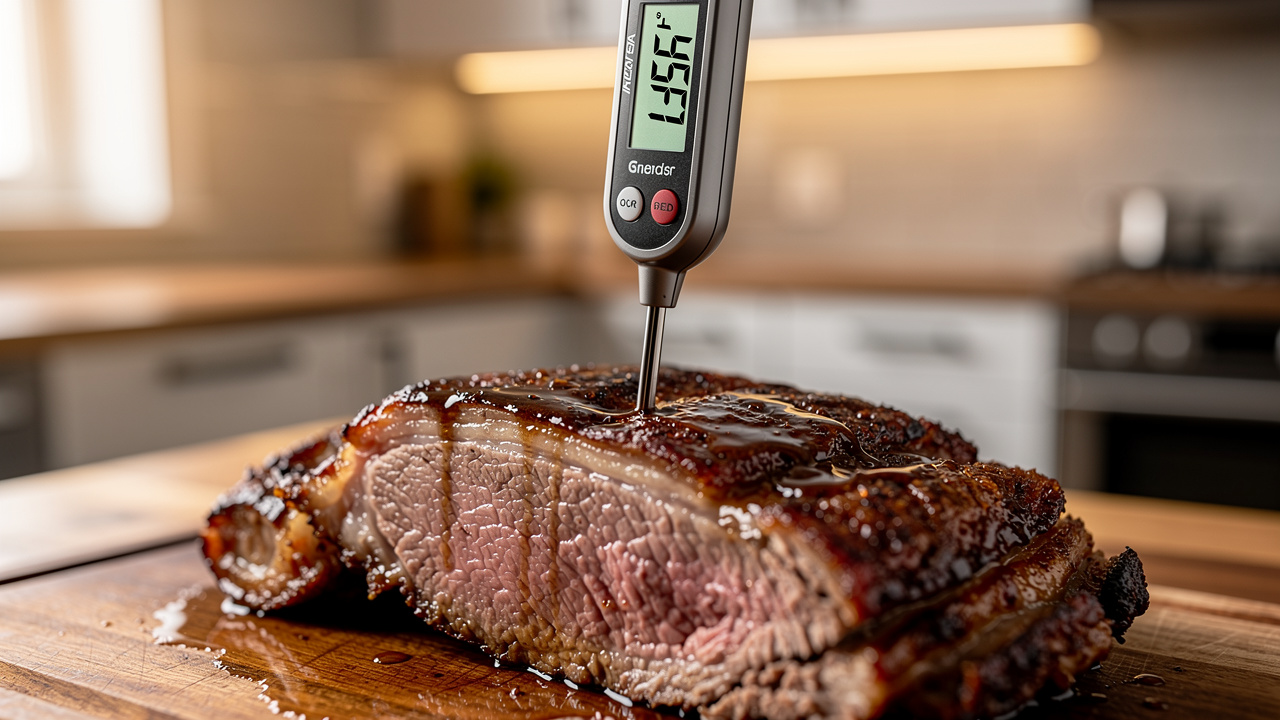
Instant-Read Thermometer
An instant-read thermometer is a probe thermometer that shows the internal temperature of food within a few seconds. It is the reliable way to check meat, bread, and frying oil.
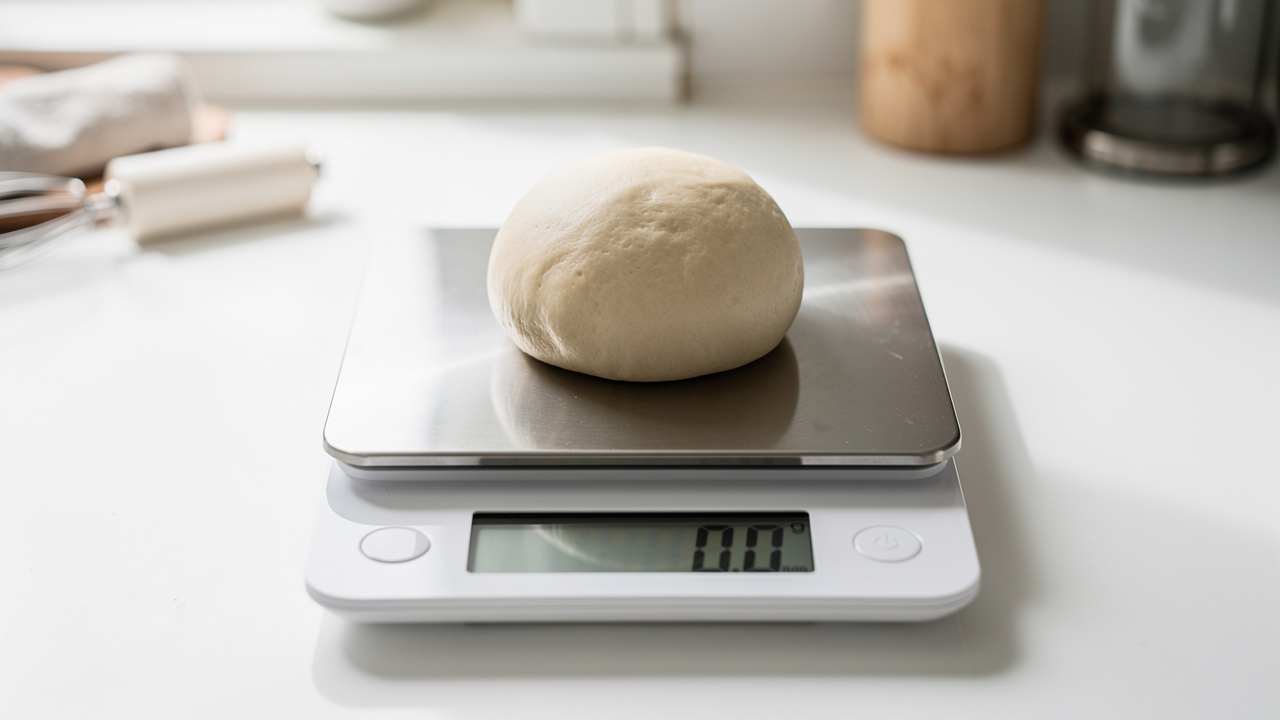
Kitchen Scale
A kitchen scale weighs ingredients in grams instead of guessing with cups. Tare zeroes the bowl, so you can weigh a whole recipe into one container.
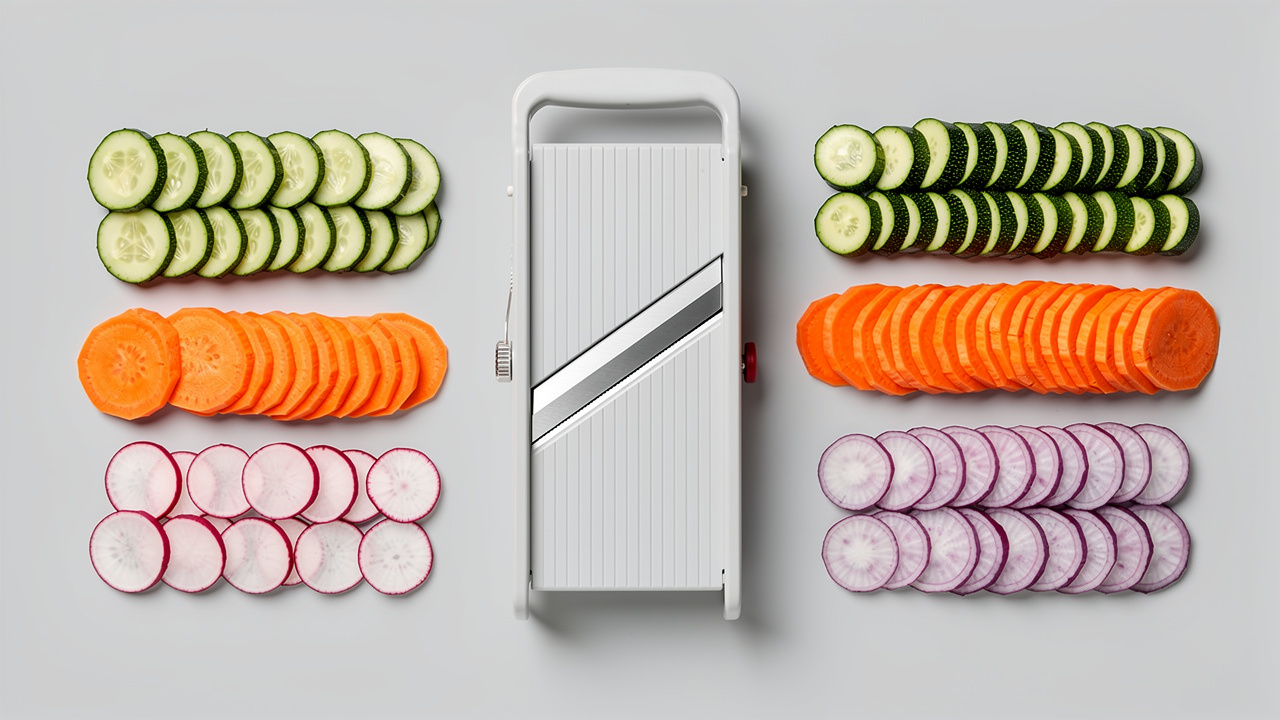
Mandoline
A mandoline is a slicing tool with a fixed blade and an adjustable platform that produces uniform slices, juliennes and waffle cuts down to about 1 mm. Use it with the hand guard, a cut-resistant glove and one smooth stroke per slice.
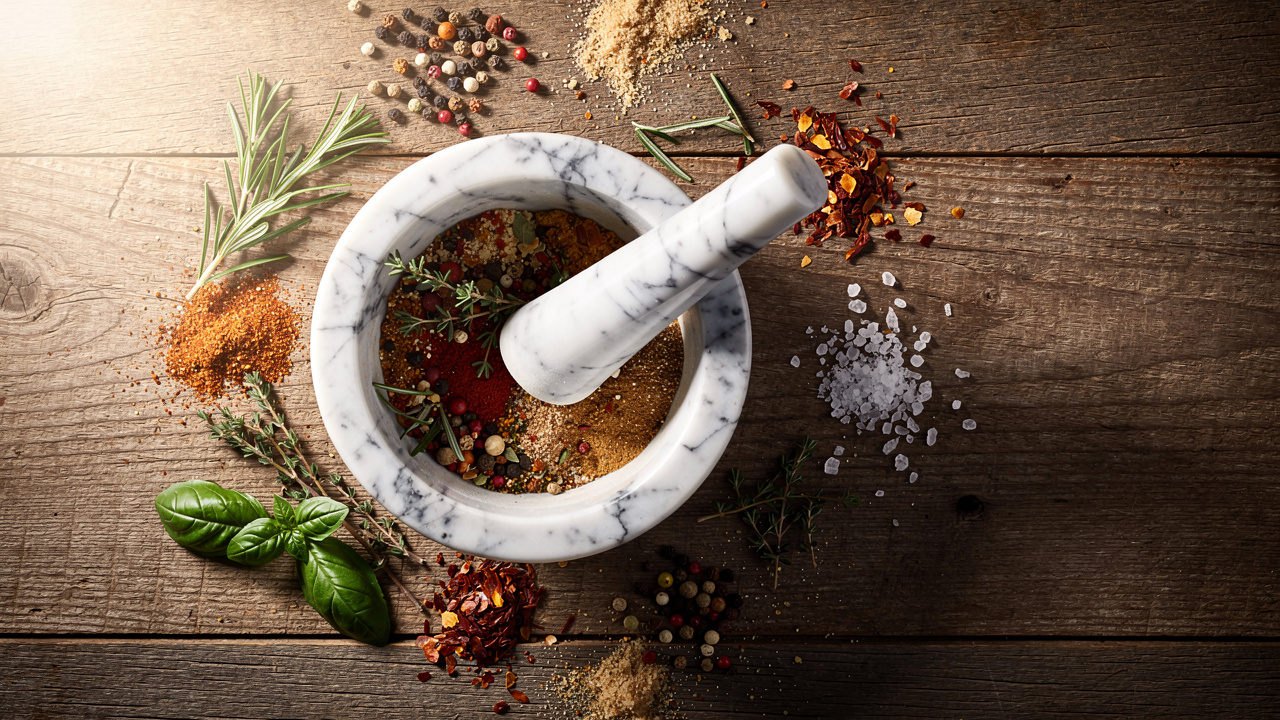
Mortar and Pestle
A mortar and pestle is a traditional grinding tool, a bowl (mortar) and club-shaped tool (pestle), used to crush, grind, and blend spices, herbs, and pastes; the oldest food processing tool still in everyday use.
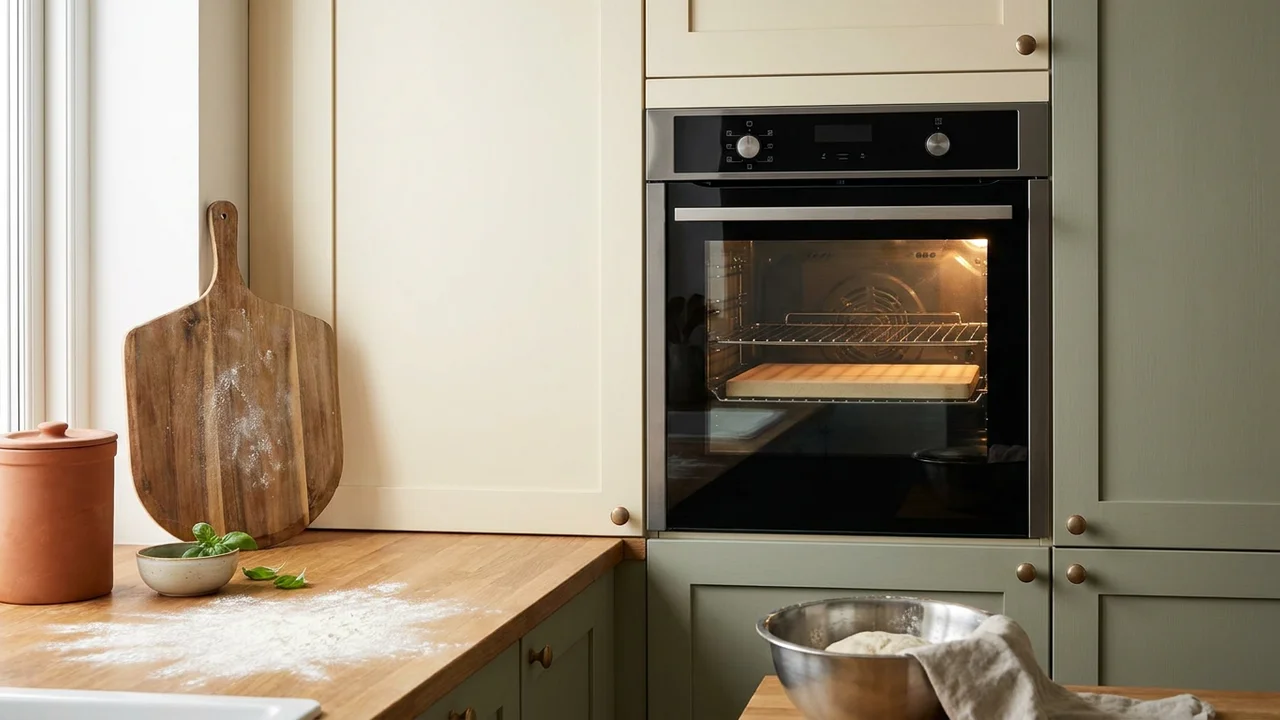
Pizza Stone
A pizza stone is a thick slab of cordierite, ceramic or clay that sits in your oven, stores heat and bakes the pizza from below, turning a 250 °C home oven into something much closer to a pizzeria deck.

Recipe Manager
Software for storing, organizing, and accessing recipes digitally, replacing physical cookbooks, bookmarks, and scattered notes with a searchable, structured collection.