Poaching
Gentle cooking technique using liquid at low temperatures (160-180°F) to preserve the delicate texture of eggs, fish, and poultry.
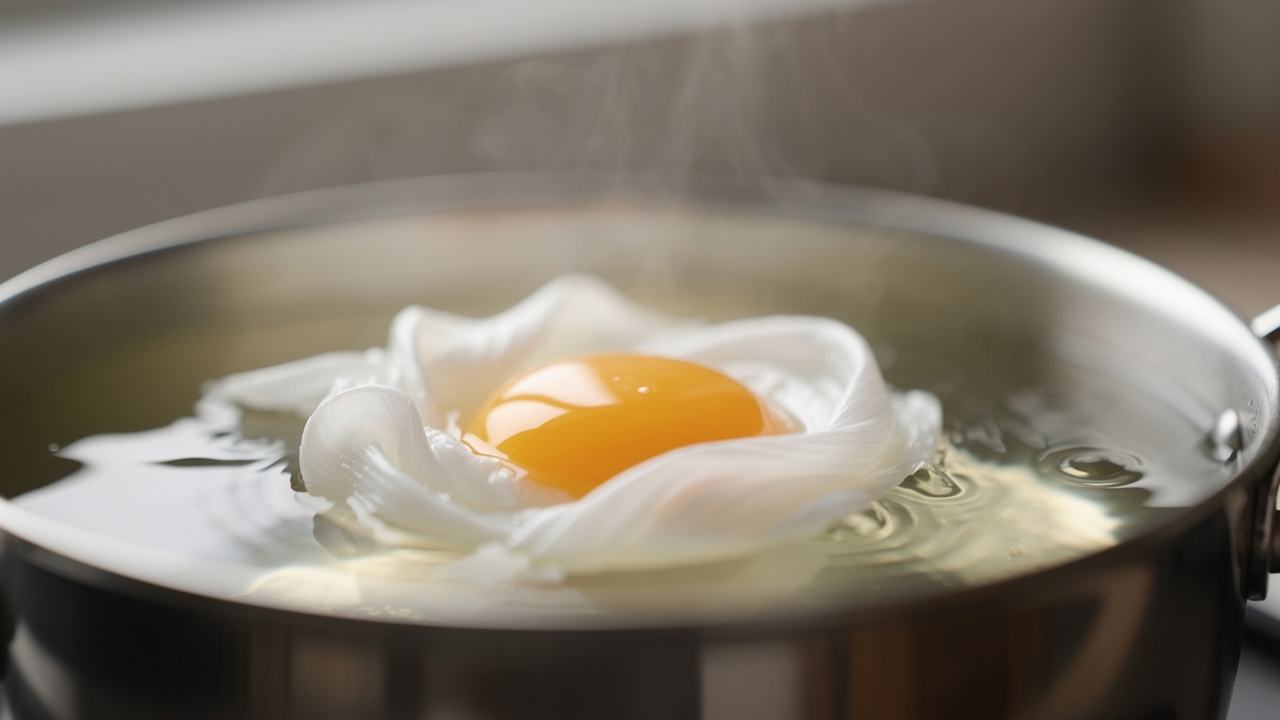
Poaching cooks food gently in liquid held just below the boiling point. The surface should barely shimmer — no bubbles. This low-and-slow approach keeps delicate proteins tender and moist.
Poaching temperatures
| Technique | Temperature | Visual cue |
|---|---|---|
| Deep poaching | 160-180°F / 70-82°C | Surface shimmers, no bubbles |
| Shallow poaching | 160-180°F / 70-82°C | Liquid covers food halfway |
| Sous vide poaching | Precise temp | Water bath with vacuum seal |
Perfect poached eggs
- Use fresh eggs (whites hold together better)
- Add 1 tbsp vinegar per quart of water
- Create a gentle whirlpool before dropping egg
- Cook for 3-4 minutes for runny yolk
- Remove with slotted spoon, drain on towel
Poaching liquids
- Court-bouillon: Water with aromatics, wine, and vinegar — classic for fish
- Stock: Adds flavor to chicken or fish
- Milk: Creates silky texture for fish (like smoked haddock)
- Wine: Red for pears, white for fish
- Syrup: Sweet poaching for fruit desserts
Best foods for poaching
- Eggs: The classic application
- Fish: Salmon, halibut, sole — delicate fillets
- Chicken breast: Prevents drying out
- Fruit: Pears, peaches, apples in wine or syrup
- Dumplings: Gentle cooking prevents breaking apart
Common mistakes
- Temperature too high: Boiling toughens proteins
- Moving food too much: Breaks delicate items
- Not enough liquid: Uneven cooking
- Skipping aromatics: Misses opportunity for flavor
Related Fond featureCook mode