 Bastien
What is blanching? Meaning and why it works
Blanching vegetables is a brief boil (30 seconds to 5 minutes) followed by an ice-water shock — used to set color, deactivate enzymes, and prep produce for freezing.
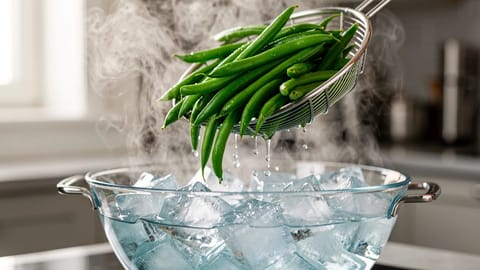
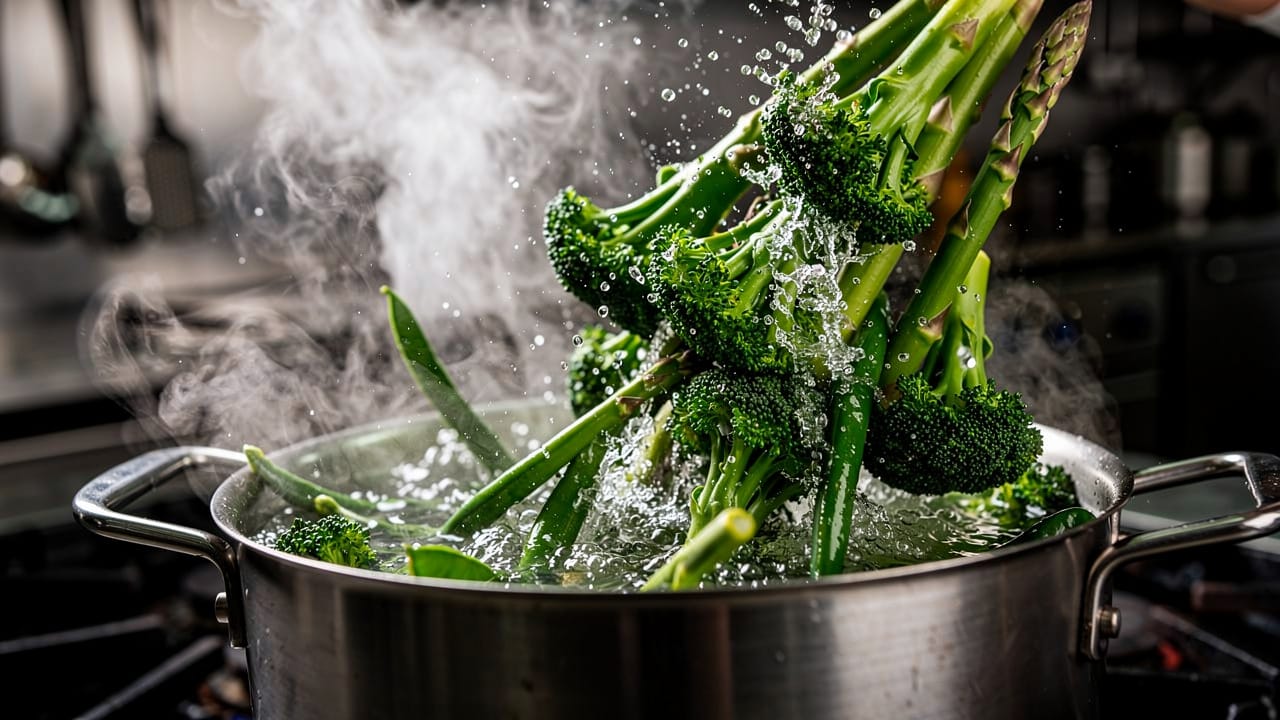
Blanching is a brief boil in salted water followed by an immediate plunge into ice water (the "shock"). The two-step process is also called blanch and shock, and it sets color, deactivates enzymes, loosens skins, and pre-cooks vegetables for freezing or salads.
This entry explains what blanching is and why it works. For the hands-on method with the ice bath, see how to blanch and shock vegetables.
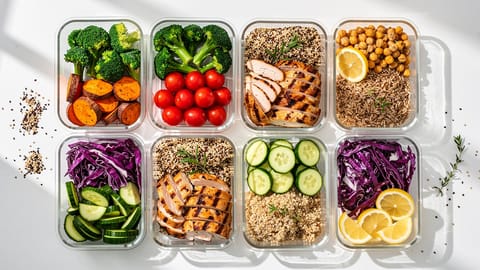
Blanching earns its place weekly in a home kitchen: it preps green beans for the freezer, slips tomato skins off without a fight, and keeps broccoli bright green in a grain bowl. Professional kitchens blanch vegetables constantly for the same reasons. The technique is equally valuable for home cooks, especially for meal prep, blanching vegetables for freezing, and getting restaurant-quality results from simple ingredients.
When should you blanch vegetables?
Before freezing. Blanching is essential for vegetables you plan to freeze. Without it, enzymes continue to work during frozen storage, degrading flavor, color, and texture over weeks. Blanched vegetables maintain their quality for 6-12 months in the freezer; unblanched ones deteriorate within weeks.
For peeling. Tomatoes, peaches, nectarines, and almonds peel effortlessly after 30-60 seconds of blanching. The brief heat loosens the skin without cooking the flesh. Score an X on the bottom of tomatoes before blanching for even easier peeling.
For salads and cold dishes. Blanched green beans, broccoli, asparagus, and snap peas stay a vivid green and perfectly tender-crisp for salads, crudités, and grain bowls.
Before sautéing or roasting. Par-blanching dense vegetables like broccoli, cauliflower, or root vegetables ensures they cook evenly when you finish them in a hot pan or oven. Without this step, the outside overcooks before the center is tender. I always blanch broccoli before roasting now; the florets come out with charred edges but still have a bite in the middle.
To reduce bitterness. Blanching tames the sharpness of vegetables like rapini, kale, and Brussels sprouts by leaching out bitter compounds.
How do you blanch vegetables step by step?
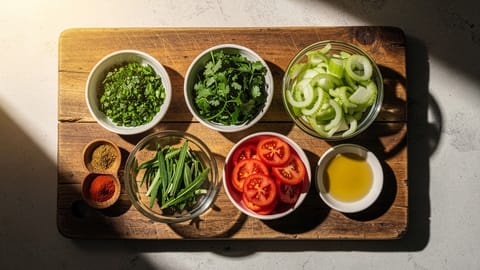
Have your mise en place ready before you start. Blanching moves fast, and once the vegetables are in the water you don't want to be scrambling for a bowl of ice.
Tip: A wire spider strainer transfers vegetables faster than draining the whole pot, and you can reuse the same boiling water for multiple batches.
Blanching vegetables chart
These times are for sea-level cooking. At high altitude (above 5,000 ft / 1,500 m), add 1 minute to blanching times.
Blanching vegetables temperature
The blanching water should be at a full rolling boil, around 212°F / 100°C at sea level. That temperature is non-negotiable. If the water isn't boiling hard when the vegetables go in, enzyme deactivation is incomplete and you lose the color and texture benefits.
After blanching, the ice bath should be at or below 40°F / 4°C. If your ice melts before the vegetables are cool, add more. I keep a bag of ice in the freezer specifically for this.
Why does blanching preserve color and nutrients?
The brief boil deactivates peroxidase and catalase, enzymes naturally present in vegetables that cause off-flavors, texture breakdown, and color loss during storage. The ice bath halts cooking instantly, so vegetables stay crisp-tender instead of turning soft.
The combination of heat exposure and rapid cooling also brightens color (chlorophyll becomes more vivid in the first seconds of heat before it degrades), kills surface bacteria to extend shelf life, softens cell walls slightly so vegetables absorb seasonings better, and preserves vitamins by keeping the cooking time short.
Steam blanching
You can also blanch vegetables with steam instead of boiling water. Place a single layer of vegetables in a steamer basket over rapidly boiling water, cover, and steam for 1.5x the boiling blanching time. Steam blanching works well for broccoli, green beans, and leafy greens, and it preserves slightly more nutrients than the water method since the vegetables don't touch the water directly.
The tradeoff: steam blanching takes longer, you can't process as large a batch, and it's harder to get even results with irregular shapes. I stick with water blanching for most vegetables, but steam blanching is worth trying for broccoli if you want to keep more of the water-soluble vitamins.
Blanching vs other techniques
The closest neighbor is parboiling, which runs longer and skips the ice bath because a second cooking method takes over:
Poaching is a different technique entirely: gentle simmering at 160-180°F for delicate proteins like eggs and fish. Shocking (ice bath only, without the boil) stops carryover cooking from any cooking method.
What are the most common blanching mistakes?
After testing dozens of batches, the single biggest mistake I see is skipping the drying step. Wet blanched vegetables steam instead of searing when you sauté them, and they develop freezer burn in the freezer. Spread them on clean towels and pat dry, or use a salad spinner for leafy greens.
Blanching in Fond
Fond hasn't launched yet. This is how it will work at launch. Join the waitlist for early access.
Fond's Cook Mode includes built-in timers for blanching. Set the exact time for each vegetable and get an alert when it's time to transfer to the ice bath. When a recipe includes blanching as a prep step, Fond sequences it into your cooking timeline so you can blanch vegetables while other components cook.