Sourdough Starter
A live culture of wild yeast and bacteria maintained with regular feedings of flour and water, used to leaven bread.
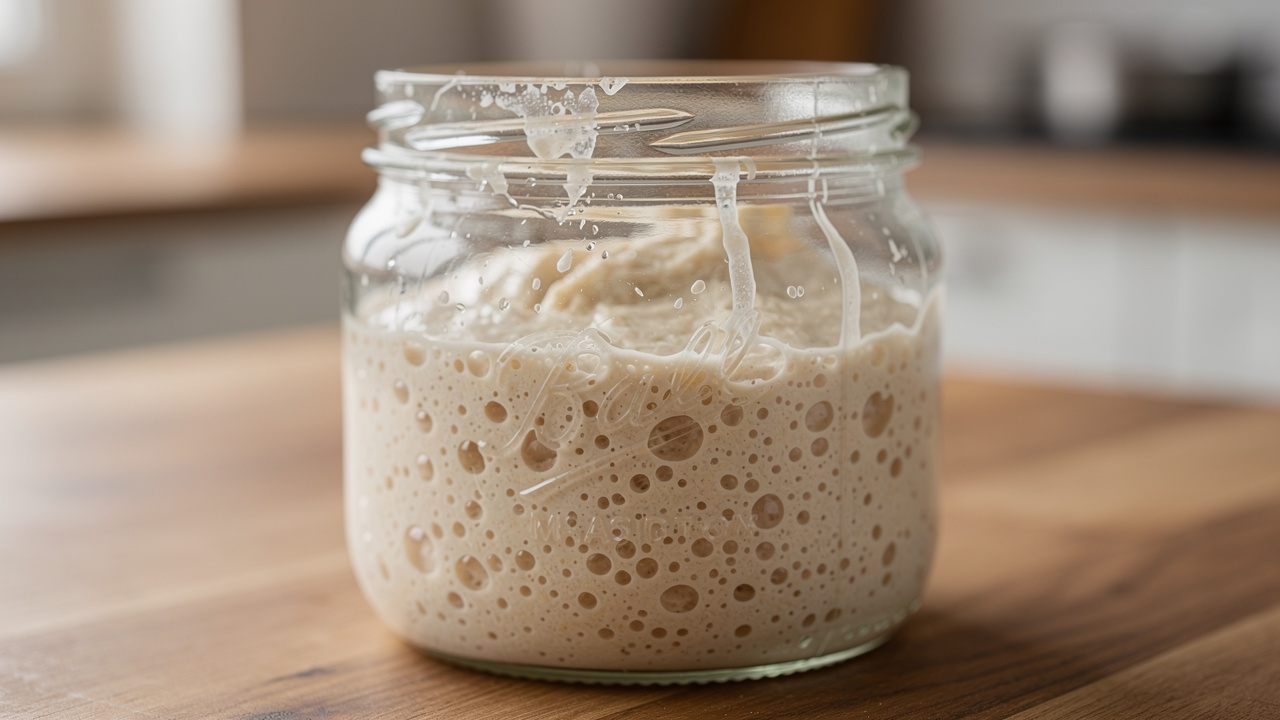
A sourdough starter is a living ecosystem of wild yeast and lactic acid bacteria. When maintained properly, it can last for decades — some famous starters are over 100 years old.
How it works
Wild yeast and bacteria naturally present in flour and the environment colonize a flour-water mixture. Over 5-14 days of regular feedings, the culture stabilizes into a predictable leavening agent.
Maintaining a starter
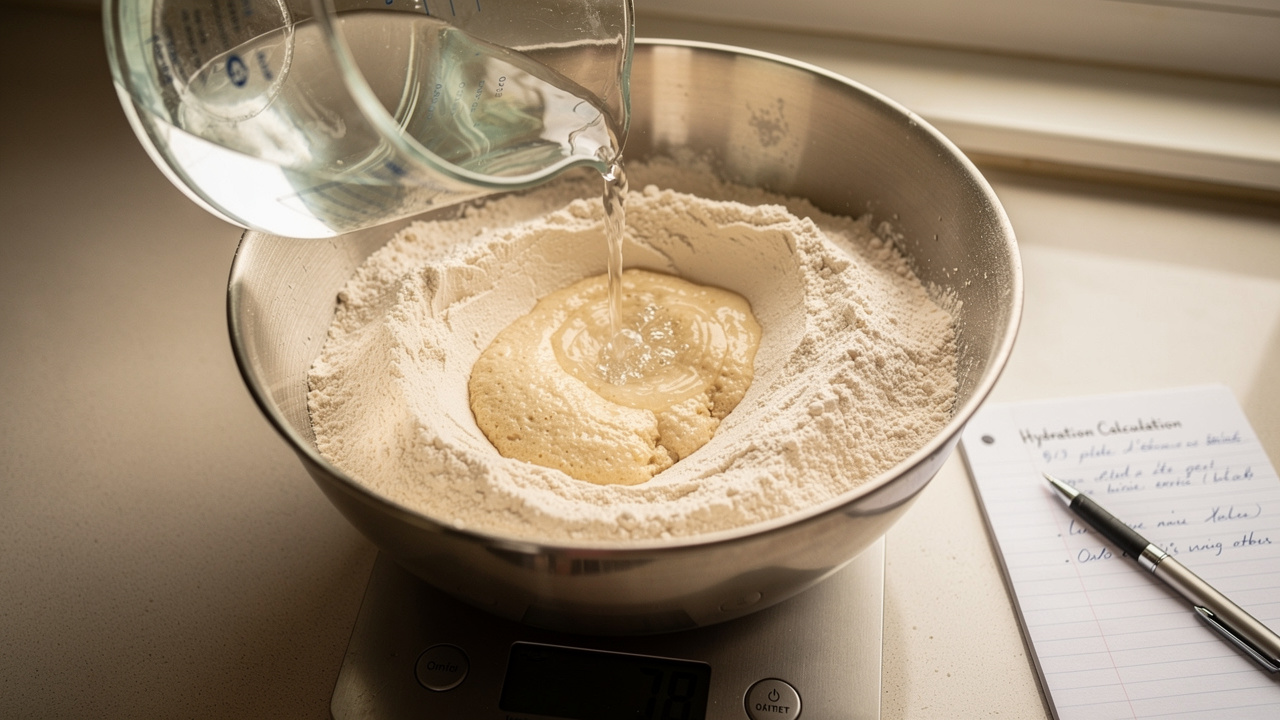
- Feeding ratio: Typically 1:1:1 (starter:flour:water by weight)
- Frequency: Daily at room temperature, weekly if refrigerated
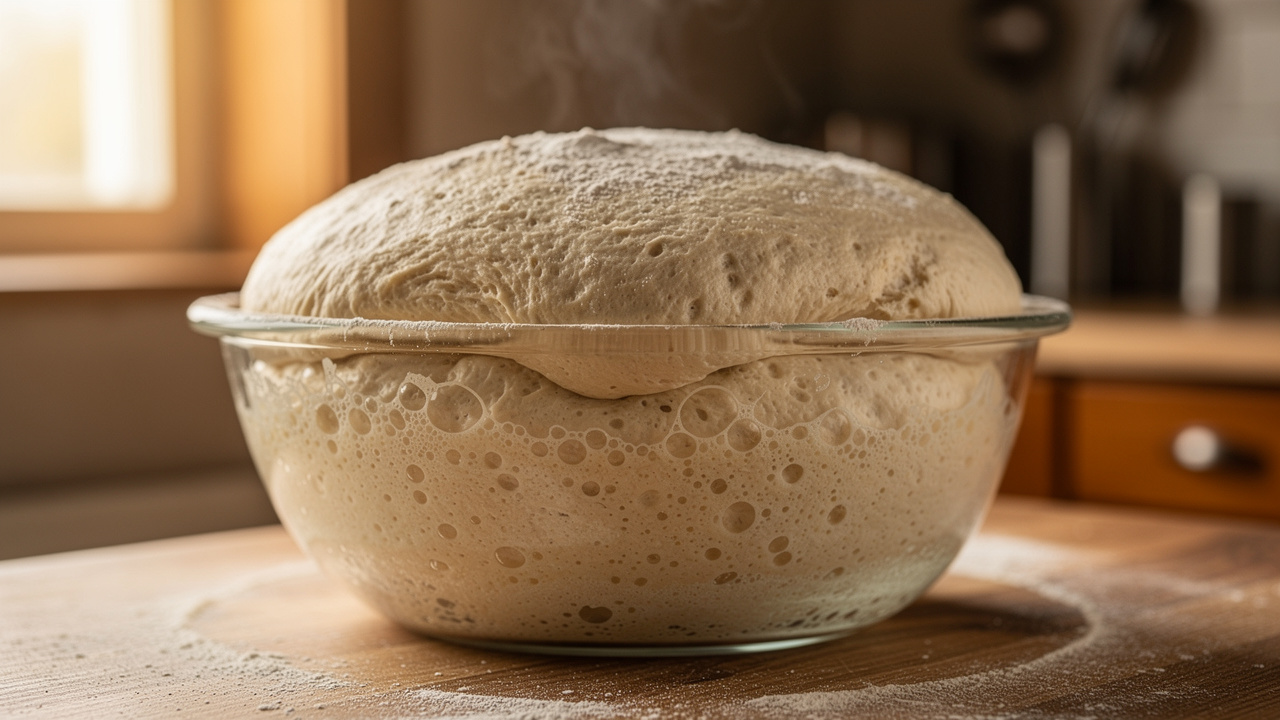
- Signs of health: Doubles in 4-8 hours after feeding, smells pleasantly tangy
- Discard: Remove some starter before each feeding to maintain manageable size
Troubleshooting
| Problem | Cause | Fix |
|---|---|---|
| Not rising | Too cold or young culture | Warmer spot, more frequent feeds |
| Hooch (liquid on top) | Hungry — needs feeding | Feed immediately, increase frequency |
| Pink/orange streaks | Harmful bacteria | Discard and start over |
| Smells like acetone | Very hungry | Multiple feedings over 2-3 days |
Sourdough starter in Fond
Fond's Bread Studio has a starter tracker built in — log feedings, set reminders, and get to know your starter's rhythm over time.
Related Fond featureBread Studio