Carryover Cooking
The phenomenon where food continues to cook after being removed from heat, as residual thermal energy from the exterior migrates to the cooler interior.
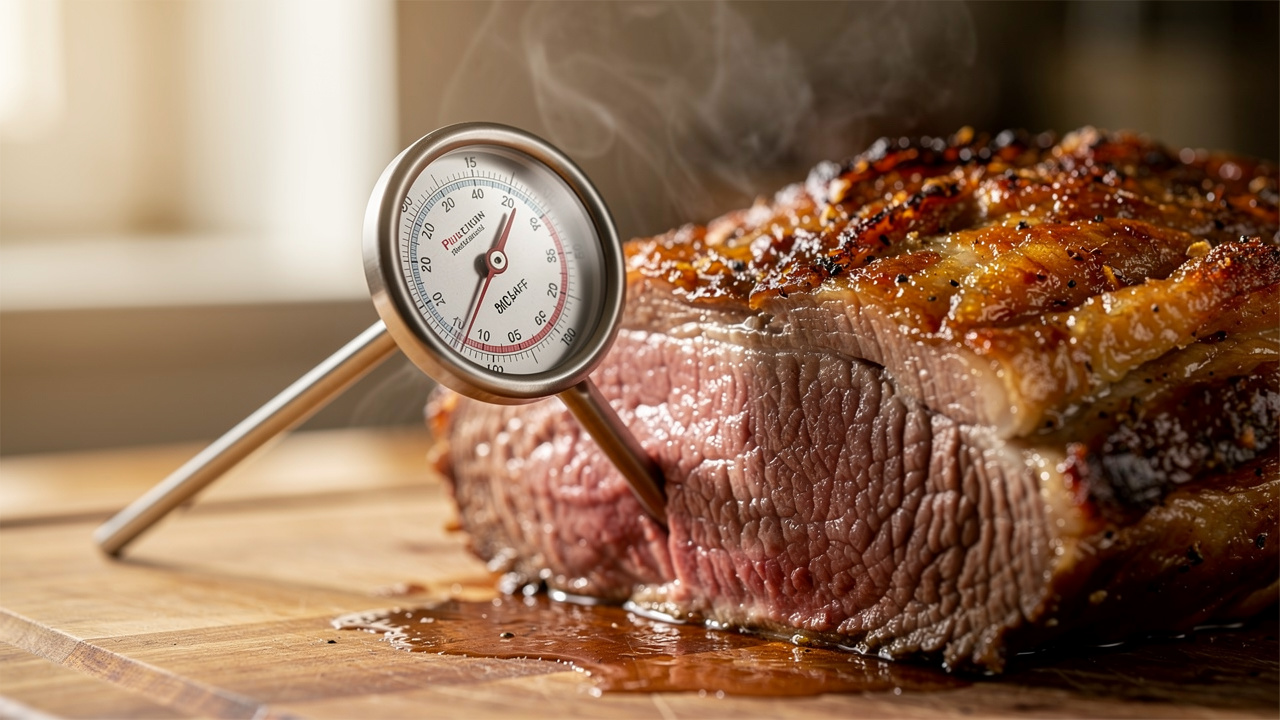
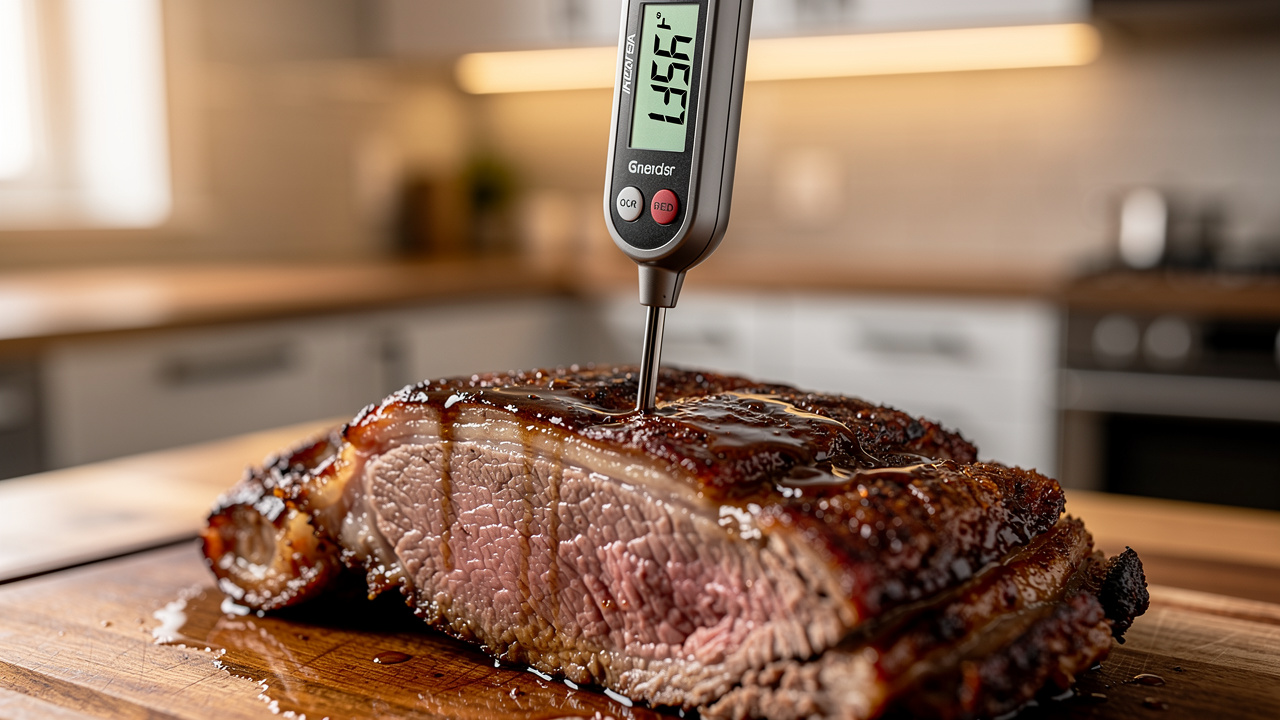
Carryover cooking is why you should remove meat from heat before it reaches your target temperature. The outer layers of hot food continue transferring heat inward, raising the internal temperature even off the heat.
How much temperature rise to expect
| Food | Size/Thickness | Carryover Rise |
|---|---|---|
| Steak (1" thick) | Medium | 5-10°F (3-6°C) |
| Steak (2" thick) | Large | 10-15°F (6-8°C) |
| Roast chicken | Whole bird | 5-10°F (3-6°C) |
| Pork tenderloin | 1.5 lb | 5-10°F (3-6°C) |
| Prime rib | Large roast | 10-15°F (6-8°C) |
| Turkey | Whole bird | 10-15°F (6-8°C) |
| Bread loaf | Standard | 10-20°F (6-11°C) |
Factors affecting carryover
Size and mass
- Larger cuts = more carryover (more stored heat)
- Thin cuts = minimal carryover (cool quickly)
Cooking temperature
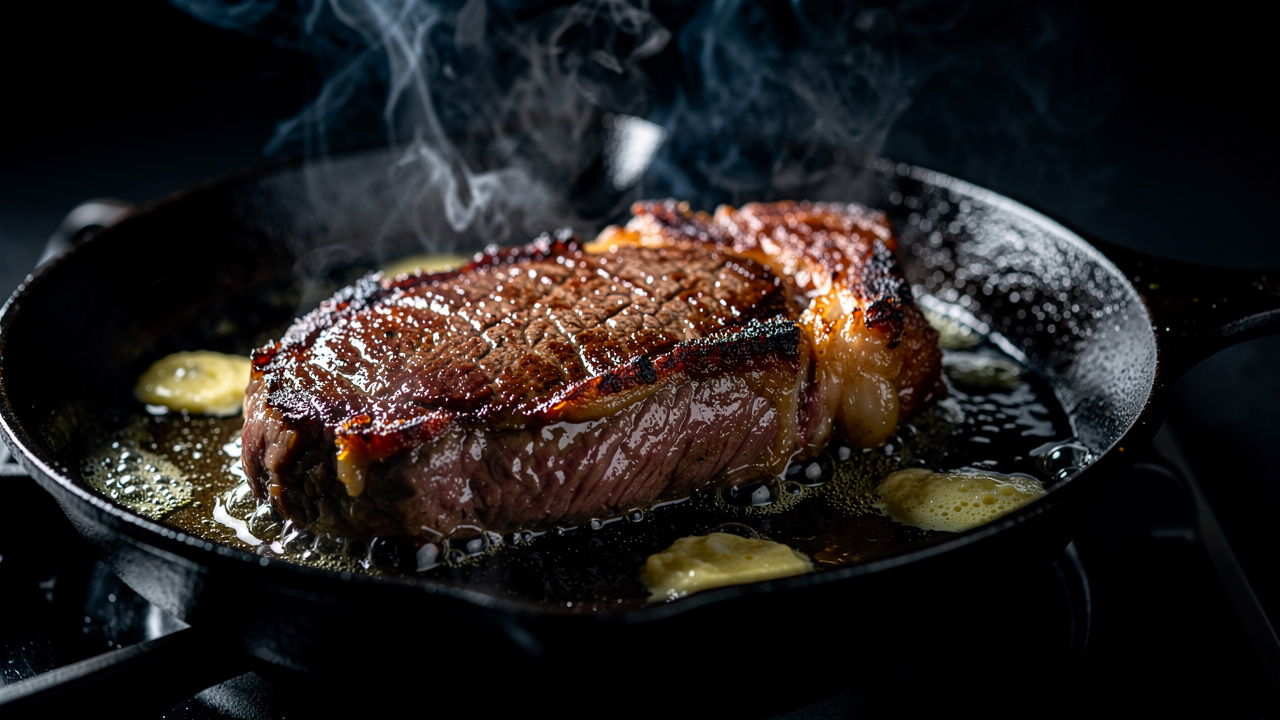
- High-heat methods (searing, grilling) = more carryover
- Low-heat methods (poaching, sous vide) = less carryover
Resting environment
- Uncovered = faster cooling, less carryover
- Tented with foil = slower cooling, slightly more carryover
- Insulated (cooler, oven off) = maximum carryover
Pull temperatures for common targets
Account for carryover by removing meat early:
| Target Temp | Pull Temp (thick cuts) | Pull Temp (thin cuts) |
|---|---|---|
| Medium-rare beef (130°F/54°C) | 120-125°F (49-52°C) | 125°F (52°C) |
| Medium beef (140°F/60°C) | 130-135°F (54-57°C) | 135°F (57°C) |
| Chicken (165°F/74°C)* | 155-160°F (68-71°C) | 160°F (71°C) |
| Pork (145°F/63°C) | 135-140°F (57-60°C) | 140°F (60°C) |
*FDA minimum is 165°F, but pasteurization occurs at lower temps with time
The science
Heat flows from hot to cold. When you remove meat from heat:
- The exterior is much hotter than the interior
- Heat continues flowing inward to equalize temperature
- Interior temp rises while exterior cools
- Eventually they meet somewhere in between
This is also why resting redistributes juices — the temperature gradient relaxes.
Common mistakes
- Cooking to exact target temp — guarantees overcooking
- Not accounting for thickness — thick cuts carry over much more
- Checking temp while cooking — inaccurate; check during rest
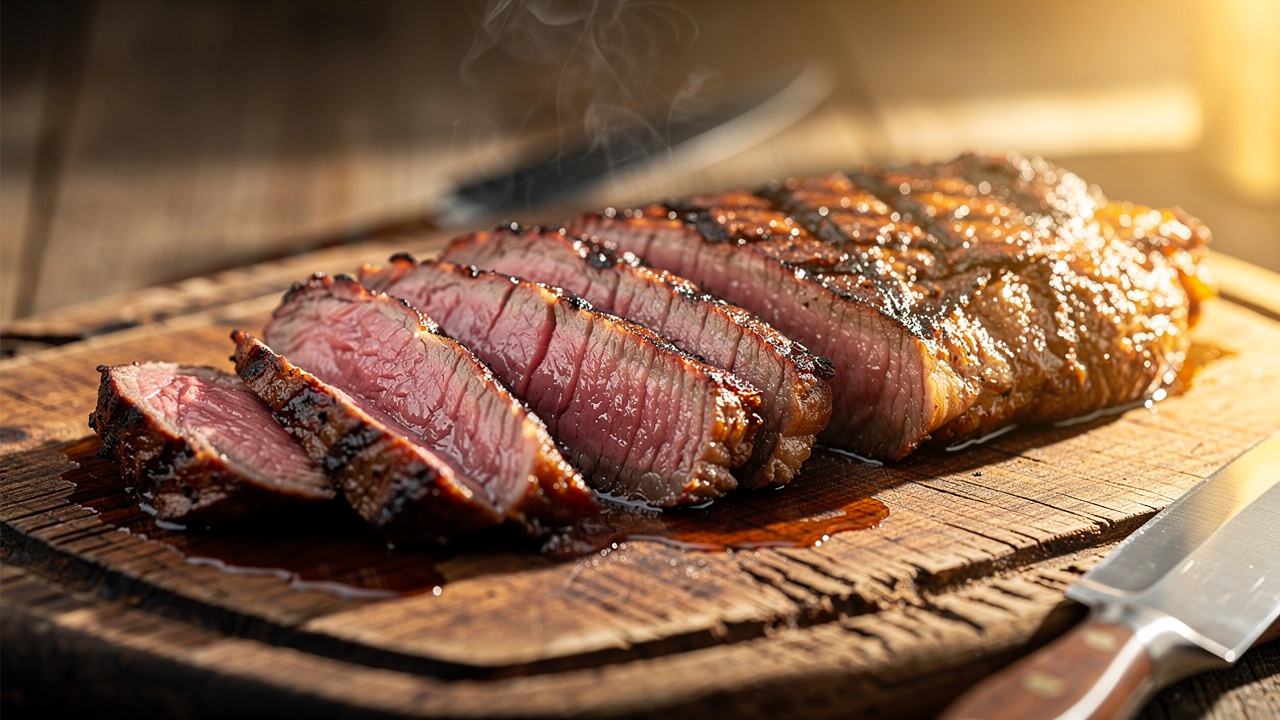
- Slicing immediately — doesn't allow carryover to complete
Exceptions: minimal carryover
Some cooking methods have little carryover:
- Sous vide: Cooked at precise target temp
- Thin cuts: Cool too quickly
- Vegetables: Lower density, cool faster
- Poached items: Already at target throughout
Related Fond featureCook mode