 Bastien
Roasting
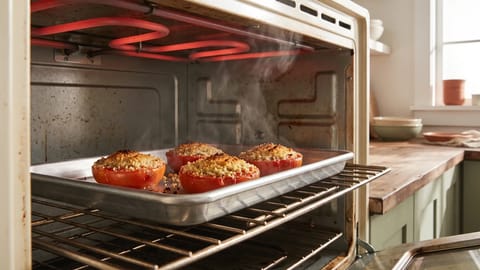
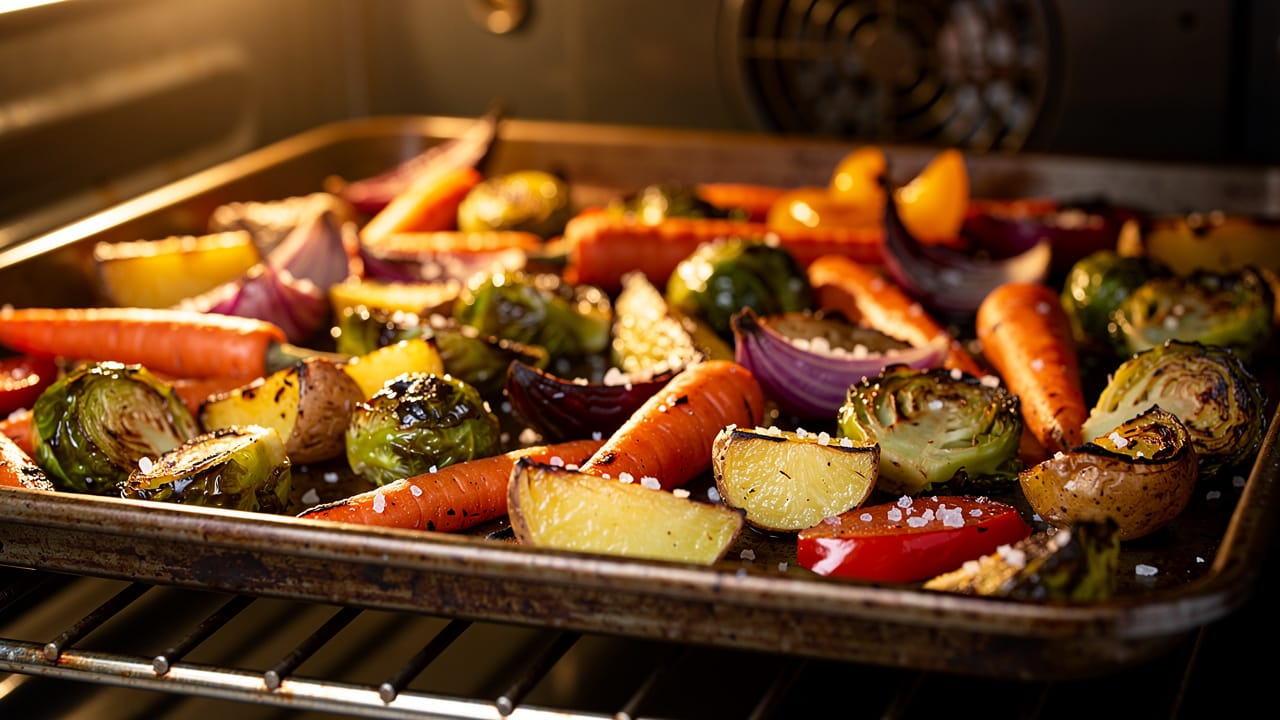
Roasting is cooking food uncovered in the dry heat of an oven so hot air surrounds it and the surface browns. Baking uses the same oven; the word changes with the food and the goal.
Roasting is cooking food uncovered in the dry heat of an oven (or over an open fire) so that hot air surrounds it and the surface browns. Wikipedia's definition puts the temperature at 150°C (300°F) and up, with "slow roasting" at 95–160°C for large cuts and whole birds. The browning comes from the Maillard reaction and caramelization on the dry surface; the inside cooks through more slowly as heat conducts inward.
Unlike braising, which cooks in liquid under a lid, roasting keeps the food dry and exposed. Moisture evaporating from the surface is what lets it climb past 100°C and brown. That is the whole trick: dry surface, hot air, no lid.
What is roasting in cooking, and how is it different from baking?
The oven does not know the difference. Roasting and baking both mean dry oven heat; the word changes with the food and the goal.
So a chicken is roasted and a loaf is baked, while a tray of potatoes is "roasted" and a potato gratin is "baked" in the same oven at the same temperature. If a recipe says roast, it wants browning and an uncovered pan.
Convection roast vs convection bake
Both settings run the fan. On most ovens, convection bake uses the fan with the bottom (and sometimes rear) element, aiming for even heat for multiple trays of pastry. Convection roast adds or cycles the top element more, so the surface of meat and vegetables browns harder. Manufacturers implement this differently, so the manual for your oven is the reference; the practical rule is the same either way: fan-assisted heat cooks faster and browns more evenly than a still oven, and recipes written for conventional ovens usually suggest lowering the temperature by about 15°C (25°F) when you switch the fan on.
What temperature should you roast at?
Higher heat browns faster but dries lean cuts; lower heat cooks evenly with less crust.
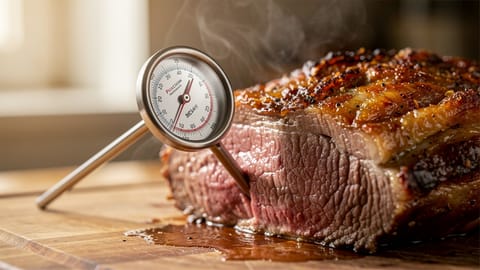
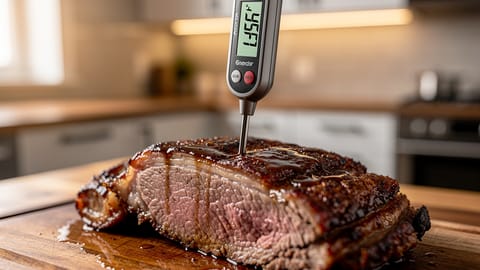
Check with an instant-read thermometer. Color and juices are not reliable. The beef, lamb, and fish targets are chef-style doneness preferences; the Health Canada figures are the published safety minimums, and the choice between them is yours.
How does roasting work?
Three kinds of heat transfer act at once:
Radiation. The oven walls and elements emit infrared energy that heats the food's surface directly. This drives browning.
Convection. Hot air moves around the food and transfers heat to every exposed surface. In a still oven that movement is uneven, cooler at the bottom and hotter at the top; a fan evens it out and speeds it up.
Conduction. Heat passes from the pan into the bottom of the food. A rack lifts the food so the underside browns instead of steaming in its own juices.
Browning needs a dry surface. Water pins the surface at 100°C until it evaporates, and the Maillard reaction only takes off well above that, which is why patting meat dry and not crowding the pan matter more than any seasoning.
What are the best roasting tips?
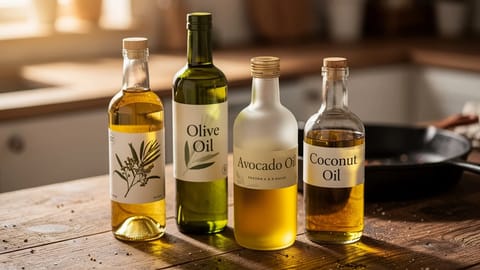
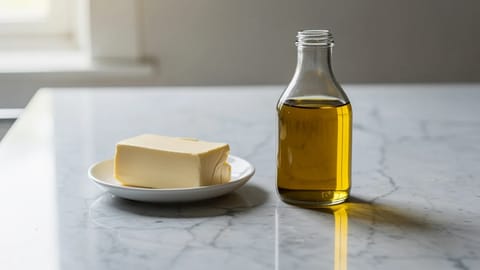
Choose the right fat. Coat vegetables and meat in a high-smoke-point oil such as avocado, grapeseed, or refined olive oil. Butter tastes better but burns at roasting temperatures, so use it for basting in the last 15–20 minutes or mix it with oil.
Season with kosher salt ahead of time. Salt draws moisture to the surface, dissolves, and is drawn back in, seasoning deeper and leaving a drier surface that browns better. Thirty minutes helps; overnight on a whole chicken helps more.
Rest after roasting. Resting lets juices redistribute; cut too early and they end up on the board. Five to ten minutes for small cuts, 15–30 for large roasts, and remember carryover cooking: the internal temperature keeps climbing a few degrees after the oven.
What is the difference between broiling and roasting?
Broiling is roasting's intense cousin. Where roasting surrounds food with hot air, broiling blasts radiant heat from above, like an upside-down grill. Broil for quick browning on thin cuts, melted cheese, or a last-minute crisp on a gratin. Roast when the food needs time to cook through. A good combination: roast a chicken at 220°C (425°F) until the thighs read about 71°C (160°F), then broil for 2–3 minutes to finish the skin, watching closely because golden turns to charred in under a minute.
How does the reverse sear work?
The reverse sear flips the usual order for thick cuts (steaks, prime rib, chops over 4 cm):
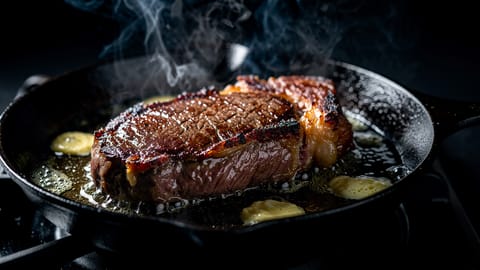
The low oven cooks the meat evenly edge to edge and dries the surface, so the final sear in a cast iron skillet builds a crust in seconds without a gray band underneath.
Roasting in a Dutch oven
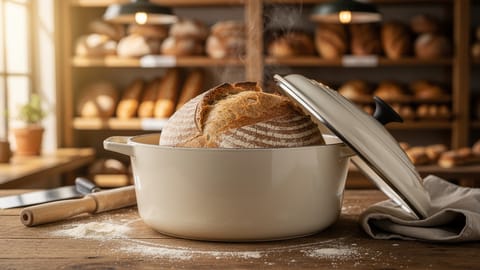
A Dutch oven changes the environment depending on the lid. Covered, it traps steam and behaves like braising. Uncovered, it concentrates heat around the food. Many recipes start covered to cook through gently and finish uncovered to brown. The same covered-then-uncovered idea is why bread baked in a Dutch oven gets a good crust: steam first, dry heat second.
Essential roasting equipment
A heavy sheet pan (half-sheet size) handles most vegetable roasting; look for aluminum with a rolled edge that will not warp. A wire rack that fits inside it lifts meat for airflow. A roasting pan with handles helps with heavy items like a turkey. An instant-read thermometer is the one tool that replaces guesswork, and tongs for turning vegetables round out the mise en place.
Roasting in Fond
Fond hasn't launched yet. This is how it will work at launch. Join the waitlist for early access.
Fond's Cook mode shows one recipe step at a time, and steps that mention a duration carry a tappable timer. A roasting step like "roast 40 minutes, then rest 15" becomes two countdowns you start with one tap; the target temperatures appear as the recipe writes them, so keep the thermometer next to the phone.
- Roasting is uncovered dry-heat cooking that browns the surface while the inside cooks through
- Roasting and baking use the same oven; the word follows the food and the goal
- Convection roast and convection bake both use the fan; roast modes favor top-down browning
- High heat for vegetables and poultry skin; low and slow for large or tough cuts
- Use a thermometer, dry the surface, give the pan space, and rest the meat