Fermentation
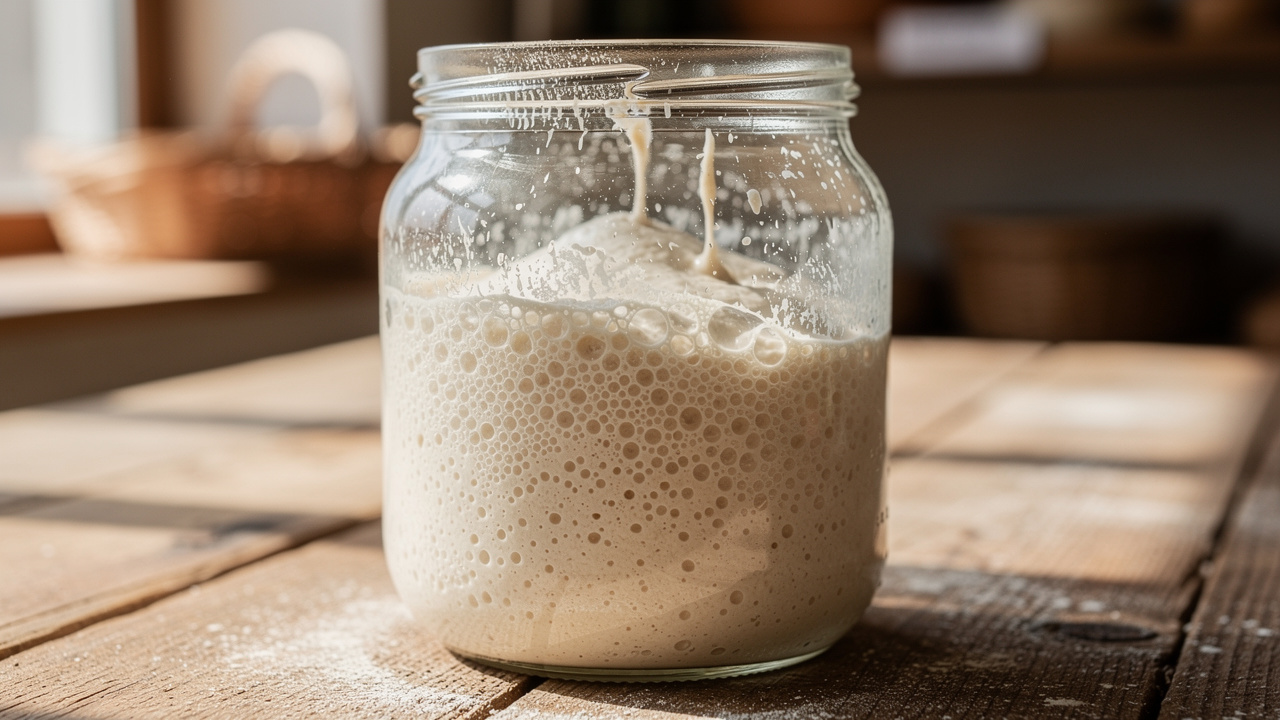
A metabolic process where microorganisms convert sugars into acids, gases, or alcohol — the basis of bread, yogurt, kimchi, and beer.
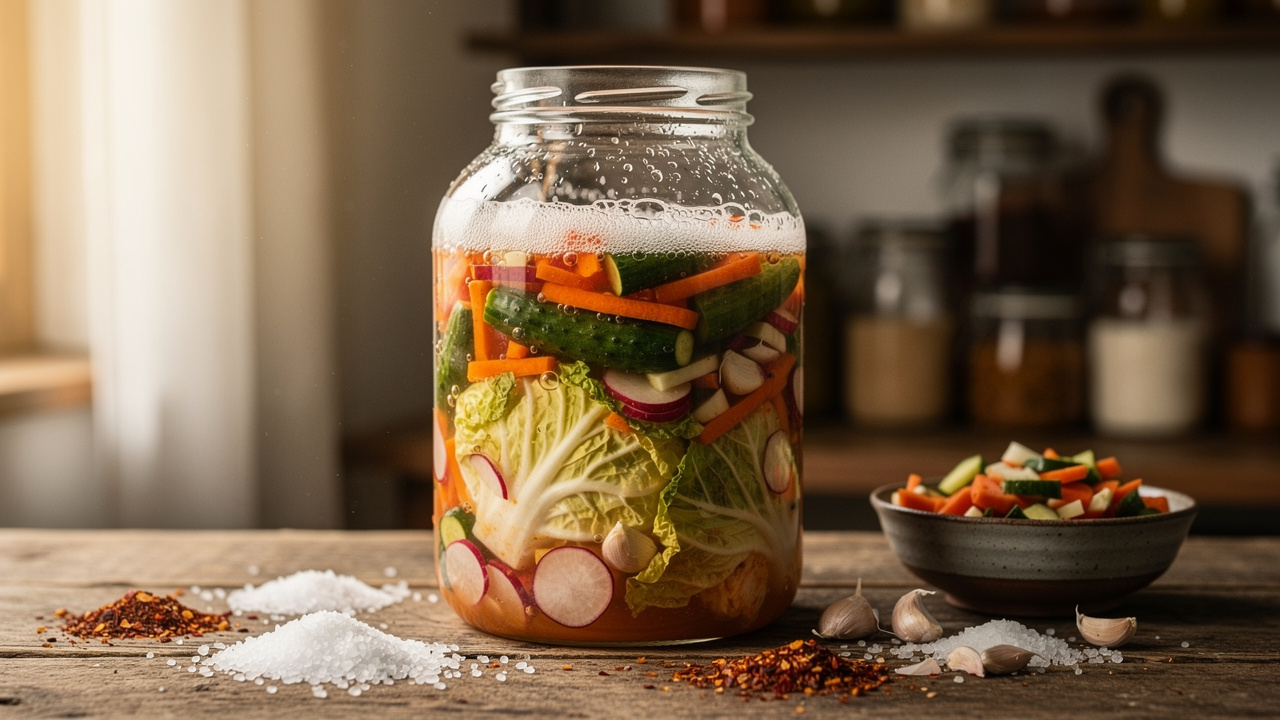
Fermentation is one of the oldest food preservation and transformation techniques. Microorganisms (bacteria, yeast, molds) break down sugars and starches, creating new flavors, textures, and increasing nutritional value.
Types of fermentation
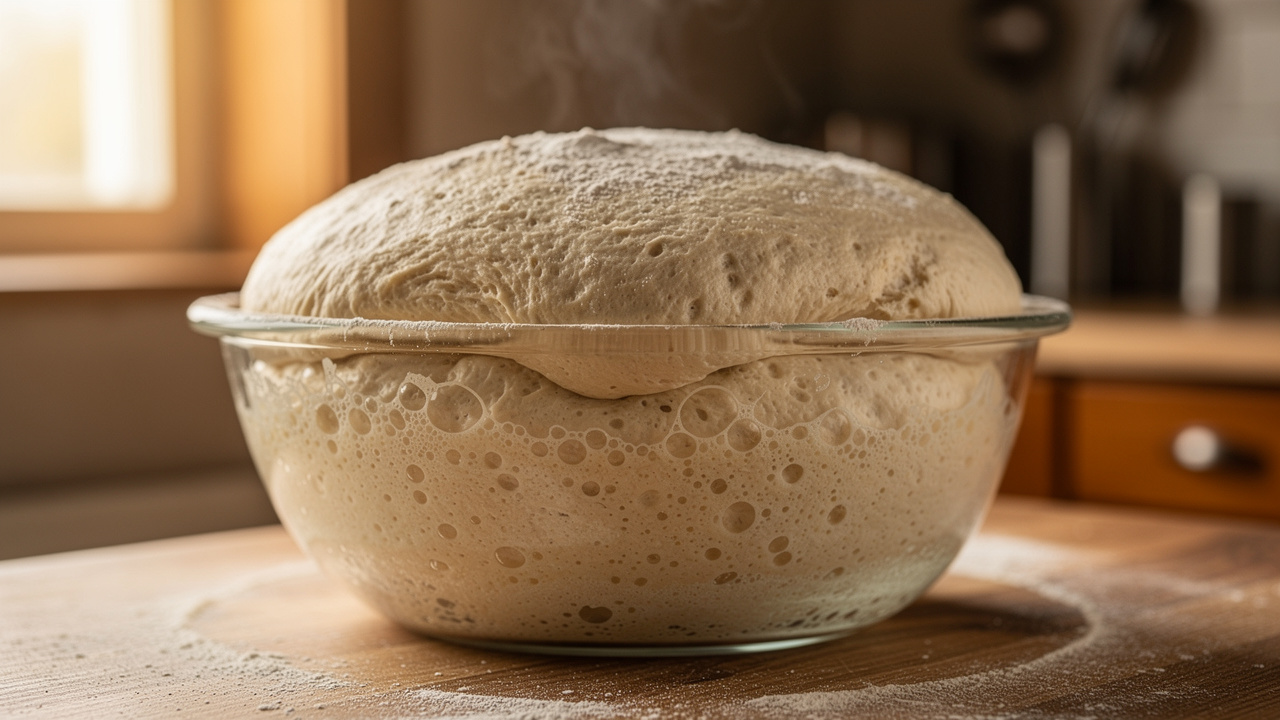
- Alcoholic: Yeast converts sugar to alcohol + CO₂ (beer, wine, bread)
- Lactic acid: Bacteria convert sugar to lactic acid (yogurt, sauerkraut, kimchi)
- Acetic acid: Bacteria convert alcohol to acetic acid (vinegar)
Fermented foods you already eat
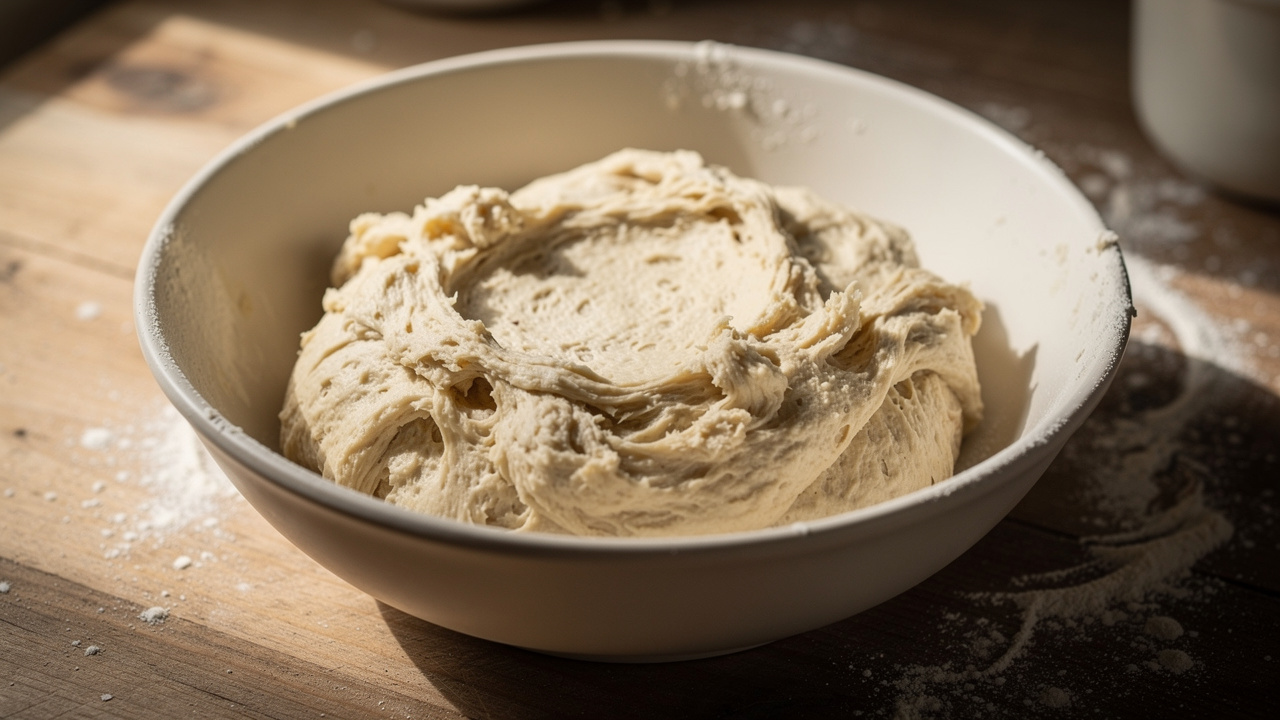
- Bread (yeast fermentation)
- Yogurt and cheese (lactic acid)
- Soy sauce and miso (mold + bacterial)
- Pickles and sauerkraut (lactic acid)
- Coffee and chocolate (yes, both are fermented)
Why fermentation matters for cooks
- Flavor complexity: Fermentation creates umami, tang, and depth
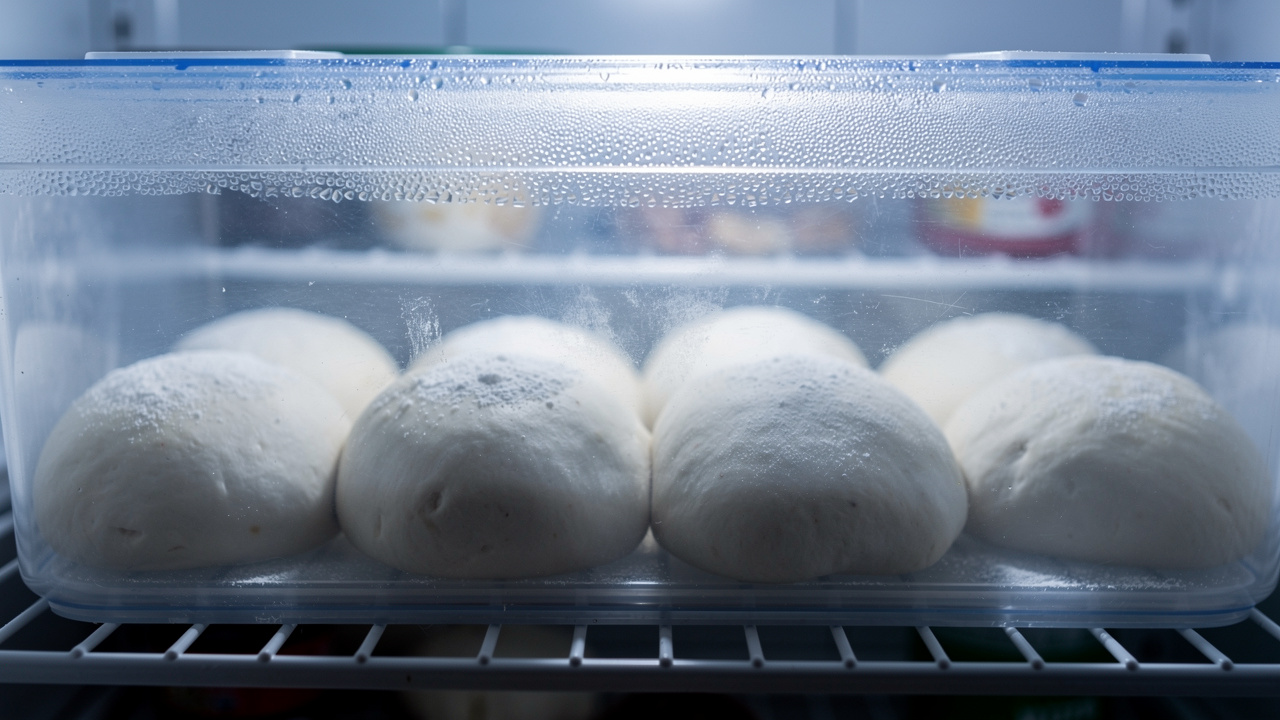
- Preservation: Extends shelf life naturally
- Nutrition: Can increase bioavailability of nutrients
- Texture: Changes the structure of foods
Related Fond featureBread Studio