Gluten Development
The process of building a protein network in dough through kneading, folding, or time, creating the structure that gives bread its chew and allows it to rise.
Gluten is what makes bread possible. When flour proteins (glutenin and gliadin) hydrate and are worked, they form an elastic network that traps gas and creates structure. Understanding gluten development helps you troubleshoot bread and choose the right technique.
How gluten forms
- Flour + water: Proteins hydrate and begin linking
- Mechanical action: Kneading aligns and strengthens bonds
- Time: Even without kneading, gluten develops slowly (autolyse, no-knead bread)
- Result: Elastic, extensible dough that holds gas
Signs of gluten development
| Stage | Characteristics | Windowpane test |
|---|---|---|
| Under-developed | Shaggy, tears easily | Tears immediately |
| Developing | Smoother, some elasticity | Stretches but tears |
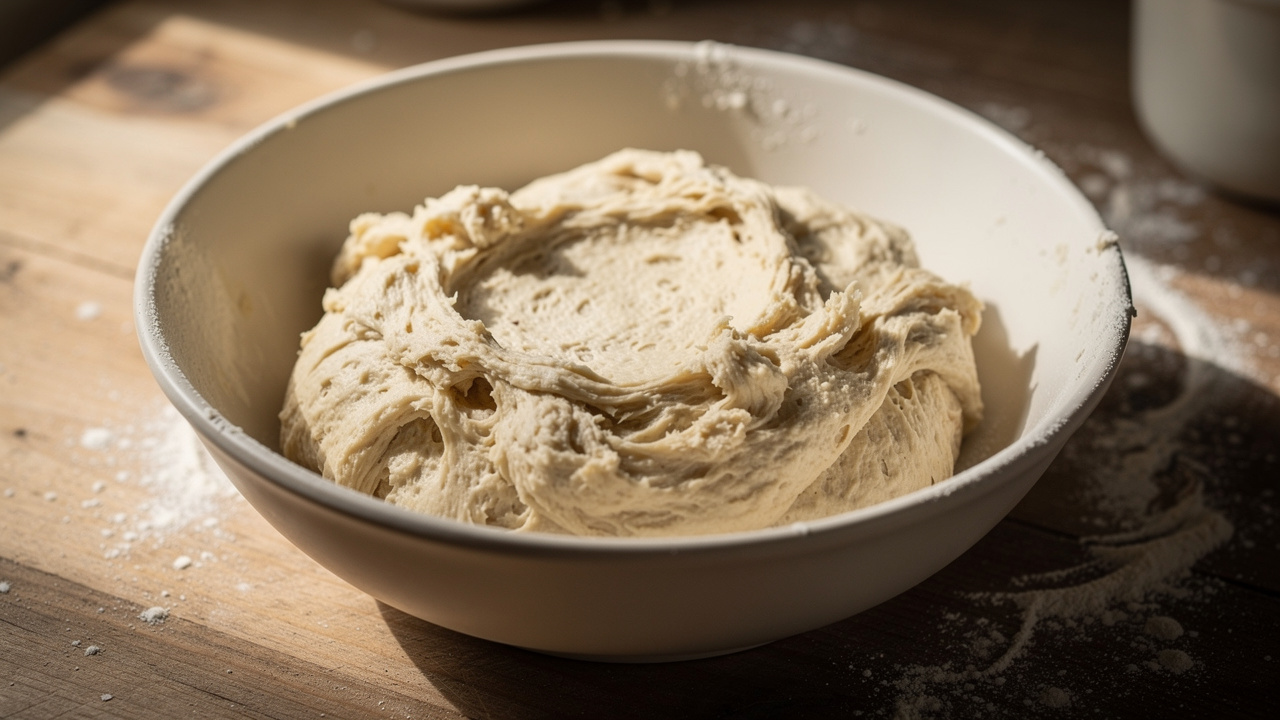
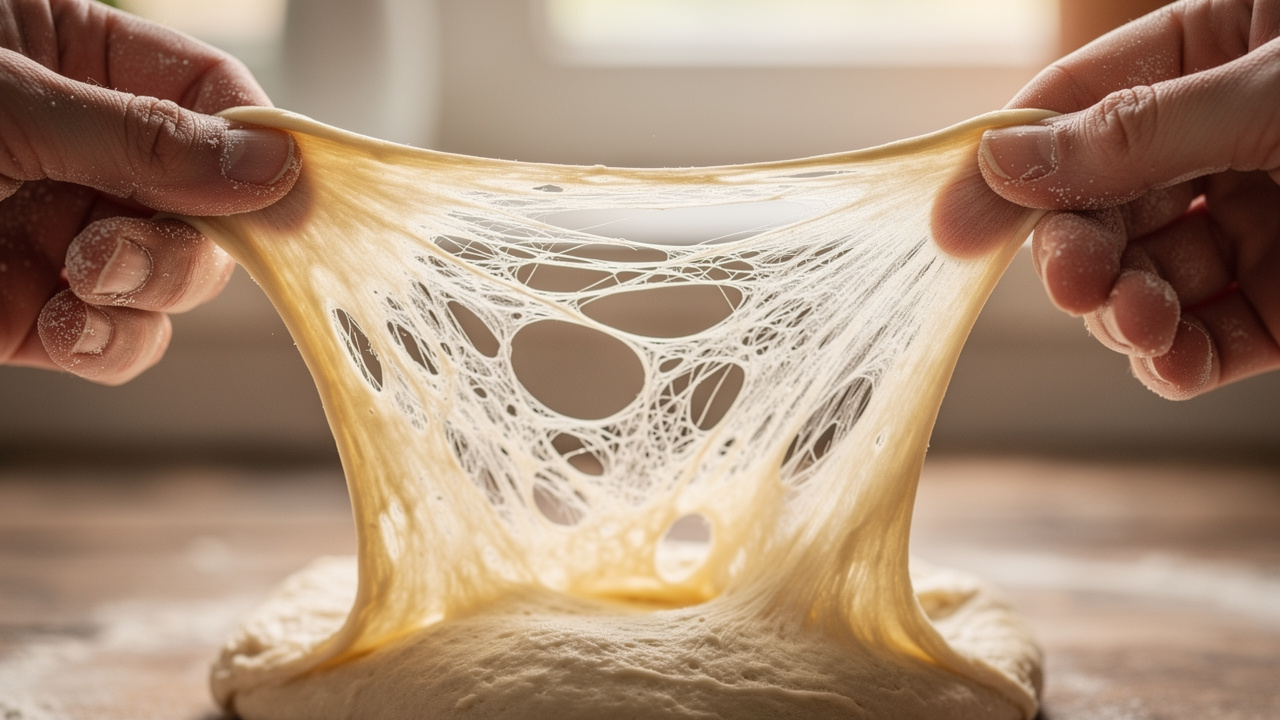
| Well-developed | Smooth, elastic, springs back | Thin membrane without tearing |
| Over-developed | Tough, breaks when stretched | Won't stretch, snaps |
The windowpane test
- Take a small piece of dough (golf ball size)
- Gently stretch it between your fingers
- Try to create a thin, translucent membrane
- Passes: You can see light through without tearing
- Fails: Dough tears before becoming thin enough
Methods of developing gluten
Kneading
- Traditional push-fold-rotate motion
- 8-12 minutes by hand, 5-8 minutes by machine
- Works fast but can over-develop if too aggressive
Folding
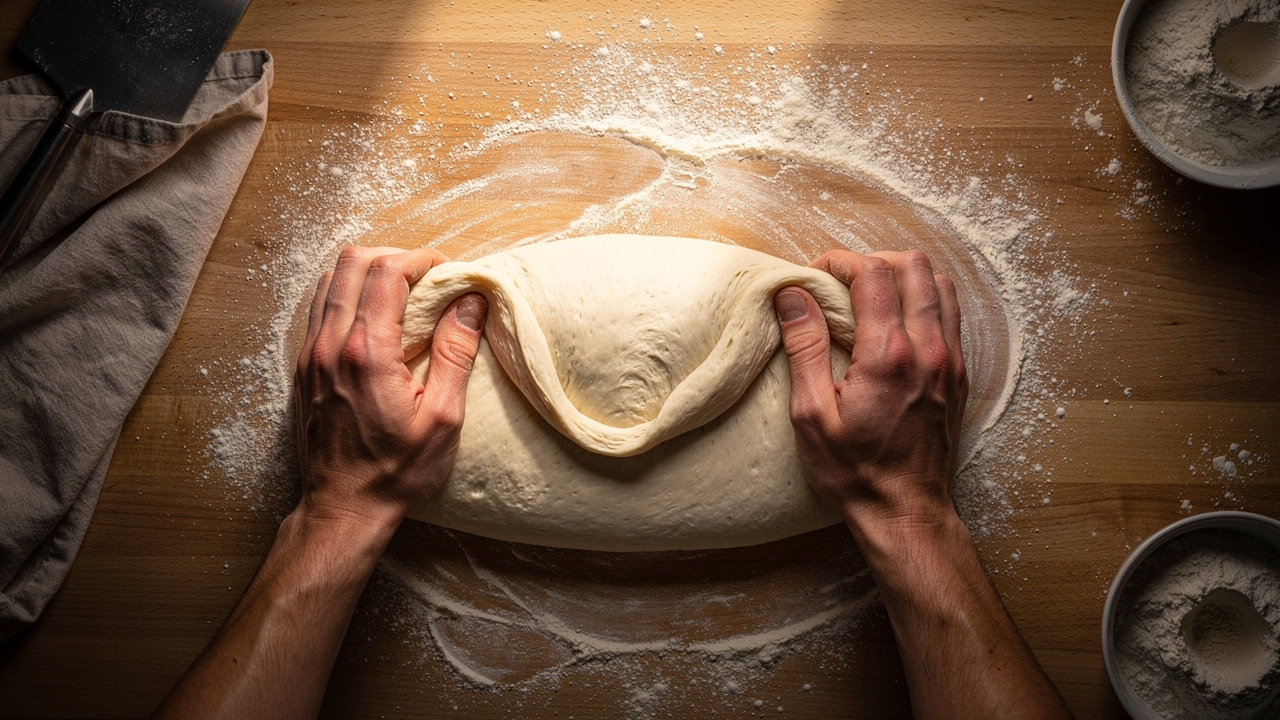
- Gentle stretch-and-fold during bulk fermentation
- 4-6 sets of folds over 2-3 hours
- Develops strength without overworking
- Best for high-hydration doughs
Autolyse
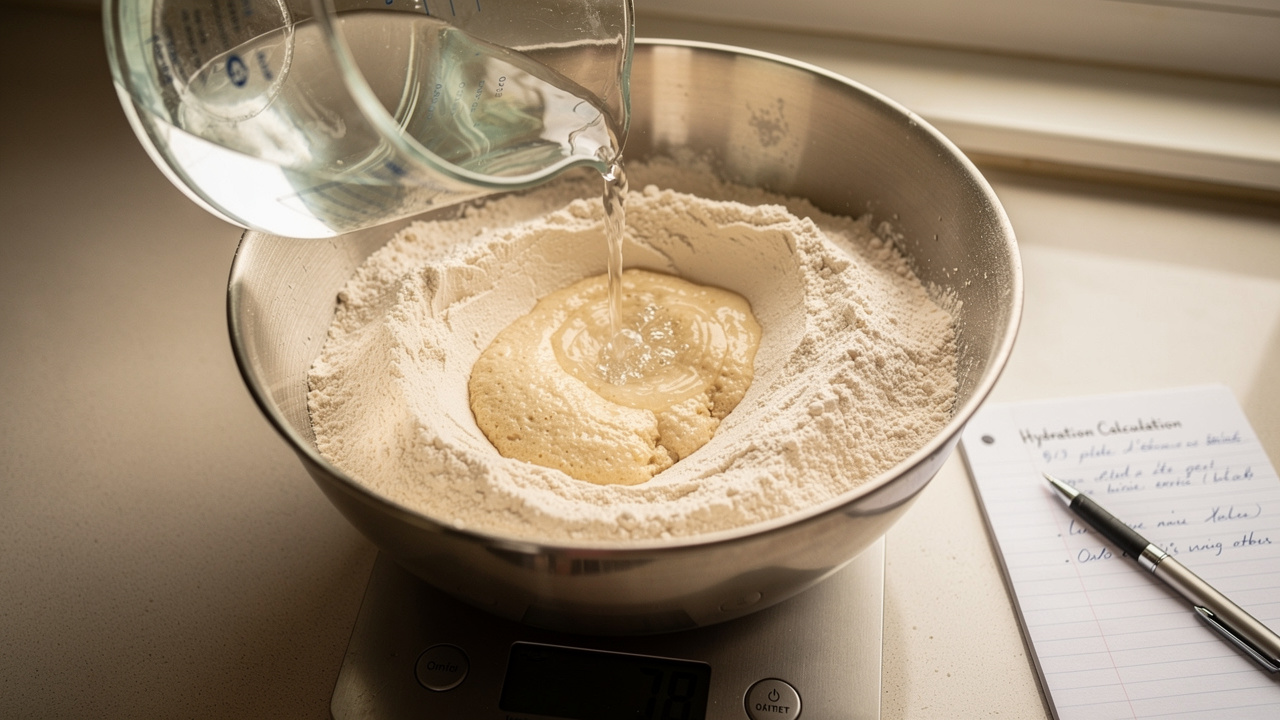
- Mix flour and water, rest 30-60 minutes
- Gluten develops passively before kneading
- Results in extensible dough, less kneading needed
Time (no-knead)
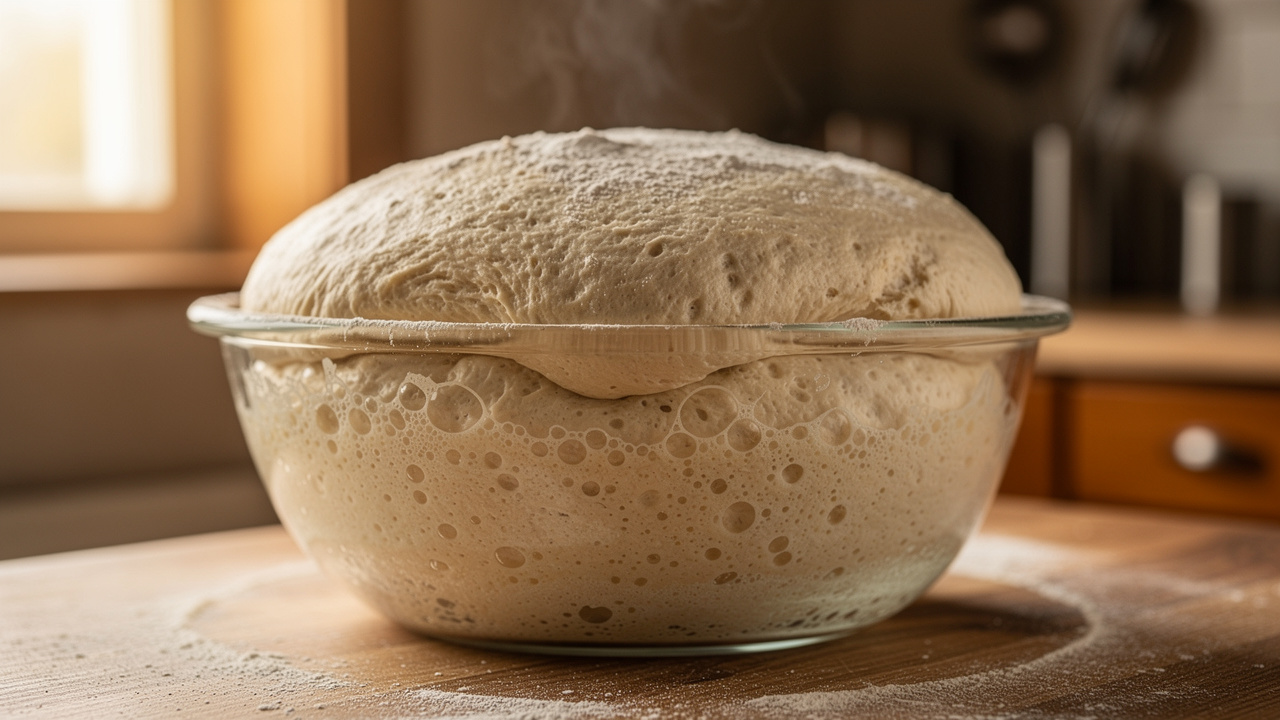
- Very wet dough sits 12-18 hours
- Gluten develops slowly through hydration alone
- Produces open crumb with minimal effort
Factors affecting gluten development
Protein content
| Flour | Protein | Gluten potential | Best for |
|---|---|---|---|
| Bread flour | 12-14% | High | Chewy breads, pizza |
| All-purpose | 10-12% | Medium | Versatile |
| Pastry/cake | 7-9% | Low | Tender baked goods |
| 00 flour | 11-13% | Medium-high | Pizza, pasta |
Hydration
- Lower hydration: Tighter gluten, denser crumb
- Higher hydration: Open, irregular crumb; harder to handle
Fats and sugars
- Fats coat gluten, slowing development (enriched doughs need more mixing)
- Sugars compete for water, also slow development
Salt
- Strengthens gluten bonds
- Add after autolyse for best effect
When you want LESS gluten
Not all baking benefits from strong gluten:
- Pie crust: Keep cold, minimal mixing
- Biscuits: Cut in fat, handle minimally
- Cakes: Use low-protein flour, don't overmix
- Pancakes: Mix until just combined; lumps are fine
Related Fond featureRecipe instructions