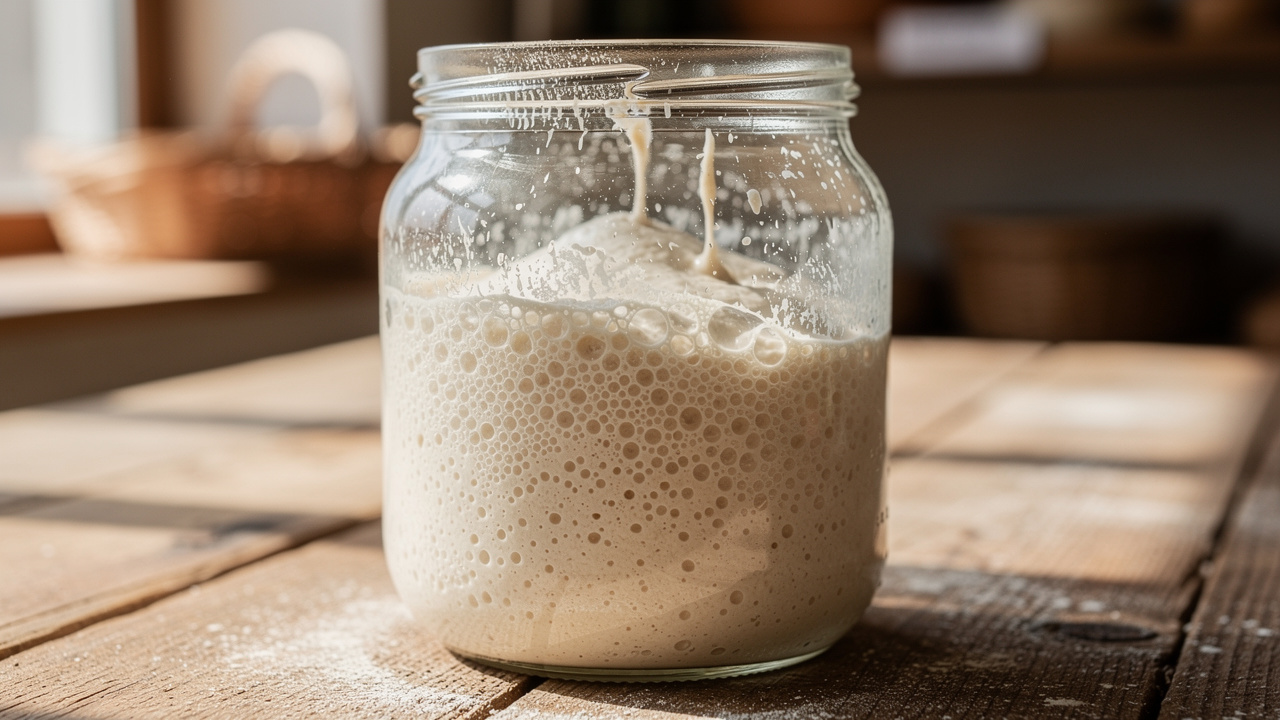
Hydration (Bread)
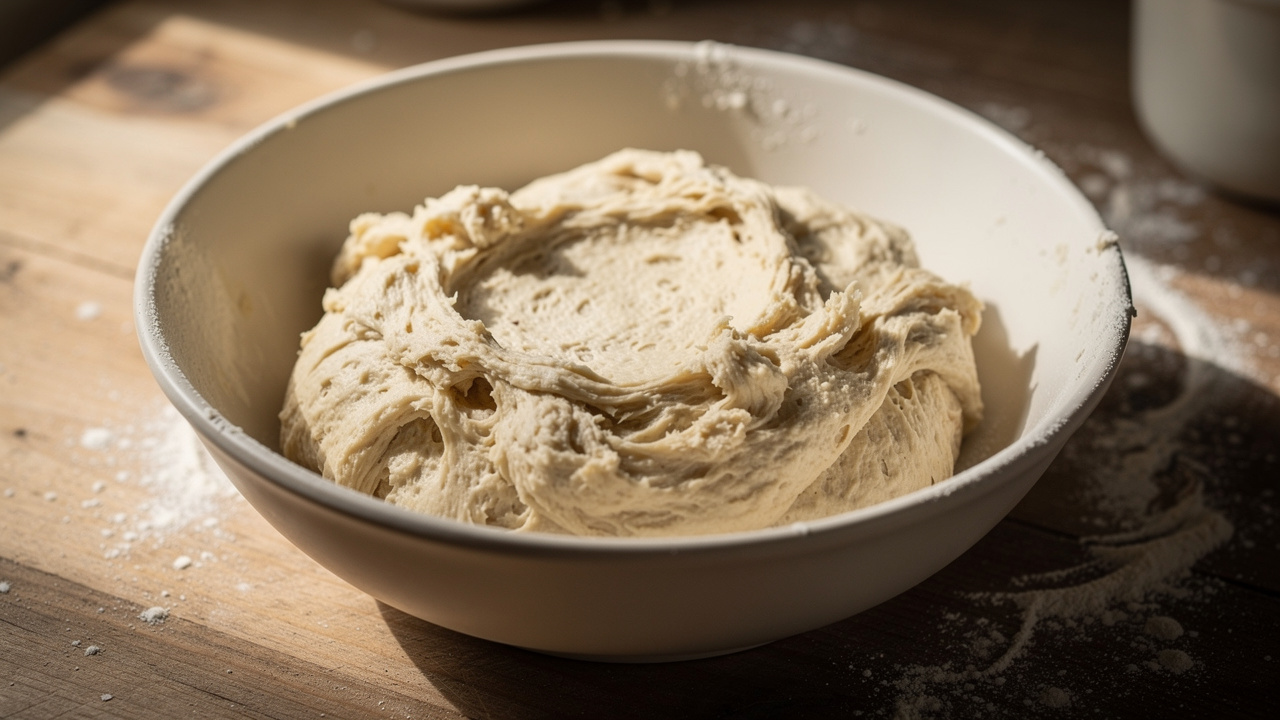
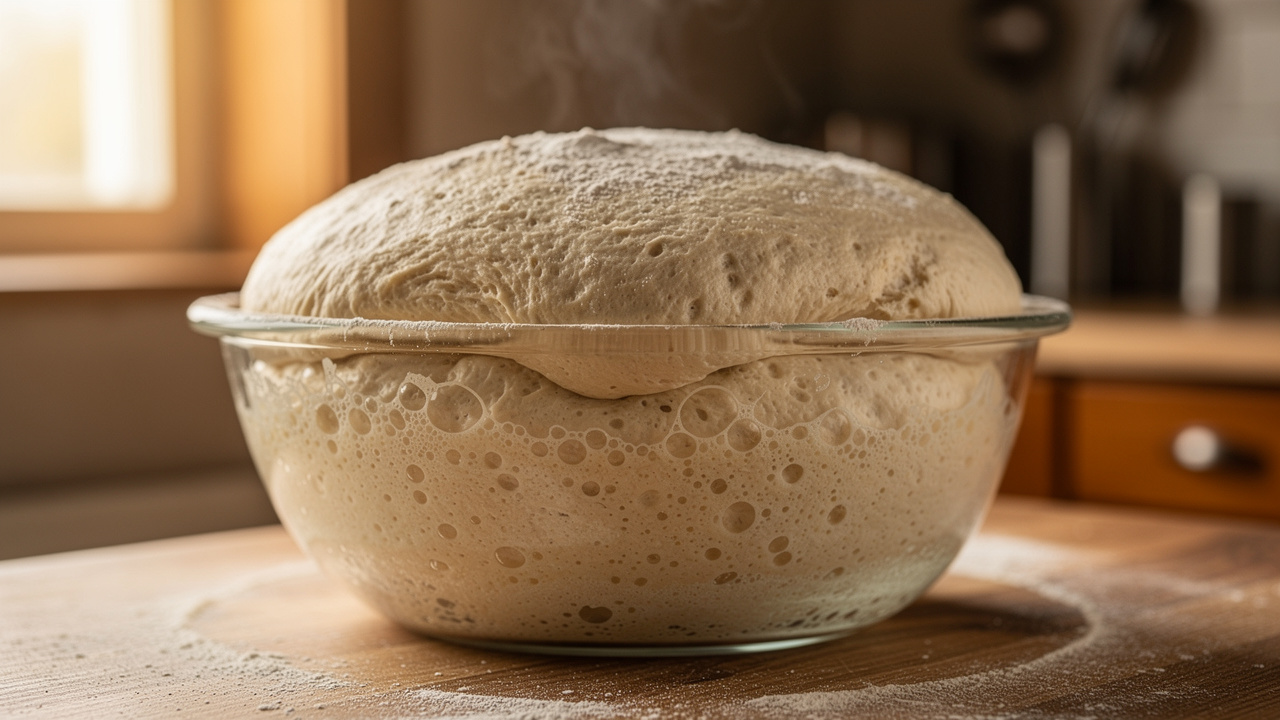
The ratio of water to flour in bread dough, expressed as a percentage. Higher hydration means wetter, more open-crumb bread.
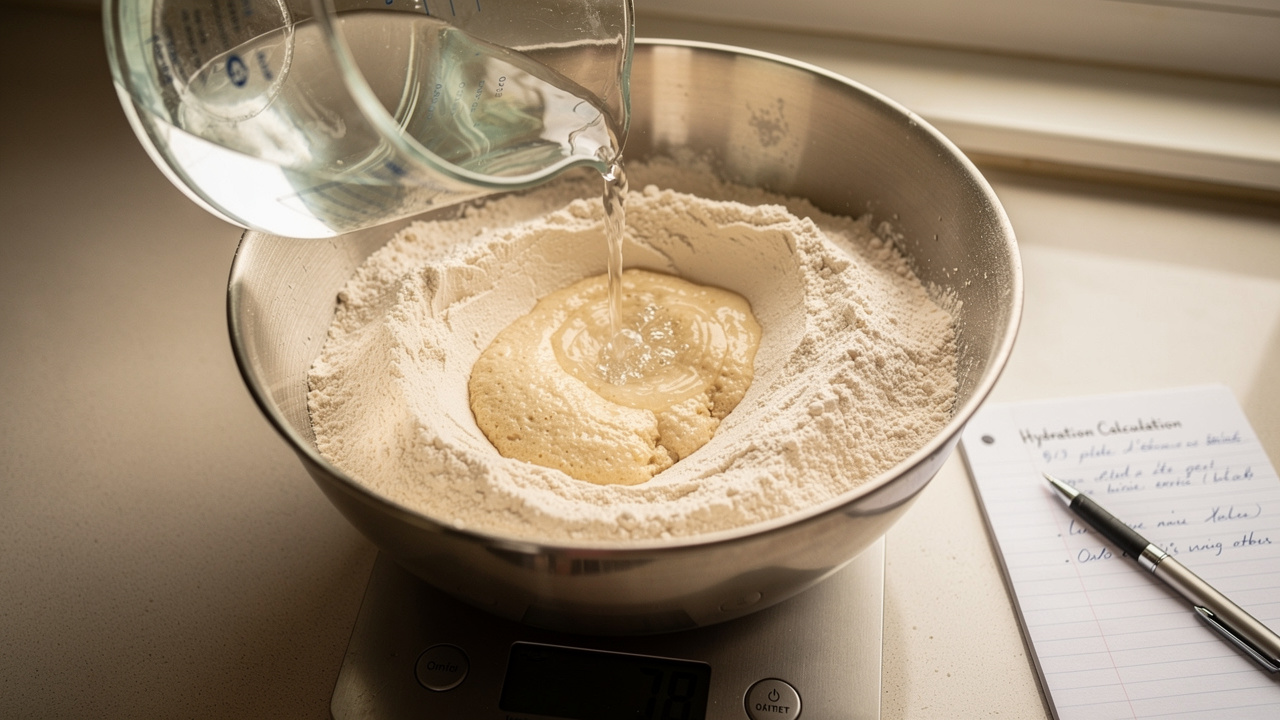
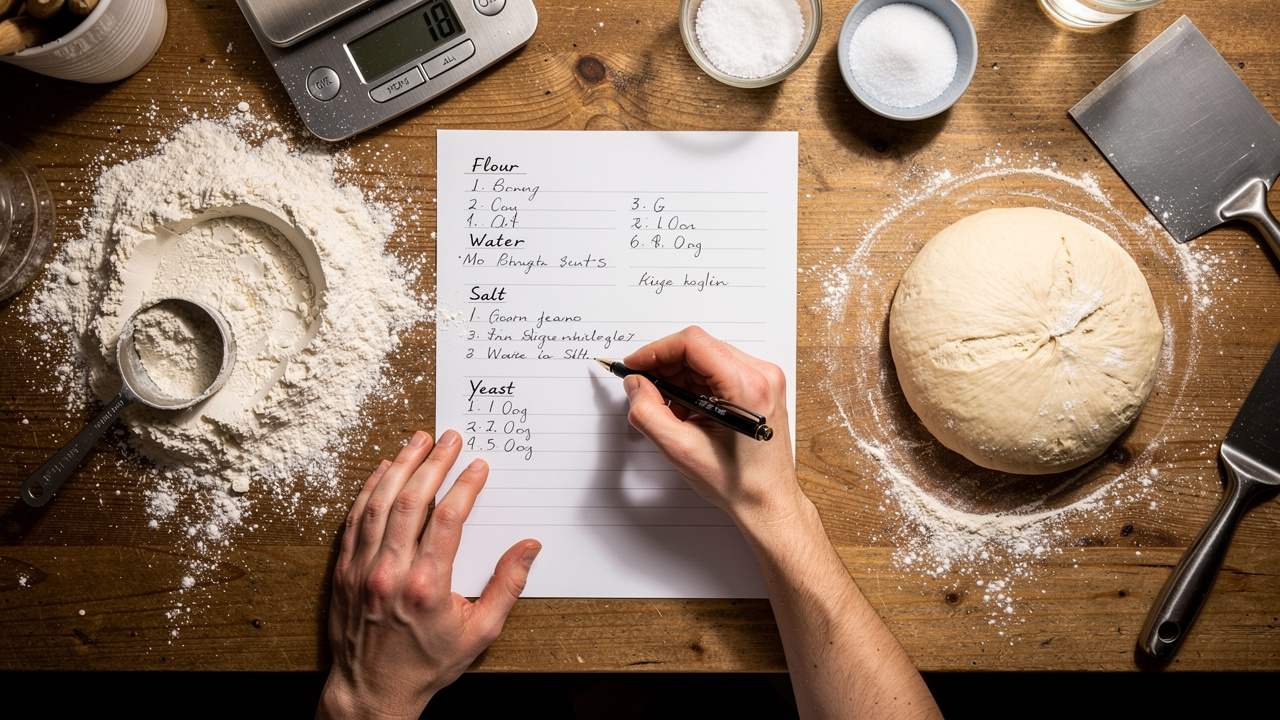
Hydration is one of the most important concepts in bread baking. It's the percentage of water relative to flour weight — the same baker's percentage system used for all bread ingredients.
The hydration spectrum
| Hydration | Dough feel | Typical breads |
|---|---|---|
| 55-60% | Stiff, easy to handle | Bagels, pretzels |
| 60-65% | Standard, slightly tacky | Sandwich bread, rolls |
| 65-70% | Soft, moderately sticky | French bread, sourdough |
| 70-75% | Wet, sticky | Ciabatta, high-hydration sourdough |
| 75-85% | Very wet, hard to handle | Focaccia, some artisan loaves |
| 85%+ | Batter-like | Some specialty breads |
Why hydration matters
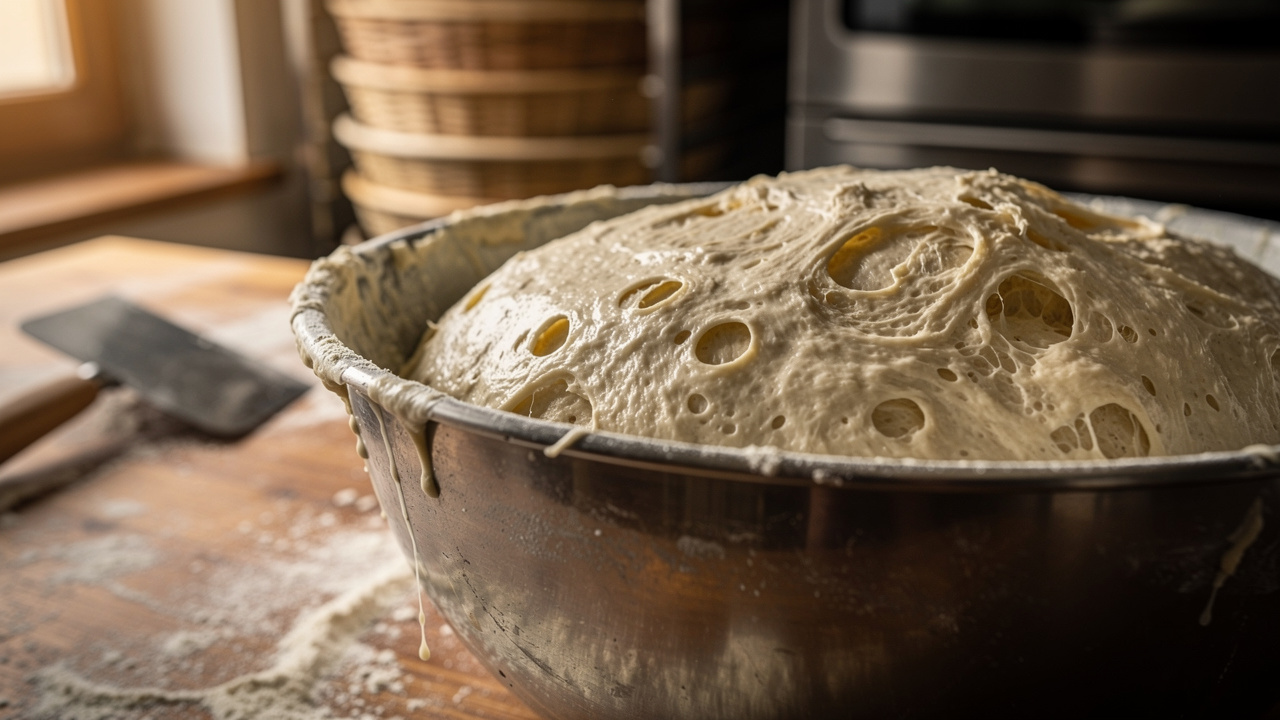
- Crumb structure: Higher hydration = larger, more irregular holes
- Crust: Wetter doughs create crispier crusts
- Shelf life: More water means the bread stays fresh longer
- Difficulty: Higher hydration requires more skill to handle
Factors that affect hydration
- Flour type: Whole wheat absorbs more water than white flour
- Protein content: Higher protein flours handle more water
- Humidity: Ambient conditions affect how dough feels
- Inclusions: Seeds, nuts, and dried fruit absorb water
Hydration in Fond
Fond's Bread Studio and Pizza Workshop track hydration for you in real-time. Tweak your recipe and the percentage updates instantly — it'll even nudge you toward the right range for your bread style.
Related Fond featureBread Studio & Pizza Workshop