Maillard Reaction
The chemical reaction between amino acids and sugars that occurs when food is heated, creating the brown color and complex flavors of seared meat, toasted bread, and roasted coffee.
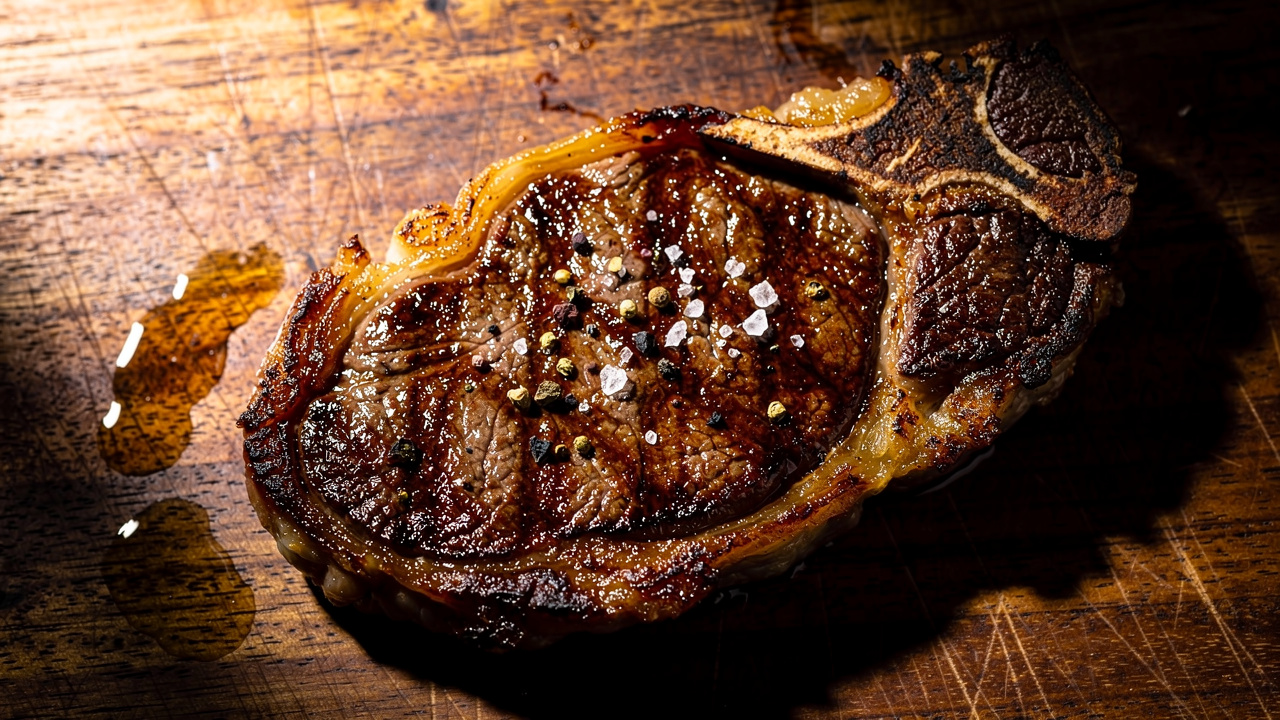
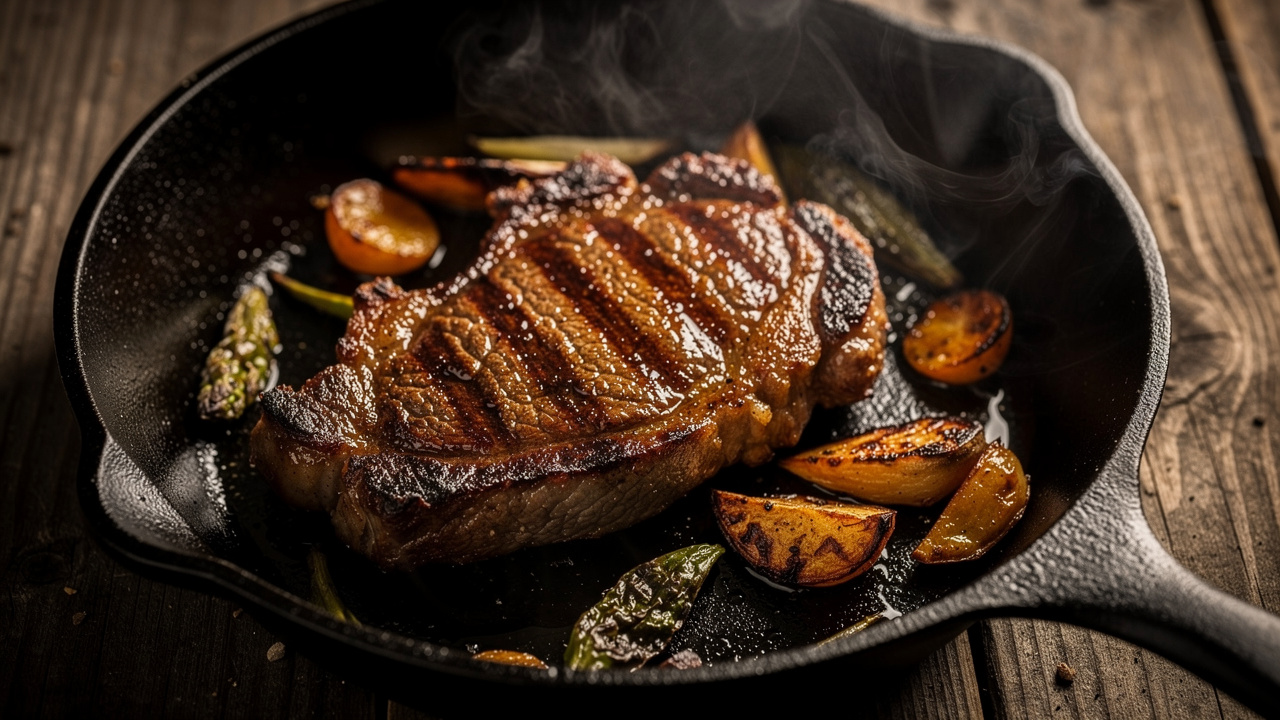
The Maillard reaction is responsible for the brown crust on seared steak, the golden color of baked bread, and hundreds of flavor compounds that make cooked food delicious. Once you know how it works, you can control it.
The science (simplified)
When food reaches 280-330°F (140-165°C), amino acids (from proteins) and reducing sugars react to form:
- Melanoidins: Brown pigments
- Hundreds of flavor compounds: Varying by food and temperature
- Aromas: The smell of cooking meat, baking bread, roasting coffee
This is different from caramelization, which only involves sugars.
Factors that affect the Maillard reaction
Temperature
- Too low (<280°F/140°C): Reaction is slow or doesn't happen
- Optimal (300-400°F/150-200°C): Best browning and flavor
- Too high (>400°F/200°C): Burning, bitter compounds
Moisture
Water prevents browning — wet food steams instead of browns.
- Pat meat dry before searing
- Don't overcrowd pans — released moisture steams food
- Use high heat — evaporates surface moisture quickly
pH level
- Alkaline (higher pH): Speeds reaction — why pretzels are dipped in lye solution
- Acidic: Slows reaction — marinades with vinegar or citrus
- Baking soda trick: A pinch helps onions brown faster
Protein and sugar content
More amino acids + sugars = more Maillard reaction
- Milk powder: Adds to baked goods for more browning
- Sugar in rubs: Helps meat brown (but watch for burning)
- Browning sauces: Concentrated Maillard products for color
Maillard vs. caramelization
| Maillard Reaction | Caramelization |
|---|---|
| Amino acids + sugars | Sugars only |
| 280-330°F (140-165°C) | 320°F+ (160°C+) |
| Savory, complex flavors | Sweet, nutty, bitter notes |
| Meat, bread, coffee | Sugar, onions, fruit |
Often both happen simultaneously in cooking.
Maximizing Maillard in cooking
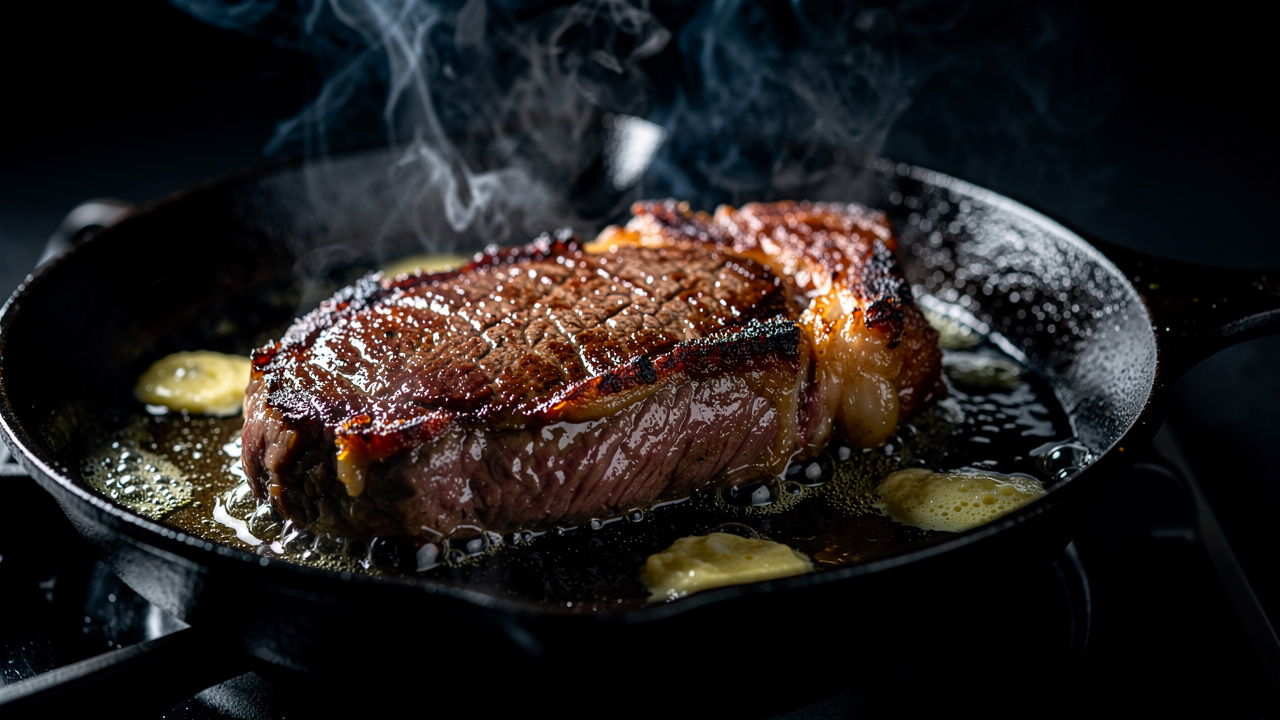
Searing meat
- Dry the surface thoroughly
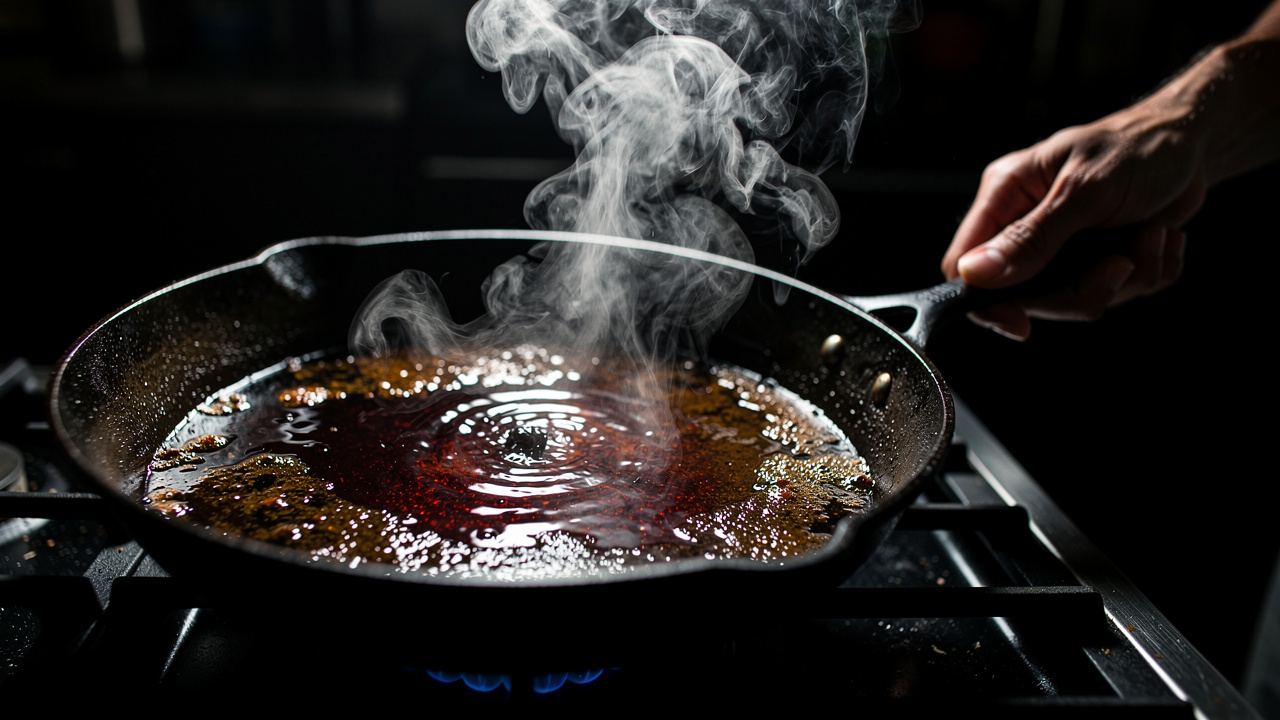
- Use a very hot pan
- Don't move it — let crust develop
- Don't overcrowd the pan
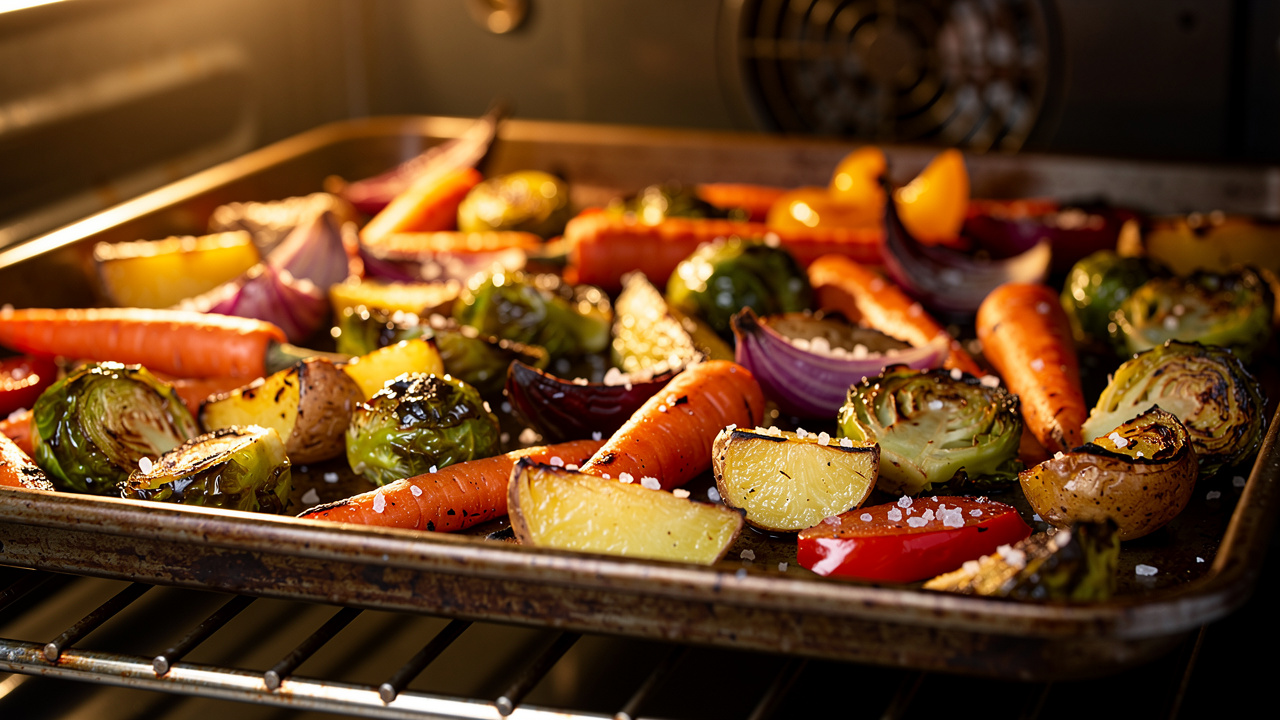
Roasting vegetables
- Cut for maximum surface area
- Toss with oil and spread in single layer
- Use high heat (400°F+/200°C+)
- Don't steam by overcrowding
Baking bread
- High initial oven temperature
- Steam in first minutes (helps gelatinize surface)
- Then dry heat for browning
Related Fond featureCook mode