Roasting
Dry-heat oven cooking method that caramelizes the exterior while keeping the interior moist and tender.
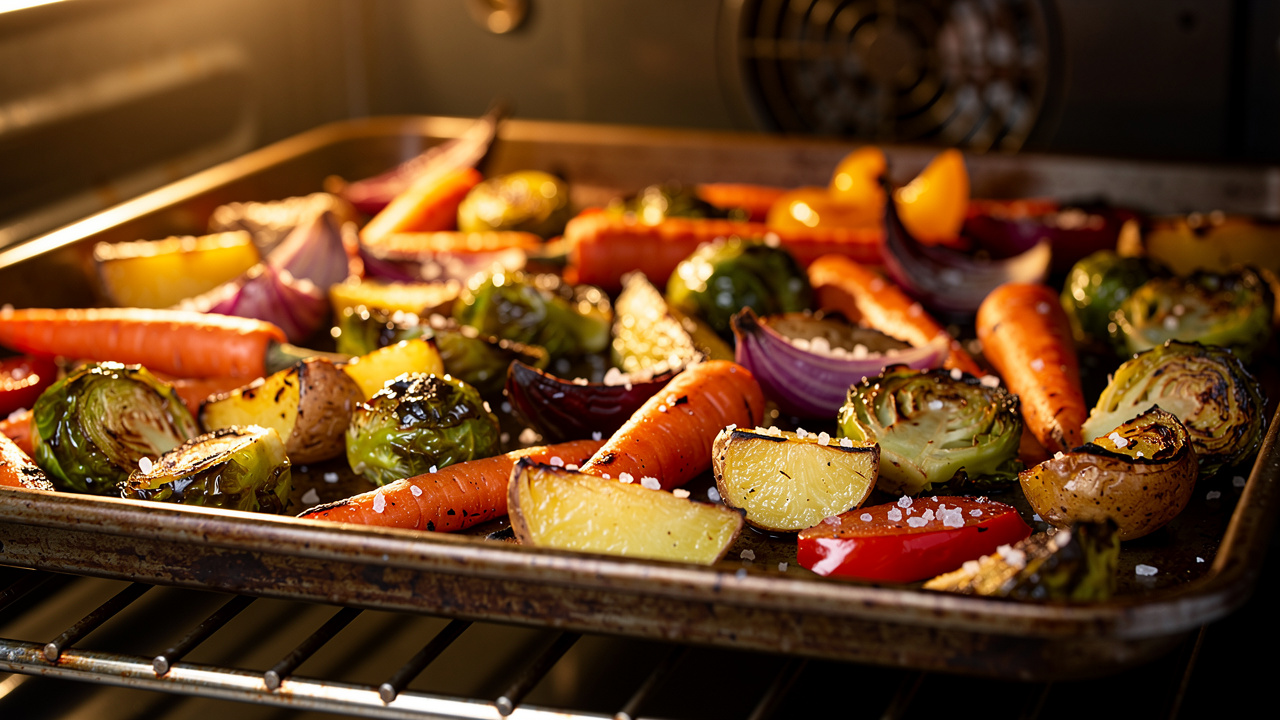
Roasting uses dry heat in an enclosed oven to cook food from all sides. The hot air circulates around the food, creating caramelization on the exterior while the interior cooks through radiant heat.
Roasting temperatures
| Food | Temperature | Notes |
|---|---|---|
| Whole chicken | 425°F / 220°C | High heat for crispy skin |
| Beef roast | 325-450°F / 160-230°C | Varies by cut and doneness |
| Vegetables | 400-425°F / 200-220°C | High heat for caramelization |
| Pork loin | 375°F / 190°C | Medium heat to prevent drying |
| Fish | 400°F / 200°C | Quick roasting preserves moisture |
Keys to great roasting
- Start with room temperature food — removes from fridge 30-60 minutes early
- Don't overcrowd the pan — space allows hot air circulation
- Use a rack when possible — elevates meat for even cooking
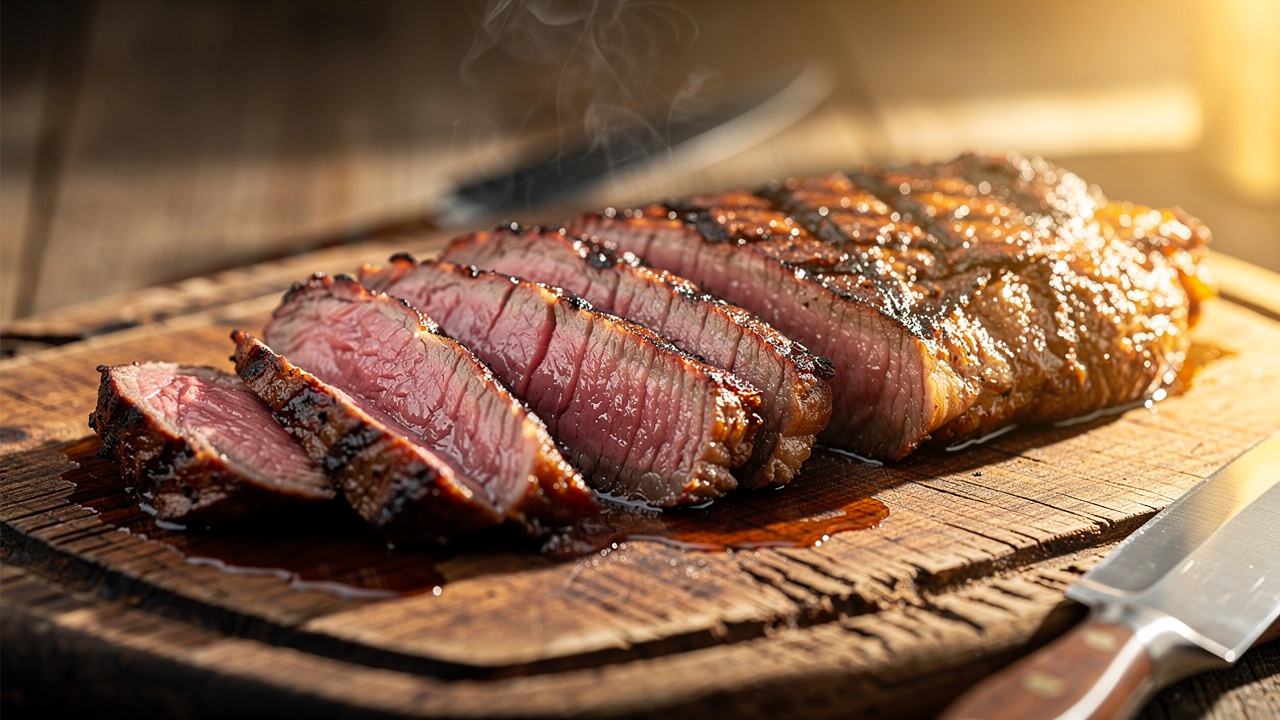
- Rest before carving — allows juices to redistribute
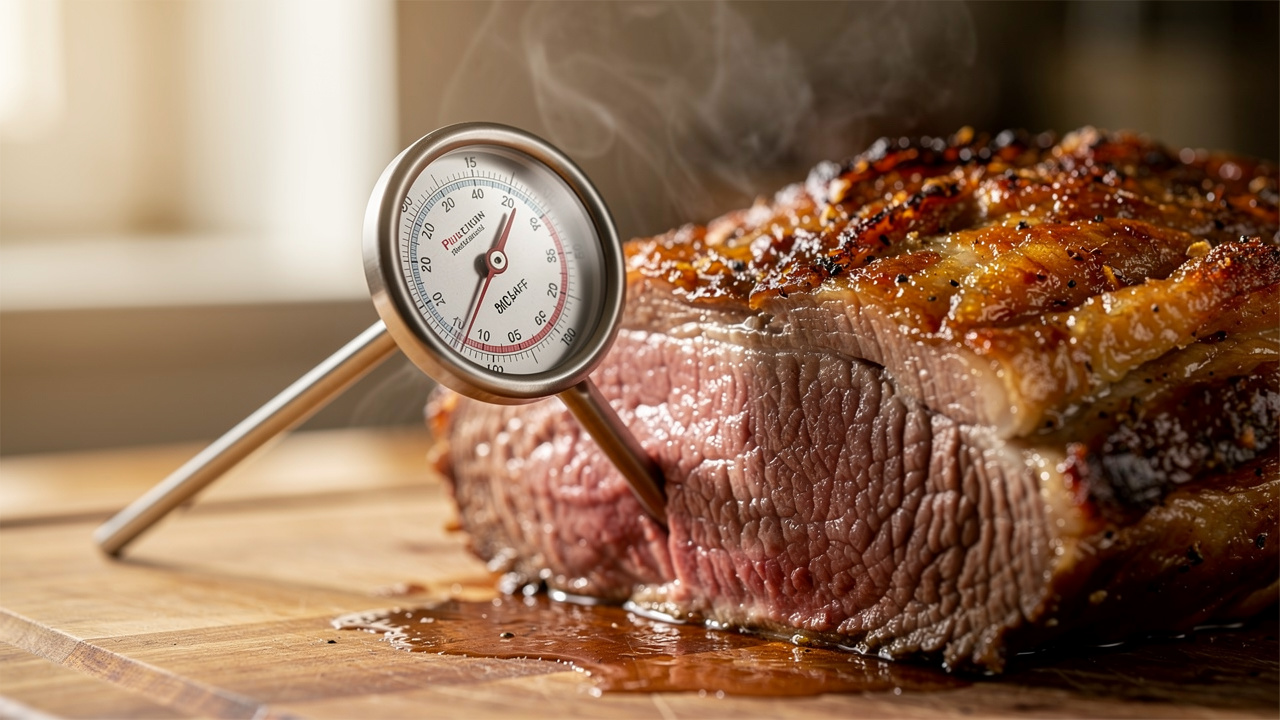
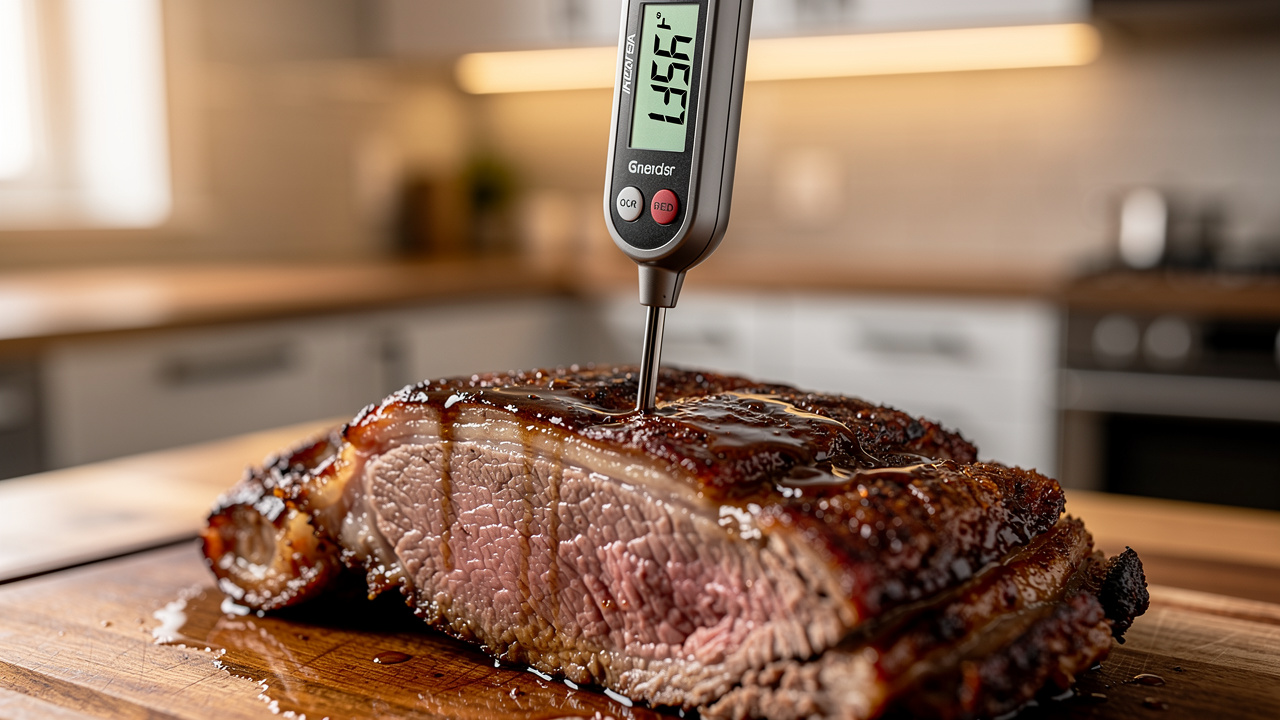
- Use a thermometer — internal temp is the only reliable doneness test
Roasting vs. baking
While both use dry oven heat, roasting typically refers to:
- Higher temperatures (above 400°F / 200°C)
- Uncovered cooking for browning
- Proteins and vegetables rather than baked goods
- Emphasis on caramelization and crust development
The reverse sear method
For thick cuts of meat:
- Roast at low temperature (250°F / 120°C) until nearly done
- Rest briefly
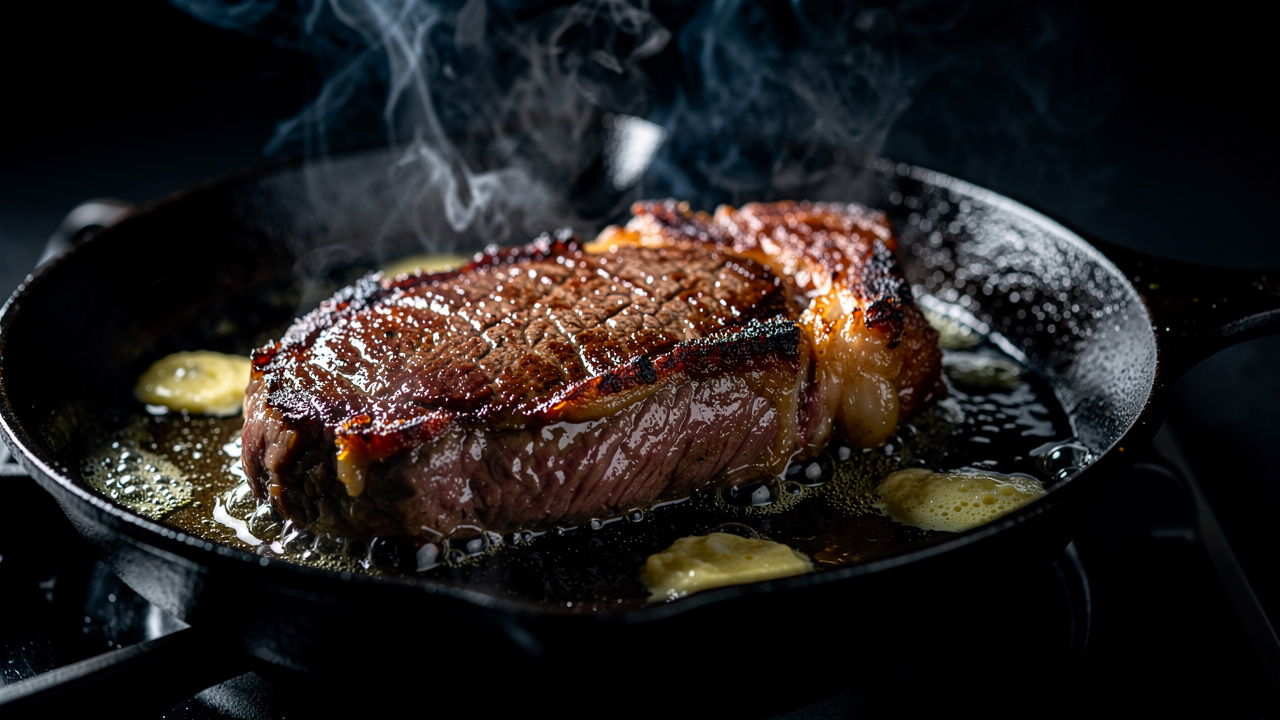
- Sear in a hot pan or under the broiler
- Result: edge-to-edge even doneness with a perfect crust
Related Fond featureCook mode