Yeast Types
The three main bread yeasts — active dry, instant, and fresh — differ in how they're processed and used, but can be converted between each other.
Understanding yeast types helps you substitute confidently and troubleshoot bread problems. All bread yeasts are the same organism (Saccharomyces cerevisiae), just processed differently.
The three main types
Active Dry Yeast
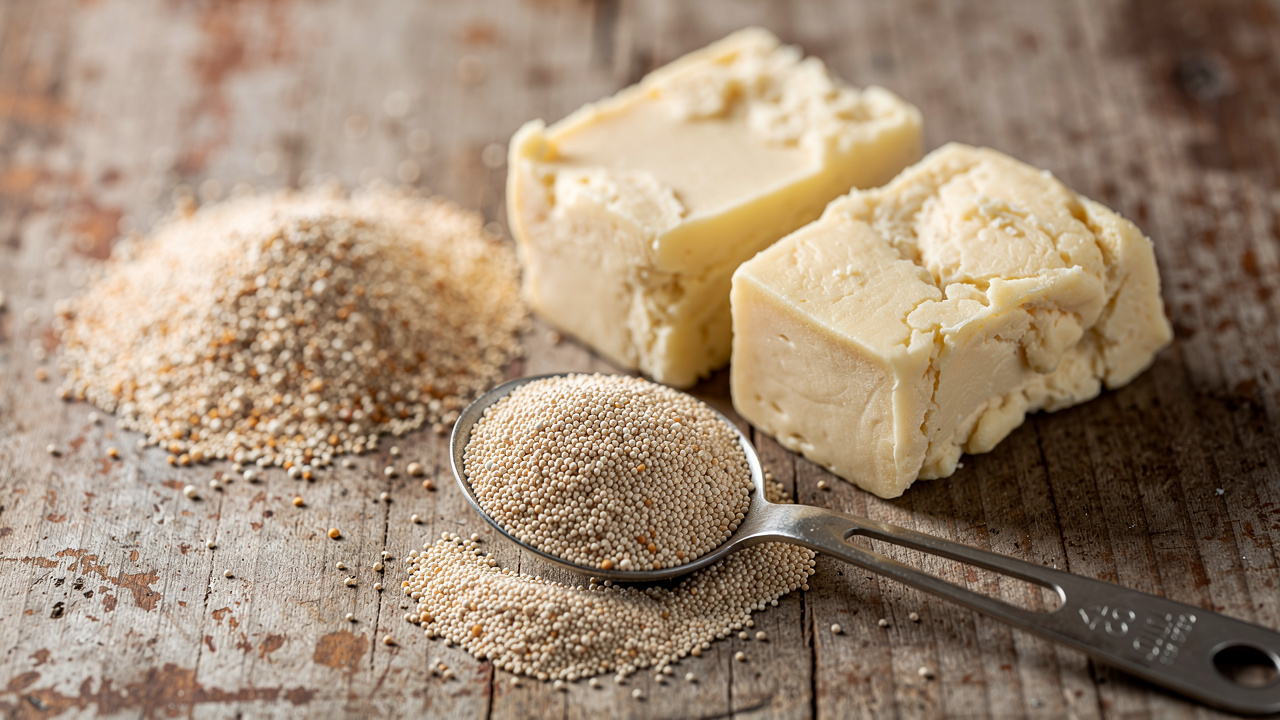
- Form: Dormant granules with dead outer cells
- Activation: Must be proofed in warm water (100-110°F / 38-43°C)
- Rise time: Standard
- Shelf life: 1-2 years unopened; 4-6 months after opening
- Best for: Traditional recipes, when you want to verify yeast activity
Instant Yeast (Rapid Rise / Bread Machine)
- Form: Smaller, porous granules
- Activation: Mix directly with dry ingredients — no proofing needed
- Rise time: About 50% faster than active dry
- Shelf life: 1-2 years unopened; 4-6 months after opening
- Best for: Quick breads, bread machines, no-proof convenience
Fresh Yeast (Cake / Compressed)
- Form: Soft, crumbly blocks
- Activation: Crumble into lukewarm liquid
- Rise time: Fastest
- Shelf life: 2-3 weeks refrigerated; freezes poorly
- Best for: Professional baking, enriched doughs, European recipes
Conversion chart
| Starting with | Active Dry | Instant | Fresh |
|---|---|---|---|
| 1 tsp Active Dry | — | 3/4 tsp | 2 tsp (7g) |
| 1 tsp Instant | 1 1/4 tsp | — | 2 2/3 tsp (9g) |
| 1 oz Fresh (28g) | 1 1/3 tbsp | 1 tbsp | — |
Quick rule: Fresh = 3x active dry by weight; Instant = 0.75x active dry
Proofing active dry yeast
- Warm water to 100-110°F / 38-43°C (like a warm bath)
- Dissolve a pinch of sugar (feeds the yeast)
- Sprinkle yeast over surface — don't stir yet
- Wait 5-10 minutes
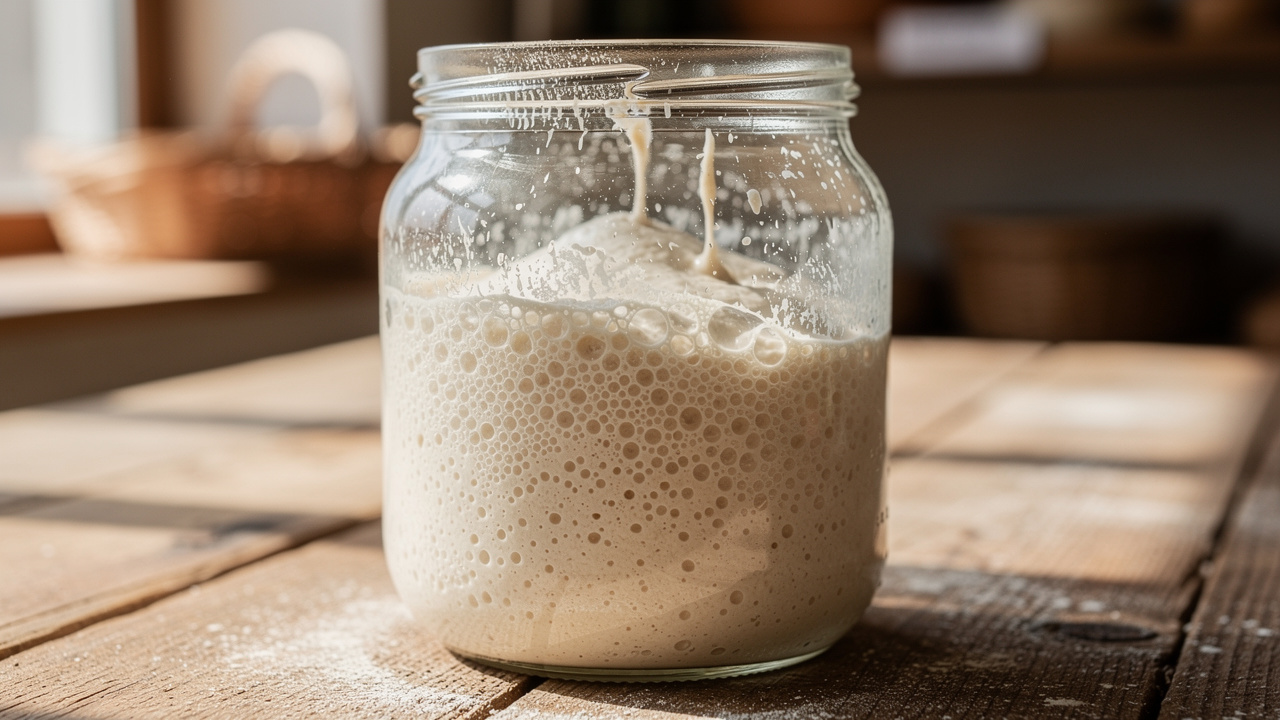
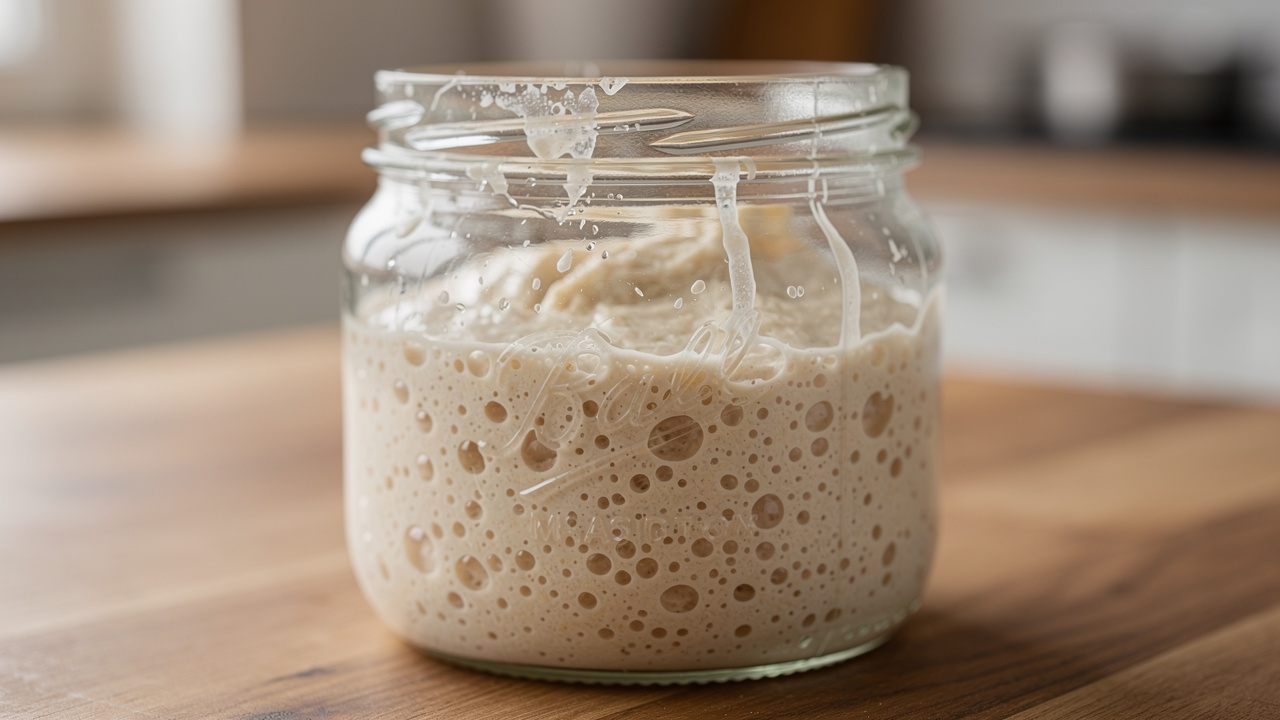
- Should foam and bubble; if not, yeast is dead — don't use it
Common problems and causes
| Problem | Likely cause |
|---|---|
| Dough won't rise | Dead yeast, water too hot (killed it), water too cold (inactive) |
| Slow rise | Old yeast, cold environment, too much salt touching yeast |
| Over-risen, collapsed | Too much yeast, too long bulk fermentation |
| Dense bread | Not enough yeast, under-proofed, over-kneaded |
Storage tips
- Unopened: Cool, dark place or refrigerator
- Opened: Refrigerate in airtight container
- Freezing: Instant and active dry freeze well; fresh does not
- Test before using: Proof in warm water with sugar to verify activity
Related Fond featureRecipe scaling