 Bastien
Risotto Technique
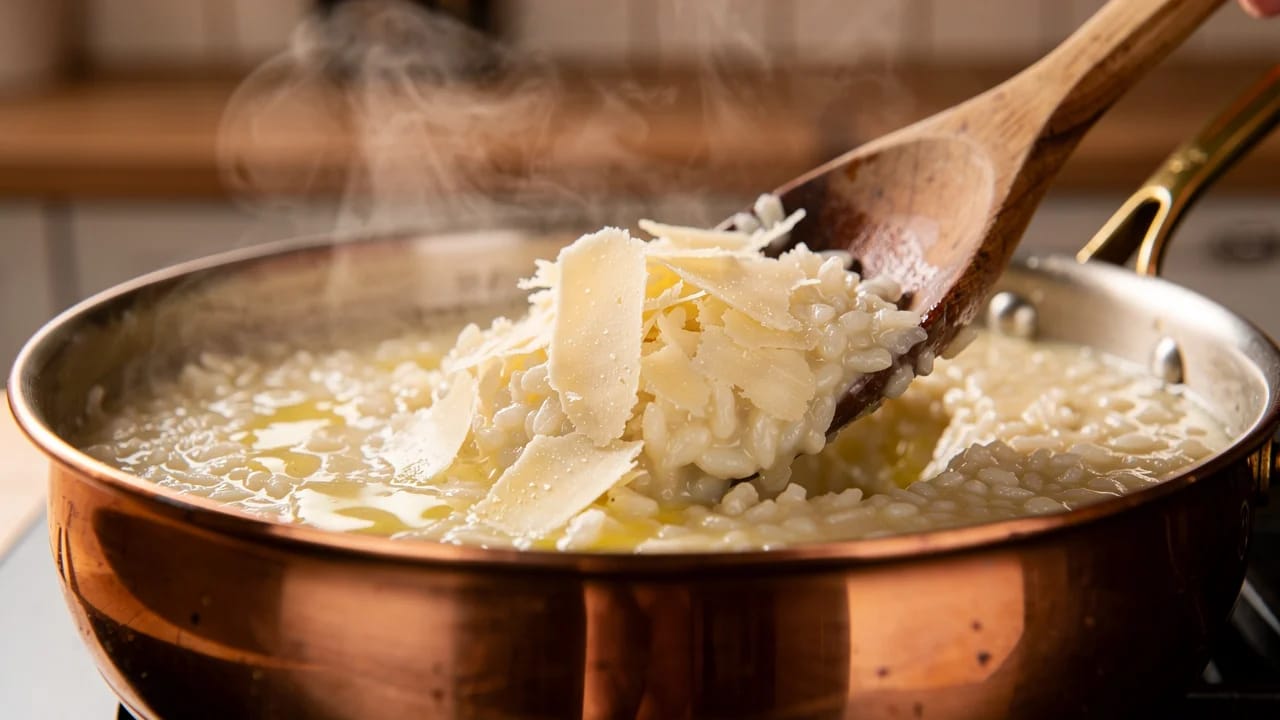
Risotto technique is the Italian method of toasting short-grain rice, then cooking it in hot broth added a ladle at a time while stirring to release starch, and finishing off the heat with butter and cheese for a creamy, flowing dish without any cream.
Risotto technique is the Italian method of making risotto: toast short-grain rice in fat (tostatura), deglaze it with wine (sfumatura), cook it by adding hot broth a ladle at a time while stirring (cottura), then finish off the heat with cold butter and Parmigiano (mantecatura). The stirring coaxes starch out of each grain and turns the broth into a naturally creamy sauce, with no cream involved. The result, when done right, is all'onda: rice that flows in a wave when you tilt the plate, each grain cooked al dente at the center. The whole thing takes about 20 minutes of attention, which is the real skill.
What makes risotto unique among rice dishes is the deliberate manipulation of starch. Ordinary rice cooking runs in the opposite direction, rinsing that surface starch away so the grains stay separate. Italian short-grain varieties like Arborio, Carnaroli, and Vialone Nano contain high levels of amylopectin, a branched starch molecule that dissolves easily when agitated in hot liquid. This dissolved starch thickens the surrounding broth into a velvety sauce that clings to every grain. No roux, no cream, no thickener: just rice, broth, and patience.
The most common first-risotto failure is a thin pan and high heat, which scorches the bottom before the rice is cooked. Risotto doesn't reward impatience: a heavy pan and medium heat are the whole game.
What are the four stages of risotto?
Which rice should you use for risotto?
Not all risotto rice is equal. The three main Italian varieties each have a different starch profile and best use.
Carnaroli is often called the "king of risotto rice" because its higher amylose content (the linear starch that stays firm) gives it a wider window between perfectly cooked and overcooked. If you're just learning, Arborio is more widely available and very forgiving. Vialone Nano is the traditional choice in the Veneto region, particularly for risotto all'onda.
What are the right ratios for risotto?
Always have more broth heated than you think you need. Running out of broth mid-cook means stopping the process, and the rice keeps absorbing.
What makes risotto creamy?
Risotto's texture comes down to two starch molecules inside each rice grain. Amylopectin is a highly branched molecule that dissolves easily in hot water when mechanically agitated, and this is what thickens your risotto into a sauce. Amylose is a straight-chain molecule that stays tightly packed inside the grain, keeping the center firm and giving you that al dente bite.
Italian short-grain rice has a higher ratio of amylopectin to amylose than long-grain varieties like basmati or jasmine, which is why those varieties will never produce a proper risotto no matter how much you stir.
The tostatura step isn't just tradition: coating the grain in fat creates a temporary barrier that slows water absorption, giving you more control over the cooking process. And the mantecatura works because the cold butter emulsifies with the hot starch suspension, similar to how you'd mount a sauce with butter in French cooking.
How do you fix common risotto problems?
You cooked too long or added too much liquid at once. Use a timer from the first ladle of broth and start checking doneness at 15 minutes. Each grain should still have a tiny firm core when you bite it.
Not enough liquid or not enough time. If you've run out of broth, heat water as a backup and keep going. The rice is done when there's no chalky resistance at the center, a subtle difference from al dente, which should feel tender with just a slight bite.
Too much broth was added at the end, or the mantecatura was skipped. Let the risotto sit in the pan (off heat) for 60 seconds; it will continue to thicken. Remember: it should flow, not run.
Over-stirring or stirring too aggressively tears the grains apart, releasing too much amylose. Stir firmly but gently; you're coaxing starch from the surface, not mashing the rice. Carnaroli is more resistant to this problem than Arborio.
What are the best tips for making risotto?
The trick many Italian cooks swear by is to pull the risotto slightly undercooked before mantecatura. The residual heat finishes the cooking during the butter-and-cheese step, giving you a narrow but reliable window for perfect texture.
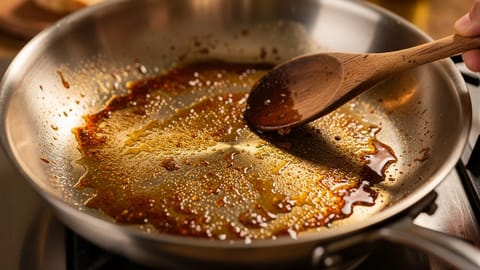
Keep your fond game strong: if you're making a mushroom risotto, deglaze the mushroom pan and add those juices to your broth. Every layer of flavor compounds.
Never rinse risotto rice. You'd wash away the surface starch that creates the creaminess. And never cover the pot, as trapped steam overcooks the top layer.
Are there modern approaches to risotto?
Some modern chefs use a pressure cooker or even a no-stir oven method for risotto. These shortcuts can produce decent results, but they skip the gradual starch release that defines true risotto technique. The oven method (rice baked al forno style in a covered dish) gives you a creamy rice dish, but the texture lacks the characteristic all'onda flow.
For reduction-style risottos where the broth is intensely flavored (saffron, bone marrow, or seafood stock), reduce your broth concentration slightly. The flavors will concentrate as the rice absorbs liquid.
What are the classic risotto variations?
- Risotto alla milanese. Saffron, bone marrow, white wine, Parmigiano
- Risotto ai funghi porcini. Dried porcini, fresh mushrooms, parsley
- Risotto al nero di seppia. Cuttlefish ink, garlic, white wine (no cheese)
- Risotto alla zucca. Roasted butternut squash, amaretti, nutmeg
- Risotto al radicchio. Treviso radicchio, red wine, Gorgonzola