
Bastien
CEO & Co-founderBastien is the CEO and co-founder of Fond. He's passionate about making home cooking more accessible through thoughtful technology and well-tested recipes.
Blog
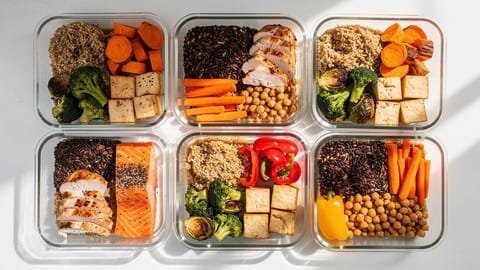
Batch cooking for beginners: how to cook once and eat all week
Batch cooking means spending a few hours cooking large quantities of versatile components (grains, proteins, roasted vegetables, sauces) that you portion, store, and combine into different meals all week. This guide covers what it is, how it differs from meal prep, how to plan a session, what to cook, how to store it safely, and a sample Sunday plan.
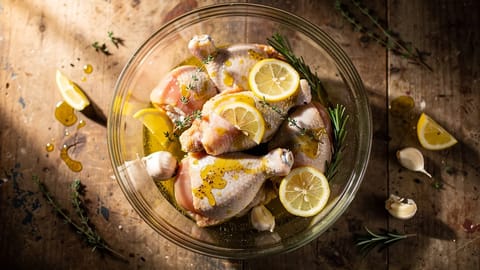
The best marinade for chicken (6 recipes that actually work)
The best marinade for chicken combines acid, oil, salt, and aromatics in roughly a 1:3 acid-to-oil ratio. Here are 6 marinades, how long to marinate each cut, which ones suit the grill, and what to never put in the bowl.
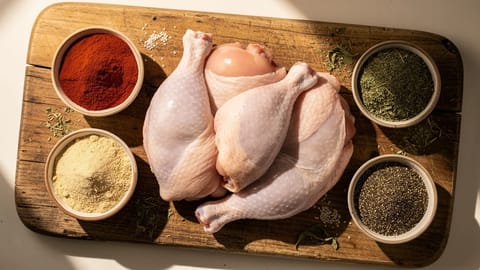
The best seasoning for chicken (1 master blend + 6 variations)
The best all-purpose seasoning for chicken is salt, garlic powder, smoked paprika, onion powder, black pepper, and dried oregano. Here is the master blend, a spice-by-spice guide, and how to adapt it for grilling, baking, frying, and each cut.
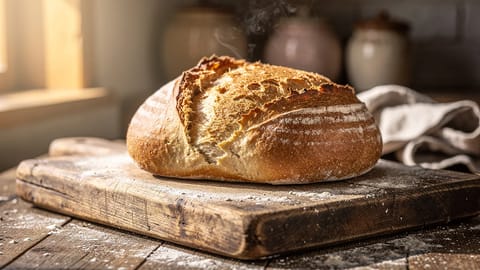
Bread baking for beginners: your first loaf, start to finish
A complete walkthrough for baking your first loaf of bread at home. Covers the four core ingredients, kneading by hand or mixer, proofing, shaping, and baking, with temperatures, times, and troubleshooting for every step.
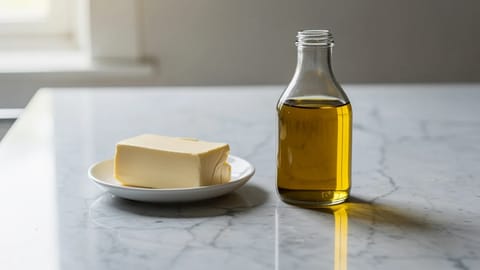
Butter vs oil: when to use each in cooking and baking
Butter and oil each have strengths in the kitchen. Butter brings flavor, browning, and flaky pastry. Oil brings higher heat tolerance, moisture, and a longer shelf life. Knowing when to reach for each — and when to combine them — makes every dish better.
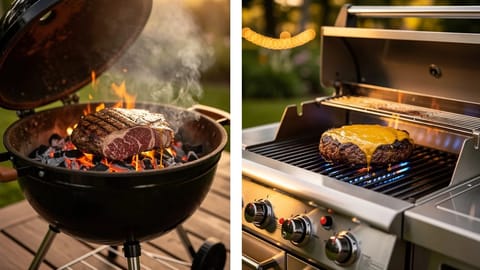
Charcoal vs Gas Grill: Which One Fits How You Cook?
A practical comparison of charcoal and gas grills across flavor, heat control, cleanup, ongoing cost, storage, and safety. Choose from the way you cook instead of a universal winner.
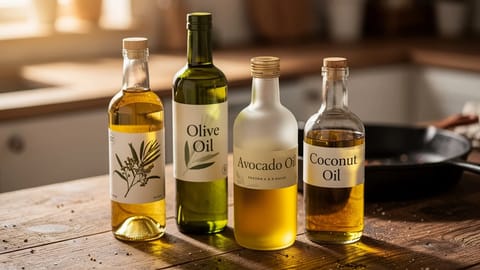
Cooking oil smoke points: a practical chart and guide
Smoke-point charts are useful only when their numbers are treated as approximate. Learn how refinement, oil condition, and cooking method affect the oil you should choose.
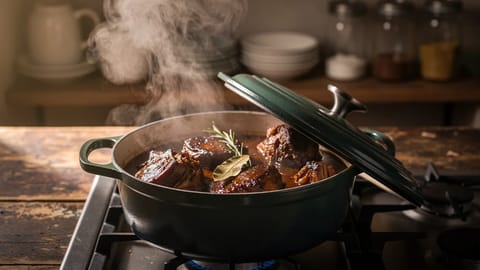
Dutch oven cooking: techniques, temperatures, times, and recipes
A Dutch oven is the most versatile pot in your kitchen. This guide covers every technique it does best, braising, simmering, bread baking, roasting, and frying, with a complete temperature and timing chart, plus 20 recipes organized by method.
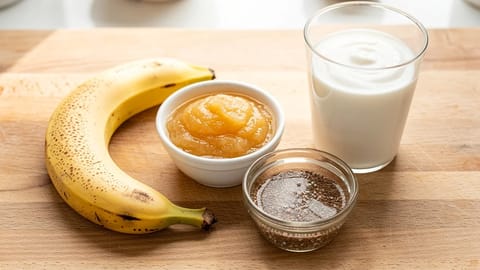
Egg substitutes for baking: ratios by recipe
A practical guide to egg substitutes for baking, with starting ratios for flax, applesauce, aquafaba, tofu, and more. Match each option to the egg's role and the type of bake.
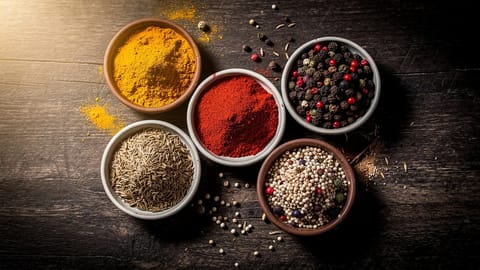
Essential spices for home cooking: build your flavor arsenal
A practical guide to the 15 spices every home cook should own, organized by priority tier. Covers flavor profiles, best pairings, storage advice, and how to build a collection without wasting money on jars you'll never open.
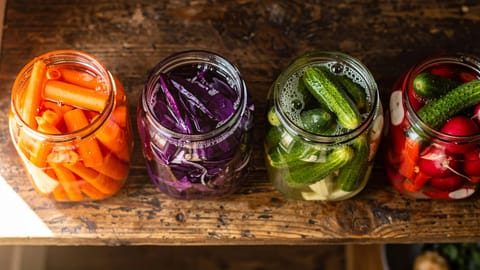
How to ferment vegetables at home: a beginner's guide
A practical guide to home fermentation that starts with a 2% salt sauerkraut and builds to pickles, yogurt, kombucha, and sourdough. Covers the science, the equipment you actually need, safety rules, and troubleshooting.
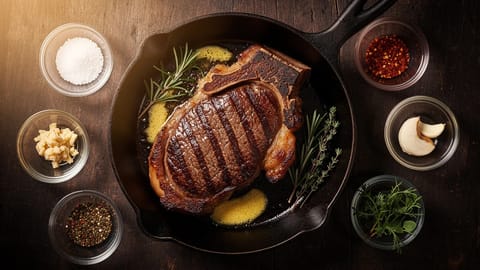
The chemical reactions behind everyday cooking
Cooking runs on a short list of chemical reactions: Maillard browning, caramelization, protein denaturation, starch gelatinization, emulsification and fermentation. This food science guide charts each one against the temperature where it gets going, explains which kitchen changes are chemical and which are only physical, and sorts the reliable cooking rules from the myths.
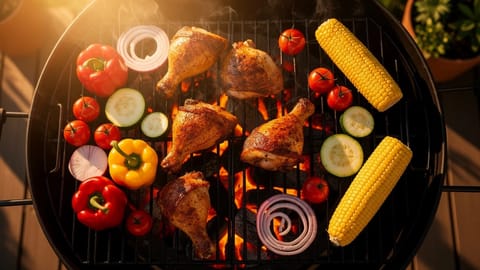
Grilling for beginners: a no-nonsense starter guide
Everything you need to start grilling with confidence. Covers choosing between charcoal and gas, setting up heat zones, essential tools, first-cook recipes, and the mistakes that trip up every beginner.
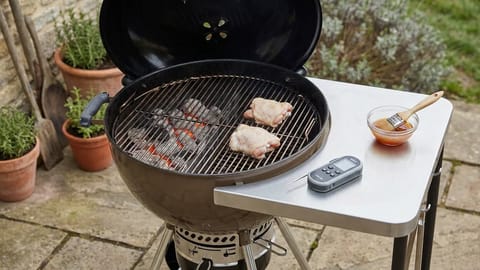
12 grilling mistakes that ruin your food (and how to fix them)
Twelve fixable mistakes cause most ruined cookouts: skipped preheats, a single heat zone, sauce applied too early, no thermometer. Here is the symptom, the fix, and the grill science behind each one.
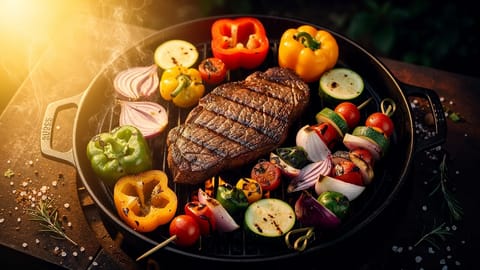
Grilling temperature guide for every meat
A complete meat temperature chart for grilling. Internal target temps for beef, chicken, pork, burgers, and fish, the grill temperature to use for chicken and steak, official safe minimums, and carryover cooking explained.
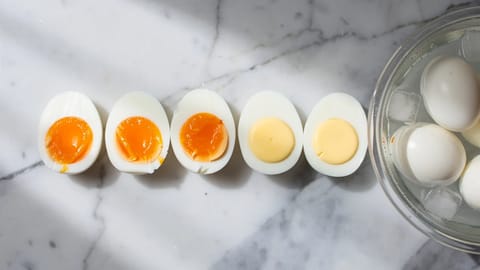
How long to boil eggs for soft, jammy, and hard yolks
For large refrigerated eggs lowered into boiling water, start at 6 minutes for a runny yolk, 8 minutes for jammy, or 11-12 minutes for hard-cooked.
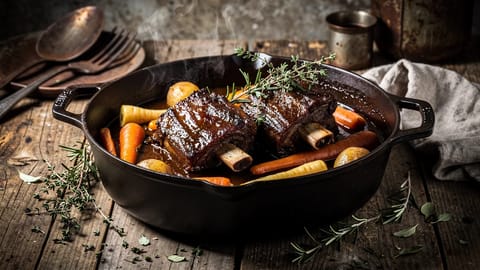
How to braise meat: the complete guide to low and slow cooking
Everything you need to braise meat at home. Covers the best cuts for braising, step-by-step technique, braising liquids, equipment, and global traditions from French daube to Korean galbi-jjim — with times, temperatures, and troubleshooting.
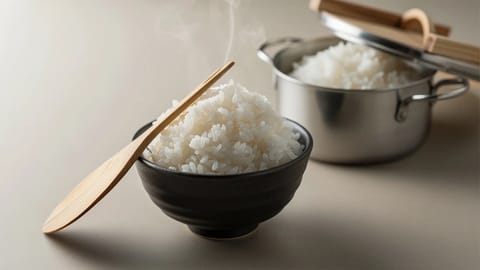
How to cook rice perfectly every time
Rice is the most consumed grain on the planet, yet it trips up even confident home cooks. Too sticky, too mushy, burned on the bottom. The failures are predictable, and so are the fixes. Learning how to cook rice well comes down to the right water ratio, proper heat control, and leaving it alone while it cooks.
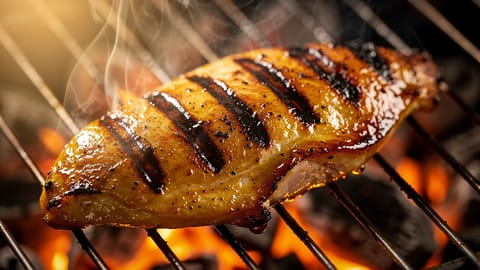
How to grill chicken breast without drying it out
A technique guide for grilling chicken breast that stays juicy. Covers even thickness, two-zone heat, pull temperature, brining, and timing for gas and charcoal grills.
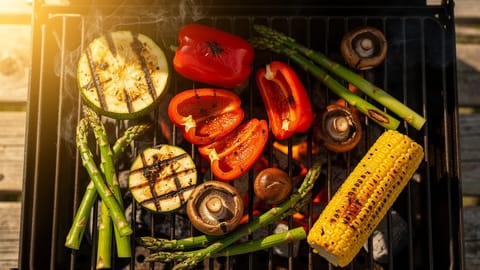
How to Grill Vegetables: The Complete Guide
A practical guide to grilling vegetables: how to prep, oil, and marinate them, the right heat for each type, timing by vegetable, skewers, grill basket vs foil, and the mistakes that lead to soggy or charred results.
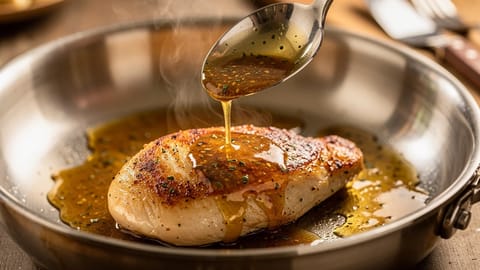
How to make a pan sauce: deglazing 101
A pan sauce turns the browned bits stuck to your skillet into a rich, flavorful sauce in under five minutes. Learn the technique, choose your deglazing liquid, and master pan sauces for chicken, steak, pork chops, and mushrooms.
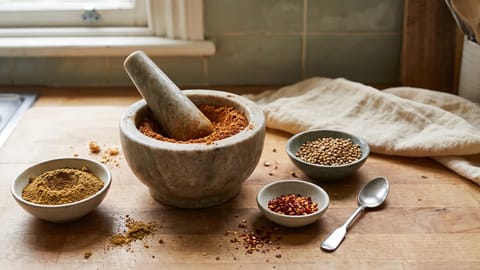
How to make your own spice blends: ratios, recipes and technique
Homemade spice blends come down to one ratio: 4 parts base, 2 parts middle, 1 part accent. This guide covers the formula, 10 blend recipes with exact parts, toasting, and how long each blend keeps.
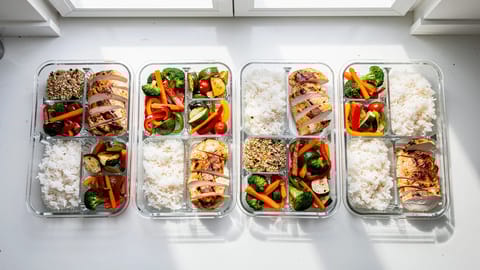
How to meal prep: a practical guide for beginners
Classic meal prep means dedicating about 2 hours on a Sunday to planning, cooking, and portioning complete meals for the week ahead. Unlike batch cooking, which produces versatile components you mix and match, meal prep gives you finished meals ready to grab and eat. This guide covers everything from equipment and shopping lists to a minute-by-minute prep day timeline and safe storage practices.
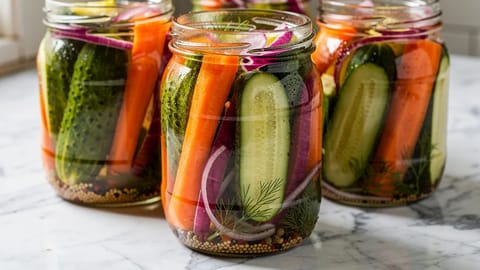
How to pickle vegetables: fermented and quick-pickle methods
A complete guide to pickling vegetables at home, both lacto-fermented pickles (salt brine, no vinegar) and quick pickled vegetables in vinegar. Covers the best vegetables to pickle, brine ratios, spice combinations, storage times, and step-by-step recipes.
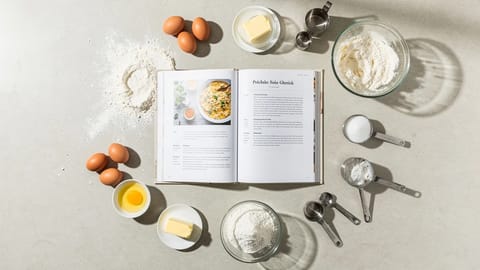
How to read a recipe: a complete guide for confident cooking
Reading a recipe well means understanding structure, decoding measurements, spotting hidden time requirements, and setting yourself up before a single burner clicks on. This guide breaks down every part of a recipe, from ingredient lists and abbreviations to doneness cues and digital tools, so you can cook with confidence every time.
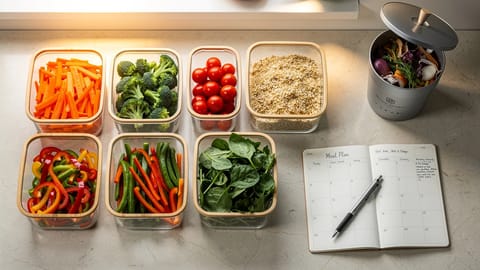
How to reduce food waste at home (practical tips that work)
Food waste costs a US household of four about $2,913 a year, according to the EPA. This guide covers the habits that cut it: meal planning, smarter fridge storage, an eat-me-first bin, cooking with scraps and leftovers, reading date labels correctly, composting, and a one-week waste log.
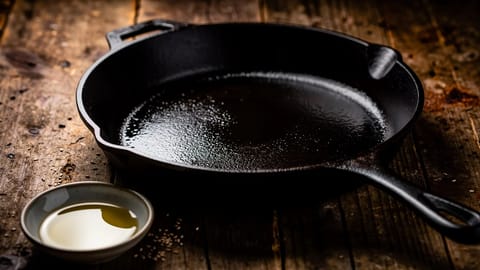
How to season a cast iron skillet: the complete guide
Seasoning is what makes cast iron nonstick, rust-proof, and better with every use. Learn the oven method, stovetop method, best oils for seasoning, and how to fix common problems like sticky residue, flaking, and rust.
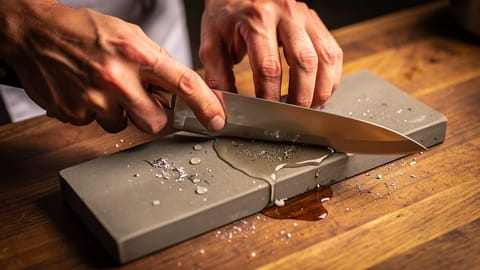
How to sharpen kitchen knives (the right way)
A dull knife needs far more force than a sharp one, which makes it unpredictable. Learn when to hone, when to sharpen, and how to use a whetstone, electric sharpener, or honing rod to keep every blade in your kitchen performing at its best.
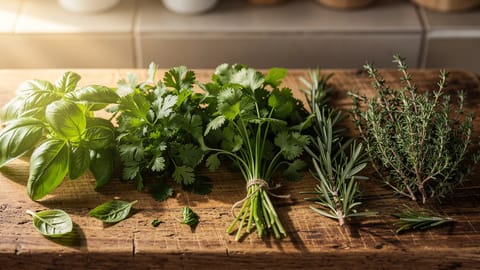
How to store fresh herbs so they last weeks, not days
Most fresh herbs die in 2-3 days because people store them wrong. The fix comes down to one distinction: soft herbs vs. hard herbs. This guide covers the best storage method for every common herb, how to freeze and dry herbs for long-term use, how to revive wilted ones, and how to plan meals around what's actually in your fridge.
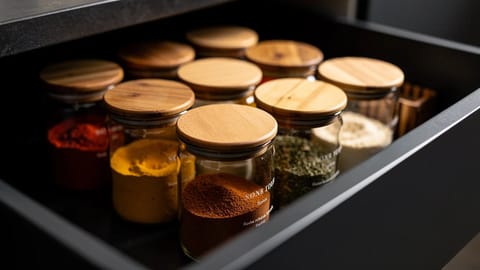
How to store spices so they actually stay fresh
A practical guide to storing spices for maximum freshness and flavor. Covers why spices lose potency, the best containers and locations, shelf life by type, and how to tell when it's time to replace them.
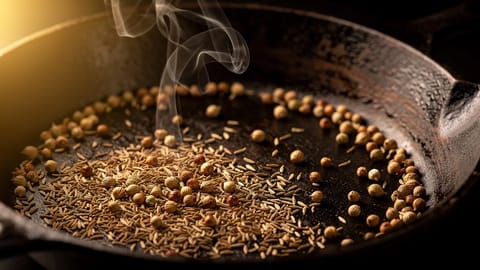
How to toast and bloom spices without burning them
Toast whole spices in a dry pan or bloom spices briefly in fat. This cue-based guide explains which method to choose and how to stop before the pan gets too hot.
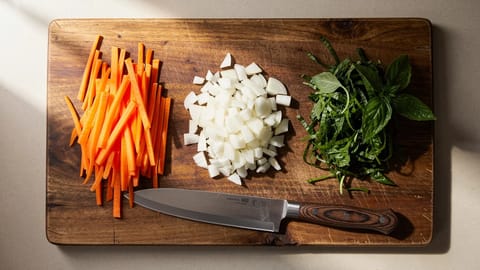
Types of knife cuts: the complete guide for home cooks
A practical chart of common culinary knife cuts, their reference dimensions, suitable ingredients, and step-by-step techniques for safer, more consistent prep.
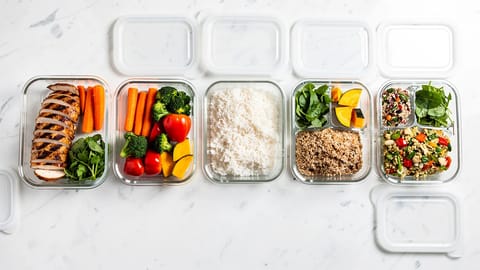
Meal prep containers: how to choose the right material and size
A practical guide to choosing meal prep containers by material, size, and use case. Covers glass vs plastic vs stainless steel, container sizing for different meals, what features actually matter, how to organize prepped meals, and food safety storage times.
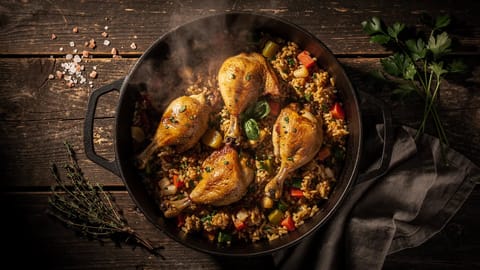
One pot meals for beginners: a guide to easy weeknight dinners
A practical guide to one pot cooking for beginners. Covers equipment, essential techniques like browning and layering, common mistakes, and 12 easy recipes organized by category: pasta, soups and stews, rice dishes, and curries. Each recipe includes difficulty level and cook time.
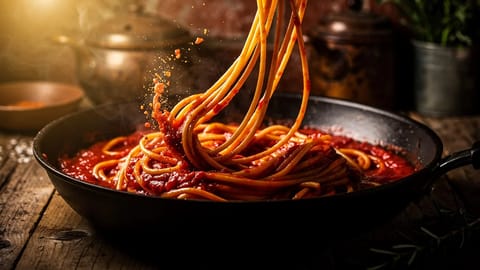
12 pasta cooking mistakes ruining your dinner
Most pasta problems come down to technique, not ingredients. These twelve common mistakes are easy to fix once you understand the science behind them. Correct even three and your weeknight pasta will taste noticeably better.
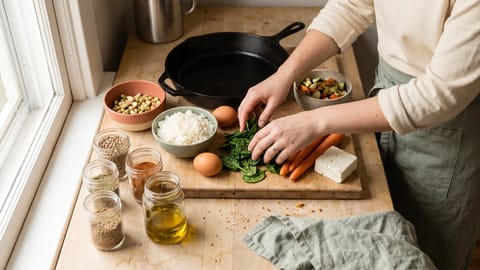
How to find recipes with ingredients you already have
Start with the food that needs using, identify a meal anchor, search two to four defining ingredients, then choose a flexible dish.
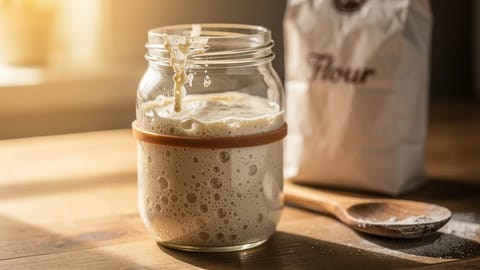
How to make a sourdough starter from scratch
A day-by-day guide to creating and maintaining a sourdough starter at home using flour and water. Covers feeding schedules, signs of activity, why a starter stops rising and how to fix it, and how to know when it is ready to bake with.
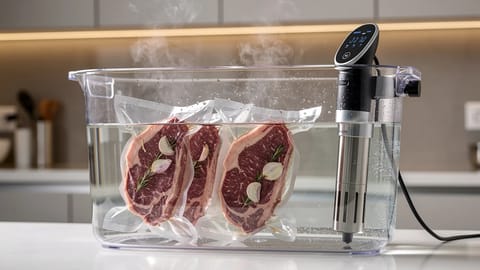
Sous vide for beginners: precision cooking without the guesswork
A sous vide water bath holds food at one exact temperature, so a steak comes out the same doneness from edge to edge. This guide leads with the time and temperature charts for steak, chicken, pork, salmon and eggs, then covers equipment, your first cook step by step, finishing sears, meal prep, and what the pasteurization numbers actually require.
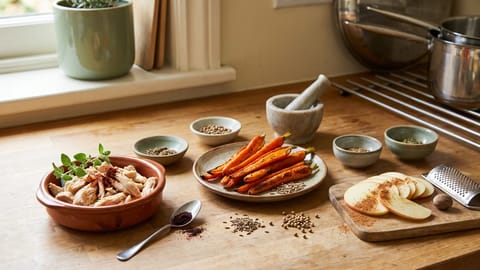
Spice pairing chart: what goes with what (and why it works)
A spice pairing chart for 14 everyday foods, 8 classic combinations, a yes-or-no table for the pairs people ask about most (cumin and dill, cumin and thyme, cinnamon and nutmeg), plus the aroma-compound science behind why some spices click.
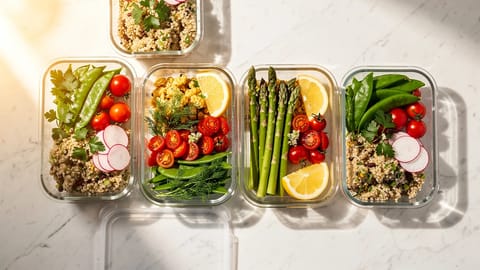
Spring meal prep ideas: seasonal recipes and a weekly prep plan
A practical guide to spring meal prep built around seasonal produce like asparagus, peas, radishes, and strawberries. Includes a mix-and-match component system, a timed 2-hour Sunday prep session, storage freshness chart, and budget-friendly recipes for breakfast, lunch, dinner, and snacks.
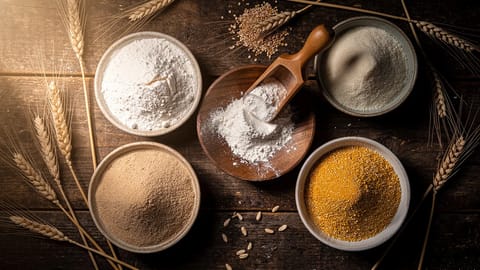
Types of flour and their uses: a guide to 14 common flours
A breakdown of the flours worth knowing, ordered by protein content. Covers cake, pastry, all-purpose, self-rising, spelt, bread, whole wheat, 00, semolina and rye flour, plus the four gluten-free flours you meet most often, with substitution ratios and a protein chart for matching flour to recipe.
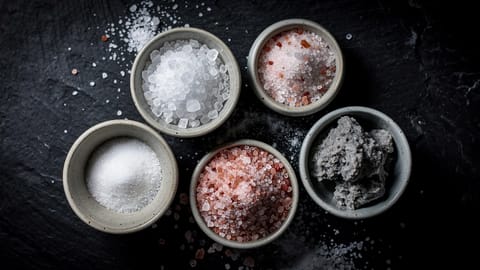
Types of Salt for Cooking: How to Choose the Right One
The useful differences between cooking salts come from crystal structure, additives, and intended use. Learn which salts suit daily cooking, finishing, baking, and pickling.
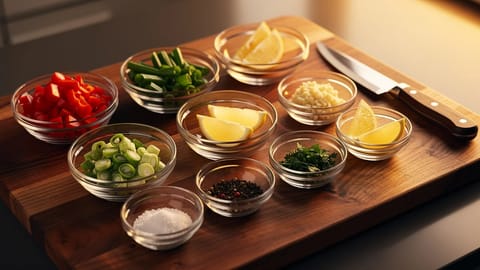
What Is Mise en Place? A Practical Home-Kitchen System
Mise en place organizes a recipe before active cooking. It identifies what must be prepared and where each item belongs. Learn when full or staged prep makes sense.
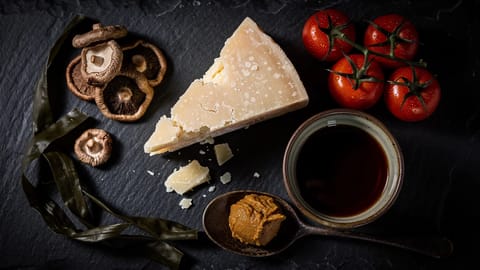
Umami foods: the list, the numbers, and how to cook with them
Kombu, Parmigiano Reggiano, soy sauce and dried shiitake carry more free glutamate than almost anything else in a kitchen, and the published figures vary by more than tenfold between them. This is the ranked list, the nucleotide sources that multiply the effect, and what to actually do with both when a soup, a sauce or a stew tastes thin.
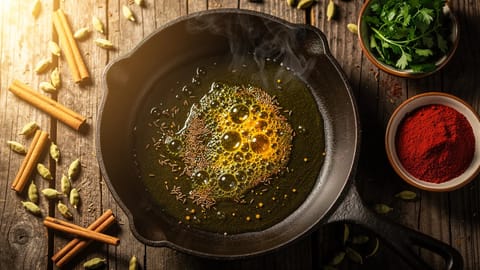
When to add spices during cooking: timing guide for layered flavor
Spice timing changes the flavor of a dish more than most people realize. This guide breaks down the five moments when spices should go in, explains why ground and whole spices behave differently, covers fresh versus dried herbs, and settles when to season ground beef.
Guides
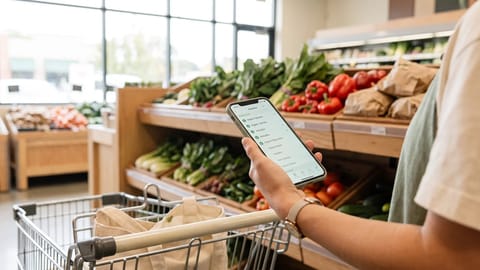
The 8 best grocery list apps in 2026, compared
A comparison of eight grocery list apps, from lists that build themselves from your recipes to free shared lists. What each does well, what they cost, and which suits a household that shops together.
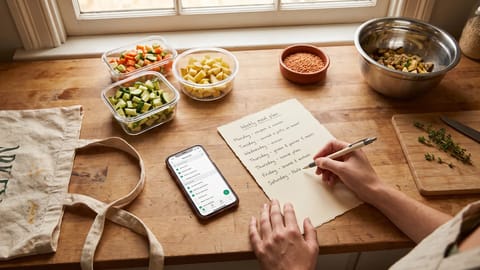
The 8 best meal planning apps in 2026, compared
A comparison of eight meal planning apps, from free options to paid planners. Which ones plan from your own recipes, which hand you a catalogue, and which turn a week of meals into one grocery list.
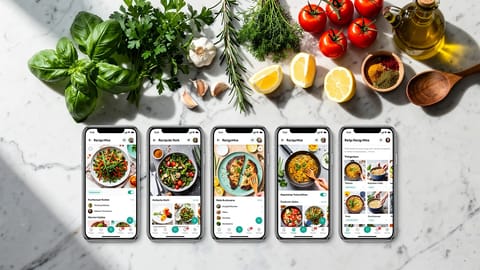
The 7 best recipe apps in 2026 (tested and compared)
An honest comparison of the top recipe manager apps — Fond, Paprika, Mealime, Plan to Eat, Mealie, Crouton, and Copy Me That. What each does well, where they fall short, and which one fits your cooking style.

How to digitize old family recipes (without losing what makes them special)
A practical guide to turning handwritten recipe cards, cookbook annotations, and family recipe collections into searchable digital copies you can cook from. Covers photo scanning, AI import, and preserving the originals.
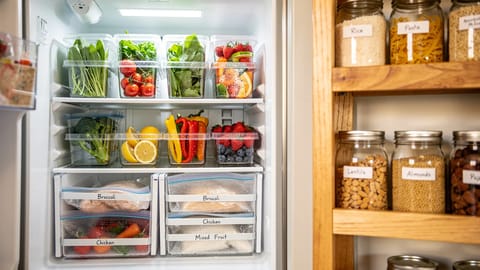
The Complete Food Storage Guide: Fridge, Freezer, and Pantry
A practical guide to storing food properly at home, covering fridge zones, freezer wrapping, pantry conditions, the temperature danger zone, safe timing windows, containers, and how to tell when food has gone bad.
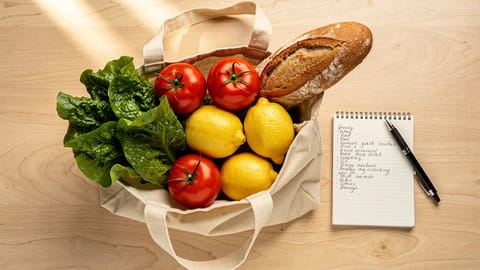
Grocery shopping tips that actually save money
A practical guide to saving money on groceries through meal planning, smart list-building, the 6-to-1 shopping method, understanding store layout psychology, buying smarter (unit prices, store brands, frozen produce), strategic shopping timing, and reducing waste. Includes USDA spending benchmarks and FAQ.
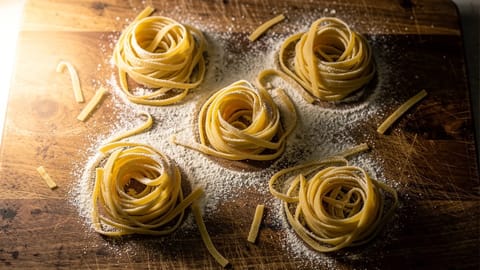
How to Make Fresh Pasta from Scratch
A complete guide to making fresh pasta at home, covering flour choice (00 vs all-purpose), the base egg dough recipe, kneading and resting, rolling by machine or hand, shaping, cooking times, storage and freezing, and troubleshooting common dough problems.
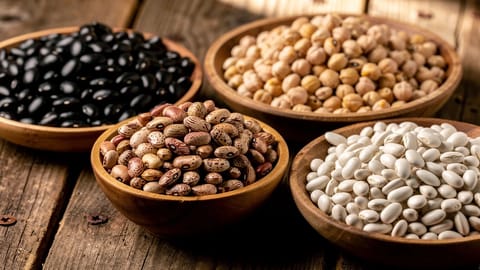
How to Cook Dried Beans: Every Method, Every Bean
A complete guide to cooking dried beans: soaking options (overnight, brine, quick-soak, no-soak), stovetop, slow cooker and pressure cooker methods, a cooking-time chart for 12 varieties, the kidney bean safety rule, why salting early is fine, storage and freezing, and fixes for hard beans and split skins.
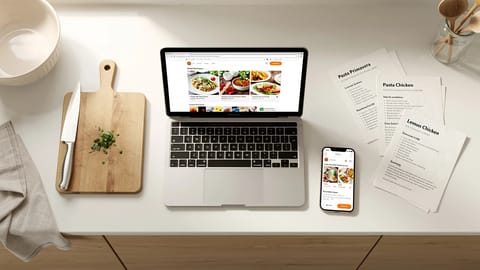
How to import recipes from websites into a recipe app
A practical guide to importing web recipes by URL, pasted text, photo, browser extension, or manual entry, with the tradeoffs of each method.
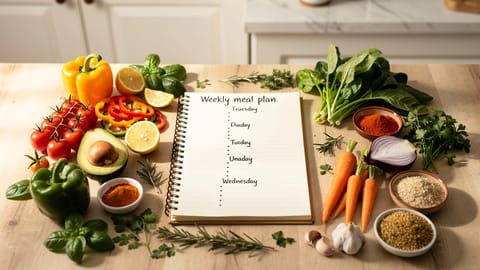
How to meal plan using your recipe collection (a system that sticks)
A realistic approach to weekly meal planning built around recipes you already have. Covers picking recipes, building a flexible weekly template, generating shopping lists, and avoiding the common traps that make people quit.
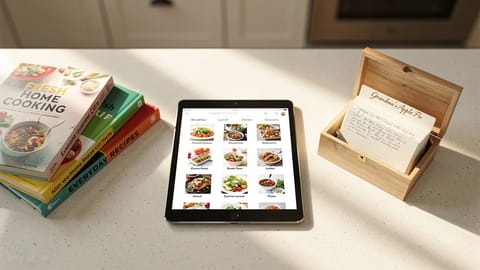
How to organize recipes: digitally, by category or in a binder
A practical system for getting your recipes out of screenshots, bookmarks, and kitchen drawers into one searchable place. Covers tagging, collections, and what to look for in a recipe organizer app.
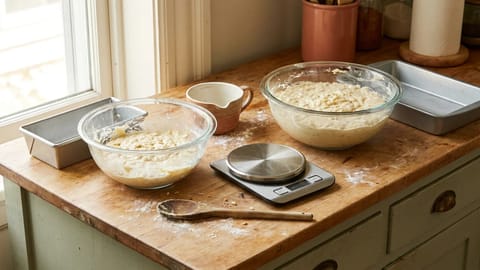
How to Scale a Recipe Up or Down
A practical guide to scaling any recipe for more or fewer servings. Covers the conversion factor method, ingredients that don't scale linearly (spices, leaveners, eggs), baking-specific rules, pan size adjustments, and common mistakes.
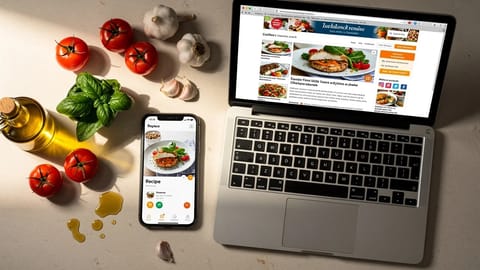
How to save recipes from websites, TikTok and Instagram (without the ads)
Four ways to save a recipe so you actually find it again: a recipe manager with AI import, an extraction site, browser reader mode, and an ad blocker. What each one keeps, what it loses, and how to save recipes from TikTok, Instagram, Facebook and your iPhone.
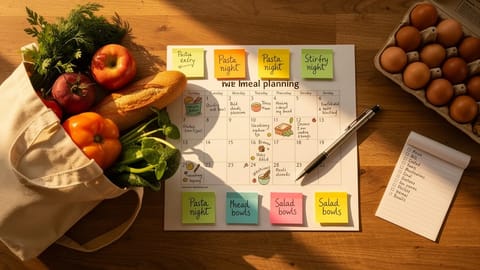
Weekly meal planning for beginners: a practical guide to getting started
A no-nonsense starter guide to weekly meal planning. Covers why it works, how to begin with just a few meals, building a shopping list, common beginner mistakes, and the tools that actually help.
Pizza Dough Guides
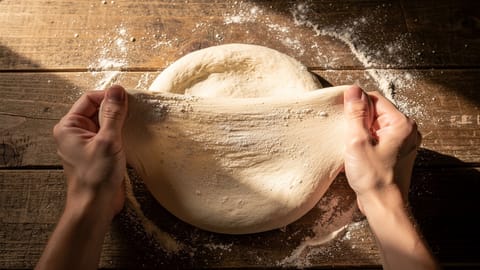
Beginner Pizza Dough
Your first homemade pizza dough, from scratch. A simple same-day recipe with 4 ingredients, plus everything you need to know about mixing, kneading, and shaping.
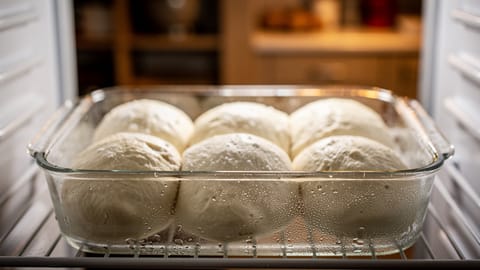
Cold Fermentation Pizza Dough Guide
A practical guide to cold fermenting pizza dough for 24, 48, or 72 hours, with a 48-hour formula, fridge guidance, handling cues, and fixes for common problems.
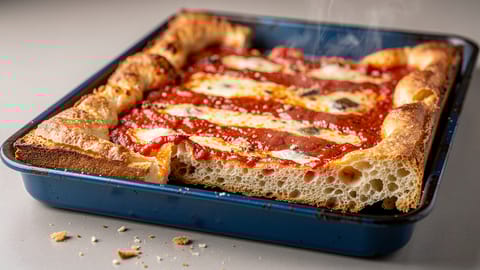
Detroit-Style Pizza Dough
Rectangular pan pizza with a shatteringly crispy caramelized cheese edge and an open, focaccia-like crumb. 70% hydration dough, Wisconsin brick cheese, and cold sauce stripes applied after baking.
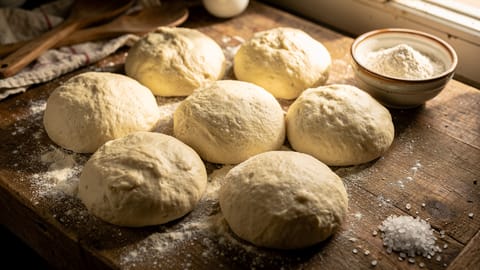
Neapolitan Pizza Dough
Neapolitan dough the way Naples does it: 00 flour, 60-62% hydration, long fermentation, and extreme heat. This guide follows AVPN standards and adapts them for home ovens, including flour brands, fermentation schedules, and a full troubleshooting section.
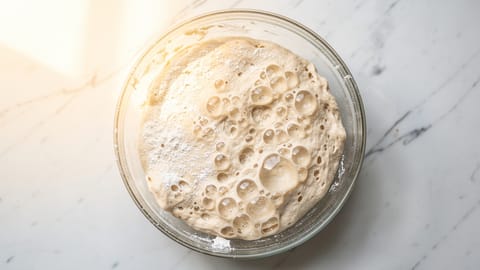
No-Knead Pizza Dough
Skip the kneading entirely. Mix flour, water, salt, and a pinch of yeast, then wait 12-18 hours. Time does the gluten development for you, and the crust turns out light and airy with about 5 minutes of actual work.

New York Style Pizza Dough
Big, foldable slices with a crispy bottom and chewy bite. NY-style dough uses high-gluten flour, a touch of oil and sugar, and a 48-hour cold ferment for that classic slice-shop flavor.
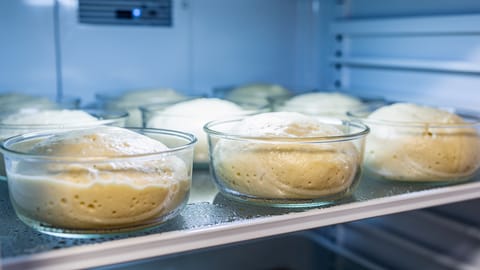
Overnight Pizza Dough
Mix the dough before bed, refrigerate it, bake pizza the next day. 10 minutes of work the night before, and you get better flavor than same-day dough with zero extra effort.
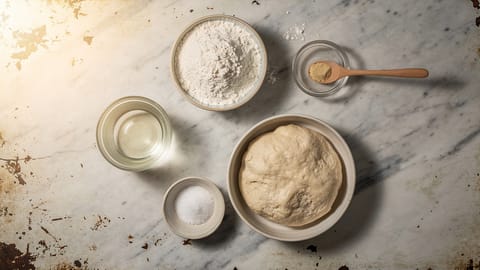
Pizza Dough FAQ
Quick answers to 25+ pizza dough questions. How long to let it rise, can you freeze it, what to do when it's too sticky, how to store it. Each answer leads with the "what to do" before the "why."
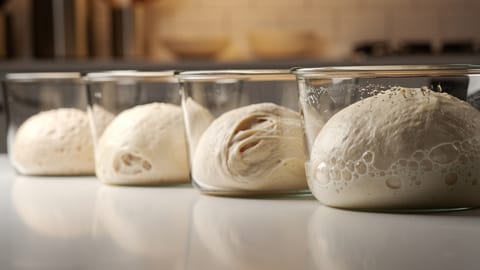
Pizza Dough Fermentation: Room Temperature vs Cold Fermentation
Room temp or fridge, 4 hours or 72, and how to tell when the dough is actually ready. Time and temperature are the two levers, and yeast dose is what ties them together.
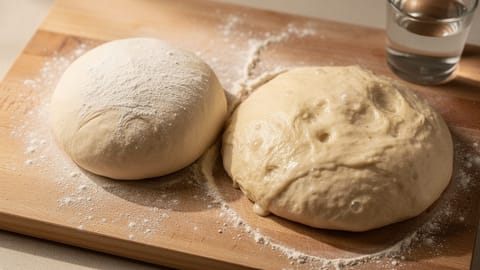
Pizza dough hydration: complete guide to water ratios
Pizza dough hydration is the weight of water as a percentage of flour. Most home ovens do best at 60-65%; the AVPN Neapolitan standard works out to 55-62.5%; pan styles run 70-85%. Ranges by style, a decision framework, bassinage, fermentation interaction and troubleshooting.
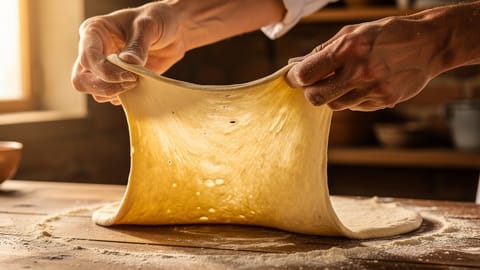
Pizza Dough Troubleshooting: Common Problems & Fixes
Dough too sticky? Not rising? Won't stretch? Bland crust? This guide covers the most common pizza dough problems, what is going wrong underneath, and the quick fix for each one.
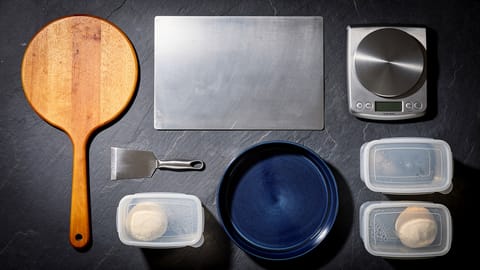
Essential Pizza Equipment: What You Actually Need
Stop wasting money on gadgets. A baking steel, a digital scale and an infrared thermometer are the upgrades that matter most for home pizza. Everything else is a bonus.
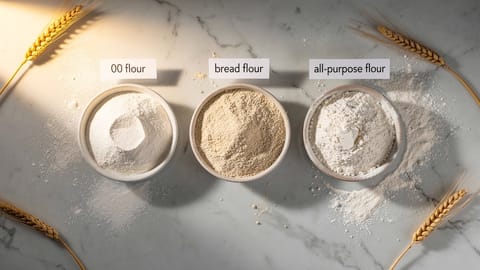
Pizza Flour Guide: 00, Bread Flour, AP & Protein Content
00 vs. bread flour vs. all-purpose: what actually matters is protein content and gluten strength, and how they match your pizza style. Includes the AVPN flour specification, what a W value really measures, and a style-to-flour matching table.
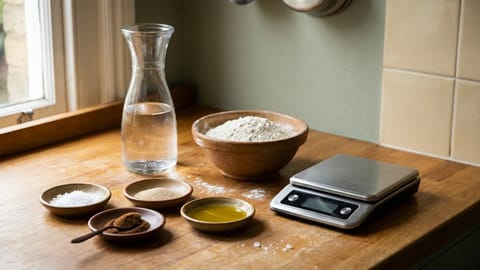
Pizza water and key ingredients: what actually matters
The stuff beyond flour that quietly affects your dough: water hardness, salt percentage, yeast types (instant vs. fresh vs. active dry), diastatic malt, oil, and why a $15 scale beats measuring cups.
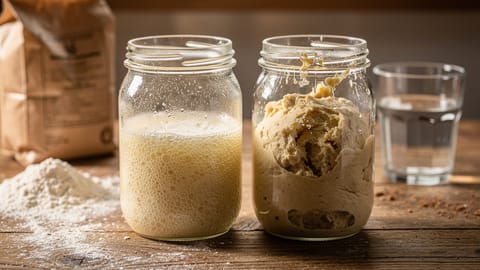
Poolish vs Biga: Which Pizza Pre-Ferment to Use
Poolish is the liquid one at 100% hydration, biga is the stiff one at roughly 50-60%. The handling difference is real and immediate. The flavor difference is smaller than the internet suggests once you account for the water each one brings.
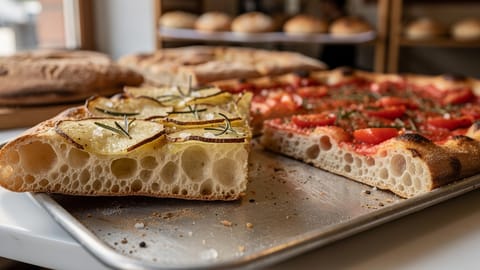
Roman pizza al taglio
Rome's iconic sheet pizza, sold by weight and eaten standing up. An ultra-light, airy crumb with a crispy bottom, made with poolish and ~80% hydration over 2-3 days.
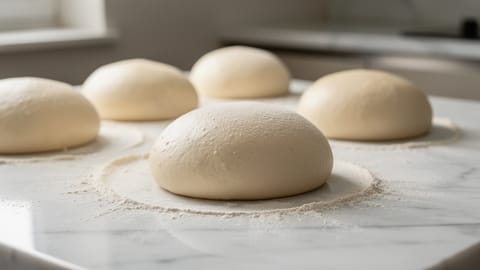
Sourdough Pizza Dough
Make pizza with your sourdough starter for a crust with real complexity: mild tang, open crumb, and excellent browning. Plan for 8-72 hours of fermentation depending on your schedule.
Alternatives
Copy Me That
Copy Me That is a simple, low-cost recipe clipper with a meal planner and a well-organized shopping list. It has no AI import from photos and no AI cooking help, which is where Fond is aiming.
Crouton
Crouton is a well-reviewed recipe manager for iPhone, iPad, Mac, Apple Watch, and Apple Vision, with AI photo import and a hands-free cooking mode. Its limit is the platform: there is no Android, Windows, or web version.
Mealie
Mealie is a capable, free recipe manager that you run on your own server. If you would rather not maintain Docker containers to keep your recipes online, a hosted app is the simpler path.
Mealime
Mealime has announced it will shut down on October 21, 2026, and says all personal data will be deleted when the app closes. If you rely on it for weekly dinners, now is the time to save the recipes you want to keep and pick what comes next.
Paprika Recipe Manager
Paprika Recipe Manager is a well-loved recipe app with a one-time price per platform, but Paprika 3 has no web app and no AI import. Fond, a recipe app opening soon, is built around AI import from links, photos, and social posts.
Plan to Eat
Plan to Eat is a mature, actively updated meal planner with a strong recipe clipper. Fond, opening soon, puts an AI cooking assistant and a pizza dough workshop next to the planner.
Recipe Keeper
Recipe Keeper is a capable recipe organizer with OCR scanning and a one-time Pro upgrade on each platform. Fond, opening soon, takes a different route: AI recipe import, an AI cooking assistant, and one account for web and mobile.
Tandoor Recipes
Tandoor Recipes is an open-source recipe manager with meal planning, shared shopping lists, and AI import. You can run it yourself with Docker or pay for a hosted plan at tandoor.dev.
Yummly
Yummly is gone. Whirlpool shut down its website and apps in December 2024, and yummly.com now redirects to KitchenAid's recipe pages. If you used it to keep recipes, here is how Fond, a recipe app opening soon, compares.
Glossary
- Al Dente
- Al Forno
- All-Purpose Flour
- Autolyse
- Bain-Marie
- Baker's Percentage
- Banneton
- Basting
- Bench Scraper
- Beurre blanc
- Biga
- Blanch and shock
- Blanching
- Boiling
- Braising
- Bread Flour
- Brew Ratio
- Brining
- Broiling
- Brunoise
- Bulk Fermentation
- Caramelization
- Carryover Cooking
- Cast Iron Skillet
- Chiffonade
- Clarified Butter
- Cold Fermentation
- Confit
- Crumb Structure
- Curing
- Deglazing
- Dough Ball
- Dredging
- Dry Aging
- Dutch Oven
- Duxelles
- Emulsification
- Fermentation
- Folding
- Fond
- Food Danger Zone
- Freezer burn
- Ghee
- Gluten Development
- Gluten Window Test
- Hydration (Bread)
- Instant-Read Thermometer
- Julienne
- Kitchen Scale
- Kosher Salt
- Lacto-Fermentation
- Leavening Agents
- Levain
- Maillard Reaction
- Mandoline
- Marinade
- Meal Prep
- Medium Rare
- Mirepoix
- Mise en Place
- Mortar and Pestle
- Mother Sauces
- Olive Oil
- Parboiling
- Pizza Stone
- Poaching
- Poolish
- Pressure Cooking
- Proofing
- Recipe Import
- Recipe Manager
- Recipe Scaling
- Reduction
- Resting Meat
- Risotto Technique
- Roasting
- Roux
- Sautéing
- Searing
- Semolina
- Smart Shopping List
- Simmering
- Sofrito
- Sourdough Starter
- Sous Vide
- Stock vs. Broth
- Sweating
- Tempering
- Umami
- Yeast Types