 Bastien
Brining
Brining is the technique of soaking food in a saltwater solution (typically 5-8% salt) to season it deeply, improve moisture retention during cooking, and produce juicier results — especially effective for lean proteins like chicken breast and turkey.
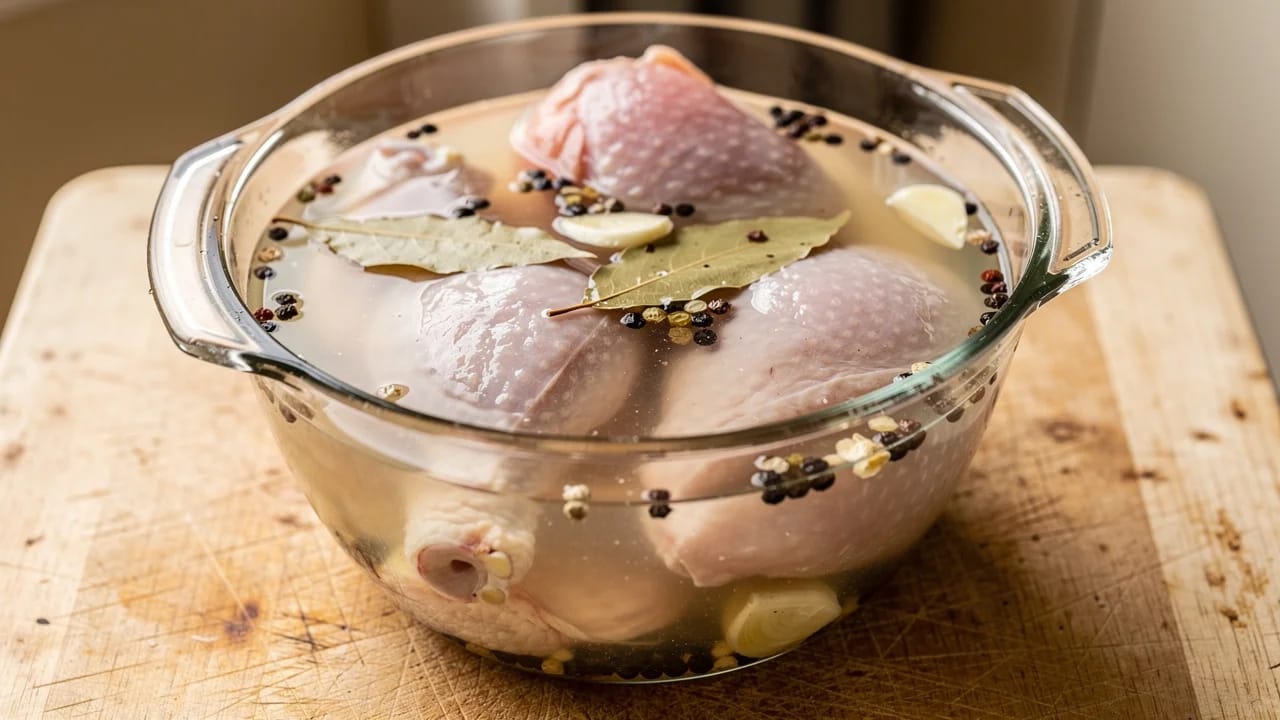
Brining is a preparation technique where food — usually meat, poultry, or fish — is submerged in a solution of water and salt (typically 5-8% salt by weight). The salt penetrates the protein over time, seasoning it internally and altering the protein structure so it holds onto more water during cooking — producing juicier, more evenly flavored meat even after high-heat cooking.
Brine a chicken breast and cook it next to an unbrined one, same oven, same time: the brined piece comes out noticeably juicier and seasoned all the way through, not just on the surface. That comparison is the entire pitch for brining lean proteins.
Brining is a preparation technique where food — usually meat, poultry, or fish — is submerged in a solution of water and salt. The salt penetrates the protein over time, seasoning it internally and altering the protein structure so it holds onto more water during cooking.
How does brining work?
Two things happen when you submerge meat in brine:
Osmosis pulls salt inward. The brine has a higher salt concentration than the meat's internal fluids. Water and dissolved salt move through cell membranes to equalize the concentration. This carries salt deep into the tissue, not just the surface.
Salt denatures proteins. Once inside, salt interacts with muscle proteins (primarily myosin). It unwinds and loosens the tightly coiled protein strands, creating gaps that trap water. During cooking, these denatured proteins lose less moisture than untreated ones. Studies show brined chicken breasts retain 10-15% more moisture after cooking.
This is why brining is so effective for lean cuts that tend to dry out: chicken breast, turkey, pork loin, shrimp. Fattier cuts like pork shoulder or beef brisket benefit less because they have built-in moisture from intramuscular fat.
What is the difference between wet brine and dry brine?
Wet brining is the traditional method. You dissolve salt in water, submerge the protein, and refrigerate. It's fast and reliable. The downside: poultry skin absorbs water too, which makes it harder to get crispy.
Dry brining skips the water. You rub kosher salt directly on the meat and let it sit uncovered in the fridge. The salt draws moisture to the surface through osmosis, dissolves in that moisture, and then gets reabsorbed into the meat. It takes longer but produces better skin on roasted poultry and a more concentrated flavor.
Dry brining has become the default recommendation for whole chickens and steaks. For turkey and bone-in chicken pieces destined for liquid cooking, wet brining still wins.
What is the difference between brining and marinating?
People often confuse these two. They're different techniques with different goals.
Brining uses salt and water to season internally and retain moisture. A marinade uses acid (citrus, vinegar), oil, and aromatics primarily for surface flavor. Marinades don't penetrate deeply because acid actually tightens protein on the surface, creating a barrier.
You can combine both: brine first, then marinate briefly for surface flavor. But never substitute one for the other. A marinade won't make dry chicken breast juicy. Brining will.
How long should you brine each protein?
Tip: Over-brining is real. Past the recommended time, meat absorbs too much salt and develops a spongy, ham-like texture. Set a timer. For a Thanksgiving turkey, I start the brine exactly 36 hours before cooking.
What is a basic brine recipe?
 4 litersWatercold
 240gKosher saltabout 1 cup Diamond Crystal
 50gSugaroptional, balances salt
 2Bay leaves
 4 clovesGarlicsmashed
Note: Always pat brined meat very dry before cooking. Surface moisture prevents browning. For poultry you want to roast, let it sit uncovered in the fridge for a few hours after brining to dry the skin.
When should you not brine?
Not everything benefits from brining:
- Already-salty proteins. Pre-seasoned, injected, or cured meats (like corned beef or most store-bought turkey) already have salt worked in
- Fatty cuts. Beef brisket, pork shoulder, and lamb shanks have enough intramuscular fat to stay moist through long cooking
- Delicate fish. Thin fillets like sole or tilapia can over-brine in minutes. If you brine fish, keep it under 30 minutes
- Anything going into a very salty sauce. If the final dish involves soy sauce, miso, or a salt-heavy glaze, brining can push it over the edge
How does brining relate to other salt techniques?
Brining lives on a spectrum of salt-based food preparation. At one end, a quick 30-minute shrimp brine barely seasons the surface. At the other end, curing uses heavy salt concentrations for days or weeks to preserve food and transform its texture completely.
Lacto-fermentation also uses saltwater (typically 2-5% brine) but for a different purpose: creating an anaerobic environment where beneficial bacteria produce lactic acid. The salt concentration in pickling brines overlaps with cooking brines, but the goal is preservation and fermentation rather than moisture retention.
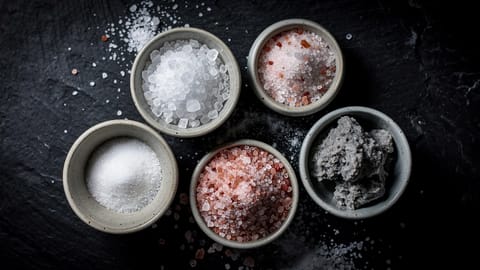
Understanding how different salts behave matters for brining. Diamond Crystal kosher salt dissolves faster and measures differently by volume than Morton's. Always weigh your salt for consistent results.
- Brining seasons meat internally through osmosis and improves moisture retention by 10-15%
- Wet brine (saltwater soak) works fast; dry brine (salt rub) produces crispier skin
- Standard ratio: 1 cup kosher salt per 4 liters water
- Best for lean proteins: chicken breast, turkey, pork loin, shrimp
- Always refrigerate, pat dry after, and adjust seasoning in your recipe