 Bastien
Curing
Curing is a preservation technique that uses salt, often with sugar, nitrite or nitrate, and sometimes smoke, to draw moisture out of meat and fish, hold back bacteria, and build concentrated flavor.
Curing is a food preservation method that uses salt, often with sugar, nitrite or nitrate, and sometimes smoke, to draw moisture out of meat and fish, hold back bacteria, and concentrate flavor. It's the process behind bacon, prosciutto, gravlax, corned beef, bresaola, and salt cod. Before refrigeration, curing was one of the only ways to keep meat and fish edible for months.
In everyday language "curing" can also mean salting or fermenting vegetables, and sauerkraut is sometimes described that way, but in the kitchen the word almost always refers to meat and fish. That is the sense this entry covers.
For modern home cooks, curing isn't just about preservation. The chemical and biological transformations that happen during curing produce flavors you can't get any other way. The deep umami of prosciutto, the delicate texture of gravlax, the smoky sweetness of homemade bacon. Understanding curing expands what you can make in your kitchen.
How does curing work?
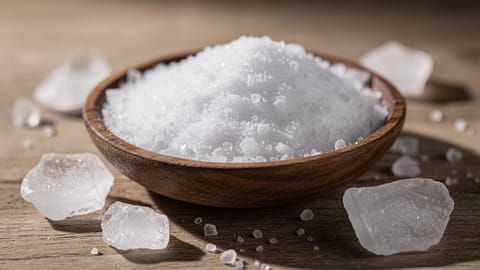
Salt is the foundation. When you pack food in salt or submerge it in brine, osmosis draws water out of the cells. This dehydration does two things:
- Inhibits bacteria. Most spoilage and pathogenic bacteria need water activity (aw) above 0.91 to grow. Curing reduces aw below this threshold
- Concentrates flavor. Less water means more intense taste per bite. Proteins and fats become more prominent
Beyond salt, curing often involves:
- Sugar. Balances salt's harshness, promotes beneficial bacteria, contributes to browning during cooking
- Nitrates/nitrites (curing salts). Prevent Clostridium botulinum, preserve the pink color of meat, and contribute a characteristic "cured" flavor. Prague Powder #1 (6.25% sodium nitrite) is used for short cures; Prague Powder #2 (6.25% nitrite + 4% nitrate) for long dry-cured products. In the United States, FSIS no longer permits nitrate in bacon at all, because of nitrosamine formation during frying
- Smoke. Adds flavor and creates an antimicrobial surface layer. Traditional smoking complements salt curing; it's not a standalone preservation method
What are the types of curing?
Dry curing
Salt (and optionally sugar, spices, and curing salt) is rubbed directly onto the surface of the meat. The salt draws moisture out through osmosis over days to weeks. This is the method for:
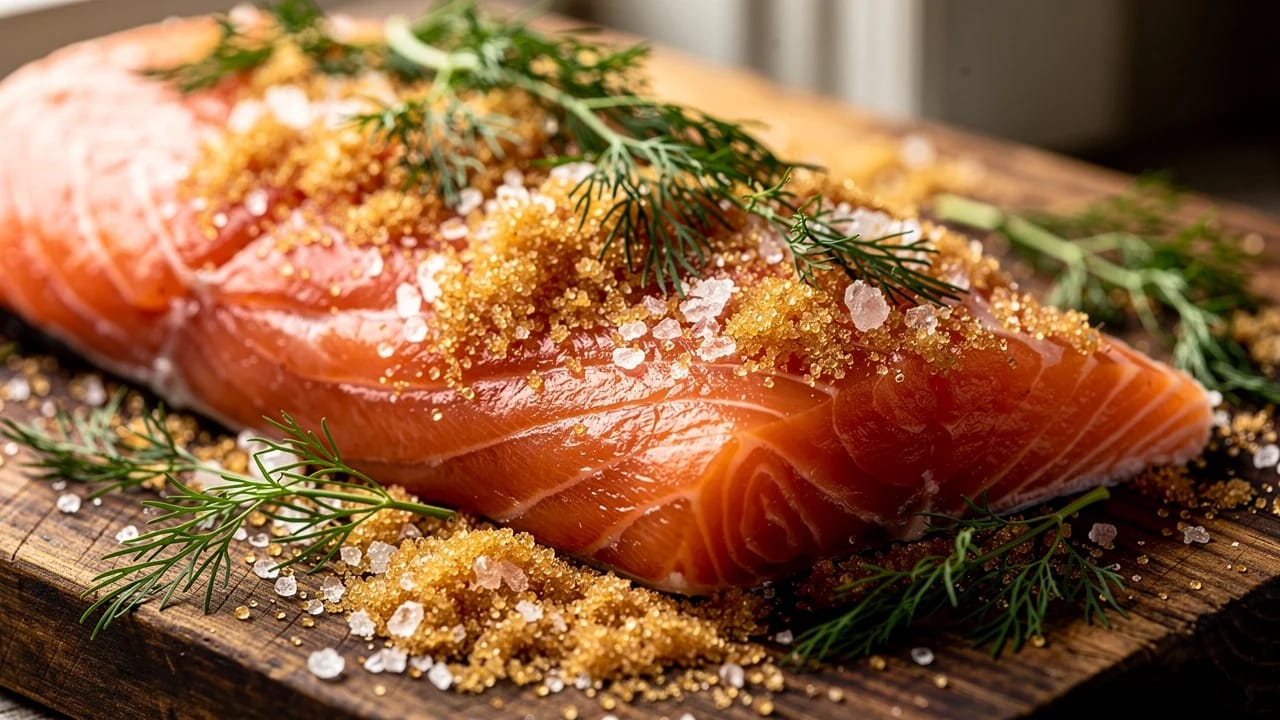
- Gravlax. Salmon cured with salt, sugar, and dill for 24-72 hours
- Prosciutto. Pork leg dry-cured with sea salt for weeks, then aged for months to years
- Bresaola. Beef eye of round dry-cured and aged for 2-3 months
- Duck confit. Duck legs salt-cured for 24-48 hours before slow-cooking in fat
- Bacon. Pork belly dry-cured with salt, sugar, and Prague Powder #1 for 5-7 days
Dry curing gives you the most control and the most concentrated flavors.
Wet curing (brining)
Meat is submerged in a salt-water solution (brine), sometimes with sugar, spices, and curing salts. The cure penetrates more evenly than dry curing but takes longer to concentrate flavor. Used for:
- Corned beef. Beef brisket brined for 5-7 days
- Ham. Pork leg brined (or injected with brine) for even cure distribution
- Brined turkey. 12-24 hours in brine for juicy, seasoned meat
- Pastrami. Starts as corned beef, then gets spice-rubbed and smoked
Equilibrium curing
A modern hybrid: salt measured as a precise percentage of the meat's weight (typically 2-3%) is applied as a dry rub or dissolved in just enough water to cover the meat. The meat reaches equilibrium with the salt over several days. It can't over-cure because the salt-to-meat ratio is fixed.
This is the safest method for home cooks because it removes the guesswork. Measure, apply, wait, done.
Tip: Equilibrium curing is the method to start with. Unlike traditional dry curing (where you pack meat in excess salt), you can't over-salt. The meat absorbs only the calculated amount.
How do you cure gravlax at home?
Gravlax is the ideal starting project. It's fast (24-48 hours), uses no curing salts (just kosher salt and sugar), and the result is genuinely impressive.
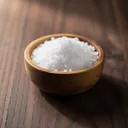 45gKosher saltabout 3 tablespoons
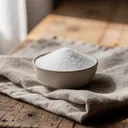 45gSugarabout 3 tablespoons
 1 bunchFresh dillroughly chopped
 1Lemonzested
After 24 hours, the salmon will be silky, translucent, and gently salty. At 48 hours, it's firmer and more intensely flavored. Around 36 hours is a common compromise between texture and salt.
Is curing salt safe?
Warning: Prague Powder (curing salt) is dyed pink specifically so you don't confuse it with table salt. It contains sodium nitrite, which is essential for preventing botulism in certain cured products but is toxic in large quantities. Always measure precisely with a kitchen scale and follow tested recipes.
How does curing develop flavor?
Curing does more than preserve. During extended curing and aging:
- Enzymatic breakdown. Proteases break down proteins into amino acids, especially glutamate (the source of umami). This is why aged prosciutto is intensely savory
- Fat oxidation. Controlled fat oxidation produces aromatic compounds that contribute to the complex flavor of cured meats
- Maillard precursors. The amino acids and sugars created during curing fuel more intense browning when the meat is cooked (why bacon browns better than fresh pork belly)
- Texture changes. Dehydration firms the meat and creates the distinctive dense, sliceable texture of bresaola and prosciutto
What are the most common cured foods?
| Product | Meat | Method | Curing salt? | Time |
|---|---|---|---|---|
| Gravlax | Salmon | Dry cure (salt + sugar) | No | 24-48 hours |
| Bacon | Pork belly | Dry cure or wet brine | Yes (#1) | 5-7 days |
| Prosciutto | Pork leg | Dry cure + air dry | Yes (#2) | 12-36 months |
| Bresaola | Beef round | Dry cure + air dry | Yes (#2) | 2-3 months |
| Corned beef | Beef brisket | Wet brine | Yes (#1) | 5-7 days |
| Pancetta | Pork belly | Dry cure + air dry | Yes (#2) | 2-3 months |
| Duck confit | Duck legs | Dry cure (salt) | No | 24-48 hours |
| Salt cod | Cod fillets | Dry cure (heavy salt) | No | 2-5 days |
| Pastrami | Beef brisket | Wet brine → spice rub → smoke | Yes (#1) | 7-10 days total |
How do you get started with curing safely?
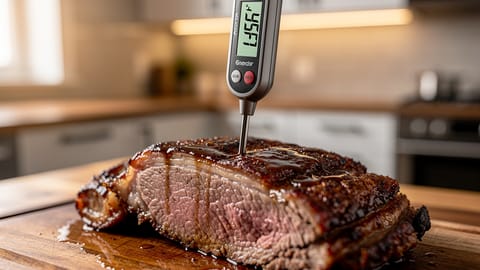
Curing is more technical than most home cooking, but it's very manageable if you follow tested recipes and invest in two tools: a kitchen scale and an instant-read thermometer.
Start with gravlax (no curing salts, 24-48 hours, minimal risk). Then try homemade bacon (introduces Prague Powder #1, still straightforward). Leave whole-muscle dry-cured projects (bresaola, pancetta) until you're comfortable with the basics — they require controlled temperature, humidity, and longer timelines.
The relationship between curing and fermentation is worth understanding: many traditional cured products (like salami) involve both curing and fermentation. The salt and curing salts create a safe environment, while beneficial bacteria produce lactic acid that develops flavor and further preserves the meat. If you're interested in fermentation broadly, our fermentation beginners guide covers the principles.
- Curing uses salt to draw moisture from food, inhibit bacteria, and concentrate flavor
- Three methods: dry cure, wet brine, and equilibrium cure (safest for beginners)
- Start with gravlax (no curing salts needed, ready in 24-48 hours)
- Always weigh curing salts precisely. Nitrite is essential but toxic in excess
- Cure only in the refrigerator at 36-40°F (2-4°C)
- A kitchen scale and thermometer are non-negotiable tools
Curing's saltless cousin is worth knowing too: dry aging uses only cold, airflow, and time to tenderize and concentrate beef, no salt box required.
Sources
- Bacon and Food Safety — USDA Food Safety and Inspection Service
- Curing and Smoking — National Center for Home Food Preservation
- Charcuterie: The Craft of Salting, Smoking, and Curing (Michael Ruhlman and Brian Polcyn) — W. W. Norton
- Cancer: Carcinogenicity of the consumption of red meat and processed meat — World Health Organization