
 Bastien
Marinade
A marinade is a seasoned liquid mixture of acid, oil, and aromatics used to flavor food before cooking. It denatures surface proteins and adds flavor, but only reaches a few millimeters deep, so it works best for thin cuts marinated 30 minutes to a few hours.
A marinade is a seasoned liquid mixture used to soak food before cooking, built from three core components: an acid (vinegar, citrus juice, wine, yogurt), a fat (olive oil or another oil), and aromatics (garlic, herbs, spices). The acid denatures surface proteins, the oil carries fat-soluble flavors and helps with browning, and the aromatics provide the actual taste. Marinades only reach a few millimeters into the meat, so use them for surface flavor rather than deep tenderizing.
The overnight-marinade habit is the most common way to get this wrong. Chicken left 24 hours in a citrus marinade comes out soft and chalky on the outside and unseasoned in the middle, because the acid has been working on the surface the whole time and nothing reached the center. Shorter times and bolder flavors do more, and a brine is the tool for moisture deep in the meat.
How do marinades work?
The acid in a marinade denatures proteins on the surface of the food. This means the protein molecules unwind and change shape, which can make the surface slightly more tender and allows flavor compounds to cling better. But the effect is shallow. When America's Test Kitchen soaked chicken breasts in wine for 18 hours, the wine had penetrated less than 1 mm; in a companion test with soy, yogurt, wine, and lemon-garlic marinades, tasters found no flavor difference once the outer 3 mm were trimmed away. Most flavor molecules are fat-soluble and stay on the surface, and the water-soluble ones are too large to travel far.
The oil in the marinade does two things. It dissolves and carries fat-soluble flavor compounds (from spices, garlic, chili) that water-based liquids can't transport. It also coats the food surface, which helps with browning and prevents sticking during cooking.
Salt in a marinade behaves differently from the acid. Salt actually penetrates deeper into meat through diffusion, which is why salty marinades season more thoroughly than purely acidic ones. This is also why a brine (which is mostly salt and water) works so much better for deep seasoning.
What is the difference between marinade and brine?
Marinades earn their place on thin food that wants bold surface flavor: chicken thighs for the grill, skirt steak, sliced vegetables. A brine is the better tool for moisture insurance on lean cuts like chicken breast or pork loin. The two also stack: brine first for moisture, then a quick 30-minute marinade for flavor.
How long should you marinate each protein?
Timing matters. Too short and the flavor doesn't develop. Too long and the acid breaks down the surface texture.
Warning: Acidic marinades will "cook" fish if left too long. This is the principle behind ceviche. If you're marinating fish to grill later, keep it under 30 minutes or use a low-acid marinade (yogurt or oil-based).
What is a good marinade for steak?
For steak, salt matters more than acid. A soy-based marinade seasons deeper than a lemon one because salt diffuses into the meat while acid stays at the surface, and too much acid turns the outside of a steak mushy long before it tenderizes anything. A reliable formula for 500 g of skirt, flank, or sirloin: 60 ml soy sauce, 30 ml oil, a crushed garlic clove, black pepper, and a teaspoon of brown sugar for browning, 2-8 hours in the fridge. Thick, well-marbled steaks like ribeye need nothing beyond salt and pepper; a marinade only adds flavor to the surface you are about to sear anyway.
What is a basic all-purpose marinade recipe?
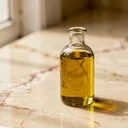 60mlOlive oil
 3 clovesGarlicminced
 1 tspSalt
 1/2 tspBlack pepper
Tip: Always pat marinated food dry before cooking. Excess liquid on the surface creates steam instead of browning. You want the Maillard reaction, not steaming. A dry surface sears better. If you plan to pan-fry, dredge in flour after patting dry to build an even crispier crust.
What are the food safety rules for marinades?
- Always marinate in the fridge. Leaving marinating meat at room temperature puts it in the bacterial danger zone (4-60C / 40-140F).
- Use non-reactive containers. Metal bowls (especially aluminum) react with acidic marinades and can give food a metallic taste. Glass, ceramic, or zip-top plastic bags work best.
- Don't reuse marinade that touched raw meat on cooked food. Set aside a portion in the fridge before adding the raw protein if you want it for basting or as a dipping sauce.
- Never marinate at room temperature, even for short times. The fridge slows bacterial growth while the marinade does its work.