 Bastien
Olive Oil
Olive oil is a cooking fat pressed from olives, sold in grades set by the International Olive Council: extra virgin (free acidity at most 0.8 %), virgin (at most 2 %), refined-and-virgin blends labelled "olive oil", and pomace oil. Which one is best for cooking depends on heat and on whether you want the flavor to survive.
Olive oil is a cooking fat pressed from the fruit of the olive tree, used for sautéing, searing, roasting, dressing, finishing and baking. What separates it from other cooking oils is that it is sold in legally defined grades, from peppery extra virgin to neutral refined oil, and each grade suits different temperatures and jobs. This entry lists the types of olive oil, what the labels mean, and which olive oil is best for cooking.
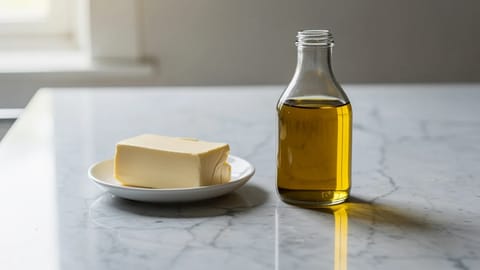
For how olive oil compares with other fats, see the cooking oil smoke point guide and butter vs oil.
What are the different types of olive oil?
The International Olive Council (IOC) trade standard defines the grades by how the oil was extracted and by its free acidity, expressed as grams of oleic acid per 100 g. Lower acidity means sounder fruit and gentler handling.
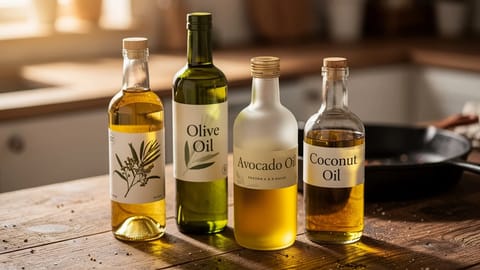
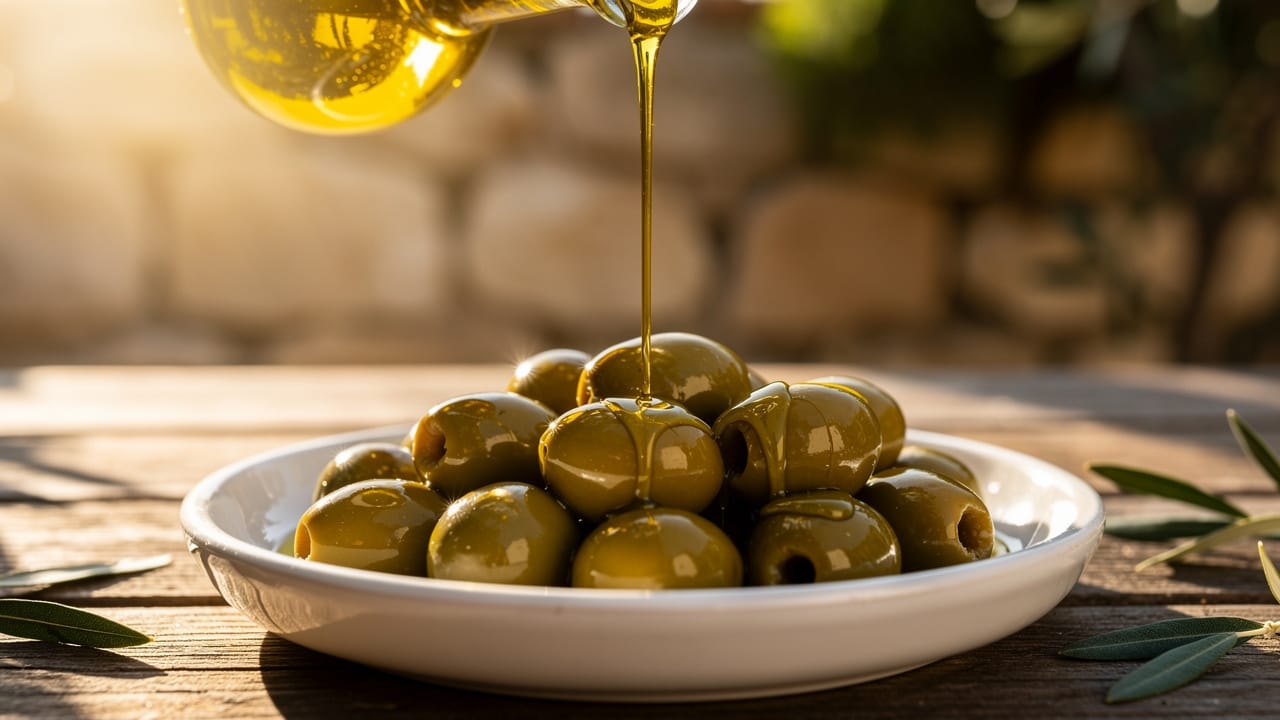
Extra virgin olive oil (EVOO) is the top grade. It is obtained from olives "solely by mechanical or other physical means", with no solvents and no heat that would alter the oil, and it must have free acidity of no more than 0.8 g per 100 g and no defects on a tasting panel. Flavor varies with variety and origin: Tuscan oils tend to be grassy and peppery, Spanish Arbequina oils softer and buttery.
Virgin olive oil is extracted the same way but may carry up to 2 % free acidity and slight sensory defects. It is fit for direct consumption and is the grade most supermarket "virgin" bottles belong to.
Lampante virgin oil (free acidity above 3.3 %) is not sold to consumers. It is sent for refining.
Refined olive oil is lampante or defective oil cleaned up by refining methods that do not alter the glyceride structure. It is nearly flavorless and colorless. In most countries it cannot be sold to consumers on its own; it appears on shelves blended with virgin oil under the plain name "olive oil" (sometimes marketed as "pure" or "classic"), with free acidity capped at 1 %.
Light olive oil is a marketing name for a refined blend with a mild taste. Every olive oil has the same energy content, about 120 kcal per tablespoon, so "light" says nothing about calories.
Olive pomace oil comes from the solid residue left after pressing. Solvents pull out the remaining oil, which is then refined and blended with virgin oil. It is the lowest grade and mostly used in food manufacturing and restaurants where volume matters more than flavor.
Which olive oil is best for cooking?
Two questions decide it: how hot the pan will get, and whether you want the flavor of the oil in the finished dish.
| Task | Typical temperature | Best type of olive oil | Why |
|---|---|---|---|
| Salad dressing, drizzling, dipping | Room temperature | Extra virgin | The flavor is the point; nothing gets heated |
| Sautéing vegetables, softening onions | 120-175°C (250-350°F) | Extra virgin or virgin | Well below the smoke point; some fruitiness survives |
| Roasting vegetables at 200°C (400°F) | Oven at 200°C; food surface stays lower | Extra virgin | Cooks fine at roasting temperatures; use a cheaper bottle |
| Pan-frying, shallow frying | 175-190°C (350-375°F) | Virgin or refined "olive oil" | Near the smoke point of a delicate EVOO; refined oil has more headroom |
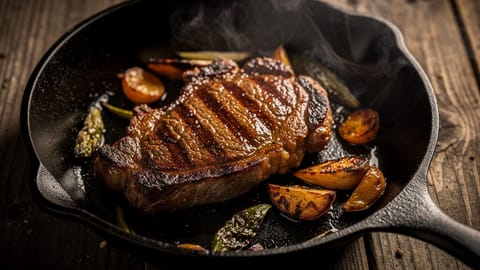
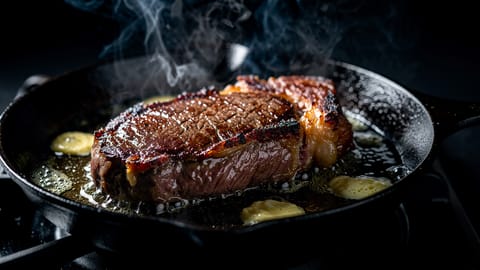
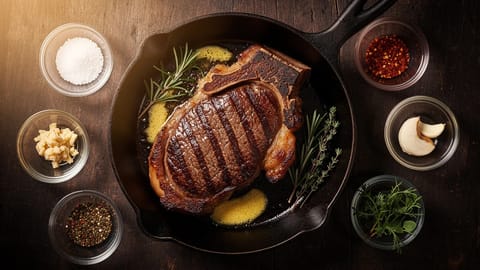
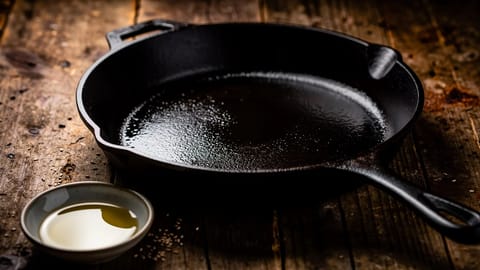
| Searing steak in cast iron, deep frying | 200-230°C (400-450°F) | Refined "olive oil" or light | Higher smoke point, neutral flavor |
| Baking (cakes, muffins) | Oven heat, batter stays below 100°C | Light olive oil | Neutral swap for vegetable oil |
| Finishing soups, pasta, grilled fish | Off the heat | Extra virgin | Aroma compounds are volatile; add at the end |
The short version: extra virgin for anything at or below sautéing heat and for finishing, refined "olive oil" or light for high-heat searing and deep frying. Keeping two bottles, one good EVOO and one inexpensive refined olive oil, covers almost every recipe.
What is the smoke point of olive oil?
The smoke point is the temperature at which an oil starts to break down and give off continuous smoke. It depends on free fatty acids, impurities and refining, so it varies from bottle to bottle. The figures below are the ranges reported for each grade.
A low-acidity extra virgin oil (0.2-0.4 %) smokes noticeably later than a defective one, which is one reason to buy fresh, well-made EVOO even for cooking.
Can you cook with extra virgin olive oil?
Yes. The claim that EVOO is "only for salads" does not hold up: normal sautéing happens around 120-175°C (250-350°F), well under its smoke point, and roasting vegetables at 200°C (400°F) does not push the surface of the food anywhere near that. Heat does drive off some of the aroma and polyphenols, so a pricey single-estate bottle is wasted on a hot pan. Save it for finishing and cook with a plainer EVOO.
Where EVOO stops making sense is prolonged deep frying and hard searing, where the pan sits above 200°C (400°F). There a refined "olive oil" costs less and smokes later.
How is olive oil made?
Olives are harvested in autumn and early winter, washed, and crushed into a paste, pits included. The paste is slowly stirred (malaxation) for 20-40 minutes so oil droplets merge, then a centrifuge separates oil from water and solids. For virgin and extra virgin grades that is the whole process: no solvents, and no heat high enough to alter the oil. The oil is settled or filtered and bottled.
Refined grades go through extra steps (neutralising with alkali, bleaching, deodorising) that remove defects and most of the flavor, leaving a neutral oil with a higher smoke point and fewer polyphenols. Pomace oil starts from the pressed pulp, extracted with solvents, then refined the same way.
How do you store olive oil?
Light, heat and oxygen all degrade olive oil, and once the bottle is open, oxygen does most of the damage. Rancid oil smells like crayons or stale nuts and tastes flat or waxy.
How do you read an olive oil label?
"First cold pressed" is largely a marketing phrase. Any genuine extra virgin oil is extracted without solvents or damaging heat, so the claim describes the standard method.
"Product of Italy" (or Spain, Greece) can mean bottled there, not grown there. For guaranteed origin look for a PDO/DOP or PGI/IGP designation, or a named estate.
Harvest date is the most useful quality signal. Olive oil is at its best within a year or so of harvest. A "best by" date alone tells you little.
Free acidity printed on the label (0.2-0.4 % is typical of a careful producer) is a chemistry number, not a taste. It cannot be tasted directly, but low values usually go with sound fruit and quick processing.
Awards and IOC certification mean the oil was evaluated by a tasting panel. They are a reasonable tiebreaker between two unfamiliar bottles.
Olive oil in emulsions and sauces
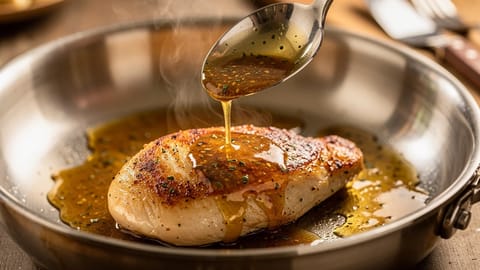
Olive oil is the base of classic emulsions: vinaigrettes, aioli and herb sauces like salsa verde. Whisked with acid and an emulsifier (mustard, egg yolk), it breaks into tiny droplets and forms a stable, creamy dressing. EVOO belongs here because its flavor carries the sauce. It also works as the fat in a pan sauce when you want something lighter than butter, and it is the standard fat for confit preparations such as garlic or tomato confit. For seasoning cast iron, a refined olive oil works if you have nothing with a higher smoke point.
Olive oil in Fond
Fond hasn't launched yet. This is how it will work at launch. Join the waitlist for early access.
Fond keeps the ingredient as the recipe wrote it, so "extra virgin olive oil" and "olive oil" stay distinct in your ingredient list and on the shopping list. When a recipe gives oil by volume and you cook by weight, the unit converter uses a density for oil (about 218 g per US cup) rather than treating it like water.