 Bastien
How to toast and bloom spices without burning them
Toast whole spices in a dry pan or bloom spices briefly in fat. This cue-based guide explains which method to choose and how to stop before the pan gets too hot.
TL;DR: To toast spices, warm whole spices in a dry skillet over medium or medium-low heat, moving them constantly. Stop when their aroma becomes noticeably stronger and their color shifts slightly, then transfer them to a cool plate. To bloom spices, stir them briefly in warm fat and add the next ingredient before they scorch. Whole spices tolerate dry heat better; ground spices need gentler heat and closer attention.
Knowing how to toast spices is less about memorizing a minute count than noticing a change. Cumin seed, coriander seed, cardamom, and fennel should smell more pronounced after heating, but none should smell smoky. The same principle applies when spices meet oil: a short, controlled sizzle can season the fat, while a few unattended moments can make the whole dish bitter.
Dry toasting and blooming are related techniques, not interchangeable names. One uses a dry pan. The other uses fat. Choose between them according to the form of the spice and what happens next in the recipe.
What heat changes in a spice
A spice owes much of its character to aromatic compounds that can escape into the air as it warms. This is why a pan of cumin can smell stronger before its color changes much. Grinding exposes more surface, which makes ground spices immediately aromatic but also more vulnerable to heat.
Fat changes how those aromas move through a dish. Briefly frying spices lets the cooking fat pick up and distribute fat-soluble compounds. Dry heat, by contrast, can add a toasted note and prepare whole spices for grinding. These are useful examples of how food science informs everyday cooking without turning a recipe into a chemistry experiment.
Heat is not automatically an improvement. Old spices will not become fresh again, and excessive heat destroys pleasant aromas while creating burnt flavors. The goal is a controlled increase in fragrance, followed by a quick stop.
How to toast whole spices in a dry pan
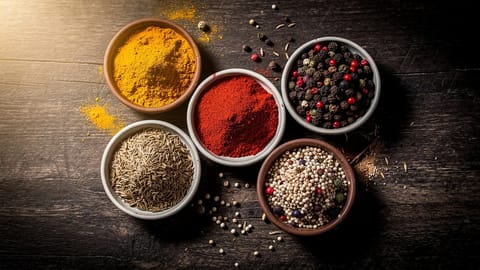
Use this method for cumin seed, coriander seed, fennel seed, black peppercorn, or other whole spices that a recipe asks you to toast. If you are combining several spices, toast items of similar size together or cook them separately. A clove and a coriander seed do not necessarily finish at the same moment.
How long do spices take to toast?
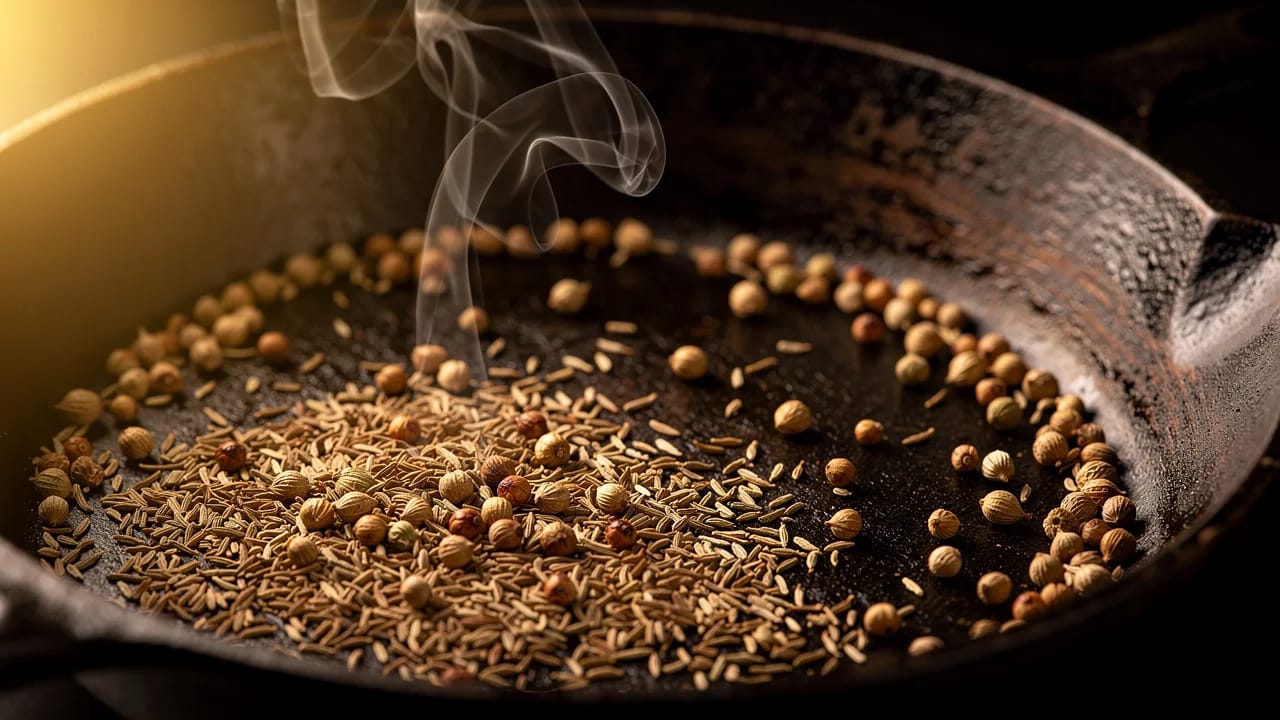
A small skillet of whole spices often becomes fragrant in roughly one or two minutes, but that range is only a starting point. A heavy pan holds heat differently from a thin pan. The flame, batch depth, spice size, and starting temperature all change the pace. Aroma and a modest color change are more reliable than a stopwatch.
Some seeds crackle or move when hot, but sound is not universal. Black peppercorns may show little visible change. Mustard seeds can pop and leave the pan, so use a lid or splatter screen while still moving the skillet safely. If any spice produces smoke, remove the pan from the heat and discard spices that smell acrid.
Can you toast ground spices?
You can dry-toast ground spices, but there is little margin for error. Their exposed surface heats quickly, and a powder can scorch in patches even while you stir. Use low heat and stop at the first clear aroma change.
If the ground spice is going into a chili, curry, stew, or sauce, blooming it in the recipe's fat is often more practical. If it is destined for a dry homemade spice blend, a careful dry toast may fit the job. Either way, prepare the next step before the spice reaches the pan.
How to bloom spices in oil or another fat
Blooming means briefly heating spices in fat. It can be done with whole or ground spices, and a recipe may use both in sequence. Whole spices normally need a head start because ground spices react faster. Indian cooking formalizes the split as dry roasting versus tempering in oil (tadka), which is the same practical distinction used here.
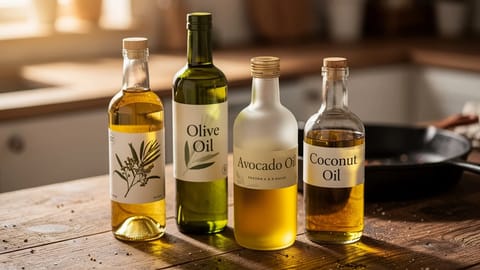
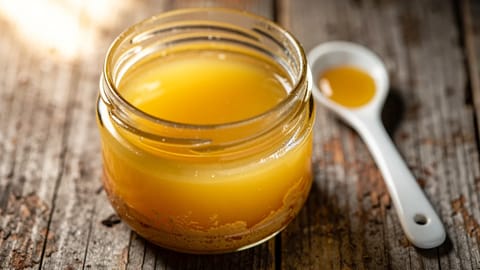
Use a fat whose flavor suits the dish. There is no blanket rule against extra-virgin olive oil, but it is not right for every recipe or every temperature. The practical rule is to stay below the point where the fat smokes. The guide to cooking oil smoke points explains why the pan temperature and the fat both matter.
Keep ingredients dry when adding them to hot fat, and expect whole seeds or fresh curry leaves to sputter. Stand back from the pan and use a splatter screen when appropriate.
Is blooming the same as tadka?
Not exactly. Blooming is a broad English cooking term for heating spices in fat. A tadka, also called a tempering, is a specific technique in South Asian cooking: whole or ground spices are fried in hot fat and used at the beginning of a dish or poured over it near the end. Serious Eats describes several distinct Indian spice-frying methods, including a finishing tadka. Calling every pan of bloomed spices a tadka erases that more precise culinary meaning.
The sequence also matters. A tadka may start with whole spices, followed by faster-cooking ingredients. Generic blooming in a chili may involve only ground seasonings. Follow the recipe's order rather than treating every spice as if it needs the same time.
Dry toasting compared with blooming
Dry-toast when you plan to grind whole spices for a dry blend or use them as a finishing spice. Bloom when the dish already begins with fat and the seasoned fat will become part of a sauce, soup, braise, or sauté.
Some recipes legitimately use both. Whole spices may be dry-toasted and ground, then the resulting powder may cook briefly in fat. That is a deliberate recipe choice, not a requirement for every curry. Before adding another heating step, consider when the spices enter the cooking process and whether they will have enough time to infuse.
Examples worth trying
Start with one spice and a dish you already know. That makes the effect easier to judge.
- Dry-toast coriander seed before grinding it for a rub.
- Bloom ground cumin with chile powder in the fat for a pot of chili.
- Warm whole cumin seed in oil before adding the moist base for a dal.
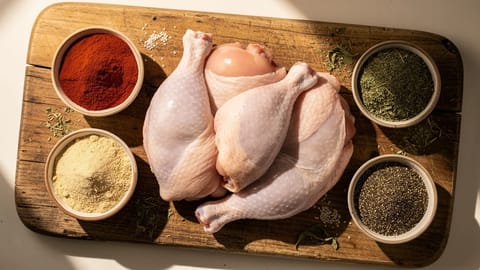
- Toast peppercorns before crushing them for a chicken seasoning.
- Bloom paprika gently in butter or oil, keeping the heat low enough that it does not darken sharply.
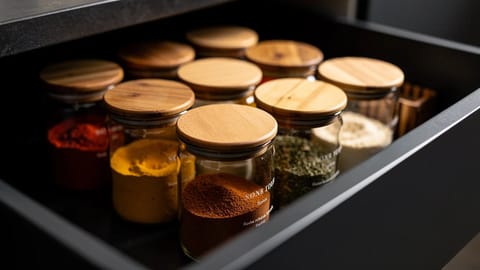
If your pantry is still taking shape, begin with the spices that fit the food you cook most often. Buying smaller amounts and learning their fresh aroma is more useful than collecting jars you rarely open.
Common problems and practical fixes
They burned. Discard both the spices and any fat that tastes bitter. Use lower heat and a smaller batch next time. Keep the pan moving, with the next ingredient ready.
They may need a little more heat or time, or they may be stale. Increase the heat gradually while stirring. If the jar had almost no aroma before cooking, replace it rather than trying to toast it longer.
Take the pan off the burner. Let it cool until the smoking stops, then assess whether the fat smells burnt. Restart with fresh fat if necessary and use lower heat.
That is not automatically a failure. A concentrated spice paste can be part of the recipe. Keep it moving and lower the heat if it sticks. Add the planned moist ingredient before the paste scorches.
Use toasted spices while they are aromatic
For the clearest result, toast only what the recipe needs. Let whole spices cool before grinding, then use them promptly. Grinding exposes more surface to air, so a large batch loses aroma faster than intact seeds or pods.
If you do have extra, cool it completely before sealing it in a clean, airtight container. Limit its exposure to air, heat, light, and moisture. The same principles in the spice storage guide still apply, but there is no universal one-month deadline for every toasted spice.
- Toast whole spices in a dry skillet, moving them constantly
- Bloom spices briefly in fat when that fat will remain in the dish
- Follow aroma and color before a fixed time estimate
- Transfer dry-toasted spices to a cool plate immediately
- Use gentler heat and close attention for ground spices
- Treat tadka as a specific tempering technique, not a synonym for every bloom
The best first practice is simple. Toast one whole spice and let it cool. Then compare its aroma with a seed straight from the jar; that contrast teaches the stopping point more clearly than a rigid timing chart.