 Bastien
Mortar and Pestle
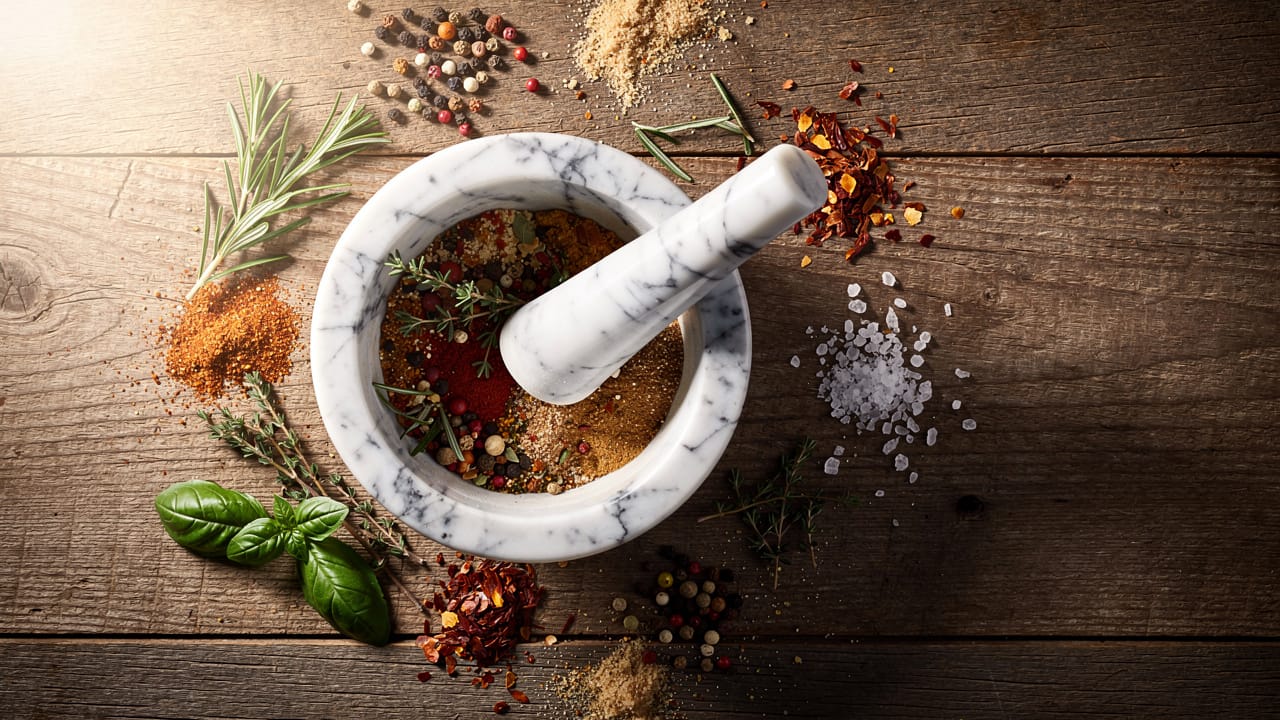
A mortar and pestle is a traditional grinding tool, a bowl (mortar) and club-shaped tool (pestle), used to crush, grind, and blend spices, herbs, and pastes; the oldest food processing tool still in everyday use.
The mortar and pestle is the oldest food processing tool still in daily use. The bowl (the mortar) and a club-shaped grinding tool (the pestle) work together to crush, grind, and blend ingredients through direct pressure and friction. Unlike blades that cut through food, pounding ruptures cell walls, releasing aromatic oils and creating textures that no machine can replicate.
Every cuisine has its own version: the granite krok in Thailand, the marble mortar in Italy, the volcanic molcajete in Mexico (sometimes called tejolote for the grinding stone), the ridged suribachi in Japan. The tool predates written recipes by thousands of years, with archaeological evidence dating the earliest examples to around 35,000 BCE.
A heavy granite mortar and pestle earns a permanent spot on the counter. In a kitchen that cooks from scratch, it gets used more than any electric gadget, from cracking peppercorns to pounding curry paste on weekends.
Why use a mortar and pestle instead of a machine?
A food processor or spice grinder is faster, but the mortar and pestle produces fundamentally different results.
The difference is most noticeable with aromatic ingredients. Crushed garlic tastes different from minced garlic because the mortar releases more allicin. Pounded basil stays green longer than blade-chopped basil because less oxidation occurs. Toasted spices ground by hand release more volatile oils than machine-ground spices because no heat builds up during grinding.
What are the types of mortars?
| Material | Best for | Weight | Texture | Maintenance | Price range |
|---|---|---|---|---|---|
| Granite | General purpose, wet pastes, heavy pounding | Heavy (2-4 kg) | Rough, textured interior grips ingredients | Rinse, air dry | Mid-range |
| Marble | Light grinding, dry spices, presentation | Heavy (2-3 kg) | Smooth, polished | Avoid acids (lemon, vinegar) | Mid-range |
| Ceramic/Porcelain | Dry spices, small quantities | Light (0.5-1 kg) | Smooth or lightly textured | Dishwasher safe | Budget |
| Wood (olive, teak) | Dry spices, light herbs | Light (0.5 kg) | Smooth | Oil occasionally, hand wash | Budget |
| Molcajete (volcanic basalt) | Mexican salsas, guacamole | Heavy (3-5 kg) | Very rough, porous | Season before first use | Mid-range |
| Suribachi (Japanese ceramic) | Sesame seeds, miso pastes, dressings | Medium (1 kg) | Ridged interior (kushime) | Hand wash, avoid soaking | Mid-range |
| Thai granite (krok) | Curry pastes, som tam | Very heavy (4-7 kg) | Deep bowl, rough interior | Rinse, air dry | Mid-high |
For a first mortar, granite is the best all-rounder. It handles wet and dry ingredients, the textured surface grips food for efficient grinding, and the weight keeps it stable during heavy pounding. Most cooks who own both a granite and a marble mortar end up reaching for the granite one.
What classic preparations use a mortar and pestle?
Pesto Genovese
The mortar produces superior pesto because it bruises basil leaves rather than chopping them. Bruising releases oils without the oxidation that blade-cutting causes, so mortar pesto stays greener and tastes brighter.
Thai curry paste
Authentic Thai curry paste requires a heavy granite or stone mortar. The pounding integrates flavors in a way a food processor cannot. Each ingredient breaks down at a different rate, creating layers of flavor:
- Pound dried chilies and salt first (hardest ingredient)
- Add lemongrass, galangal, shallots one at a time
- Pound until each addition is fully integrated before adding the next
- Finish with shrimp paste and garlic
A properly pounded green curry paste takes 20-30 minutes but produces a paste with depth that no shortcut can match. The gap between a pounded paste and a jarred one is wide enough that most people who make it once stop buying the jar.
Guacamole in a molcajete
The porous volcanic stone of a molcajete adds a subtle mineral quality and creates the ideal texture, partly smooth, partly chunky:
- Grind chili, salt, and cilantro stems to a paste
- Add onion and pound lightly
- Add avocado and mix, leaving chunks
- Fold in tomato, cilantro leaves, and lime juice
Spice blends
Toasted whole spices ground in a mortar have dramatically more aroma than pre-ground. The difference is time: ground spices lose volatile oils within weeks, while whole spices keep for months. Toast whole cumin, coriander, or peppercorns in a dry pan, then grind immediately before using.
Salad dressings and marinades
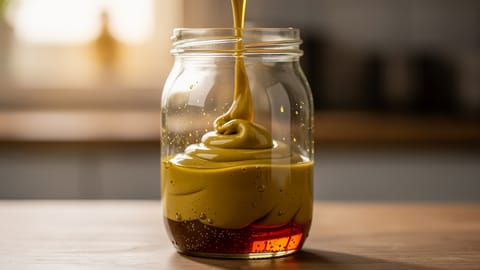
The mortar is the fastest way to make a vinaigrette or marinade. Pound garlic with salt, add mustard, then whisk in vinegar and olive oil with the pestle. The crushed garlic emulsifies the dressing naturally, and the whole process takes under a minute.
How do you use a mortar and pestle?
The grip
Hold the pestle near the top with your dominant hand. Your wrist, not your arm, drives the motion. Wrap your non-dominant hand around the mortar rim to stabilize it, or place a damp cloth underneath to prevent sliding.
The motions
There are two fundamental motions, and most preparations use both:
Pounding works straight down with force. This cracks open hard ingredients like peppercorns, seeds, and dried chilies. Lift the pestle 5-10 cm and drop it with wrist force. Do not slam. Controlled, repetitive strikes.
Grinding uses circular pressure against the bowl walls. This turns cracked pieces into paste. Press the pestle against the mortar's inner surface and rotate. The rough texture of granite or stone does most of the work.
Order of ingredients
Always start with the hardest ingredient and finish with the softest:
| Order | Ingredient type | Examples | Why |
|---|---|---|---|
| 1st | Hard, dry | Peppercorns, dried chilies, whole spices | Need force to crack open |
| 2nd | Fibrous | Lemongrass, galangal, ginger | Need repeated pounding |
| 3rd | Firm | Garlic, shallots, fresh chilies | Break down with moderate force |
| 4th | Soft | Fresh herbs, basil, cilantro | Bruise with twisting, not heavy pounding |
| 5th | Wet | Oil, citrus juice, vinegar | Fold in last to bind the paste |
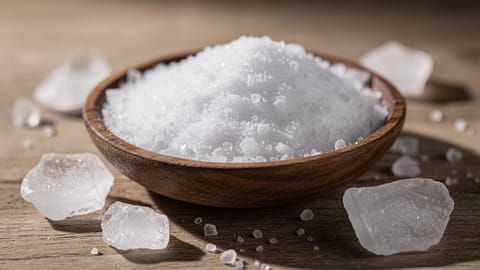
Adding salt early (with the first ingredients) helps. Coarse salt acts as an abrasive that accelerates grinding.
Capacity
Do not overfill. The mortar should be no more than one-third full for effective grinding. If you have a large batch, work in portions and combine afterward. A 2-cup mortar is fine for daily spice grinding; for curry pastes or pesto for four people, you want a 4-6 cup mortar.
How do you choose a mortar and pestle?
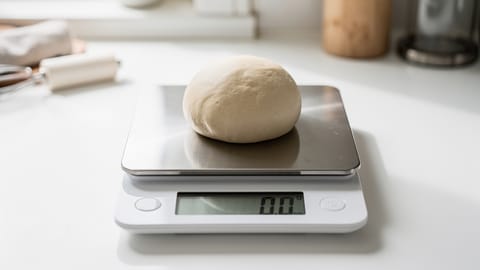
Weigh your mortar with a kitchen scale before buying if ordering online. Listed weights are sometimes for the mortar only, not the set.
How do you care for a mortar and pestle?
Granite, marble, stone: rinse with warm water and a stiff brush after use. Do not use soap (it absorbs into the stone). Air dry completely. If odors linger, grind dry rice to absorb them.
Molcajete: requires seasoning before first use. Grind coarse salt and dry rice repeatedly until the rice comes out clean (not gray). This removes loose stone particles. After seasoning, treat like granite.
Ceramic/Suribachi: hand wash with mild soap. The ridges of a suribachi trap particles, so use a brush. Do not soak for extended periods.
Wood: hand wash, dry immediately. Oil occasionally with food-safe mineral oil to prevent cracking.
Place a damp kitchen towel or silicone mat underneath. If it still moves, the mortar may be too light. Look for one weighing 2+ kg.
You're overfilling. Keep the mortar no more than one-third full. Pound with controlled wrist force, not wild arm swings. Cup your free hand loosely over the top for hard spices.
New stone mortars shed particles. Season by grinding coarse salt and dry rice 3-4 times, discarding each batch, until the rice stays white.
Grind dry white rice until the rice comes out clean and odor-free. For stubborn smells, leave the mortar in direct sunlight for a few hours.
Mortar and pestle in Fond
Fond hasn't launched yet. This is how it will work at launch. Join the waitlist for early access.
When a Fond recipe calls for mortar and pestle work, from grinding a spice blend to making a paste or preparing a marinade, the recipe instructions note the technique. Fond's mise en place checklist includes grinding steps so you can prep everything before cooking begins. Ingredients for mortar preparations are included in your shopping list with the right quantities.