 Bastien
Essential spices for home cooking: build your flavor arsenal
A practical guide to the 15 spices every home cook should own, organized by priority tier. Covers flavor profiles, best pairings, storage advice, and how to build a collection without wasting money on jars you'll never open.
TL;DR: You don't need 40 spice jars to cook well. Start with 5 workhorses (black pepper, cumin, paprika, garlic powder, chili flakes), add 5 more when you're ready, and build from there. Buy small quantities, store them away from heat, and replace anything that doesn't smell like itself anymore.
Most kitchens start the same way: a dusty jar of dried oregano and some pre-ground black pepper of uncertain age. The lesson that follows is always the same too. Ten well-chosen spices do more than forty random ones gathering dust.
Why these 15 spices (and not 50)
Most spice rack sets sold online contain jars you'll open once and forget. Cream of tartar? Mace? Ground celery seed? They have their uses, but they're specialists, not starters.
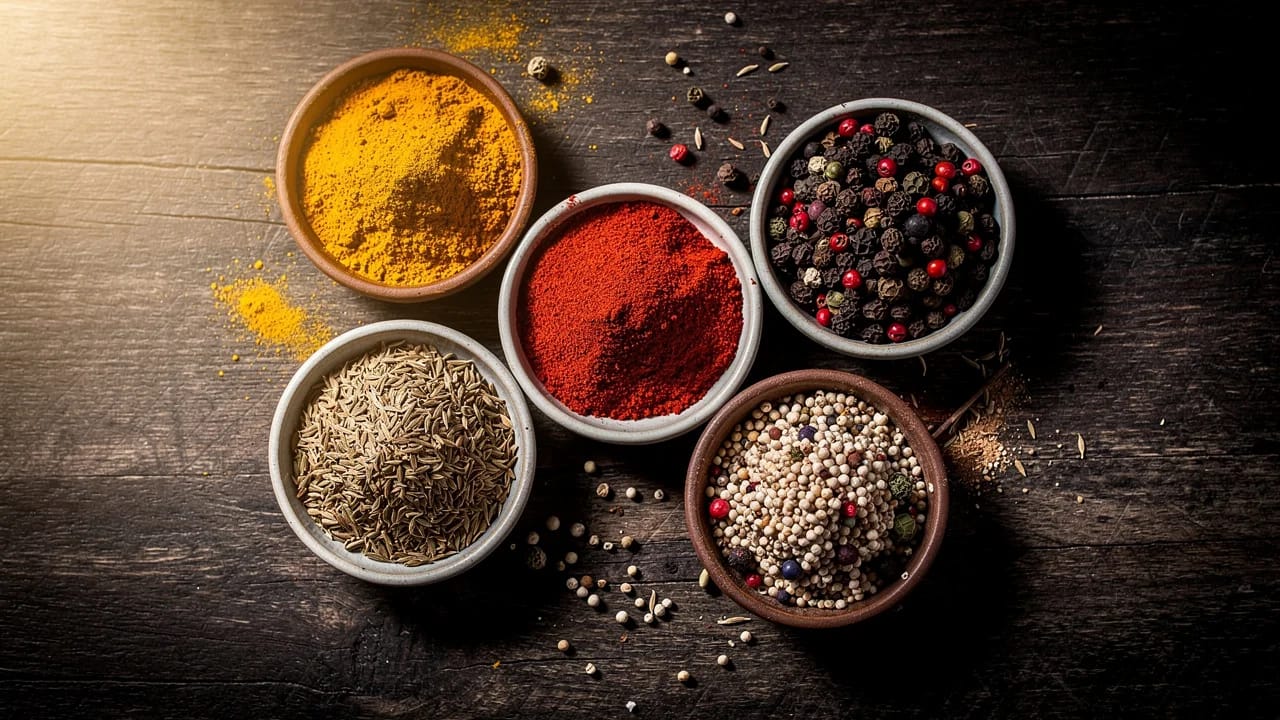
The 15 spices in this guide were picked for one quality: versatility. Each one pulls weight across multiple cuisines and dish types. Black pepper goes in everything. Cumin bridges Mexican, Indian, and Middle Eastern cooking. Smoked paprika makes a simple roasted chicken taste like it took hours.
This isn't about minimalism for its own sake. It's about knowing your tools well enough to improvise. Once you understand what cumin actually does to a dish, you stop needing recipes to tell you when to use it.
Tier 1: the five you can't skip
Black pepper
The most important spice in any kitchen, full stop. Freshly ground black pepper tastes nothing like the pre-ground stuff. The compound piperine breaks down quickly once ground, which is why a pepper mill matters more than any other spice tool.
Two forms cover every job: a mill of whole peppercorns for finishing, and a jar of coarsely cracked pepper for rubs and marinades. Tellicherry peppercorns are larger berries with more complex flavor, but any whole peppercorn beats pre-ground. Pepper is one of the most traded spices on earth, about a fifth of the world spice trade, and the reason is simple: it goes with everything.
Best in: Everything savory. Eggs, pasta, grilled meats, roasted vegetables, even strawberries with cream.
Cumin
Earthy, warm, slightly nutty. Cumin is the backbone of so many cuisines that understanding food science helps explain why: the volatile oils in cumin seeds activate at specific temperatures, releasing layers of flavor during cooking.
Toast whole cumin seeds in a dry pan for 60-90 seconds until fragrant, then grind them. The difference between freshly toasted and jarred ground cumin is one of those "before and after" moments in cooking, and it changes a chili recipe overnight.
Best in: Chili, tacos, curry, roasted cauliflower, black beans, hummus.
Smoked paprika
Regular paprika adds color. Smoked paprika (pimentón de la Vera) adds flavor. The peppers are slowly dried over oak-wood smoke, giving them a deep, smoky sweetness that's impossible to replicate with other spices.
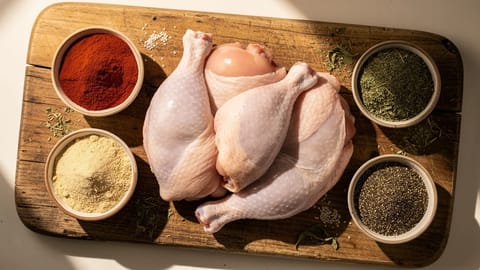
A teaspoon of smoked paprika in a pan sauce transforms it. It works on roasted potatoes, in scrambled eggs, and rubbed into chicken thighs before they hit the grill, where it anchors a reliable seasoning for chicken. If you buy only one paprika, make it smoked.
Best in: Roasted vegetables, stews, rubs, deviled eggs, shakshuka, rice dishes.
Garlic powder
Fresh garlic and garlic powder are different ingredients, not substitutes. Garlic powder brings a mellow, roasted garlic sweetness that fresh garlic can't. It dissolves evenly into dry rubs, dressings, and sauces where minced garlic would burn or clump.
It's the secret behind most "restaurant flavor" in simple dishes. A pinch in butter or oil before tossing pasta makes it taste like someone actually tried.
Best in: Dry rubs, ranch dressing, garlic bread, popcorn, marinades, compound butter.
Chili flakes (red pepper flakes)
Heat plus texture. Chili flakes add controlled spice without overwhelming a dish the way cayenne can. You can see them in the pan, which means you control the heat visually.
Keep a jar next to your stove. A pinch in pasta water, a sprinkle over pizza, a shake into stir-fry oil. The seeds carry most of the heat, so crushing them between your fingers before adding gives you more burn per flake.
Best in: Pasta aglio e olio, stir-fries, pizza, roasted broccoli, marinara sauce.
Tier 2: expand your range
Cinnamon
Most people only think of cinnamon for baking, but it's a workhorse in savory cooking. Moroccan tagines, Mexican mole, Indian biryanis, and Middle Eastern lamb dishes all lean on cinnamon. A small amount adds warmth without sweetness.
Ceylon cinnamon (the "true" cinnamon) has a more delicate, citrusy flavor than cassia, which is what most grocery stores sell. Both work. For savory cooking, cassia's stronger punch is actually an advantage.
Best in: Oatmeal, apple pie, lamb stew, biryanis, chili con carne, spiced coffee.
Oregano
Dried oregano is one of the rare herbs that improve when dried. The drying process concentrates the essential oils and removes the bitter edge that fresh oregano sometimes has. Mexican oregano and Mediterranean oregano taste different because they are different plants: Mexican oregano comes from a verbena-family shrub and leans citrusy and earthy, while Mediterranean oregano is a mint-family herb with a more peppery bite.
Best in: Pizza sauce, Greek salad dressing, chili, marinades, bean dishes.
Turmeric
Turmeric brings golden color and a warm, slightly bitter earthiness. On its own, it's subtle. Paired with black pepper, its curcumin is absorbed far better: a small 1998 study in human volunteers measured about a 2,000% increase with piperine. Indian cooking has used them together for far longer than that.
Don't overdo it. Half a teaspoon is plenty for most dishes. Too much turmeric tastes medicinal and stains everything it touches, including your countertops.
Best in: Curry, golden rice, scrambled eggs, roasted cauliflower, lentil soup.
Cayenne pepper
Where chili flakes add textured heat, cayenne adds smooth, even fire. A quarter teaspoon goes a long way. Reach for cayenne when you want heat without changing the texture: mac and cheese, cream sauces, chocolate brownies.
Start with less than you think you need. You can always add more; you can't remove cayenne from a soup that's already too hot.
Best in: Hot sauce, cajun seasoning, spicy chocolate, deviled eggs, chili.
Coriander
Ground coriander has a warm, lemony, floral quality that's nothing like fresh cilantro (they come from the same plant, but taste completely different). It's the bridge spice between sweet and savory. In a dry rub for pork, it adds brightness. In a curry paste, it provides depth.
Buy whole seeds and grind them with a mortar and pestle for the best results. The flavor degrades faster than most spices once ground.
Best in: Curry blends, pickles, sausage rubs, citrus marinades, roasted root vegetables.
Tier 3: for the serious home cook
Ground ginger
Dried ground ginger isn't a substitute for fresh ginger. Like garlic powder vs. fresh garlic, it's a different ingredient with its own uses. Ground ginger has a sharper, more concentrated heat that works in baking (gingerbread, pumpkin pie) and dry rubs.
Best in: Gingerbread, pumpkin pie, Asian-inspired rubs, stir-fry marinades.
Nutmeg
Always buy whole nutmegs and grate them fresh on a microplane. Pre-ground nutmeg loses its essential oils fast and tastes like sawdust within weeks. Fresh nutmeg has a warm, slightly sweet complexity that pre-ground can't touch.
A tiny grating belongs in every béchamel. It's also the secret in spinach dishes, egg custards, and Swedish meatballs.
Best in: Béchamel, eggnog, spinach gratin, pumpkin pie, cream-based pasta.
Cardamom
Expensive but worth it. Green cardamom has an aromatic, almost eucalyptus-like warmth that transforms chai, rice pudding, and Scandinavian baked goods. Black cardamom is smokier and works in savory braises.
A little goes far. Crack the pods and use the seeds inside, discarding the husks, for the cleanest flavor.
Best in: Chai, rice pilaf, cardamom rolls, curry, spiced cookies.
Mustard seed
Yellow mustard seeds are mild. Brown mustard seeds have bite. Both pop and release a nutty, pungent aroma when heated in oil, which is why Indian cooking starts so many dishes by tempering spices in hot fat.
Best in: Pickles, Indian dals, salad dressings, roasted potatoes, sauerkraut.
Whole cloves
Intensely aromatic and a little goes a very long way. One or two cloves in a braise or mulled wine is plenty. Biting into a whole clove is unpleasant, so fish them out before serving or use a sachet.
Best in: Ham glaze, mulled wine, biryani, pumpkin pie spice, onion-studded with cloves for stock.
How to store spices (so they actually last)
Spices don't spoil in a food-safety sense, but they lose potency. Heat, light, moisture, and air are the enemies. McCormick's own best-by guidance is 2-4 years for ground spices and 3-4 years for whole, but flavor fades well before that: most ground spices are noticeably weaker after 6-12 months. The spice storage guide has the shelf-life chart for 25 spices.
The nose test works for checking freshness: rub a pinch between your fingers and inhale. If it smells faint or flat, it's time to replace it. Fresh spices should hit you immediately.
Building spice blends from your collection
Once you have the 15 spices above, you can make dozens of spice blends from scratch:
- 2 tsp oregano
- 1 tsp garlic powder
- 1 tsp black pepper
- 1/2 tsp coriander
- Pinch of chili flakes
Mix and store in a jar. Use on roasted vegetables, chicken, and with the right salt for a quick seasoning blend.
- 2 tsp cumin
- 1 tsp coriander
- 1 tsp turmeric
- 1/2 tsp cinnamon
- 1/2 tsp ginger
- 1/4 tsp cayenne
- 1/4 tsp cardamom
Toast in a dry pan for 60 seconds. Store in an airtight jar. Use within a month for best flavor.
- 2 tsp smoked paprika
- 1 tsp garlic powder
- 1 tsp cumin
- 1 tsp black pepper
- 1/2 tsp cayenne
- 1/2 tsp cinnamon
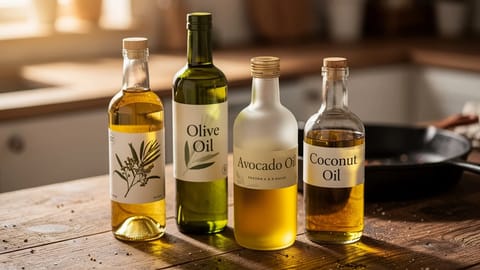
Pat onto ribs, chicken, or brisket at least 30 minutes before cooking. Works with different oils and fats depending on your cooking method.
What about herbs?
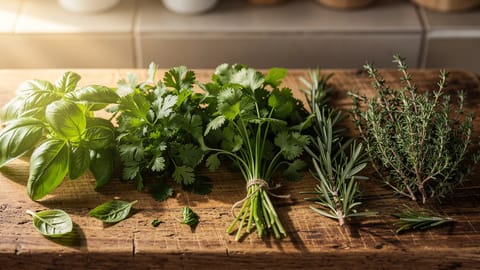
This guide focuses on dried spices, not herbs. Fresh herbs need different storage and serve a different role: herbs brighten and finish dishes while spices build depth during cooking. Related reading: when to add spices during cooking covers the timing windows that turn the right spices into real flavor.
That said, dried oregano and dried thyme belong in every spice drawer. They're the two herbs that genuinely improve when dried. Most other dried herbs (dried basil, dried parsley, dried cilantro) are pale shadows of their fresh counterparts.
The spice shopping strategy that saves money
Don't buy a 20-jar spice rack set. Here's why:
- Half the jars will sit unused for years
- You don't know the grind date, so potency is uncertain
- The containers are often too small for spices you use frequently and too large for ones you don't
Instead, build your collection in tiers over a few weeks. Start with the Big Five. Cook with them for a month. Add the next five when you hit a recipe that calls for something you don't have. This way, every jar in your collection has a purpose.
Bulk bins at grocery stores or specialty spice shops let you buy small quantities. A small scoop of cumin costs a fraction of a jarred version and you can replace it every few months to keep it fresh.
- Start with 5 spices: black pepper, cumin, smoked paprika, garlic powder, chili flakes
- Add 5 more as you need them: cinnamon, oregano, turmeric, cayenne, coriander
- Buy whole spices when grinding makes a noticeable difference (pepper, cumin, coriander, nutmeg)
- Store away from heat and light in airtight containers
- Replace ground spices every 6-12 months using the nose test
- Build spice blends from your collection instead of buying pre-made ones
Once the jars are on the shelf, the next question is which ones to open together: the spice pairing chart maps all 15 of these to the foods they fit best. Write the three blends above down as recipes so the ratios are at hand the next time you're seasoning; Fond, the recipe app we're building, is designed for that (join the waitlist).