 Bastien
Duxelles
Duxelles is a finely chopped mixture of mushrooms, shallots, and herbs cooked in butter until dry and intensely flavored. A cornerstone of French classical cooking, it is the mushroom layer in beef Wellington, a base for sauces, and a versatile flavor concentrate.
Duxelles is a finely chopped mixture of mushrooms, shallots, and herbs, cooked in butter until dry and intensely flavored. It is a cornerstone of French classical cooking: the mushroom layer in beef Wellington, a base for sauces, a spread for crostini, and a flavor concentrate you can keep in the freezer.
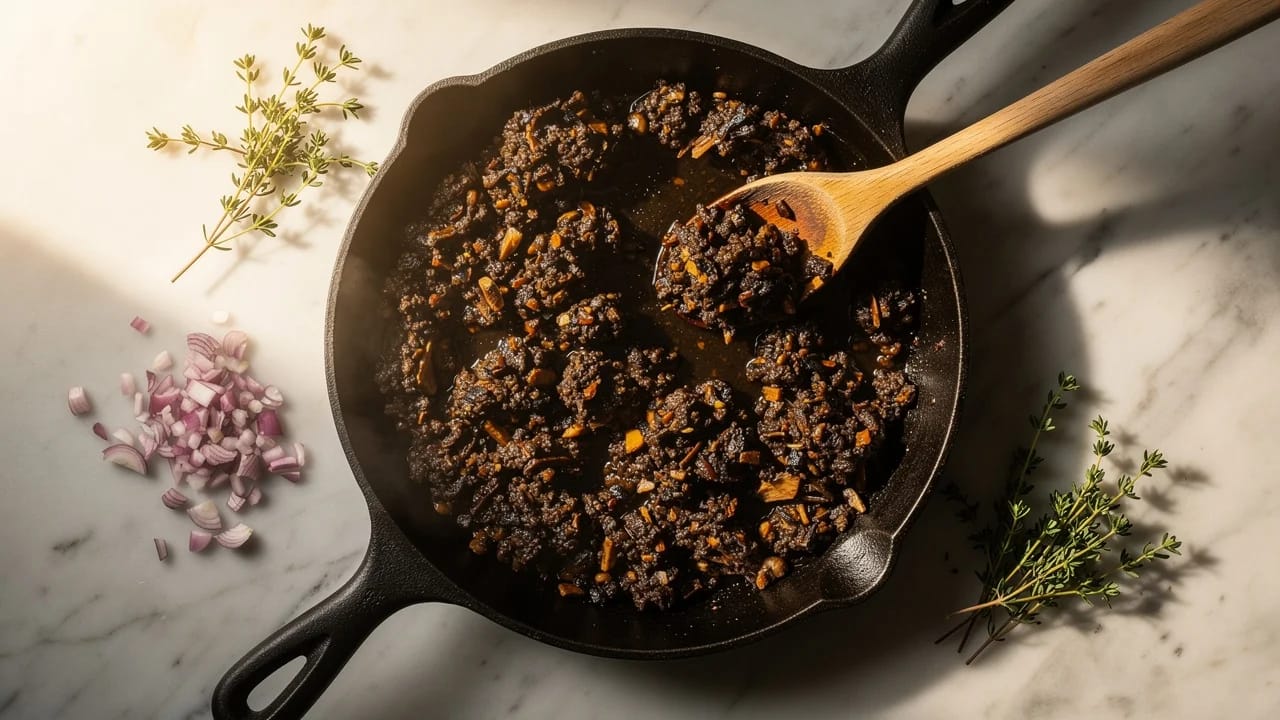
The transformation is the point. A mound of raw chopped mushrooms that barely fits in a large skillet cooks down to about a cup of dark, concentrated paste in twenty minutes, and the kitchen smells deep and earthy, almost truffle-like. Duxelles (pronounced "dook-SEL") is one of the most useful preparations in French cooking, and one of the least talked about outside culinary school.
TL;DR: Duxelles is a dry, concentrated mixture of finely chopped mushrooms, shallots, and herbs cooked in butter until all moisture evaporates. It's the mushroom layer in beef Wellington, but works as a filling, sauce base, spread, or flavor bomb in dozens of dishes.
What is duxelles?
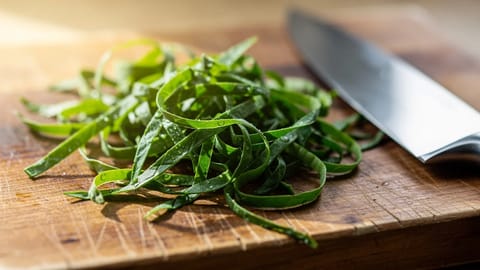
Duxelles is a preparation, not a dish. You mince mushrooms and shallots very fine (a chiffonade cut for the herbs, a brunoise for the shallots), then cook everything in butter over medium-high heat until the moisture evaporates completely. The result is a dark, paste-like concentrate packed with umami.
What does duxelles mean, and how do you pronounce it?
The word is a place name, not a description. It is traditionally credited to François Pierre de La Varenne, author of Le Cuisinier François (1651) and cook to the Marquis d'Uxelles, who is said to have named the preparation after his employer. The Académie française is more cautious and says only that it probably comes from an officer in the marquis's household. Either way, the technique has barely changed in three centuries.
Say it "dook-SEL," with the stress on the second syllable. In French the first vowel is the tight French u (/dyk.sɛl/), and the final s is silent. You will see both "duxelle" and "duxelles" in English recipes; the French spelling keeps the s, and both refer to the same thing.
What did Escoffier's duxelles look like?
Escoffier's Guide to Modern Cookery gives the preparation its own numbered recipe (No. 223, "ordinary or dry duxelle") and notes that "the uses of duxelle are legion." His version is leaner than most modern ones: a spoonful of chopped onion fried in a little butter and oil, then chopped mushroom stalks and parings that have been pressed in a towel to expel their moisture, stirred over a brisk fire until that moisture has completely evaporated, and seasoned with salt, pepper, nutmeg, and chopped parsley. Shallots, thyme, and wine are later refinements. The core idea, chop fine and cook dry, is unchanged.
How do you make duxelles?
The technique is forgiving but demands one thing: patience with moisture.
Ingredients
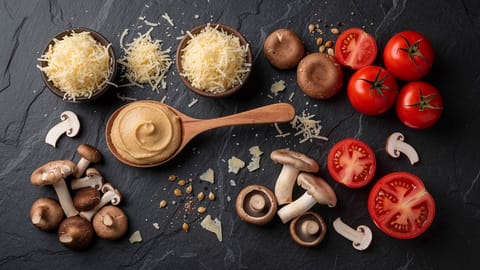
- 1 lb (450 g) cremini or button mushrooms
- 2 medium shallots, finely diced
- 2 tablespoons unsalted butter
- 1 tablespoon fresh thyme leaves
- 2 tablespoons flat-leaf parsley, minced
- Salt and black pepper to taste
- Optional: splash of dry white wine or Madeira
Steps
- Mince the mushrooms very fine. A food processor works, but pulse carefully. You want a fine chop, not a puree. Squeeze the minced mushrooms in a clean kitchen towel to remove excess water.
- Cook the shallots in butter over medium heat for 2-3 minutes until translucent.
- Add the mushrooms, increase heat to medium-high. Spread them out so moisture can escape. Don't stir constantly; let them cook.
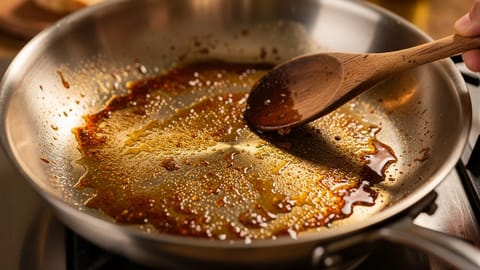
- Cook until dry, about 15-20 minutes. The mixture will shrink dramatically. When a spoon dragged across the pan leaves a trail that doesn't fill with liquid, you're done.
- Add herbs and season. Stir in thyme and parsley, season with salt and pepper. If using wine, add it now and cook until absorbed.
- Cool completely before using as a filling.
Tip: The biggest mistake is stopping too early. If the mixture still looks wet or shiny, keep cooking. Wet duxelles will make pastry soggy and sauces watery. When it's ready, it should hold together when pressed with a spoon.
Which mushrooms work best for duxelles?
The classic calls for white button or cremini mushrooms, but you're not limited to those.
| Mushroom | Flavor | Best for | Notes |
|---|---|---|---|
| Cremini / baby bella | Earthy, mild | All-purpose duxelles | The standard. Reliable and affordable. |
| White button | Clean, subtle | Delicate fillings, light sauces | Milder than cremini. |
| Porcini / cèpes | Rich, nutty | Luxury Wellington, risotto base | Intense flavor; mix with cremini to stretch. |
| Shiitake | Smoky, meaty | Asian-inflected dishes | Remove stems. Adds depth. |
| Mixed wild | Complex, woodsy | Special-occasion dishes | Best combined with a base of cremini. |
A 50/50 mix of cremini and rehydrated dried porcini is a popular compromise: most of the porcini flavor at a fraction of the price. The porcini soaking liquid, reduced by half, can be added during cooking for even more concentrated mushroom flavor.
What can you use duxelles for?
Beef Wellington gets all the press, but duxelles belongs in your weekly rotation.
Beef Wellington. The famous pairing. Spread a thin, even layer over the seared tenderloin before wrapping in puff pastry. The duxelles acts as a moisture barrier between meat and pastry while adding flavor.
Sauce duxelles. One of the small sauces derived from the mother sauces. Combine duxelles with a velouté or béchamel, finish with cream and a squeeze of lemon.
Stuffed vegetables. Fill mushroom caps, zucchini boats, or tomatoes with duxelles mixed with breadcrumbs and Gruyère.
En croûte preparations. Salmon, chicken, or pork wrapped in pastry with a duxelles layer.
Omelets and scrambled eggs. A spoonful of duxelles stirred into eggs before cooking adds depth without any extra prep.
Risotto boost. Stir a few tablespoons into risotto during the last few minutes. Instant umami.
Pasta sauce. Warm duxelles with cream, a splash of pasta water, and Parmesan for a two-minute sauce.
Toast and crostini. Spread on grilled bread, top with a soft cheese. Works as a quick appetizer or snack.
Grain bowls. A spoonful on top of farro, quinoa, or rice elevates a simple bowl.
Grilled cheese upgrade. Spread inside before pressing.
Frozen flavor cubes. Freeze duxelles in ice cube trays, then transfer to a bag. Pop a cube into soups, stews, or sauces whenever you need a mushroom hit.
Compound butter. Mix equal parts duxelles and softened butter. Roll in plastic wrap, refrigerate, and slice rounds onto steaks or roasted vegetables.
Stuffing base. Use as the flavor foundation for Thanksgiving stuffing or bread-based dressings.
What is the difference between duxelles and sautéed mushrooms?
They're not the same thing. Sautéed mushrooms are cooked until golden but still have moisture and visible shape. Duxelles is cooked until bone dry and the individual pieces are barely distinguishable, forming a concentrated paste. The texture difference matters: sautéed mushrooms go on top of things, duxelles goes inside things.
How do you store and freeze duxelles?
Duxelles keeps well because the moisture has been cooked out:
- Refrigerator: 3 to 4 days in an airtight container, the usual window for cooked leftovers.
- Freezer: A few months. Ice cube trays are ideal. Each cube is roughly 2 tablespoons, perfect for single-use portions.
- Thawing: No need. Drop frozen cubes directly into hot pans, soups, or sauces.
Tip: Press plastic wrap directly onto the surface before sealing the container. This prevents oxidation and keeps the color dark.
What are the best tips for perfect duxelles?
The habit worth building is the double batch. Cook twice what the recipe needs and freeze half in cubes. Two tablespoons of frozen duxelles turns a plain omelet into something that tastes like it came from a French bistro, and it costs nothing extra on the day you make it.