 Bastien
Freezer burn
Freezer burn is the dry, discolored patches that form on frozen food when moisture escapes from the surface into the freezer's air. It's a quality issue, not a safety one. Proper wrapping, airtight containers, and keeping the freezer at 0°F prevent it.
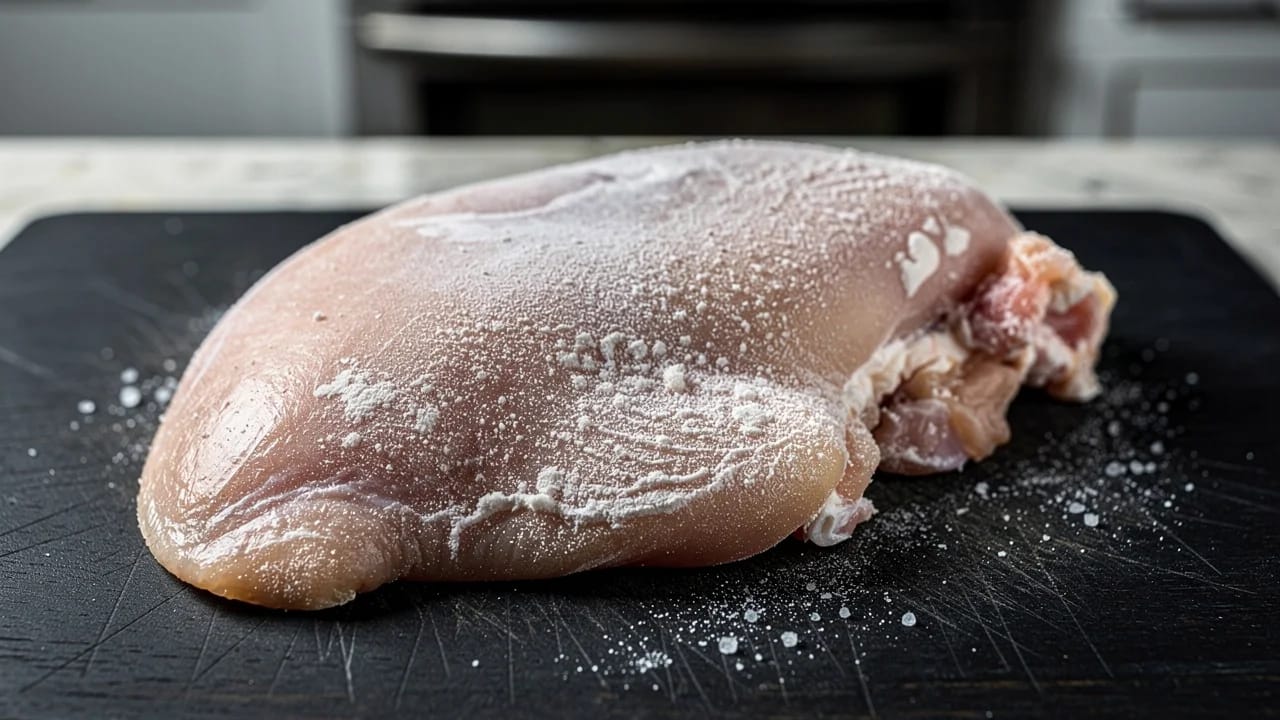
Freezer burn is the dry, discolored patches that form on frozen food when moisture escapes from the surface and evaporates into the cold air inside your freezer. It's not mold, rot, or contamination. It's dehydration.
Those grayish-white spots on your frozen chicken breast or the ice crystals coating last month's leftover soup are signs that water molecules have migrated out of the food and re-frozen on the surrounding surfaces. The food itself loses moisture, texture, and flavor in the process.
It's one of the top reasons people throw away frozen food, but once you know what causes it, you can mostly avoid it.
What causes freezer burn?
Freezer burn comes down to air exposure, temperature fluctuations, and time.
Air exposure
This is the main cause. When food isn't tightly wrapped or sealed, the dry air inside your freezer pulls moisture from the food's surface. The process is called sublimation — ice turning directly into water vapor without becoming liquid first.
Same idea as leaving a wet towel in a cold, dry room. It dries out even without heat.
Temperature fluctuations
Every time you open the freezer door, warm air rushes in. The temperature rises briefly, then drops again as the compressor kicks back on. These small cycles cause surface ice on food to partially thaw and refreeze, accelerating moisture loss.
A kitchen freezer that gets opened ten times a day will produce more freezer burn than a chest freezer in the garage you open once a week.
Time
Even well-sealed food will eventually get freezer burn. The longer food sits frozen, the more moisture migrates. Most frozen foods hold up for 3-6 months. After that, quality drops even with proper packaging.
| Factor | Impact | Solution |
|---|---|---|
| Air exposure | High, primary cause | Airtight containers, vacuum seal, press out air |
| Temperature swings | Medium, accelerates moisture loss | Minimize door openings, keep freezer full |
| Time | Low initially, cumulative | Use within 3-6 months, label with dates |
Is freezer-burned food safe to eat?
Yes. Freezer burn is a quality problem, not a safety one. The USDA confirms that freezer-burned food is safe to eat. Nothing dangerous has happened to it — the affected areas have just dried out.
The texture and flavor do suffer, though. So what does freezer burn taste like? The affected areas taste dry, stale, and cardboard-like — sometimes with a faintly metallic or off-putting aftertaste from oxidized fats. Freezer-burned chicken tastes bland and papery where it's affected. Vegetables get mushy. Ice cream turns grainy and icy with a dull, washed-out flavor.
How to fix freezer-burned food
You can't undo the dehydration, but you can work around it. Here's how to fix freezer burn depending on the situation:
- Trim it: Cut away the freezer-burned sections and cook the rest normally. This works well for meat, bread, and firm vegetables. For freezer-burned steaks or chops, trim the discolored edges and you'll barely notice the difference.
- Braise or stew it: This is the best way to salvage freezer-burned meat. A freezer-burned chicken thigh that would be terrible pan-seared becomes perfectly fine simmered in a braised stew for two hours. The long, moist cooking rehydrates tough fibers and adds flavor back through the liquid.
- Blend or puree it: Freezer-burned fruits and vegetables work well in smoothies, soups, or sauces where texture doesn't matter.
- Accept the trade-off: Mild freezer burn has minimal impact on flavor. If it's just a few small patches, cook it as planned.
What does freezer burn look like on different foods?
Freezer burn doesn't look the same on every food. Red meat gets gray-brown, leathery patches where the surface has dried out and discolored. Freezer burn on chicken shows up as pale, white or yellowish dry spots — usually around the edges of breasts and thighs where the packaging left air gaps. The skin may look papery and tough. Frozen vegetables shrivel and grow a heavy coating of ice crystals on the outside — moisture that's left the food and refrozen on the surface. Freezer burn on ice cream is that crunchy, crystallized top layer you scrape past to get to the good stuff — a gritty, icy shell that forms when the surface thaws slightly and refreezes each time the container is opened.
How to prevent freezer burn
It mostly comes down to keeping air away from the food.
Wrap tightly, then wrap again
For meats, the store packaging (styrofoam tray with plastic wrap) is one of the worst options for long-term freezing. That packaging is designed for a few days in the fridge, not months in the freezer.
Instead:
- Remove the original packaging
- Wrap tightly in plastic wrap, pressing out as much air as possible
- Wrap again in aluminum foil or place inside a freezer-safe zip-lock bag
- Press out remaining air before sealing
- Label with contents and date
This double-wrap method slows sublimation significantly.
Use the right containers
Not all containers hold up in the freezer. Look for ones rated for freezer use:
Vacuum-sealed bags give you the best protection since they remove nearly all air. Freezer-grade zip-lock bags work well too — press out the air before sealing and lay them flat so they stack. For liquids, rigid freezer containers with about 1/2 inch of headspace handle expansion. Heavy-duty aluminum foil is a good secondary wrap since it conforms tightly to the food's shape.
Skip thin plastic wrap on its own, regular zip-lock bags, containers with loose lids, and glass that isn't freezer-rated (it can crack from thermal shock).
Keep your freezer full and cold
A full freezer maintains temperature better than an empty one. The frozen items act as thermal mass, helping the freezer recover quickly after the door opens.
Set your freezer to 0°F (-18°C) or below. Use a freezer thermometer to verify, as the built-in dial isn't always accurate.
If your freezer isn't full, fill empty space with bags of ice or frozen water bottles. They stabilize the temperature and reduce the air volume that causes freezer burn.
Freeze food properly from the start
How you freeze food matters just as much as how you wrap it.
Let food cool completely before freezing — putting it in hot raises the internal temperature and creates condensation inside the packaging. When you can, spread soups, sauces, and ground meat flat in zip-lock bags. They freeze faster and stack better. Also, portion large batches into meal-sized amounts so you only thaw what you need. Refreezing thawed food speeds up quality loss.
This matters especially for meal prep. When you batch cook proteins or grains for the week, proper freezer storage extends your prep from a 4-day fridge window to 3+ months in the freezer.
How long before freezer burn sets in?
These are quality guidelines, not safety limits. Food frozen at 0°F stays safe indefinitely, but it won't taste as good over time.
| Food | Quality window |
|---|---|
| Raw steaks, chops | 4-12 months |
| Raw ground meat | 3-4 months |
| Raw poultry | 9-12 months |
| Cooked meat and poultry | 2-3 months |
| Soups and stews | 2-3 months |
| Bread | 3-6 months |
| Fruits and vegetables | 8-12 months |
| Cooked rice and grains | 2-3 months |
| Ice cream | 1-2 months (quality drops fast) |
Label everything. Painter's tape and a Sharpie take five seconds. You'll thank yourself when you're not guessing what's in that bag three months from now.
Freezer burn vs frost
Frost and freezer burn look similar but work in opposite directions. Frost is moisture from the air accumulating on the surface of food, usually triggered by temperature fluctuations that cause humid air to condense and freeze on packaging or exposed surfaces. Freezer burn is the reverse — moisture leaving the food itself through dehydration. You can brush frost off and the food underneath is fine. Freezer burn cannot be reversed because the damage is structural: the food has already lost water and developed dry, tough patches.
Freezer burn vs. spoilage
Don't confuse freezer burn with actual spoilage. Freezer burn looks like dry, pale or grayish patches and won't smell off after thawing. It affects texture but not safety. Spoilage is different: off smells after thawing, slimy texture, unusual colors like green or black. If you see those signs, toss it.
If food was properly frozen (within its fridge window, at 0°F or below), freezer burn is the only real concern. If it was already going bad before you froze it, freezing just paused the spoilage. Thawing restarts it.
Getting freezer burn under control is a practical way to reduce food waste at home. Good freezer storage extends your groceries by months, which gives you more room in your meal planning and means fewer grocery runs.
Frequently asked questions
Can you reverse freezer burn?
No. Freezer burn is permanent dehydration — the moisture has already left the food. You can trim off the affected areas or mask the texture in soups and stews, but you can't restore the original quality.
Is freezer-burned chicken safe to eat?
Yes, freezer-burned chicken is completely safe. The dry, pale patches are a texture and flavor issue, not a safety concern. Trim the worst spots and use it in a recipe with plenty of liquid, like a braise or soup.
Does vacuum sealing prevent freezer burn?
Vacuum sealing is the most effective method because it removes nearly all air contact. It doesn't make food immune to freezer burn forever, but it slows the process significantly — often extending quality by several months compared to standard wrapping.
What does freezer burn taste like?
Freezer burn tastes dry, stale, and flat — often described as a cardboard-like flavor. On fatty meats or fish, you may also notice a slightly rancid or metallic taste from oxidized surface fats. The affected portions lose their original flavor almost entirely, which is why trimming or slow-cooking in a flavorful liquid is the best approach.
How do you fix freezer-burned meat?
Trim off the discolored, dried-out sections with a sharp knife, then cook the remaining meat using a method that adds moisture. Braising, stewing, and slow-cooking in broth or sauce are the most effective since the liquid rehydrates the meat and compensates for lost flavor. Avoid dry-heat methods like grilling or pan-searing for heavily affected pieces — without added moisture, the texture stays tough and the taste stays flat.
Start planning meals and freezing the extras. Try Fond free for 14 days.
Cook smarter
Join the waitlist for Fond. Recipes, meal plans, and a little AI sous-chef that learns how you cook.
Related terms
Blanch and shock
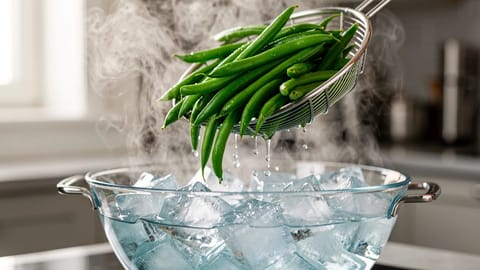
The blanch and shock technique involves briefly cooking food in boiling salted water, then immediately plunging it into ice water to stop cooking. It locks in color, texture, and nutrients in vegetables, and is used for meal prep, freezing, peeling, and brightening dishes.
Blanching
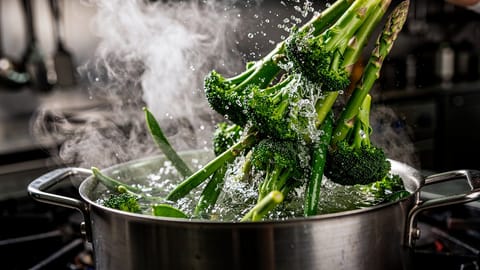
Briefly boiling food then plunging it into ice water to stop cooking — used to preserve color, texture, and nutrients.
Meal Prep
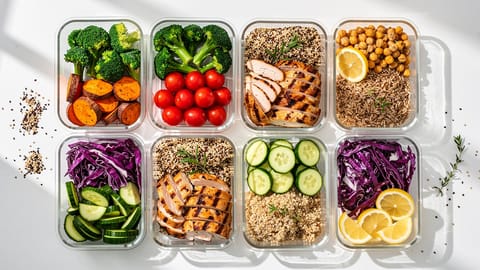
Preparing meals or meal components in advance, typically for the week ahead, to save time and reduce daily cooking effort.