 Bastien
How to meal plan using your recipe collection (a system that sticks)
A realistic approach to weekly meal planning built around recipes you already have. Covers picking recipes, building a flexible weekly template, generating shopping lists, and avoiding the common traps that make people quit.
It's 5:30 PM. You're staring into the fridge. There's chicken thighs you bought three days ago, half a bag of spinach going limp, and some leftover rice. You have 200 recipes saved in various places. But right now, standing in the kitchen with a hungry family, none of that helps. You open a delivery app instead.
This happens because having recipes and using recipes are two different problems. Saving recipes is collecting. Weekly meal planning is the part where collecting turns into eating.
Most meal planning advice starts with "make a list of meals for the week." That's the equivalent of telling someone to get organized by buying a planner. The tool isn't the hard part. The hard part is the system behind it.
Here's a meal planning system built around your actual recipe collection, one that's simple enough to stick with past the first enthusiastic week. It won't make you a better cook. It will make the "what's for dinner?" question disappear, and it tends to shrink the grocery bill because you stop buying food you never cook.
There's some research behind the habit, too. A 2017 cross-sectional study of 40,554 French adults in the NutriNet-Santé cohort found that people who planned meals were more likely to eat a wider variety of foods and to follow national dietary guidelines more closely. It shows an association, not cause and effect, but it's a useful nudge.
Why most meal planning attempts fail
People try meal planning, do it for two or three weeks, then stop. The reasons are predictable:
The fix for all four problems is the same: build your weekly meal plan from recipes you already have, keep it flexible, and connect it directly to your shopping list.
Step 1: Build a base of go-to recipes
Before you plan a single week, you need a pool of recipes to draw from. Not 200, just 15 to 20 meals you know how to make and your household will eat.
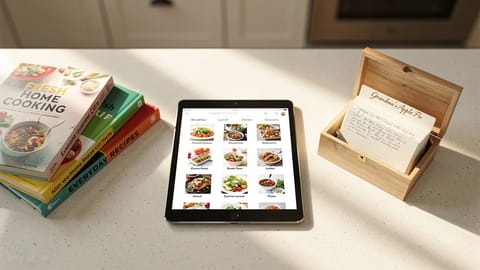
If you've already organized your recipes digitally, you're ahead. Pull up your collection and tag or star your regulars.
If you haven't, start by writing down everything you've cooked in the last month from memory. Most people can list 10-15 meals without trying. Those are your base.
You don't need every category filled out. You need enough meals to cover a week without feeling repetitive. 15 recipes give you two full weeks of dinners before repeating anything.
Step 2: Pick a planning day and a weekly template
Choose one day a week to plan. Sunday works for most people, but any day before your main grocery trip is fine.
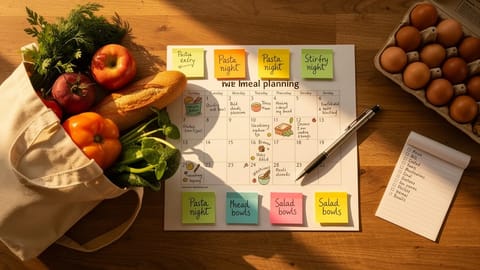
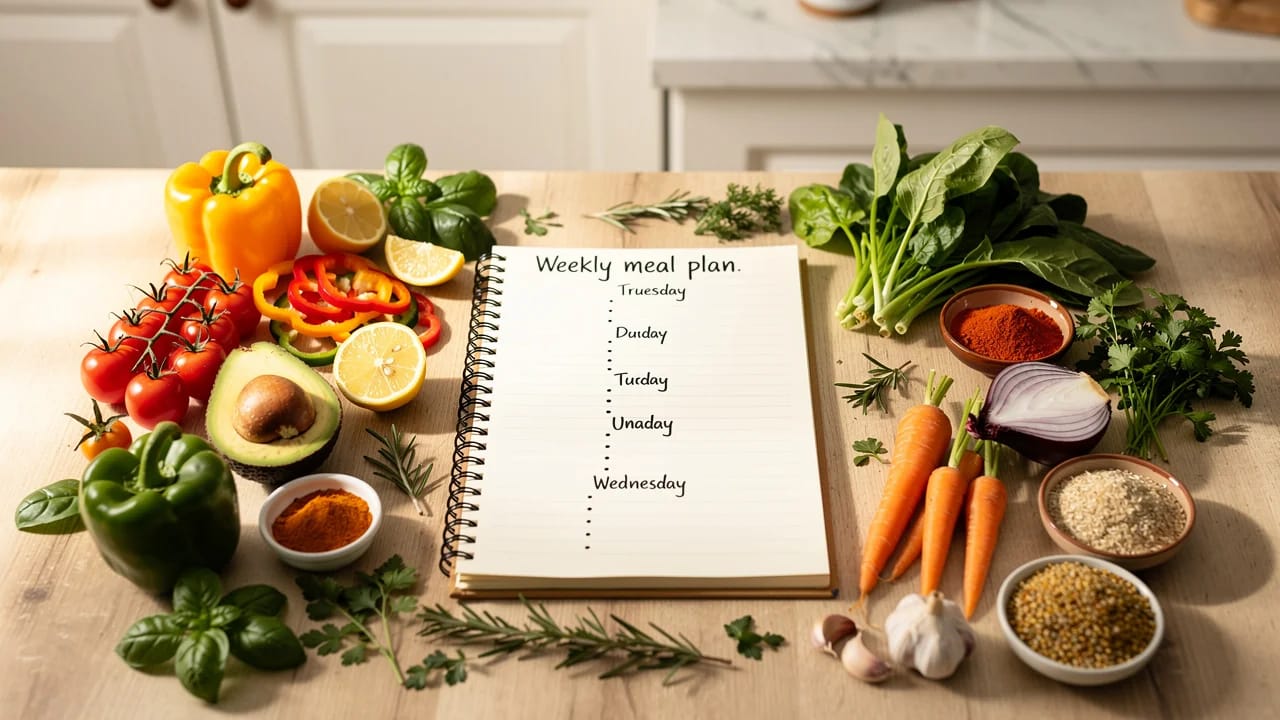
Don't plan from scratch each week. Use a weekly meal planning template, a loose structure that tells you what type of meal goes on each night:
This template isn't a rule. It's a starting structure. The point is that when you sit down to plan, you're not asking "what should we eat seven times this week?" You're asking "what's a quick Monday meal?" and "what should I batch-cook Tuesday?" Those are easier questions.
Plug recipes from your go-to list into the template. A week of dinners should take 10 to 15 minutes once you have the system running.
Step 3: Check what you already have
Before finalizing your plan, open the fridge and pantry. What's already there? What needs to get used before it goes bad?
This step alone cuts food waste noticeably. The EPA's own advice for households starts here: look in the fridge, freezer and pantry first, then make a list with the week's meals in mind. That half bag of spinach becomes the reason you plan a frittata for Wednesday. The chicken thighs that expire tomorrow get moved to Monday's plan.
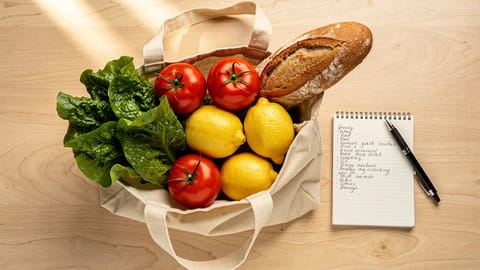
Work your plan around what you have, then shop for what's missing. This is the opposite of how most people shop, buying ingredients and then figuring out what to make. Flipping the order is where the real savings happen, both in money and in wasted food.
Step 4: Generate a shopping list from your plan
This is where a recipe manager earns its keep.
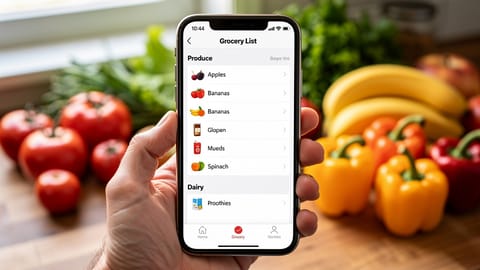
If your recipes are in an app with meal planning and shopping list features, the list generates from the plan. Drop five recipes onto your week, and the app pulls their ingredients into one list. Two recipes call for garlic? A good app puts garlic on one line and shows which recipes need it, instead of two separate entries.
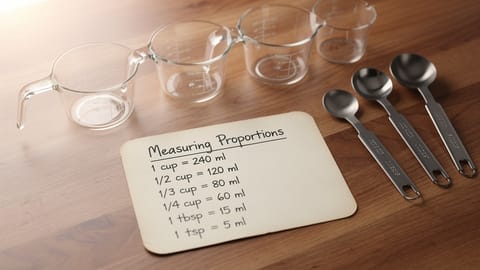
Watch serving sizes too. If you're cooking a four-serving recipe for two, or doubling it for guests on Saturday, scale the recipe before the list is built so the quantities match what you'll cook.
If you're doing this manually, write out the ingredients for each planned meal, then combine duplicates. It works, but it takes 20 minutes instead of 20 seconds.
One trip. That's the goal. Meal planning that still requires three mid-week grocery runs isn't saving you anything.
Step 5: Cook, swap, repeat
Here's the part most guides skip: what happens when the plan meets reality.
Monday: You planned a stir-fry but you're exhausted. Swap it with Thursday's easy pasta. The ingredients are in the house. Nothing is wasted.
Wednesday: Leftovers from Tuesday's batch cook. Zero cooking required.
Thursday: You were supposed to try a new recipe but the day ran long. Move it to Saturday when you have more time. Make the stir-fry tonight instead.
Friday: You planned takeout. Take the takeout.
A meal plan is a menu, not a mandate. Swapping nights around is fine. The value isn't doing exactly what you planned. It's having all the ingredients in the house so that any of your planned meals is 30 minutes away at any time.
The leftover strategy
Leftovers are the secret weapon of meal planning. Build them into the plan intentionally:
- Batch-cook Tuesday, eat leftovers Wednesday. Two dinners from one cooking session.
- Cook a large protein on Sunday, repurpose it. Roast a whole chicken Sunday, use leftover chicken in tacos Tuesday and chicken salad for Thursday's lunch.
- Double the recipe, freeze half. Make a double batch of chili or soup, freeze half in portions. That's a future emergency dinner for a night when everything falls apart.
Leftovers aren't sad. They're strategic. Households that stick with meal planning long-term tend to cook 4-5 times a week and eat 7 dinners. The math only works if leftovers are part of the plan, which is why the template above has a leftover night built in.
Meal planning on a budget
Weekly meal planning is one of the faster ways to lower your grocery bill without eating worse. A few principles that make a noticeable difference:
Shop your pantry first. Before you build the week's plan, check what's already in the cupboard. A can of chickpeas and some pasta shapes can anchor a meal you don't need to buy anything for.
Plan around sales. Check the weekly flyer before picking recipes. If chicken thighs are on sale, slot in two chicken recipes. If bell peppers are cheap, that's stir-fry week. Let the deals shape the menu instead of the other way around.
Embrace batch cooking. Cooking a big pot of soup or chili takes about the same effort as cooking a single portion, but feeds you for two or three nights. One batch-cooking session a week is enough to feel the difference in both time and money.
Buy in season. Tomatoes in January cost more and taste worse. Build seasonal awareness into your recipe rotation. Soups and stews in winter, grilled vegetables and salads in summer. Your bill drops and your food tastes better.
Common mistakes and how to avoid them
Planning too many new recipes. One new recipe per week, max. Fill the rest with meals you can make on autopilot. New recipes take longer, require more focus, and have a higher failure rate. They're fun on Saturday, not on a hectic Tuesday.
Not adjusting for real life. Have a work dinner Thursday? Don't plan a meal for that night. Traveling this weekend? Plan four dinners, not seven. The plan should match your actual week, not an idealized version of it.
Overcomplicating it. A meal plan can be five Post-it notes on the fridge. It can be a whiteboard. It can be an app with drag-and-drop. The format matters less than the habit. Start simple, get fancy later if you want.
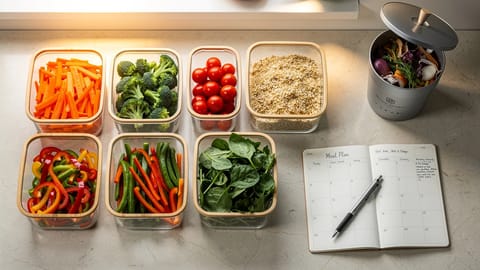
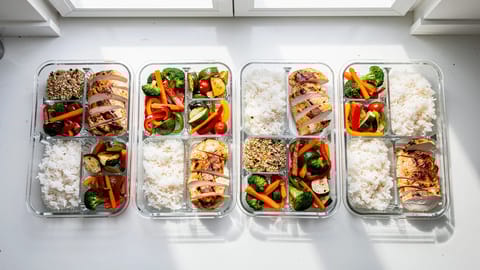
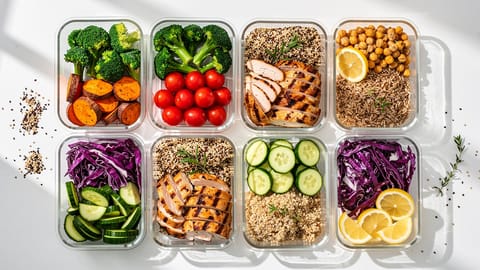
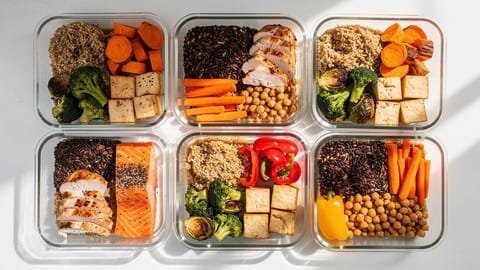
Skipping meal prep. Even 30 minutes of prep on Sunday (washing greens, chopping onions, marinating protein) makes weeknight cooking faster. You don't need full meal prep containers. Just getting ingredients one step closer to the pan makes a difference.
What to look for in a meal planning tool
If you want to go beyond pen and paper, here's what makes a meal planning app useful:
| Feature | Why it matters |
|---|---|
| Recipe library integration | Plan from meals you already have, not from scratch |
| Drag-and-drop calendar | Quick to rearrange when plans change |
| Auto-generated shopping list | Skip the manual ingredient consolidation |
| Recipe scaling | Adjust portions per meal without recalculating |
| Notes on the calendar | Mark a night as "leftovers" or "eating out" so you don't over-plan |
| Shared access | Everyone in the household sees the plan |
Fond connects your recipe collection to a weekly meal planner, and it builds a shopping list from the recipes on the dates you pick, grouping the same ingredient across recipes. But the tool matters less than the habit. The best meal planning app is the one you'll open every Sunday for 15 minutes.
Start this week
You don't need a perfect system to start. You need five dinners and a grocery list.
Do that for two weeks. You'll spend less money, waste less food, and skip the nightly "what's for dinner" panic. After two weeks, you'll have a feel for what works and what doesn't, and you can refine from there.
The goal isn't a color-coded meal plan with matching Pinterest-worthy lunches. It's knowing what's for dinner before you're hungry and having everything you need to make it. That's the whole thing.