 Bastien
What is meal prep? Meaning and the four types
Meal prep is the practice of cooking and portioning meals or meal components in advance, typically in one 2-3 hour session for the week ahead. There are four types (full meals, components, ingredients, freezer), and the easiest way to start is prepping lunches only.
Meal prep is the practice of planning, cooking, and portioning meals or meal components ahead of time, typically in one session for the days that follow. The meaning is right there in the name: preparation of meals in advance, so that cooking becomes a once-a-week effort instead of a daily chore. It saves time and reduces food waste. It also makes eating well the path of least resistance.
This entry defines meal prep. For a step-by-step first session with a two-hour timeline, see how to meal prep.
The concept is simple. Spend 2-3 hours cooking on Sunday (or whatever day works), and you have ready-to-eat or ready-to-finish meals for most of the week. No more "what's for dinner?" decision fatigue, and no more wilting vegetables forgotten in the back of the fridge. Food prep, batch cooking and Sunday prep all describe versions of the same habit.
What are the types of meal prep?
Full meal prep
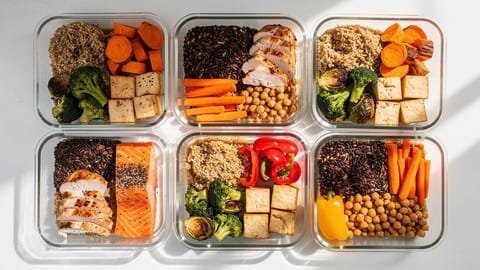
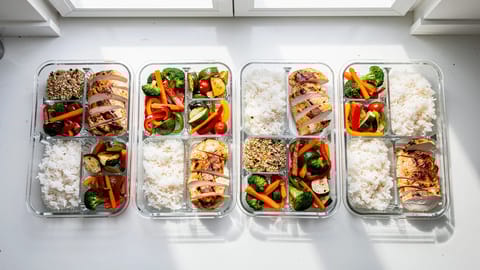
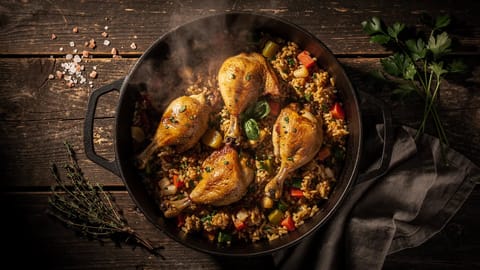
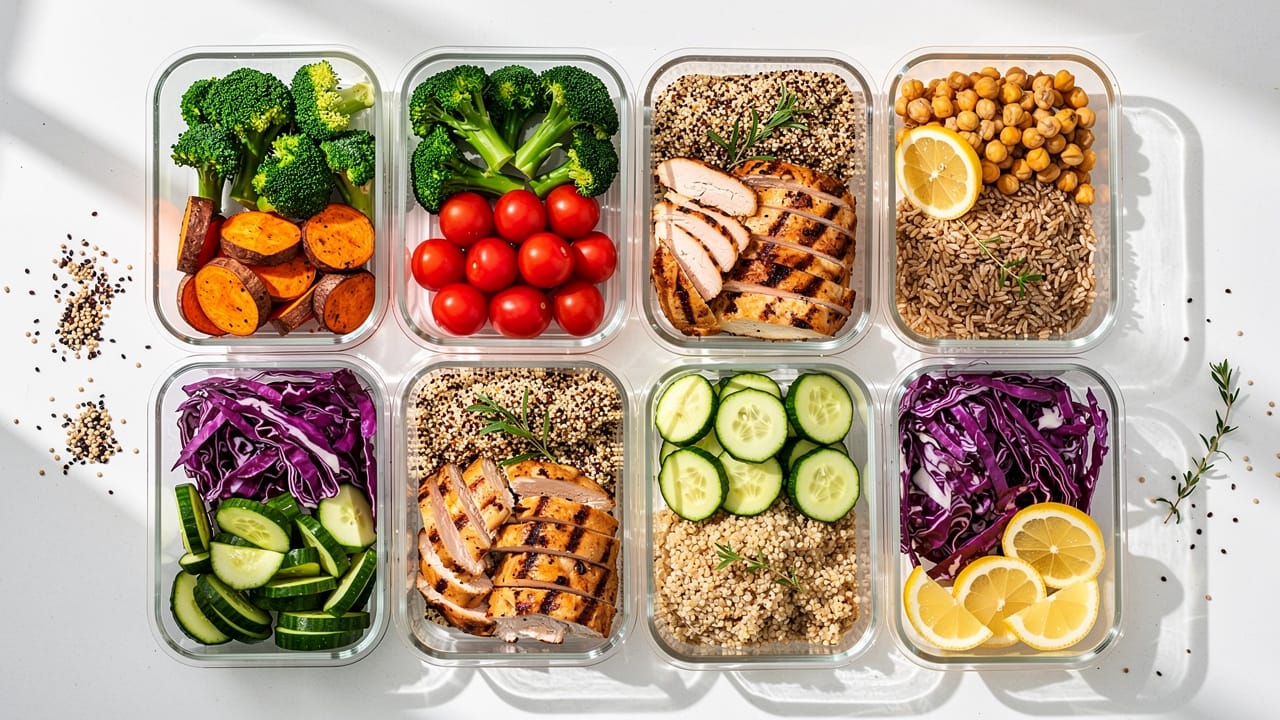
Cook complete meals, portion them into containers, and refrigerate or freeze. This is the most hands-off approach during the week: grab a container and reheat. It works best for lunches and for people who don't mind eating the same thing several times.
Component prep (building blocks)
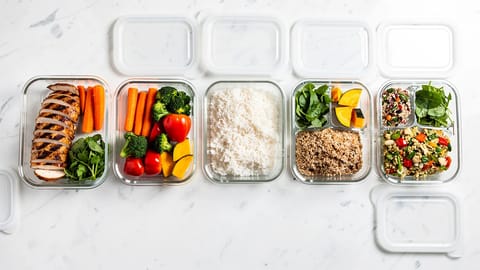
Prepare versatile base components that mix and match into different meals throughout the week. This is the most flexible approach, and the one that prevents meal-prep fatigue from eating identical meals.
Common building blocks:
- Proteins: Roasted chicken thighs, seared tofu, poached chicken breast, baked salmon
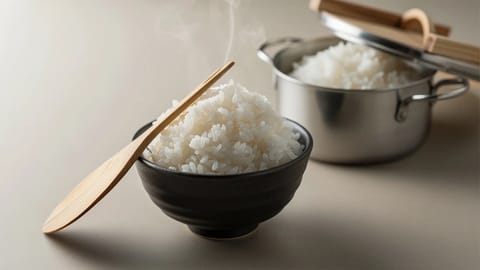
- Grains: Rice, quinoa, farro, couscous
- Vegetables: Blanched broccoli, roasted sweet potatoes, raw salad ingredients
- Sauces and dressings: Vinaigrettes, tahini sauce, chimichurri, peanut sauce
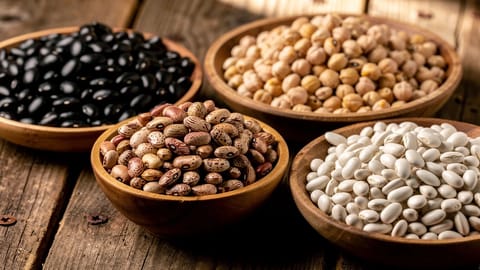
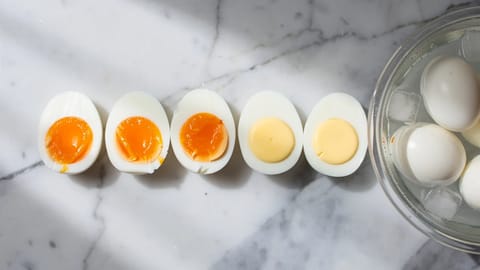
- Basics: Cooked beans, hard-boiled eggs, washed greens
Ingredient prep
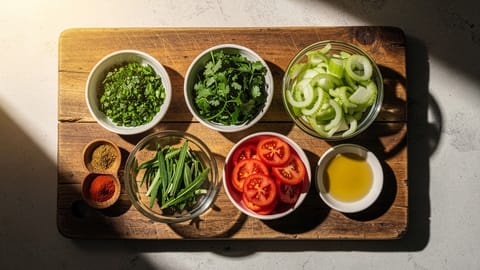
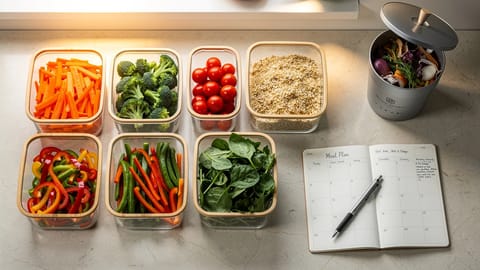
Wash, chop, measure, and organize raw ingredients so assembly during the week takes minutes instead of the full cooking time. This is essentially doing your mise en place for the entire week.
Freezer prep
Prepare meals or meal kits designed to be frozen and cooked later: soups, braises, casseroles, marinated proteins, and sauce bases. Freezer prep extends the benefit from one week to one month or more.
How do you start meal prepping?
Start small. Trying to prep 21 meals on your first Sunday is a fast way to burn out.
Plan your meals
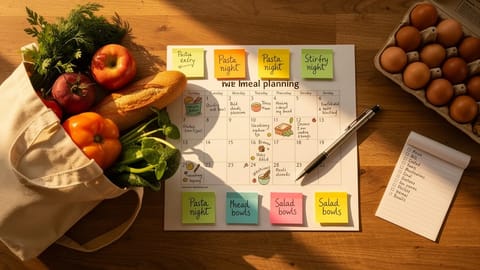
Decide what you'll eat. Focus on 3-4 recipes that share ingredients to minimize waste and simplify your shopping list. Don't try to prep every meal. Start with lunches or the meals you're most likely to skip or replace with takeout. A weekly meal plan makes this step painless, and the step-by-step timeline in how to meal prep walks through a first session hour by hour.
Make a consolidated shopping list
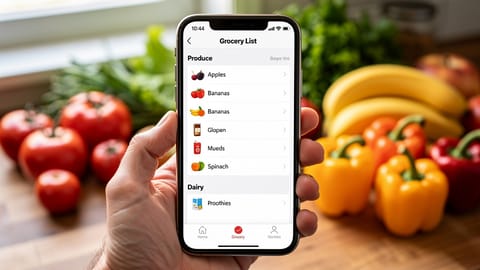
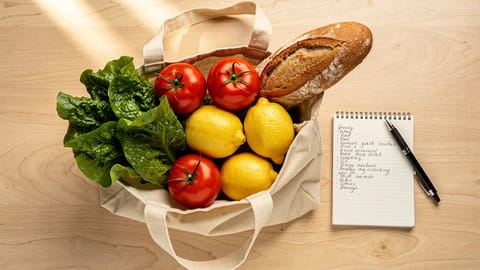
A single grocery shopping trip with everything you need eliminates midweek runs. Group items by store section so shopping is efficient. Fond generates this list from your meal plan.
Batch cook strategically
Cook the things that take the longest first. While a protein roasts in the oven, cook grains on the stovetop and blanch and shock vegetables. Layer your cooking to use all burners and the oven at once. For a deeper look at this approach, see our batch cooking guide.
Store properly
Food-safety bodies agree on the shape of the rule, and differ a little on the numbers. The Australian Food Safety Information Council says to refrigerate leftovers promptly in small containers so they cool fast, use them within two to three days, and reheat to at least 75°C in the centre; US guidance allows three to four days for leftovers. Cooked rice is the exception: the NHS says to refrigerate it within an hour and eat it within 24 hours. We apply the same one-day limit to cooked pasta as a precaution.
The freezer months are quality windows, not safety limits: the National Center for Home Food Preservation notes that food kept frozen should still be safe, and only texture and flavor decline over time. Use glass containers with snap-lock lids for reheating and long-term storage. Wrap tightly before freezing to prevent freezer burn, leave headspace for expansion, and label everything with the date.
Sauces with raw garlic or fresh herbs in oil, like pesto and chimichurri, need the most care. The NCHFP says to keep homemade pesto in the fridge for no more than three days and garlic-in-oil for no more than four, so freeze anything you won't eat by then.
What are the best foods for meal prep?
| Category | Preps well | Doesn't prep well |
|---|---|---|
| Proteins | Chicken thighs, pulled pork, hard-boiled eggs, baked tofu | Seared fish (gets rubbery), rare steak |
| Grains | Rice, quinoa, farro, pasta (slightly undercook) | — |
| Vegetables | Roasted root vegetables, blanched broccoli, raw salad components | Dressed salads (wilt), avocado (browns) |
| Sauces | Vinaigrettes, marinades, curry sauces, pesto | Cream-based sauces (can separate) |
| Soups/stews | Almost all (often better the next day) | — |
| Baked goods | Muffins, energy balls, breakfast burritos | Crispy items (lose texture) |
Foods that get better with time: Soups, braises, marinated proteins, and bean dishes often taste better after a day as flavors meld.
Foods to prep separately: Keep wet and dry components apart. Store grains, proteins, and sauces in separate containers and assemble at meal time. This prevents soggy meals.
Meal prep for different goals
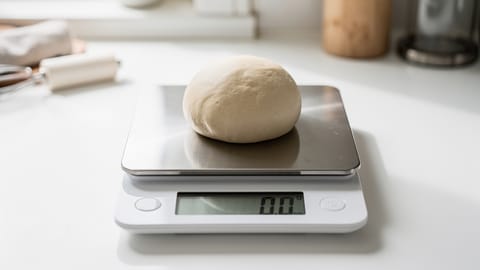
For portion control: Portioning meals in advance removes the "I'll just have a little more" temptation. Use a kitchen scale for accurate portions; prepping makes tracking straightforward because you know exactly what's in each container.
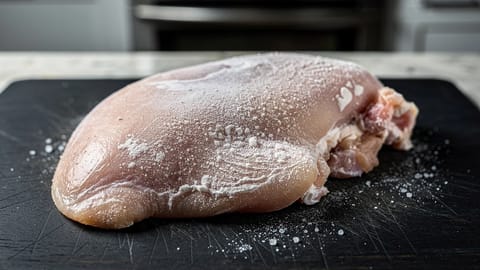
For high-protein diets: Cook chicken thighs, turkey meatballs, baked tofu, and hard-boiled eggs in bulk. Portion by weight so you hit your daily target without guessing.
For busy families: Component prep works best. Kids and adults can assemble different combinations from the same base ingredients. Prep snacks (cut fruit, vegetable sticks, hummus portions) alongside meals.
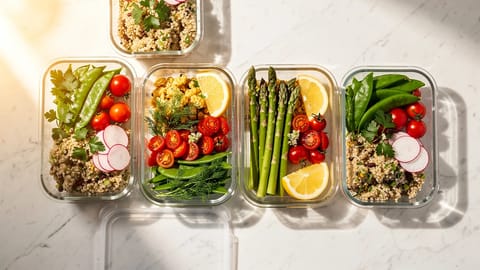
For budget: Meal prep reduces food waste, which matters more than it sounds: Feeding America estimates that 29% of all food in the US goes unsold or uneaten. Plan meals around what's on sale, and buy whole chickens, dried beans, and seasonal produce in bulk; the spring meal prep guide shows what that looks like when asparagus and peas are cheap.
What are common meal prep mistakes?
Start with 2-3 recipes, not 7. More recipes mean more ingredients to buy and more waste if you don't eat everything.
Some foods don't reheat well. Crispy items soften, dressed salads wilt, and overcooked pasta turns mushy. Slightly undercook pasta and grains for meal prep; they finish when reheated.
Build variety through sauces and toppings. The same chicken and rice becomes four different meals with chimichurri, peanut sauce, salsa verde, or a simple vinaigrette.
Divide hot food into shallow containers so it cools quickly and refrigerate promptly. The Food Safety Information Council says food that has spent more than two hours in the temperature danger zone should be eaten or refrigerated immediately, and anything past four hours must be thrown out. USDA guidance is stricter and discards perishable food after two hours.
Eat fish and delicate preparations early in the week, heartier stews and one-pot meals later. Plan your eating order when you prep.
Meal prep ideas for lunch
Lunch is the single best meal to start prepping. It's the meal many people skip or replace with expensive takeout.
Meal prep in Fond
Fond hasn't launched yet. This is how it will work at launch. Join the waitlist for early access.
Fond's meal planner covers the planning half of meal prep. Plan your weekly meals, and Fond turns them into one shopping list grouped by store section. Recipe scaling adjusts quantities when you double a batch for the week, and cook mode keeps the timers next to each step while the oven and stovetop run at once.
Sources
- Leftovers — Food Safety Information Council
- Leftovers and Food Safety — USDA Food Safety and Inspection Service
- Starchy foods and carbohydrates — NHS
- Freezing Pesto — National Center for Home Food Preservation
- Freezing Garlic-In-Oil — National Center for Home Food Preservation
- How Long Can I Store Frozen Foods — National Center for Home Food Preservation
- Reduce Food Waste — Feeding America