 Bastien
How to blanch and shock green beans and other vegetables
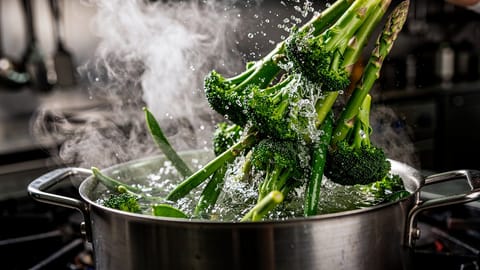
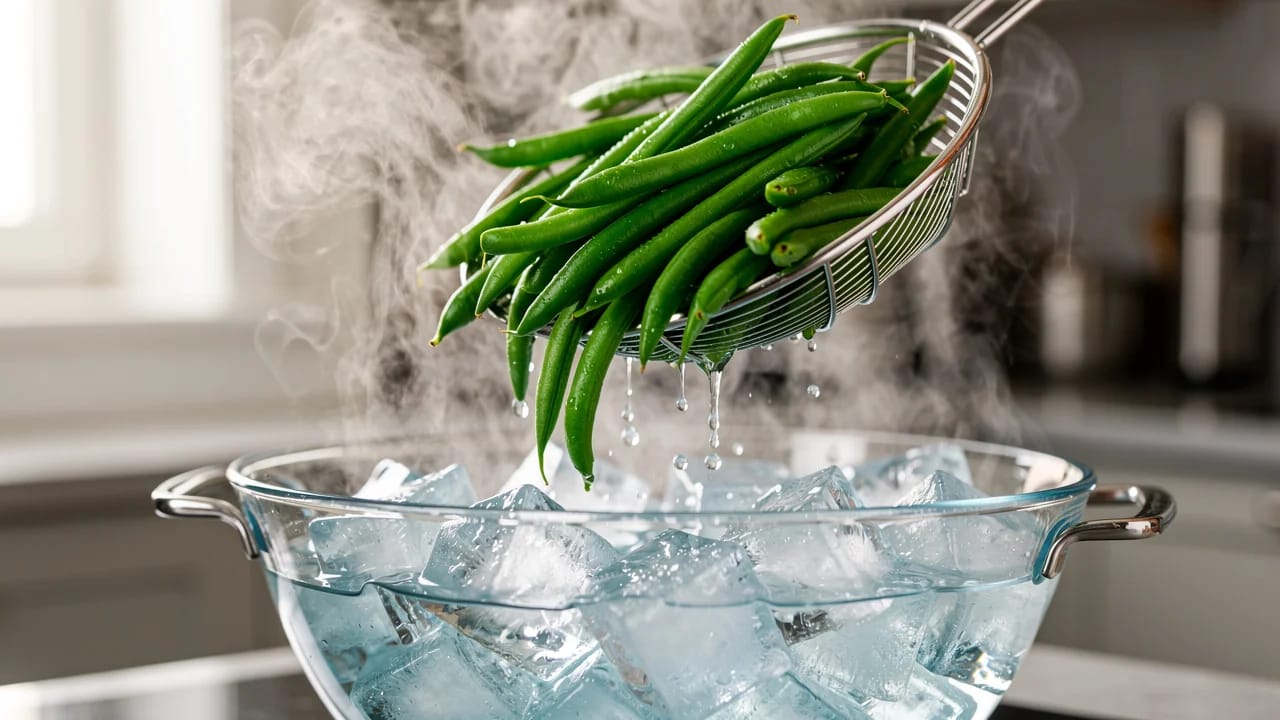
Blanch and shock is a two-step technique: briefly cook vegetables in boiling salted water, then plunge them into ice water to stop the cooking. Green beans take 2-3 minutes; the ice bath keeps them bright and crisp for meal prep, freezing, or finishing later.
Blanch and shock is a two-step technique: cook vegetables briefly in boiling salted water (the blanch), then plunge them straight into ice water to stop the cooking (the shock). Green beans are the classic case. Three minutes in the pot, three minutes in the ice bath, and you have beans that stay bright green and snappy for days, ready to freeze, toss into a salad, or finish in a hot pan.
This entry is the step-by-step method. For what blanching is, why it works, and times for other vegetables, see the blanching entry.
The blanch does the cooking. The shock decides what you keep. Without the ice bath, residual heat keeps working on the vegetables after they leave the water, and bright green turns to olive within minutes.
How do you blanch green beans?
Every timing rule above comes from the National Center for Home Food Preservation: count from the return to a boil, cool for as long as you blanched, and drain well because extra moisture hurts quality in the freezer.
How long do you blanch green beans?
| Green beans | Goal | Blanching time | Ice bath |
|---|---|---|---|
| Whole, standard | Freezing | 3 minutes | 3 minutes |
| Whole, standard | Salad, crudité, or finishing in a pan | 2 minutes | 2 minutes |
| Haricots verts (thin) | Any use | 2 minutes | 2 minutes |
| Cut in 1-2 inch pieces | Freezing | 2-3 minutes | Same as blanch |
The 3-minute figure is the NCHFP time for green, snap, or wax beans headed for the freezer. NCHFP is blunt about the margins: under-blanching stimulates enzyme activity and is worse than no blanching, and over-blanching costs flavor, color, vitamins and minerals. For beans you plan to sauté the same day, a shorter blanch leaves room for the pan to finish the job.
The test: pull one bean out at the 2-minute mark and bite it. It should be cooked past raw but still snap. If it bends without breaking, it has gone too far.
Other vegetables
The same method works for most vegetables. Times below are NCHFP water-blanching times for freezing; shorten by 30-60 seconds for crisp-tender vegetables you will eat within days.
| Vegetable | Cut | Blanching time |
|---|---|---|
| Broccoli | Florets about 1.5 inches | 3 minutes |
| Carrots | Sliced or diced | 2 minutes |
| Carrots | Small, whole | 5 minutes |
| Asparagus | Small / medium / large spears | 2 / 3 / 4 minutes |
| Cauliflower | 1-inch florets | 3 minutes |
| Peas, edible pod | Whole | 1.5-3 minutes |
| Spinach and other greens | Leaves | 2 minutes |
| Brussels sprouts | Small / medium / large | 3 / 4 / 5 minutes |
| Corn on the cob | Small / medium / large ears | 7 / 9 / 11 minutes |
| Tomatoes, for peeling | Whole, scored | 30-60 seconds |
The full blanching chart covers more vegetables, steam blanching, and water temperature.
Can you freeze green beans without blanching?
You can, but you will notice the difference within weeks. Enzymes in raw vegetables keep working at freezer temperature, and NCHFP calls blanching a must for almost all vegetables to be frozen because it stops the enzyme actions that cause loss of flavor, color and texture. Unblanched beans come out of the freezer dull, limp and grassy.
Blanched and shocked beans, dried well and packed airtight, hold their quality for up to about a year. Freeze them in a single layer on a sheet pan first, then bag them so they don't clump. Well-packed beans also resist freezer burn.
A few vegetables are exceptions. Onions and sweet peppers can go into the freezer raw if you will cook them later, and herbs freeze raw as well. Tomatoes only need a dip in boiling water if you want the skins off.
Why does shocking matter?
Raw vegetables carry enzymes that cause browning, flavor loss and texture breakdown over time. Blanching deactivates those enzymes in seconds and brightens chlorophyll, which is why green beans look greener after a short boil than before it. It also removes surface dirt and microorganisms and softens the vegetable just enough to pack.
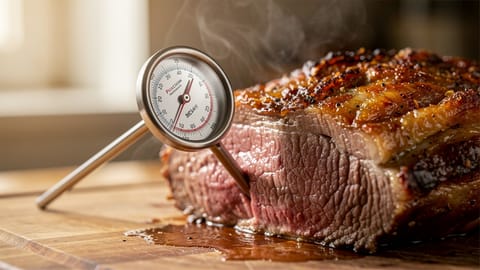
The shock protects what the blanch achieved. Vegetables keep cooking from their own stored heat after they leave the pot, the same carryover cooking that keeps a roast climbing while it rests. Ice water pulls that heat out fast enough that the beans stop at crisp-tender instead of drifting to soft. NCHFP allows cold water at 60°F (16°C) or below, changed often; at home a true ice bath is the easier way to hit that target.
Blanching vs boiling vs parboiling
Boiling takes vegetables all the way to tender with no shock step. Parboiling stops partway so a second method, such as roasting, can finish them. Blanch and shock is the shortest of the three and the only one built around an ice bath.
When should you blanch and shock?
Meal prep
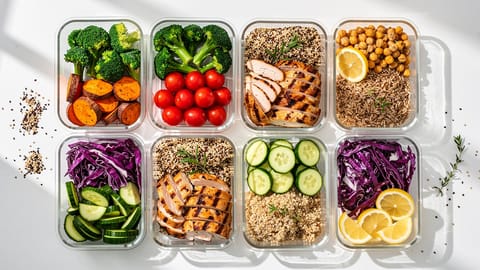
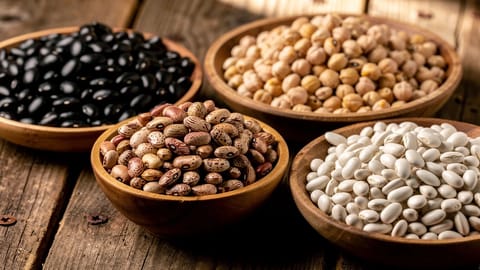
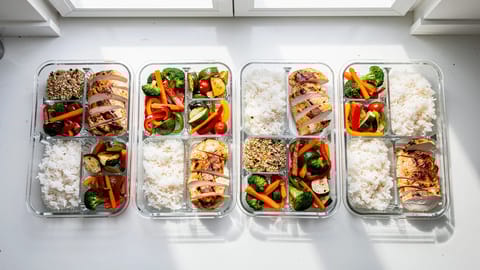
Blanched vegetables make meal prep easier. Blanch a batch of green beans, broccoli and snap peas on Sunday, shock, dry, and store airtight. They keep their color and snap for several days, ready for grain bowls, stir-fries or a plate of crudités. Pair them with a protein cooked the same day, like a pot of beans (here's how to cook dried beans from scratch), and a few Sunday hours cover most of the week.
Freezing
Blanch, shock, dry thoroughly, freeze on a sheet pan, then bag. The order matters: wet vegetables freeze into a block and lose quality faster.
Peeling tomatoes and peaches
Score a small X on the bottom. Blanch for 30-60 seconds, shock, and the skins slip off with your fingers. You avoid the waste and torn flesh that knife peeling leaves behind.
Finishing vegetables for a dish
Making pasta primavera for eight? Blanch and shock the green beans, asparagus and peas an hour ahead. At plating, toss them into the hot pasta for 30 seconds to warm through. They come out bright and tender with no last-minute scramble at the stove.
Setting up your mise en place
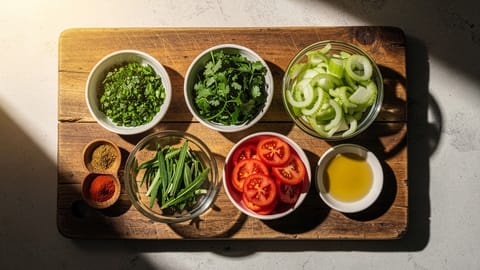
For stir-fries, curries and pasta dishes that add briefly cooked vegetables at the end, blanching ahead means you only need to warm them through during final assembly. It takes the timing pressure off when everything else demands attention.
What are the most common blanching mistakes?
Blanch and shock in Fond
Fond hasn't launched yet. This is how it will work at launch. Join the waitlist for early access.
Fond's Cook mode runs timers next to the recipe step, so you can set 3 minutes for the blanch and 3 more for the ice bath without leaving the page. For batch prep, scale the recipe first and the water and salt quantities follow.