 Bastien
Sous Vide
A precision cooking method where food is vacuum-sealed and cooked in a temperature-controlled water bath for perfectly even results.
Sous vide (pronounced "soo-VEED") is a cooking method where food is sealed in a bag and cooked in a water bath held at a precise, constant temperature. The name is French for "under vacuum," referring to the vacuum-sealed bags originally used in the technique. It produces results that are nearly impossible to achieve with conventional cooking: edge-to-edge doneness with no gradient of overcooked meat near the surface.
How to pronounce sous vide
It is two syllables: soo-VEED. The "s" in "sous" is silent, and the "d" in "vide" is pronounced. Many English speakers mistakenly say "soo-VYD" or drop the final "d" — both are incorrect. The phrase rhymes with "new creed."
How sous vide works
The basic process has three parts:
- Season and seal. Season the food and place it in a heat-safe bag. Remove the air using a vacuum sealer or the water displacement method (slowly lowering a zip-lock bag into water to push air out).
- Cook in a water bath. Submerge the bag in water held at a target temperature by an immersion circulator or sous vide machine. The circulator maintains temperature within ±0.1°C, so there is zero guesswork.
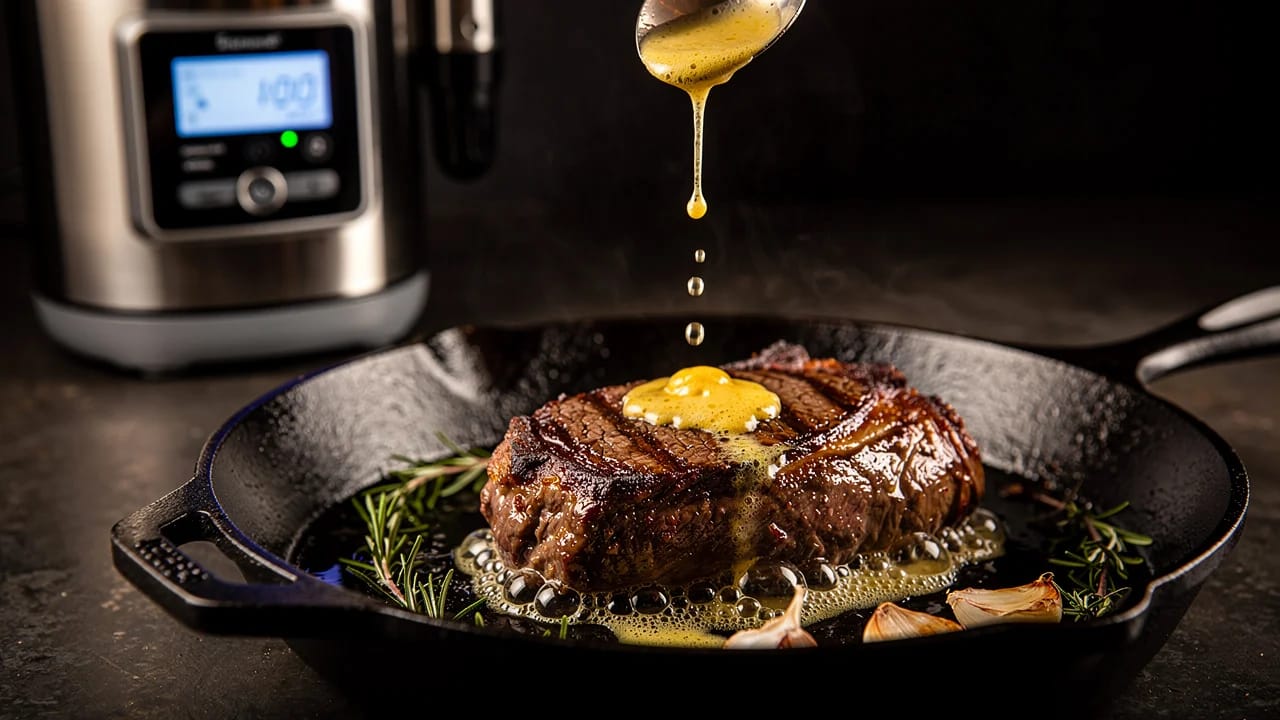
- Finish. For proteins, a quick sear in a ripping-hot pan or with a torch adds the browned crust that sous vide alone cannot create. This final step triggers the Maillard reaction — the same chemistry behind a great steak crust.
Because the water never exceeds your target temperature, the food cannot overcook beyond that point. A steak set to 54°C (129°F) will be 54°C from edge to edge, not just at the center.
A brief history
Sous vide was developed in the early 1970s in France. Engineer Georges Prud'homme first described vacuum-cooking for industrial food preservation, and chef Bruno Goussault began researching the effects of temperature on various foods. The technique gained its first fine-dining application when chef Georges Blanc used it to cook foie gras — the vacuum seal prevented the significant fat loss that occurred with traditional methods.
Through the 1980s and 1990s, sous vide remained a restaurant secret. High equipment costs kept it out of home kitchens. That changed around 2010 when affordable immersion circulators hit the consumer market, dropping from several thousand dollars to under $100. Today it is one of the most accessible precision cooking tools available.
Common sous vide uses
| Food | Temperature | Time | Notes |
|---|---|---|---|
| Steak (medium-rare) | 54°C / 129°F | 1-4 hours | Finish with a hot sear |
| Chicken breast | 65°C / 149°F | 1-2 hours | Juiciest breast you will ever eat |
| Salmon | 50°C / 122°F | 30-45 min | Silky, almost custard-like texture |
| Eggs | 64°C / 147°F | 45-75 min | Perfect soft, jammy yolk |
| Pork chop | 60°C / 140°F | 1-3 hours | No more dry chops |
| Vegetables (carrots, beets) | 85°C / 185°F | 1-2 hours | Butter and seasoning in the bag |
| Crème brûlée | 80°C / 176°F | 1 hour | Cook in jars, then chill and torch |
Sous vide vs other cooking methods
| Method | Temperature control | Browning | Cook time | Risk of overcooking |
|---|---|---|---|---|
| Sous vide | Exact (±0.1°C) | None (needs finishing sear) | Long (30 min - 72 hrs) | Very low |
| Grilling | Approximate | Excellent | Short | High |
| Poaching | Approximate | None | Short-medium | Medium |
| Slow cooking | Low, imprecise | None | Long | Medium |
| Pan-searing | Very high | Excellent | Short | High |
Advantages
Precision. You pick the exact internal temperature. A medium-rare steak is medium-rare throughout, not just in the center with a gray band around it.
Consistency. Once you find a time and temperature you like, you can reproduce it every single time. No more guessing.
Hands-off cooking. Set it and walk away. Most sous vide cooks have a wide time window — a steak is equally good at 1 hour or 3 hours in the bath.
Hard to overcook. Since the water never exceeds the target temperature, food reaches equilibrium and holds there. A chicken breast at 65°C cannot become 75°C in a 65°C bath.
Better yields. Conventional high-heat cooking causes moisture loss through evaporation. Sealed bags retain nearly all the juices. Meat typically loses 5-10% of its weight sous vide versus 20-30% with traditional roasting.
Limitations
No browning. A water bath cannot produce the Maillard reaction. You need a finishing step — a screaming-hot cast iron pan, a grill, or a kitchen torch — to get color and crust.
Longer cook times. Water at 54°C heats food much more slowly than a 230°C oven. A steak takes 1-4 hours sous vide versus 10-15 minutes on a grill.
Equipment required. You need an immersion circulator and bags at minimum. Vacuum sealers are helpful but not strictly necessary (zip-lock bags work for most cooks).
Texture preferences. Some people find sous vide proteins — especially chicken and pork — unfamiliar in texture. The even doneness can read as "soft" compared to the firmer texture from higher-heat methods. This is a matter of taste, not a flaw.
Tips for getting started
Start with steak. It shows the biggest difference from conventional cooking and is forgiving on time.
Dry the surface before searing. Pat the protein thoroughly with paper towels after removing it from the bag. Moisture is the enemy of a good crust.
Use carryover cooking awareness. The finishing sear adds heat. Keep it very short (45-60 seconds per side) to avoid pushing the interior temperature past your target.
Save the bag juices. The liquid in the bag is concentrated, flavorful stock. Reduce it in a pan for a quick sauce.
Sous vide in Fond
Fond's recipe timers help you track long sous vide cooks without watching the clock. Set a timer for your target cook window, and Fond notifies you when it is time to pull the bag and start the finishing sear.
For a complete walkthrough, see our sous vide beginner's guide.
Cook smarter
Join the waitlist for Fond. Recipes, meal plans, and a little AI sous-chef that learns how you cook.
Related terms
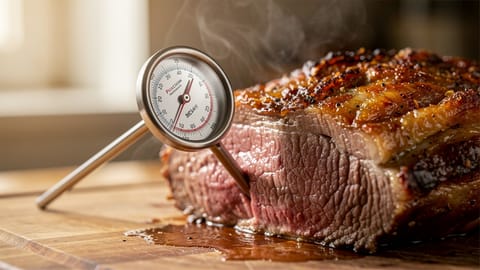
Carryover Cooking
The phenomenon where food continues to cook after being removed from heat, as residual thermal energy from the exterior migrates to the cooler interior.
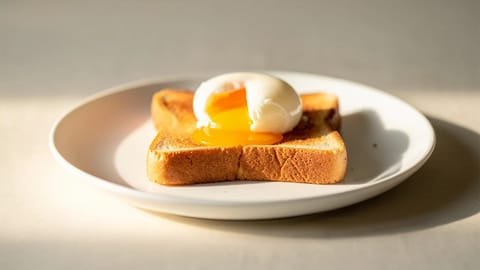
Poaching
Gentle cooking technique using liquid at low temperatures (160-180°F) to preserve the delicate texture of eggs, fish, and poultry.
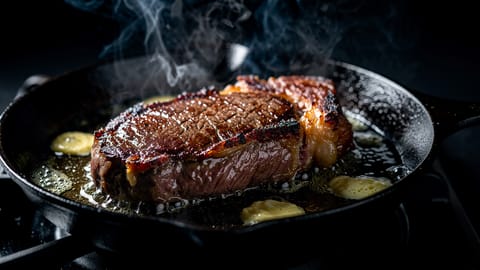
Searing
High-heat browning technique that creates a flavorful Maillard crust on meat, fish, or vegetables.
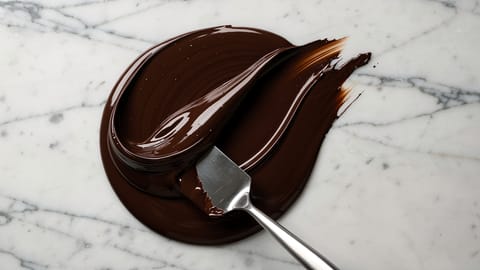
Tempering
Gradually adjusting the temperature of a sensitive ingredient to prevent curdling (eggs) or seizing (chocolate).
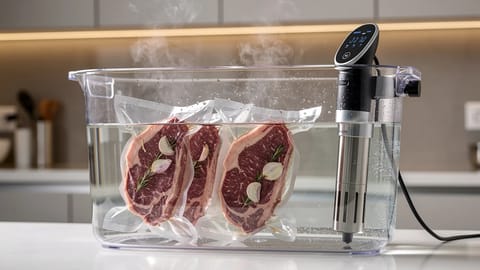
Sous vide for beginners: precision cooking without the guesswork
Everything you need to start cooking sous vide at home. Covers equipment, the basic process, a time and temperature chart for common proteins, your first steak cook, finishing techniques, meal prep strategies, common mistakes, and food safety basics.