Pizza Dough Troubleshooting: Common Problems & Fixes
Dough too sticky? Won't stretch? Bland crust? Tearing during shaping? This guide covers the most common headaches and what's actually going wrong, with quick fixes you can try right now.
TL;DR: Most pizza dough failures come down to hydration, fermentation timing, or gluten development. Sticky dough needs more folds or less water, tight dough needs more rest, and bland crust needs longer cold fermentation. Use the quick reference table at the bottom for fast diagnosis.
1. Sticky pizza dough: causes and fixes
The Problem: The dough sticks to your hands, the counter, and the peel. You can't shape it without making a massive mess.
What's actually happening:
- Your hydration is too high for your flour: Bread flour handles 65-70% hydration well, but all-purpose flour struggles above 63%. Reduce the water by 2-3% next time. Use the pizza dough calculator to dial in exact ratios.
- Under-developed gluten: Dough that hasn't been kneaded or folded enough feels "shaggy" and sticky because the gluten hasn't formed a clean network. Give it 3-4 more sets of stretch and folds.
- The dough is too warm: Dough above 26°C (79°F) becomes slack and hard to handle. Use cooler water next time or pop the dough in the fridge for 20 minutes to firm it up.
Tip: If the dough is already made and too sticky to handle, stop kneading and start folding. Lightly flour your hands or use a tiny bit of olive oil. Don't drown it in flour, or you'll end up with a tough, dry crust.
2. Pizza dough keeps snapping back
The Problem: Every time you try to stretch it into a circle, it pulls back like a rubber band.
What's actually happening:
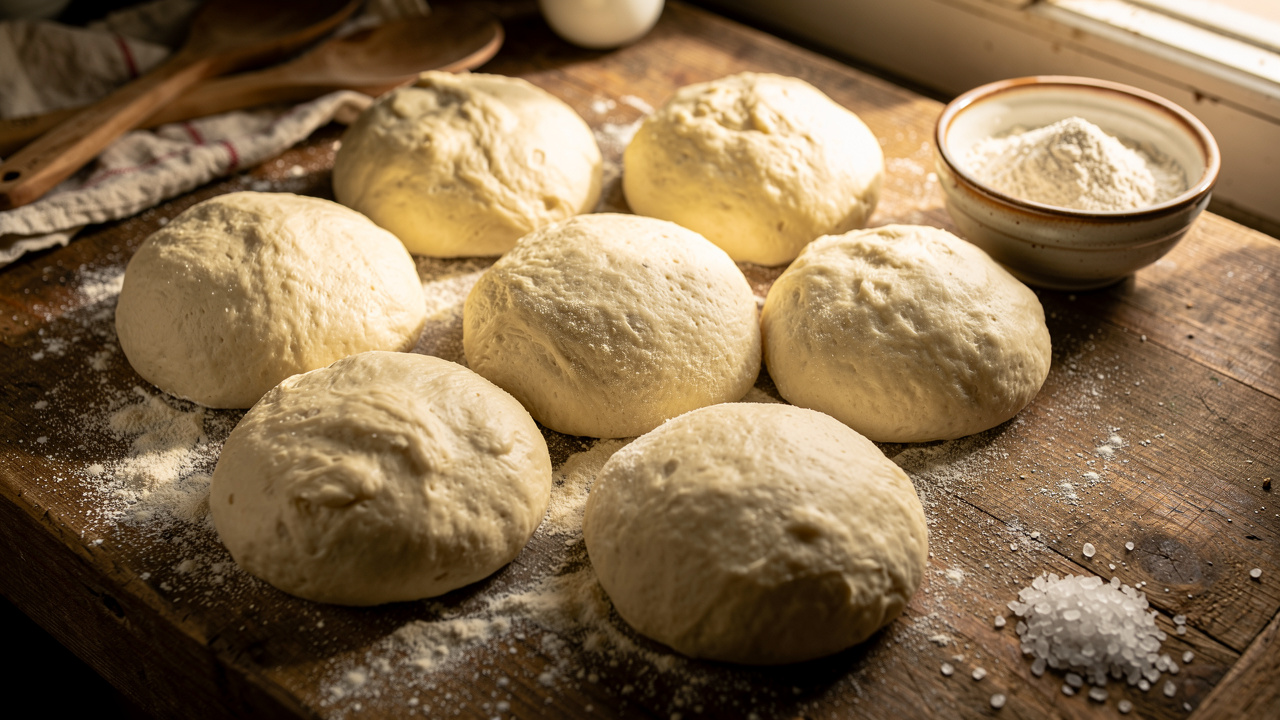
- The gluten is too tight: This usually means the dough needs more rest. After balling, wait at least 1-2 hours at room temperature (or 3-4 hours if coming from the fridge) before you even think about stretching.
- The dough is too cold: Cold dough is stiff. It needs to be around 20-22°C (68-72°F) to be extensible.
- Over-kneading: You've built a "super-gluten" network that doesn't want to move. Walk away for 20 minutes and let it relax.
Tip: If your dough is fighting you, walk away. Give it 15 minutes of "timeout" on the counter. The gluten will relax on its own, and you'll find it much easier to stretch when you come back.
3. My dough is "dead" (Over-proofed)
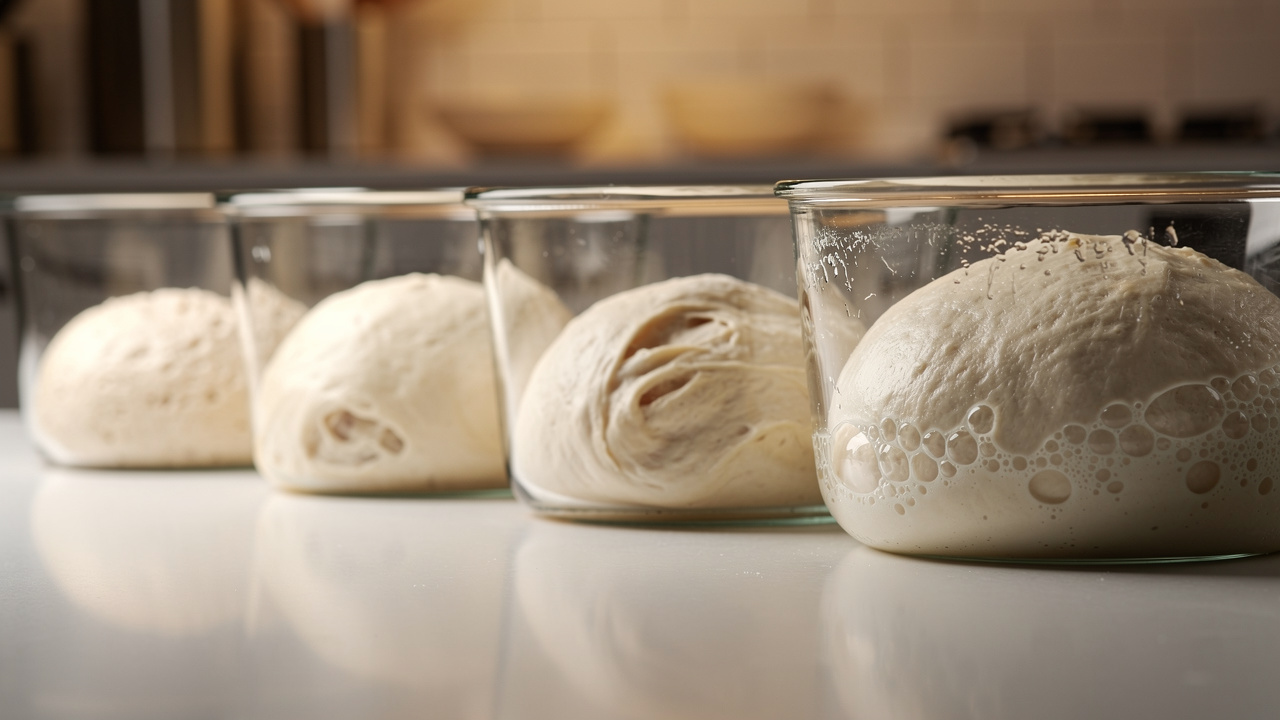
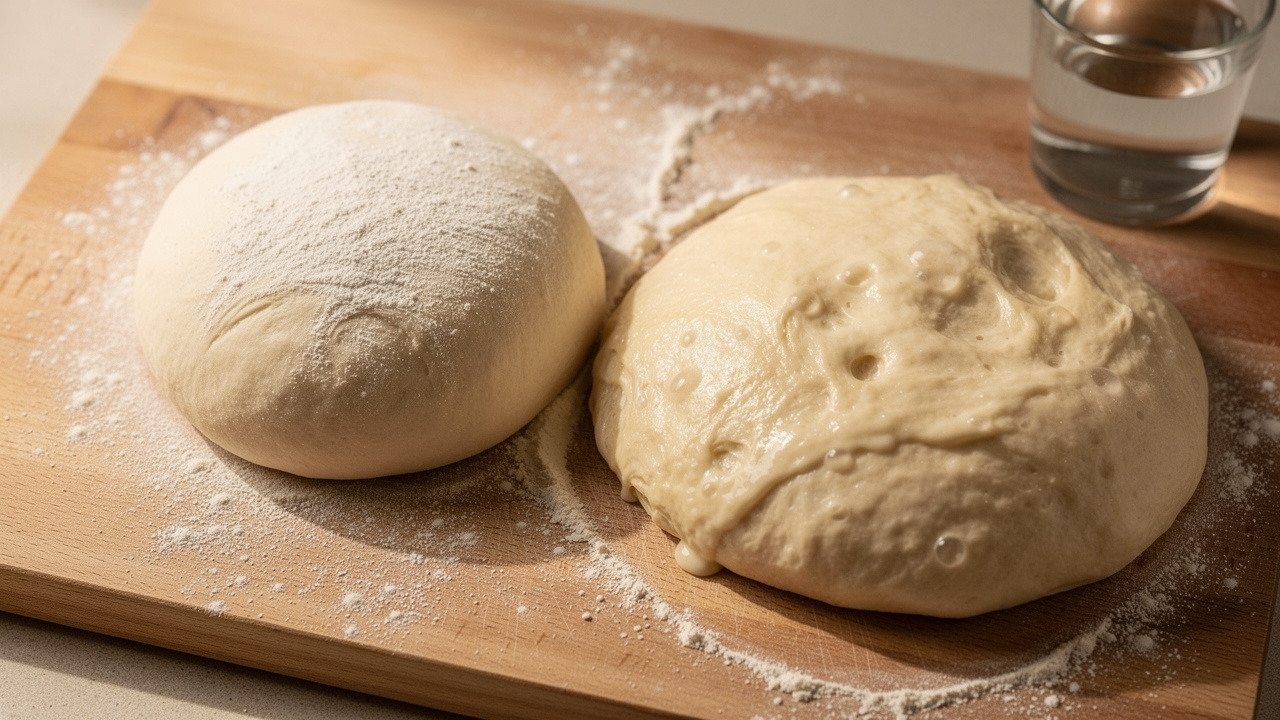
The Problem: The dough is flat, smells like beer or vinegar, and has huge bubbles on the surface. When you touch it, it deflates instantly.
What's actually happening:
- Too much time or heat: The yeast has eaten all its food and produced too much gas/acid.
- Too much yeast: If you're planning a 48-hour cold ferment, you only need a tiny pinch of yeast (around 0.1%).
Can you save it? Mildly over-proofed dough can still make a decent, thin-crust pizza. Handle it with extreme care—don't degas it. If it smells strongly of alcohol and tears when you look at it, it's better to toss it or turn it into focaccia.
4. My dough hasn't moved (Under-proofed)
The Problem: The dough is dense, heavy, and hasn't grown in size. It feels like a brick.
What's actually happening:
- It's too cold: Fermentation happens slowly at low temperatures. Find a warmer spot (like inside an oven with just the light on).
- Dead yeast: This is the most common "hidden" culprit. Check if your yeast is alive by whisking it into warm water (27°C) with a pinch of sugar. If it doesn't foam within 2 minutes, it's dead.
- Salt killed the yeast: Never put salt and yeast in direct contact. Dissolve the salt in the water first, or add it once the flour is partially mixed.
5. The dough tears when I stretch it
The Problem: You're trying to form a circle and a hole opens up in the middle.
What's actually happening:
- Weak gluten: You used a low-protein flour (like basic all-purpose) or didn't knead it enough.
- Dough is too cold: Cold dough is brittle and tears easily.
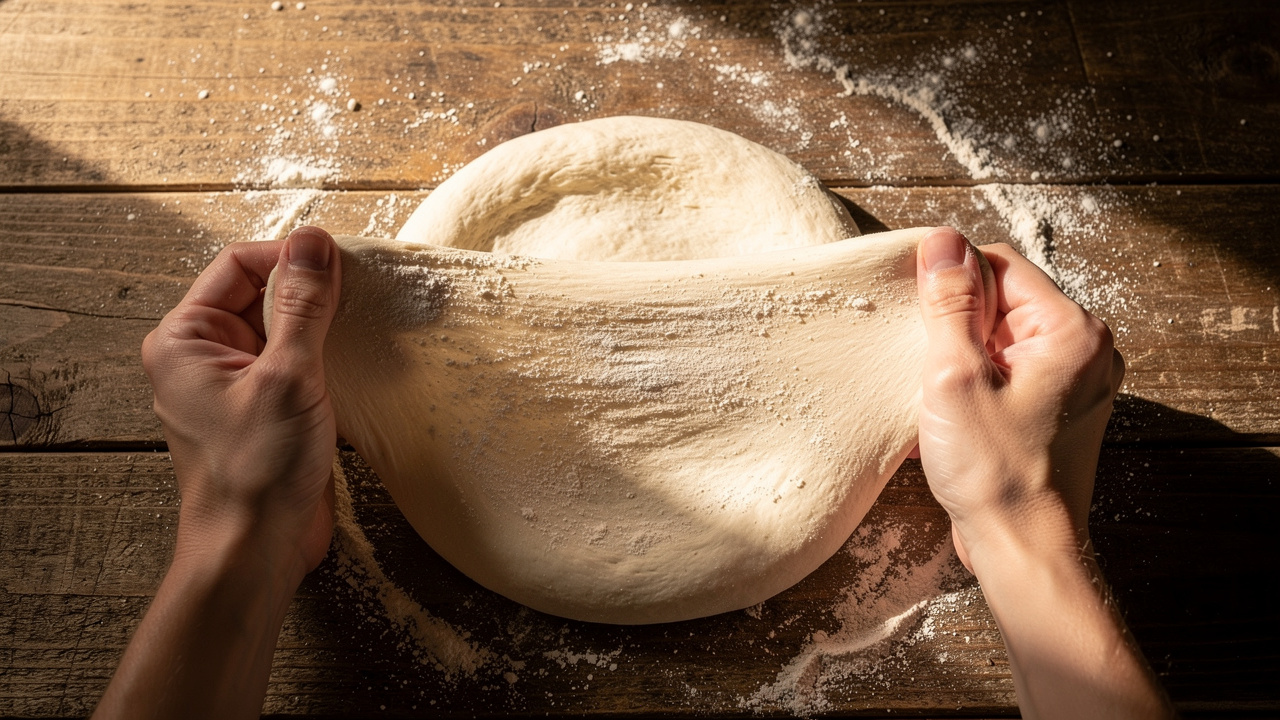
- Uneven stretching: You're pulling from the middle rather than using the weight of the dough to stretch it from the edges.
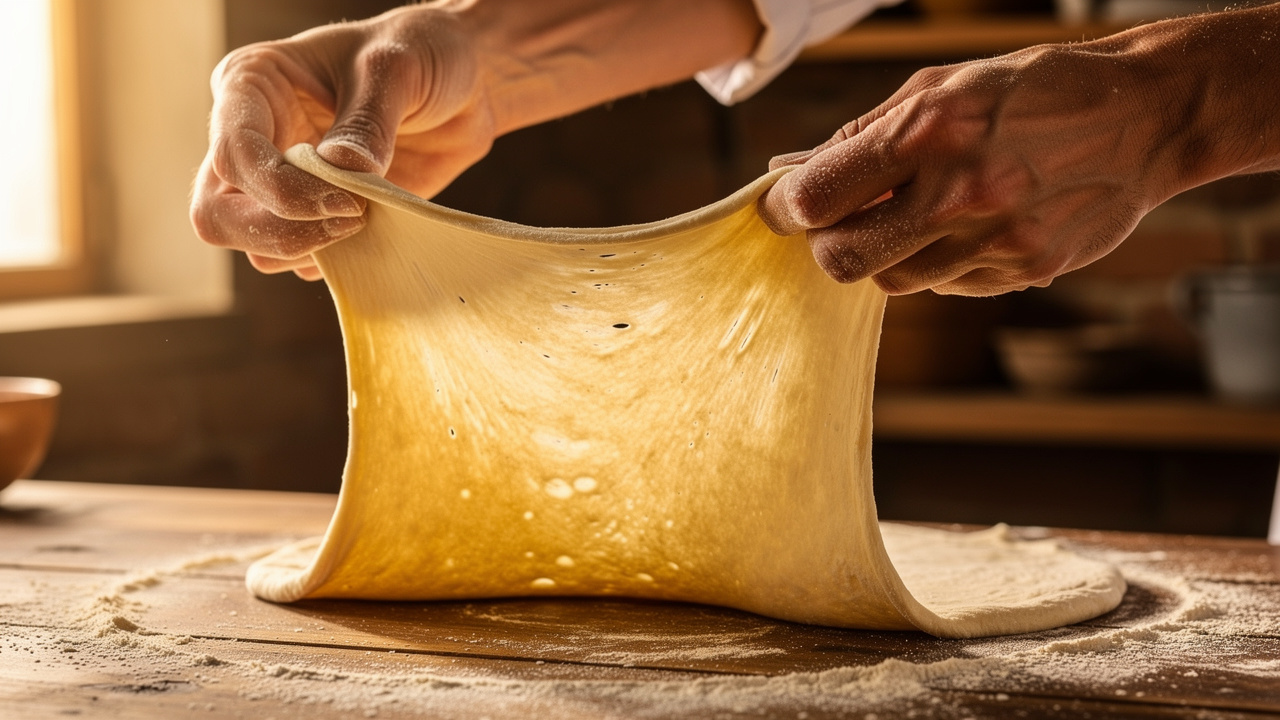
Tip: Use the "steering wheel" method: hold the edge of the dough and let the weight of the circle pull itself down, rotating it slowly like a steering wheel. This uses gravity to stretch the dough evenly.
6. Bland pizza dough: how to add flavor
The Problem: The pizza looks great but tastes like plain white bread.
What's actually happening:
- The ferment was too short: 2-hour room temperature dough will never taste as good as 48-hour cold-fermented dough. Time is the secret ingredient. See our cold fermentation guide for the full method.
- Not enough salt: You need 2-3% salt relative to your flour weight. Don't eyeball this—use a scale.
- No enzymatic activity: If your crust is pale even at high heat, add 0.5% diastatic malt powder. It helps break down starches into sugars, leading to better browning and a deeper, slightly sweet flavor.
7. The pizza won't slide off the peel
The Problem: You've built your masterpiece, but it's glued to the peel and won't launch into the oven.
What's actually happening:
- You're too slow: Once the dough is on the peel, the clock is ticking. Moisture from the sauce will start to seep into the dough.
- Wet toppings: If your mozzarella is sitting in a puddle of water, your dough will stick. Drain your cheese!
- Not enough "ball bearings": Use semolina or rice flour on the peel. It doesn't burn as easily as regular flour and acts like tiny rollers under the dough. A quality pizza peel and the right technique make a big difference.
Tip: Give the peel a "test shake" after every topping you add. If it sticks, lift the edge, blow a little air under it, and throw some semolina under the sticky spot.
Troubleshooting Quick Reference
| Problem | Likely Culprit | Quick Fix |
|---|---|---|
| Sticky / Gloopy | Too much water | Add 15 mins rest + 2 folds |
| Snapping back | Gluten is too tight | Give it 30 mins rest |
| Flat / Smelly | Over-proofed | Handle gently, don't degas |
| No rise | Too cold / Dead yeast | Move to a warm spot |
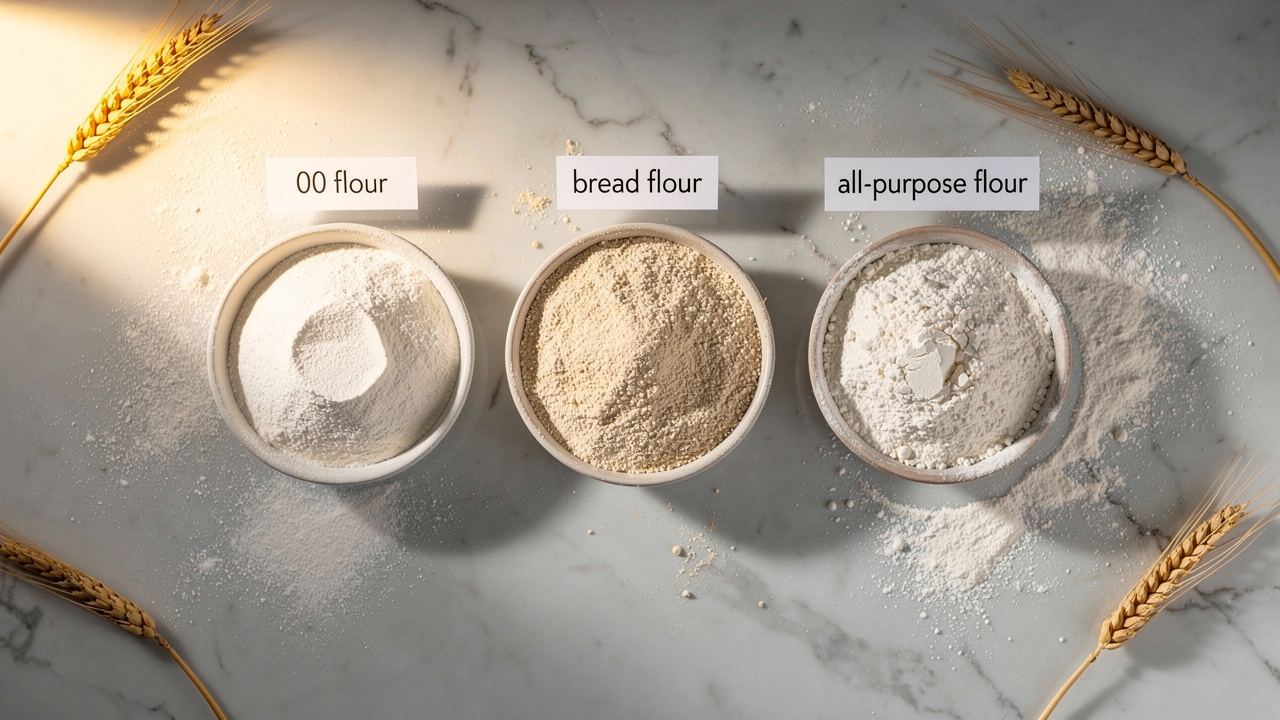
| Holes in dough | Weak flour / Cold dough | Use bread/00 flour, let it warm up |
| Tastes boring | Short ferment | Do a 24h cold ferment next time |
| Sticking to peel | Too much sauce / Too slow | Use semolina, work faster |
| Pale crust | Not enough sugar/malt | Add 0.5-1% diastatic malt powder |
| Soggy middle | Too many toppings | Less is more; drain your cheese |
New to pizza dough? Start with our beginner pizza dough guide for a foolproof first recipe, or browse all pizza dough guides for more techniques.
Frequently Asked Questions
Sticky pizza dough is usually caused by too much water for your flour type, under-developed gluten, or dough that's too warm. Bread flour handles 65-70% hydration well, but all-purpose flour struggles above 63%. Instead of adding more flour, try doing 3-4 sets of stretch and folds to build gluten structure, or refrigerate the dough for 20 minutes to firm it up.
Over-proofed pizza dough looks flat and deflated, smells strongly of beer or vinegar, and has large, uneven bubbles on the surface. When you poke it, it collapses instantly and doesn't spring back. Mildly over-proofed dough can still make a thin-crust pizza if handled gently. If it tears easily and smells alcoholic, it's too far gone — use it for focaccia instead.
Pizza dough snaps back when the gluten network is too tight and needs more relaxation time. After shaping into balls, wait at least 1-2 hours at room temperature (3-4 hours if coming from the fridge) before stretching. Cold dough is also stiffer — it should be around 20-22°C (68-72°F) to stretch easily. If it's still fighting you, give it 15 more minutes of rest.
Bland crust almost always means the fermentation was too short. A 2-hour room temperature dough can't compete with 24-48 hour cold-fermented dough for flavor. Make sure you're using 2-3% salt relative to flour weight (measured by scale, not eyeballed). For better browning and a subtle sweetness, add 0.5% diastatic malt powder to your recipe.
Tearing during stretching is caused by weak gluten (low-protein flour or insufficient kneading), cold dough, or uneven technique. Use bread flour or 00 flour with 12%+ protein. Let cold dough reach 20-22°C before shaping. Stretch from the edges using the 'steering wheel' method — hold the rim and let gravity pull the dough down, rotating slowly — rather than pulling from the center.