 Bastien
The best marinade for chicken
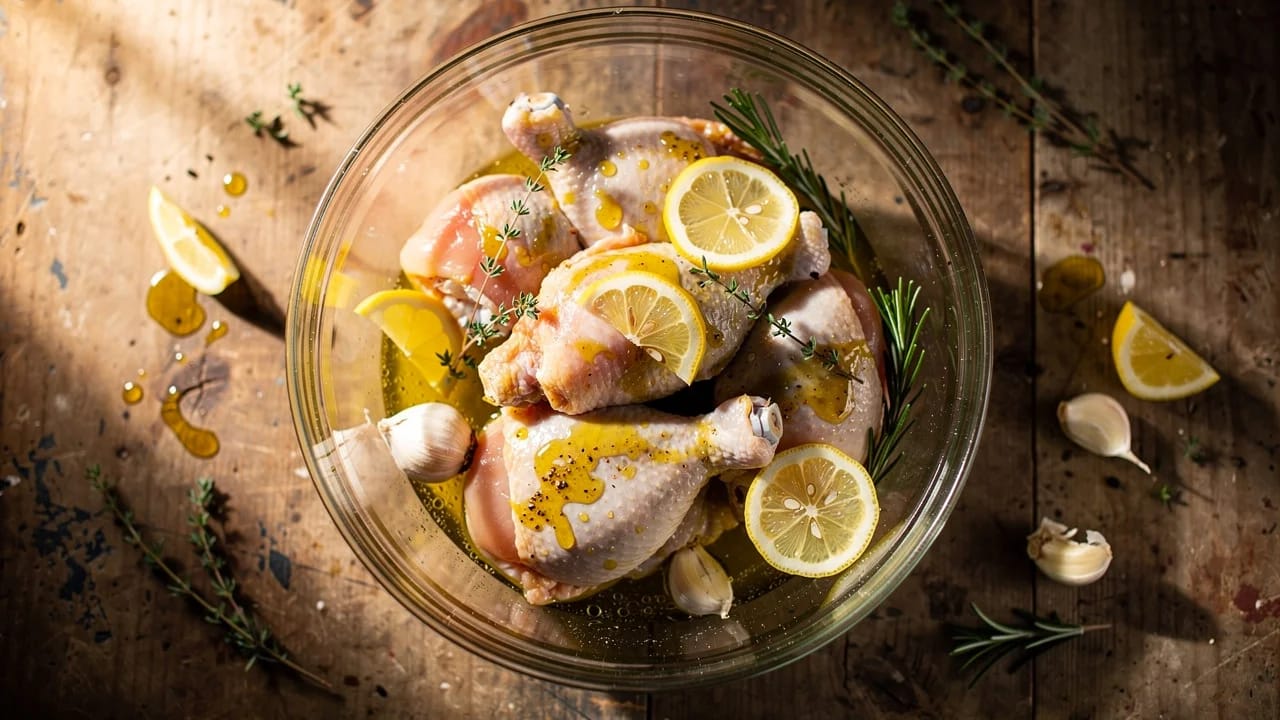
The best marinade for chicken combines acid, oil, salt, and aromatics in roughly a 1:3 acid-to-oil ratio. Here are 6 marinades, how long to marinate each cut, which ones suit the grill, and what to never put in the bowl.
TL;DR: The best chicken marinade is acid + oil + salt + aromatics, roughly 1 part acid to 3 parts oil, with enough salt to season. Marinate breasts 30 minutes to 4 hours, thighs up to 8, a whole bird up to 24. Keep it in the fridge, go light on acid, pick a low-sugar marinade for the grill, and cook to 74°C (165°F) on a thermometer.
A good chicken marinade does two jobs: it seasons the meat past the surface and it adds a layer of flavor that plain salt can't. The recipes below are built around one base ratio. Get that ratio right and you can swap the herbs, spices, and acid endlessly without measuring again. None of them are complicated, and most use things already in your pantry.
What makes the best marinade for chicken?
A great marinade is built from four parts, each doing a specific job:
| Component | Role | Examples | How much |
|---|---|---|---|
| Oil | Carries fat-soluble flavor, helps browning, keeps meat from sticking | Olive oil, neutral oil, sesame oil | ~3 tablespoons per pound |
| Acid | Brightens flavor, lightly tenderizes the surface | Lemon, lime, vinegar, yogurt, buttermilk | ~1 tablespoon per pound (go light) |
| Salt | Seasons deep, retains moisture like a quick brine | Kosher salt, soy sauce, fish sauce | ~1 teaspoon kosher per pound |
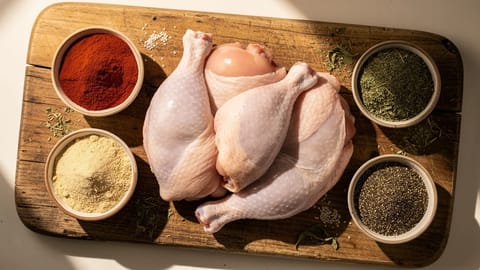
| Aromatics | The actual flavor identity | Garlic, ginger, herbs, spices, citrus zest | To taste |
The working ratio is about 3 parts oil to 1 part acid, plus salt and aromatics. That keeps the acid low enough to avoid the mealy, chalky texture you get from over-marinating. If you want more tenderizing power without more acid, switch the base to yogurt or buttermilk, whose mild lactic acid works slowly and gently. If you'd rather skip the wet bath entirely, a dry chicken seasoning blend does the same flavor job without adding surface moisture.
Tip: Salt does more for juiciness than acid does. If you only change one thing about your current marinade, add more salt and cut the lemon juice in half.
How long should you marinate chicken?
Marinating time depends on the cut and how much acid is in the bowl. Thin, boneless pieces take on flavor fast. Whole birds and bone-in pieces need longer. Too long in a strong acid, though, and the texture suffers.
The minimum that does real work is 30 minutes. That's enough for the salt to start its quick-brine effect on a boneless breast. If you've only got 15 minutes, marinate anyway, you'll still get surface flavor, only less depth. For meal prep, portion chicken thighs into zip-top bags with marinade and freeze them flat; they marinate as they thaw in the fridge overnight.
What is the best chicken marinade for grilling vs the oven?
The cooking method changes which marinade shines. High, dry heat punishes sugar and rewards oil. Gentle oven heat is forgiving of almost anything.
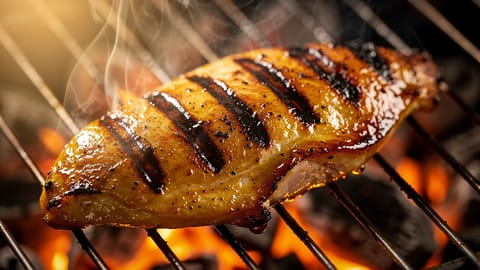
For the grill, the lemon garlic and Mediterranean herb marinades below are the safe defaults because there's no sugar to scorch. If you're grilling honey soy or another sweet marinade, cook the chicken on the cooler side of the grate and move it over direct heat only once it's nearly done, or the exterior blackens before the inside is cooked. Let excess marinade drip off first so the surface can brown. Our grilling temperature guide covers the two-zone setup. For the oven and pan, you have full freedom, which is where the stickier, sweeter marinades belong.
The 6 best chicken marinades
Each of these makes enough for about 1 kg (2 lbs) of chicken. They all follow the base ratio, so once you've made one, the rest are easy.
 3 tbspOlive oil
 1 tbspLemon juiceabout half a lemon
 2 tspKosher salt
 4Garlic clovesminced
 1 tspDried oregano
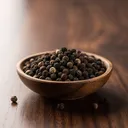 0.5 tspBlack pepper
This is the everyday workhorse, bright and clean, good for the grill, the pan, or the oven. If you only learn one marinade, make it this one.
 3 tbspSoy sauce
 2 tbspHoney
 1 tbspNeutral oil
 1 tbspRice vinegar
 2 tspFresh gingergrated2Garlic clovesminced
The soy sauce here is your salt source, so don't add extra. Sweet, savory, and a little sticky once it caramelizes. Best in the oven or on the cool side of the grill.
2 tbspLemon juice2 tspKosher salt 1 tbspGaram masala
 1 tspSmoked paprika
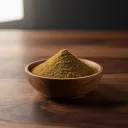 1 tspGround cumin3Garlic clovesgrated1 tbspFresh gingergrated
Yogurt is the gentlest tenderizer there is. This one rewards a long marinate, so it's the pick when you plan ahead. If your spice rack needs work, our guide to essential spices for home cooking covers everything in this list.
3 tbspOlive oil 2 tbspLime juice1Limezested2 tspKosher salt
 1 cupFresh cilantrochopped3Garlic clovesminced1 tspGround cumin
Bright and herby, great for tacos and rice bowls. Lime is more aggressive than lemon, so don't push past 4 hours.
4 tbspOlive oil 1 tbspRed wine vinegar2 tspKosher salt2 tspDried oregano
 1 tspDried thyme
 1 tspDried rosemary4Garlic clovesminced
The all-oil-and-herb profile holds up longer than citrus marinades, so it's forgiving if dinner slips an hour. It's also the best of the six for the grill.
 250 mlButtermilk2 tspKosher salt
 1 tbspHot sauce1 tspSmoked paprika
 1 tspGarlic powder
 0.5 tspCayenne
Buttermilk is the classic fried-chicken soak for a reason: it tenderizes slowly and clings to flour beautifully.
How do you cook marinated chicken?
Pull the chicken from the marinade and let the excess drip off, you want a coating, not a puddle. Pat lightly if you're searing, since surface water fights browning. Then cook to temperature, not to time, and rest before slicing.
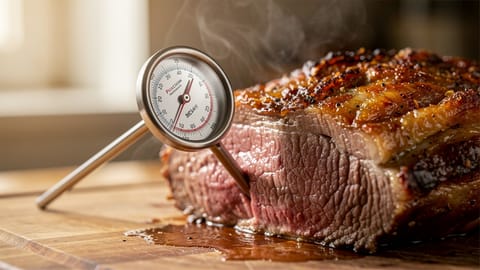
Whatever method you choose, the finish line is the same: 74°C (165°F) in the thickest part, measured with an instant-read thermometer. That is Health Canada's minimum for chicken pieces, and the USDA uses the same figure. Some cooks pull breast at 71°C (160°F) and count on carryover heat during the rest to close the gap. That is a doneness choice, not the official minimum; if you want the guarantee, wait for 74°C on the thermometer.
- Grill: Medium-high direct heat for low-sugar marinades. Cook sweet ones (honey soy) over indirect heat and finish over the flames. Our full method is in how to grill chicken breast without drying it out.
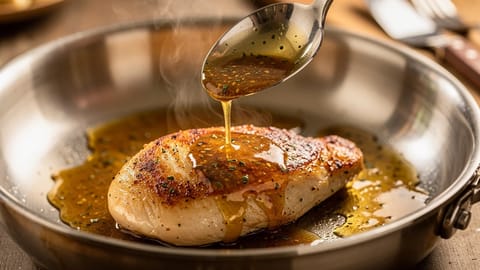
- Pan: Medium-high in a little oil, 5 to 6 minutes per side for a thin breast. The browned bits left behind make a fast pan sauce.
- Oven: Roast at 220°C (425°F) until it hits temperature, usually 20 to 25 minutes for thighs.
What should you never put in a chicken marinade?
The most common mistake is too much acid for too long. Heavy doses of lemon juice, vinegar, or wine left overnight will "cook" the surface of the meat the way citrus cooks ceviche, and it turns dry and chalky once you apply heat. Keep strong acids to a few hours and lean on yogurt or buttermilk when you want a long, gentle marinate.
A few other things to avoid:
The basting rule comes straight from Health Canada's barbecue guidance: marinate in the fridge, set some marinade aside in the fridge before it touches raw meat if you want it for basting or dipping, and don't use leftover marinade from raw meat on cooked food. Older USDA advice allows reusing it after a full boil, but setting some aside is simpler and avoids the question.
For more on the difference between a marinade and a salt-water soak, our marinade glossary entry and brining guide break down when to use each.
Why does salt matter more than acid?
Salt is the ingredient that keeps marinated chicken juicy, and it's the one most home cooks underuse. America's Test Kitchen describes the mechanism: salt draws juices to the surface, dissolves in them, and that brine is reabsorbed, changing the structure of the muscle proteins so they hold their own moisture better during cooking. Give it 30 minutes or more and the meat loses less liquid on the heat, the same principle behind brining.
Acid, by contrast, mostly works on the surface. A little brightens the flavor and gives a slight tenderizing effect on the outer layer. Too much, and it denatures those surface proteins so aggressively that the texture turns mushy. So the working rule is simple: be generous with salt and go easy on the acid, then give it time. That's most of what separates a flat marinade from a great one.
- Build any marinade from oil, acid, salt, and aromatics in roughly a 3:1 oil-to-acid ratio
- Salt drives juiciness more than acid does, season generously
- Marinate breasts 30 min to 4 hours, thighs up to 8, a whole bird up to 24
- Yogurt and buttermilk marinades are gentle enough for a full 24 hours
- For the grill, choose low-sugar marinades; cook sweet ones over indirect heat
- Always marinate in the fridge, and set basting marinade aside before it touches raw chicken
- Cook to 74°C (165°F) on a thermometer and rest, not to a fixed number of minutes