 Bastien
How to make a pan sauce: deglazing 101
A pan sauce turns the browned bits stuck to your skillet into a rich, flavorful sauce in under five minutes. Learn the technique, choose your deglazing liquid, and master pan sauces for chicken, steak, pork chops, and mushrooms.
You sear a chicken breast, pull it from the skillet, and there it is: a layer of dark, crusty bits stuck to the bottom. Most people rinse that away without a second thought. Big mistake. Those browned bits are pure concentrated flavor, and learning how to make a pan sauce from them might be the single most useful weeknight cooking skill you pick up this year.
Five minutes, a splash of wine, a knob of cold butter. That's all it takes to turn what was headed down the drain into a sauce that belongs on a restaurant plate.
Pan sauce reference chart by protein
The full ratio table for every common pan sauce. Pour-off, deglazing liquid, reduction time, and finishing fat dialed in for each protein. All ratios assume a single skillet sized for 2-4 servings.
| Protein | Pour off fat to | Aromatic | Deglazing liquid | Volume | Reduce | Stock add | Finishing fat | Best herbs |
|---|---|---|---|---|---|---|---|---|
| Chicken breast | 1 tbsp | Shallot | Dry white wine | 120 ml | By half (2 min) | 80 ml chicken stock | 2 tbsp cold butter | Thyme, tarragon |
| Chicken thigh | 1 tbsp | Shallot + garlic | Dry white wine or stock | 120 ml | By half (2 min) | 60 ml chicken stock | 1-2 tbsp cold butter | Rosemary, sage |
| Steak (ribeye, sirloin) | 1 tbsp | Shallot + garlic | Dry red wine | 120 ml | By half (2-3 min) | 80 ml beef stock | 2 tbsp cold butter | Thyme, parsley |
| Steak au poivre | 1 tbsp | Shallot | Cognac/brandy + cream | 30 ml + 80 ml | 1 min then add cream | none | 1 tbsp cold butter | Crushed peppercorns |
| Pork chops | 1 tbsp | Shallot + garlic | Dry cider | 120 ml | By half (2 min) | 60 ml chicken stock | 1 tbsp butter + 1 tsp vinegar | Sage, thyme |
| Pork tenderloin | 1 tbsp | Shallot | Marsala or apple juice | 120 ml | By half (2 min) | 60 ml chicken stock | 1 tbsp cold butter | Sage, mustard 1 tsp |
| Fish fillet (white) | 1 tsp | Shallot | Dry white wine + lemon | 80 ml + 1 tbsp | By half (1-2 min) | 60 ml fish or chicken stock | 1 tbsp cold butter | Parsley, dill |
| Salmon | 1 tsp | Shallot | Dry white wine | 80 ml | By half (1-2 min) | 60 ml stock | 1 tbsp butter + 1 tsp Dijon | Dill, chive |
| Lamb chops | 1 tbsp | Shallot + garlic | Dry red wine | 120 ml | By half (2-3 min) | 80 ml beef stock | 2 tbsp cold butter | Rosemary, mint |
| Mushrooms (no protein) | 1 tbsp butter | Shallot + garlic | Dry white wine or Marsala | 80 ml | By half (1-2 min) | 80 ml chicken stock + 60 ml cream | 1 tbsp butter | Thyme, parsley |
What is a pan sauce (and why it works)
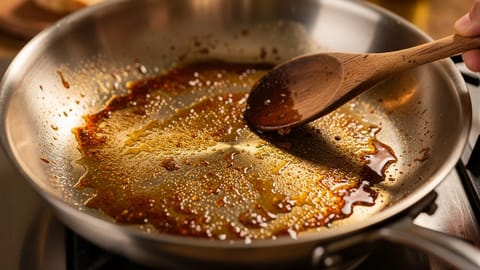
A pan sauce is a quick sauce you build directly in the same skillet you just cooked in. The star of the show is fond -- those caramelized proteins and sugars welded to the bottom of your pan after searing.
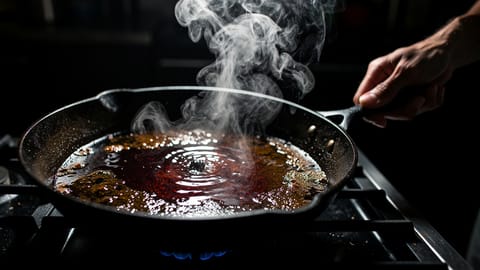
The word "fond" is French for "base" or "foundation", which tells you exactly what role these browned bits play (French cooks themselves call the residue sucs, and use fond for stock). The Maillard reaction generates hundreds of new flavor compounds when proteins and sugars hit high heat. Deglazing -- pouring liquid into the hot pan and scraping up that fond -- dissolves all those compounds into your sauce.
The payoff is a deeply savory sauce without a long ingredient list or hours of simmering. Think of it in three layers: meaty depth from the fond, character from whatever liquid you choose, and silky richness from fat (butter or cream, usually). Each layer takes about a minute to build.
The pan sauce method: step by step
This works with chicken breasts, pork chops, steak, fish fillets, even seared vegetables. The protein changes; the technique doesn't.
Before you start
- A heavy-bottomed skillet (stainless steel or cast iron -- nonstick won't develop fond)
- Your deglazing liquid of choice (wine, stock, vinegar, or a combination)
- 1-2 tablespoons cold unsalted butter
- Aromatics: minced shallot, garlic, or fresh herbs
- A wooden spoon or spatula
Step-by-step
Total active time: 4-5 minutes from the moment you pull the protein from the pan.
Choosing your deglazing liquid
What you pour into that hot skillet shapes the entire personality of your sauce. Each option brings something different, and they combine well.
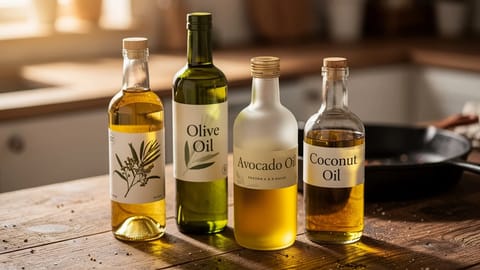
The classic pick. Dry white wine for chicken, pork, and fish. Dry red for steak and lamb. Most of the alcohol cooks off as the wine reduces, leaving acidity and subtle fruit notes behind (a trace always remains, so use stock if you are avoiding alcohol entirely). One rule: use something you'd actually drink. Cheap "cooking wine" tastes like it.
A good starting ratio: 120 ml wine, reduced by half, then finished with stock and butter.
Chicken stock is the workhorse -- it pairs with almost anything. Use beef stock for red meat. Stock brings body and savory depth without wine's acidity, so it works on its own or as a follow-up after reducing wine. Homemade stock gives noticeably better results thanks to natural gelatin, but boxed stock gets the job done.
A tablespoon or two of balsamic, sherry, or red wine vinegar adds sharp, bright acidity. Go easy -- vinegar packs more punch than wine. It shines in combination: deglaze with stock first, then add a splash of vinegar at the end to sharpen everything up.
Heavy cream makes a rich, velvety steak pan sauce or chicken pan sauce. Add it after you've already deglazed with wine or stock and reduced. Cream alone doesn't deglaze well -- the fat content keeps it from lifting fond off the pan. Let it simmer 1-2 minutes until it thickens and clings to a spoon.
Fortified wines (Marsala, Madeira, port) bring concentrated sweetness and depth. Beer pairs well with pork and sausages. Citrus juice (lemon, orange) works bright and clean for chicken and fish. Cider is a natural match for pork chops. You can even make a simple pan sauce with water in a pinch -- the fond carries more flavor than most people realize.
Pan sauce for chicken
This is where most people start, and it's the one that earns the most repeat appearances on a weeknight.
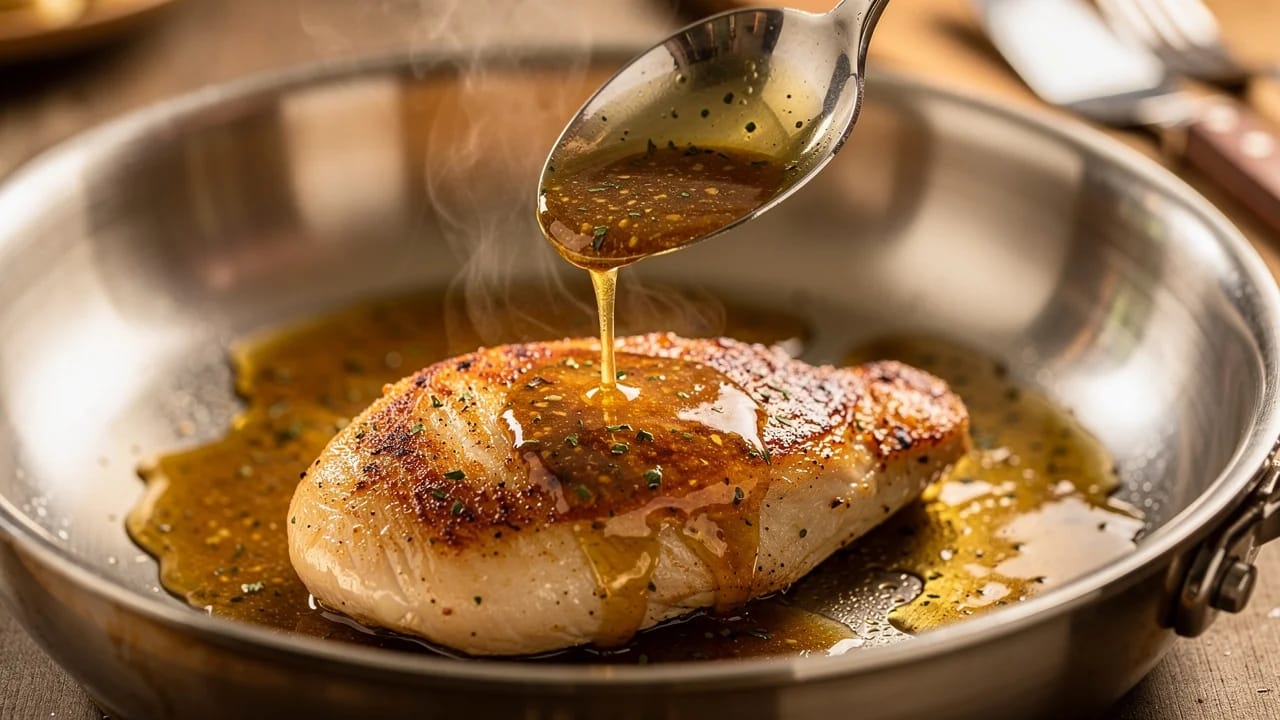
Pan-seared chicken with white wine pan sauce
- Sear two boneless chicken breasts in 1 tablespoon butter or oil over medium-high heat, about 5-6 minutes per side. Remove and rest.
- Pour off excess fat, leaving 1 tablespoon. Add 2 tablespoons minced shallot and cook 30 seconds.
- Deglaze with 120 ml dry white wine. Scrape up the fond. Reduce by half (about 2 minutes).
- Add 80 ml chicken stock. Simmer 1-2 minutes until slightly syrupy.
- Remove from heat. Swirl in 2 tablespoons cold butter and 1 teaspoon fresh thyme leaves.
- Season with salt and pepper. Spoon over the chicken.
Variations: Swap wine for lemon juice and capers for an instant piccata-style sauce. Or try tarragon instead of thyme with 1 teaspoon Dijon mustard stirred in.
The shallot step is the one most people rush. Give those 30 seconds your full attention: burnt shallot makes the whole sauce bitter, and there is no fixing it once it is in there.
Pan sauce for steak
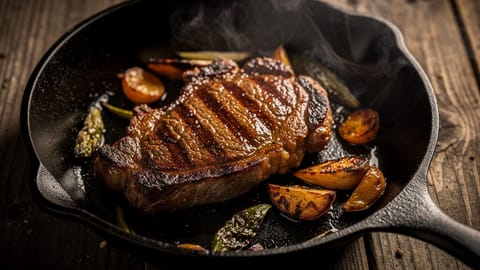
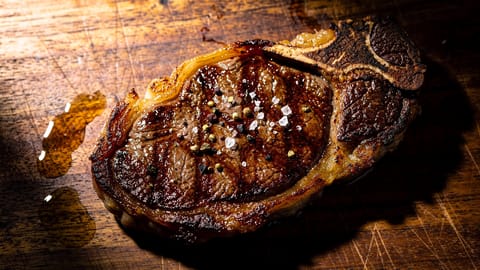
Red wine and beef fond belong together. A steak pan sauce built on red wine is one of the simplest ways to make a weeknight dinner feel like an occasion. Seared beef leaves behind bold, deeply savory fond that can handle a more assertive sauce.
Seared steak with red wine pan sauce
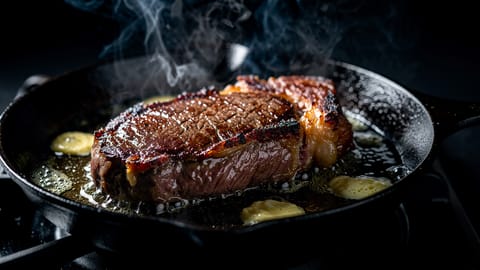
- Sear your steak in a screaming-hot cast iron skillet with a high-smoke-point oil. Remove and rest 8-10 minutes.
- Pour off all but 1 tablespoon of fat. Add 1 tablespoon minced shallot and 1 minced garlic clove over medium heat for 30 seconds.
- Deglaze with 120 ml dry red wine. Scrape the pan. Reduce by half.
- Add 80 ml beef stock and 1 teaspoon Dijon mustard. Stir and simmer 2 minutes.
- Remove from heat. Swirl in 2 tablespoons cold butter.
- Season with salt, pepper, and a splash of Worcestershire if you like.
Variations: Toss in 1 tablespoon green peppercorns for steak au poivre. A splash of brandy adds warmth (carefully -- it can flame). Or stir in 2 tablespoons crumbled blue cheese for a steakhouse finish.
Pan sauce for pork chops
Pork loves fruit and acid. These sauces play right into that.
Pork chops with cider and mustard pan sauce
- Sear bone-in pork chops (about 2.5 cm thick) in 1 tablespoon oil for 4-5 minutes per side. Remove and rest.
- Add 1 tablespoon minced shallot and 1 minced garlic clove. Cook 30 seconds.
- Deglaze with 120 ml dry cider. Scrape the pan. Reduce by half.
- Add 60 ml chicken stock and 1 tablespoon whole-grain mustard. Simmer 1-2 minutes.
- Remove from heat. Swirl in 1 tablespoon cold butter and 1 teaspoon apple cider vinegar.
- Season and serve over the chops.
Variations: Marsala in place of cider makes a sweeter, deeper sauce. Sliced apples added to the pan with the shallot give you a pork-and-apple classic.
Mushroom pan sauce
No protein needed here. Seared mushrooms throw off plenty of fond all on their own.
Creamy mushroom pan sauce (great over pasta, steak, or chicken)
- Sear 225g sliced cremini or mixed mushrooms in 1 tablespoon butter over high heat. Give them space -- work in batches if your pan is crowded. Cook without stirring for 3-4 minutes until deeply browned. Season with salt, remove.
- Add 1 tablespoon minced shallot and 2 minced garlic cloves. Cook 30 seconds.
- Deglaze with 80 ml dry white wine or Marsala. Scrape the pan.
- Add 80 ml chicken stock. Reduce for 2 minutes.
- Add 60 ml heavy cream. Simmer 1-2 minutes until thickened.
- Return mushrooms to the pan. Finish with 1 tablespoon butter and fresh thyme.
Common pan sauce mistakes
You added too much liquid or didn't reduce long enough. Start with 120 ml and reduce by half. The bubbles should get tight and small before you add butter. If you've gone too far with liquid, just keep simmering -- it'll get there.
Your fond burned. An empty pan over high heat turns fond from golden-brown to black in under a minute. Get your liquid in within 30 seconds of pulling the protein out. If the fond looks black before you deglaze, wipe the pan and start fresh with oil and aromatics.
The pan was too hot when you added butter. Always swirl butter in off the heat or over the lowest possible flame. Use cold butter, not room temperature. The temperature difference is what creates the emulsion.
You're probably using a nonstick pan. Nonstick coatings prevent fond from forming. Switch to stainless steel, cast iron, or carbon steel. Also check that your protein was dry before it hit the pan -- moisture steams instead of browning.
Reduction concentrates salt. If your stock was already well-seasoned, the finished sauce might be over the top. Use low-sodium stock for pan sauces, or hold off on salting until the very end after tasting.
Timing your pan sauce with the rest
Here's what makes pan sauces so practical: they fill dead time you'd otherwise spend waiting. Your protein needs to rest anyway -- 5-10 minutes for chicken, 8-10 for steak. That's exactly when you build the sauce, right in the same pan. Meat done resting, sauce done reducing. Everything hits the plate together.
No extra pots. No prep work ahead of time. You cook, you rest, you sauce -- all in sequence, all in one pan.
One tip: get your sides going before you sear. A pan sauce doesn't hold well. Serve it right away while the butter emulsion is still glossy and warm.
From fond to Fond
Fond hasn't launched yet. This is how it will work at launch. Join the waitlist for early access.
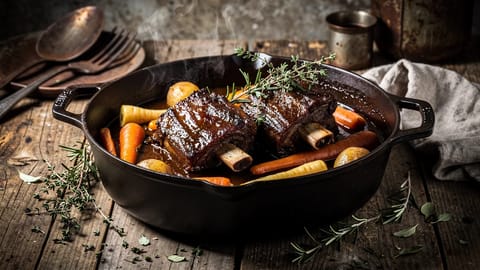
Those caramelized bits at the bottom of your pan -- the fond -- are the foundation of every great pan sauce. The same technique applies to braised dishes, where deglazing builds a rich braising liquid. They're also the inspiration behind Fond, the recipe manager built for cooks who care about technique. Save your favorite pan sauce ratios, scale them for any number of servings, and keep your best cooking ideas organized in one place.