 Bastien
The best seasoning for chicken
The best all-purpose seasoning for chicken is salt, garlic powder, smoked paprika, onion powder, black pepper, and dried oregano. Here is the master blend, a spice-by-spice guide, and how to adapt it for grilling, baking, frying, and each cut.
TL;DR: The best all-purpose chicken seasoning is 2 parts salt, 1 part each of garlic powder, smoked paprika, onion powder, black pepper, and dried oregano. Mix it, store it in a jar, and use about 1 tablespoon per pound. Salt the chicken at least 30 minutes ahead so it seasons past the surface, and keep sugar out of the blend when you're grilling over direct heat.
The best seasoning for chicken is a blend you can mix in two minutes and use on almost everything: salt, garlic powder, smoked paprika, onion powder, black pepper, and dried oregano. Once you have the base ratio memorized, the pre-mixed jars stop making sense. They're mostly salt and filler anyway, and you can't adjust them.
Below is the master blend, a breakdown of what each spice does, the right blend for grilling, baking, and frying, and six variations for when you want something other than "good roast chicken."
What is the best all-purpose chicken seasoning?
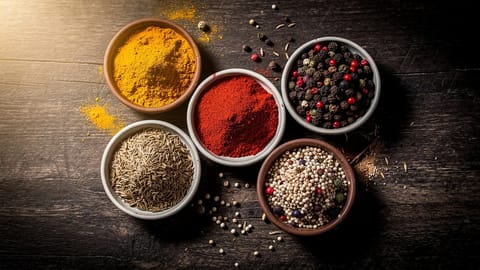
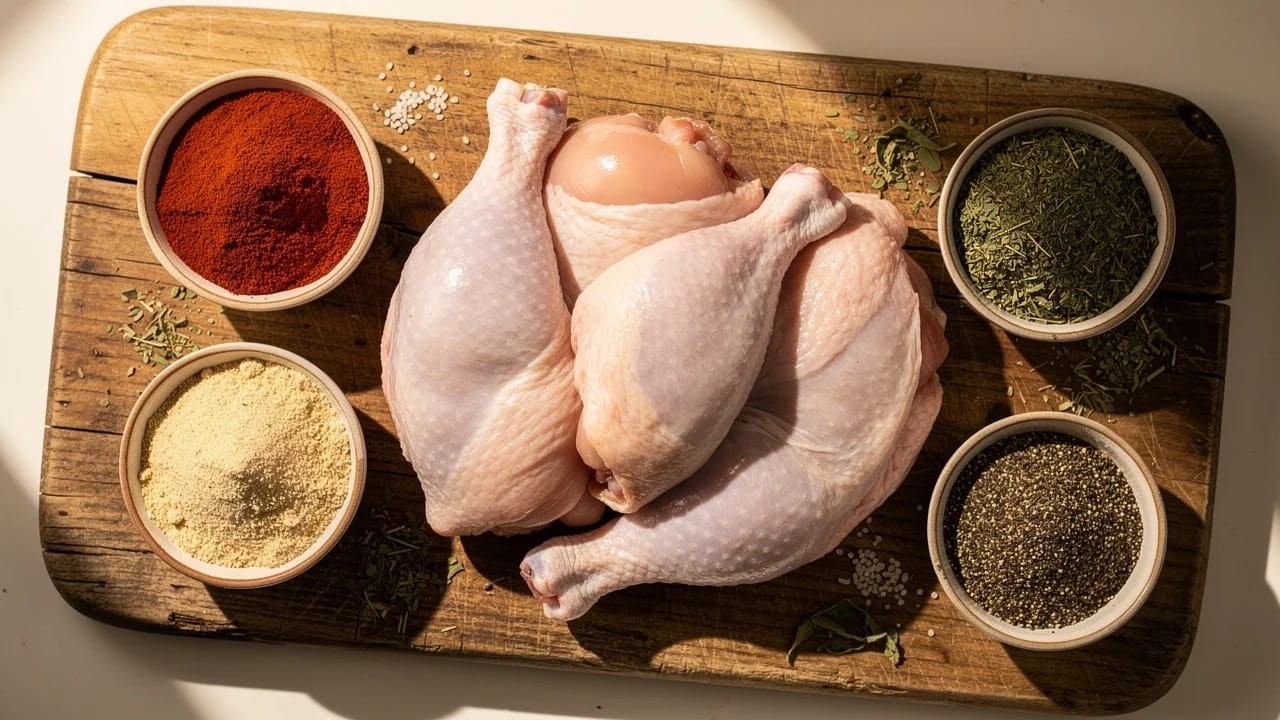
The best all-purpose chicken seasoning balances salt, savory alliums, smoke, and a herbal note. This six-ingredient blend covers all of that and works on any cut and any cooking method:
Mix everything in a jar and shake. That's it. Use roughly 1 tablespoon per pound (450 g) of chicken, more if you like a heavy crust. The double dose of salt is deliberate: salt is what makes chicken taste seasoned rather than merely spiced, and it's the part most people underdo. If you're salt-sensitive, cut it to 1.5 parts, but don't drop it further.
Tip: Smoked paprika is the ingredient that makes this taste like more effort than it was. Regular paprika adds color but little flavor. The smoked version brings a slow-cooked, over-the-coals depth to a 20-minute weeknight chicken.
Which spices are good for chicken, and what does each one do?
Knowing what each spice contributes lets you adjust the blend instead of following it blindly. Here's the working role of the most useful ones:
| Spice | What it does | Pairs well with |
|---|---|---|
| Salt | Seasons deep, retains moisture | Everything |
| Garlic powder | Savory, rounded base note | Paprika, oregano, cumin |
| Smoked paprika | Smoky depth and red color | Garlic, cayenne, brown sugar |
| Onion powder | Sweet-savory background | Garlic, thyme, black pepper |
| Black pepper | Mild heat and bite | All of the above |
| Dried oregano | Earthy, herbal lift | Lemon, thyme, paprika |
| Cumin | Warm, nutty, Tex-Mex direction | Chili, coriander, lime |
| Cayenne | Clean heat | Paprika, brown sugar, garlic |
| Thyme | Woodsy, French-leaning herb | Lemon, rosemary, butter |
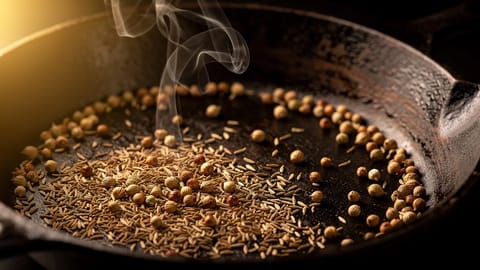
For a deeper look at building a spice rack that handles more than chicken, our guide to essential spices for home cooking covers the 15 that earn their shelf space. And many of these spices taste markedly better if you toast and bloom them before use.
How do you season chicken so it sticks?
Pat the chicken dry first. A wet surface makes seasoning slide off and turn pasty, and it blocks browning. Then oil lightly. The thin film of fat is what glues the spices on and helps them bloom in the heat.
Apply the seasoning in two stages for the best result:
The order matters because salt and dried spices behave differently. America's Test Kitchen explains the salt side: it draws juices to the surface, dissolves in them, and that brine is reabsorbed, changing the muscle proteins so they hold their own moisture better. Their test kitchen salts bone-in pieces for 6 to 24 hours and brines boneless breasts for 30 minutes to an hour. Dried spices need none of that time. They want heat and a little fat to release their aroma, which is also why when you add spices during cooking changes the result.
What is the best chicken seasoning for grilling, baking, and frying?
The cooking method changes what the blend has to survive. Direct grill heat scorches sugar, a hot oven wants help with color, and a fryer needs seasoning in the coating rather than on the meat. The master blend works for all three with small adjustments.
Chicken seasoning for grilling
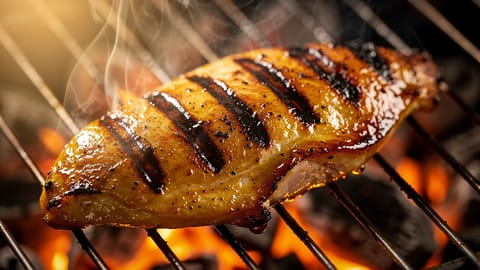
Keep sugar out of the rub for anything cooked over direct heat. Salt, garlic powder, smoked paprika, onion powder, black pepper, and oregano all take the flames without burning. If you want a sweet, sticky finish, brush a glaze on during the last few minutes on the cooler side of the grill instead of mixing sugar into the rub. Salt at least 30 minutes ahead, pat dry, oil the chicken rather than the grate, and press the blend on right before it hits the heat. The grilling temperature guide covers heat zones by cut.
Seasoning for baked and roasted chicken
Oven heat is gentler, so a little sugar or extra paprika helps the skin take on color before the inside overcooks. Use the master blend plus a teaspoon of brown sugar per tablespoon, roast at 200 to 220°C (400 to 425°F), and finish with fresh herbs or a squeeze of lemon. For a whole bird, salt it the night before and leave it uncovered in the fridge so the skin dries and crisps.
Seasoning for fried chicken
Fried chicken gets seasoned twice. Salt the chicken or soak it in seasoned buttermilk first, then season the flour dredge generously with the master blend plus a teaspoon of cayenne, because the coating is the only thing you taste on the outside. A blend with paprika also gives the crust its color. Skip the sugar here too, since it darkens fast in hot oil.
What is the best seasoning for chicken breast vs thighs vs wings?
The cut changes what the seasoning needs to do. Lean breast wants help browning, plus a little sweetness to push it along. Fatty thighs are more forgiving and stand up to bolder, spicier blends, while wings want a coating that crisps.
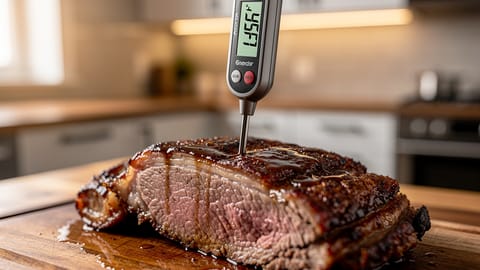
Seasoning only goes so far with lean breast. Even thickness and a thermometer matter more, and the how to grill chicken breast guide covers both. Health Canada's minimum for chicken pieces is 74°C (165°F) in the thickest part, read on an instant-read thermometer. Some cooks pull breast a few degrees early and count on resting to close the gap. That is a doneness choice, not the official minimum.
Wings are their own case: toss them in the dry blend plus about 3/4 teaspoon of baking powder per pound (450 g). America's Test Kitchen found that baking powder and salt help break down the skin's proteins, draw moisture to the surface, and speed browning, so oven wings crisp almost like fried ones. Use baking powder, not baking soda, which tastes metallic at that dose.
The 6 best chicken seasoning variations
Each starts from a base of salt, garlic powder, and onion powder, then takes a turn. Quantities are for about 1 kg (2 lbs) of chicken.
 2 tbspSalt
 1 tbspGarlic powder
 1 tbspSmoked paprika
 1 tbspOnion powder
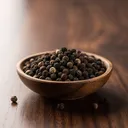 1 tbspBlack pepper
 1 tbspDried oregano
The one to keep on the counter. Good on a roast bird, grilled thighs, or a sheet-pan dinner.
2 tbspSalt1 tbspSmoked paprika1 tbspGarlic powder2 tspOnion powder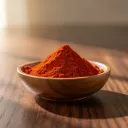 2 tspCayenne
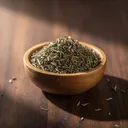 1 tspDried thyme1 tspBlack pepper
Smoky and hot. The classic choice for blackened chicken in a cast iron pan.
2 tbspSalt 2 tbspDried lemon zestor zest of 2 fresh lemons1 tbspGarlic powder1 tspDried thyme
Bright and clean, the natural fit for lean breast where the heavier blends would dominate.
2 tbspSalt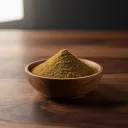 1 tbspGround cumin1 tbspSmoked paprika1 tbspGarlic powder
 2 tspChili powder1 tspDried oregano
Warm and earthy from the cumin. Squeeze lime over the chicken as it comes off the heat.
2 tbspSalt 1 tbspBrown sugar
 2 tspGround allspice2 tspGarlic powder1 tspCayenne1 tspDried thyme
 0.5 tspGround cinnamon
Sweet and hot, with that warm allspice-and-cinnamon aroma. Watch the heat, the sugar will char over direct flame.
2 tspSalt1 tspGarlic powder1 tspSmoked paprika1 tspBlack pepperWhen you've got four spices and no patience. Still miles better than salt alone.
What are common chicken seasoning mistakes?
The two biggest mistakes are under-salting and seasoning a wet surface. After that it's mostly about timing and storage.
For storing the individual spices that go into these blends, our guide on how to store spices explains why the cabinet beats the spice rack over the stove.
How does seasoning compare to a marinade?
Seasoning and marinating do different jobs, and the best chicken often gets both. A dry seasoning sits on the surface, browns into a crust, and seasons fast. A marinade is a wet bath of oil, acid, salt, and aromatics that flavors the surface and tenderizes over hours. For the grill, dry blends win because they don't add surface moisture that fights the sear. For the oven or a long soak, a chicken marinade adds depth a rub can't.
You can also do both: salt and season the chicken, let it rest, then finish with a quick pan sauce. The browned spice bits left in the pan make a fast pan sauce taste like it simmered for an hour.
- The master blend is 2 parts salt to 1 part each garlic powder, smoked paprika, onion powder, black pepper, and oregano
- Salt is the ingredient most people underuse, double it relative to the spices
- Salt at least 30 minutes ahead so it seasons past the surface
- Keep sugar out of grill rubs; add it for the oven, and season the dredge for fried chicken
- Pat the chicken dry and oil lightly so the blend sticks and browns
- Lean breast wants moderate, brightening blends; fatty thighs and wings take bold, spicy ones
- Mix in small batches and store airtight away from heat for 6 to 12 months