 Bastien
Charcoal vs Gas Grill: Which One Fits How You Cook?
A practical comparison of charcoal and gas grills across flavor, heat control, cleanup, ongoing cost, storage, and safety. Choose from the way you cook instead of a universal winner.
TL;DR: Choose gas for quick ignition and responsive heat changes, with no ash to remove. Choose charcoal if you want to manage a live fire and make smoke-focused cooking part of the process. Neither fuel is automatically cheaper, hotter, healthier, or longer-lasting across every model.
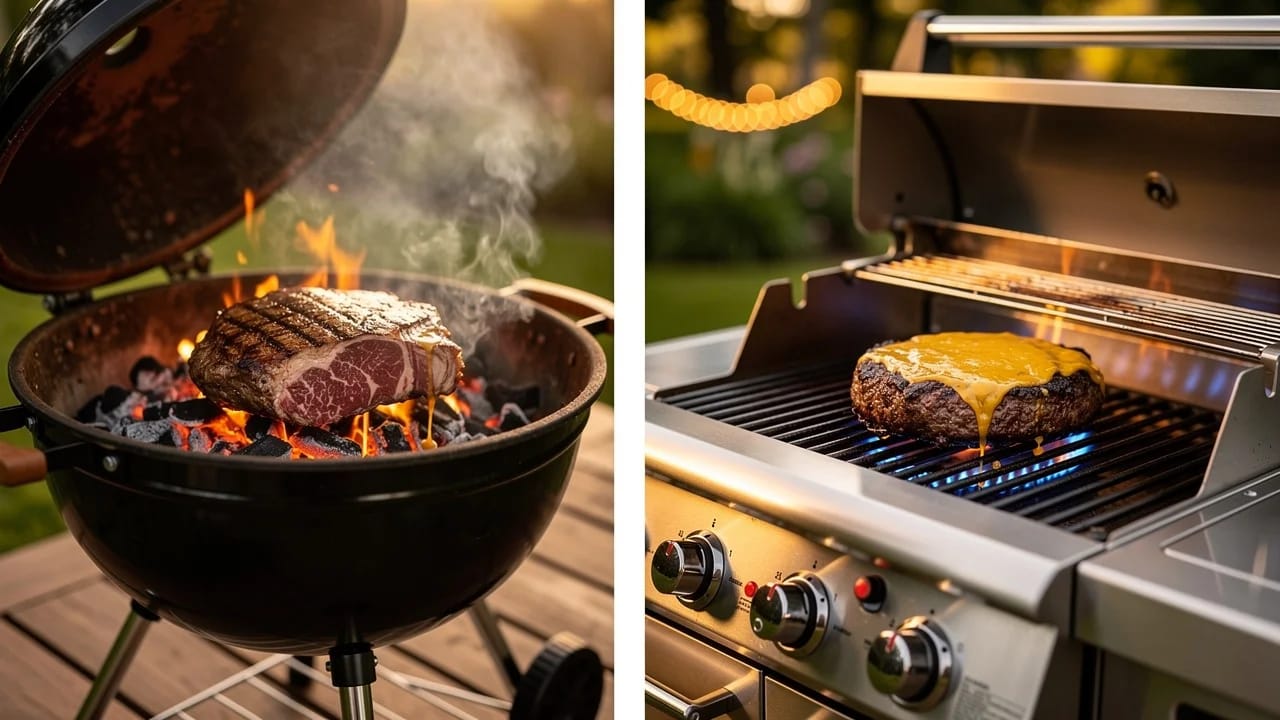
The charcoal-vs-gas grill question has no universal winner. Gas removes several steps between deciding to cook and putting food on the grate. Charcoal gives you direct control over fuel layout and airflow, but it also adds lighting and ash disposal.
The useful question is not "Which fuel is best?" It is "Which set of chores and controls fits the way I will cook most often?"
Does charcoal taste better than gas?
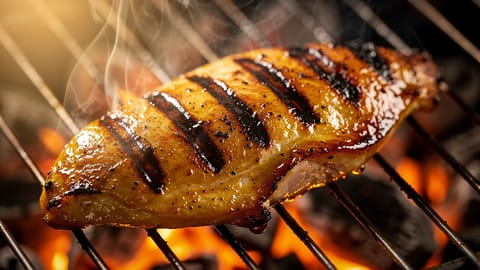
Charcoal can produce a more smoke-forward result, but the fuel name does not decide flavor by itself. Smoke can come from the fuel and added wood. It also comes from juices or fat hitting a hot surface and returning aromatic compounds to the food.
Gas grills can create that second source of smoke too. Some use heat shields that catch and vaporize drippings, while approved smoker boxes add a controlled wood-smoke option. In its current comparison, Serious Eats notes that quickly cooked foods can show little flavor difference between the two grill types.
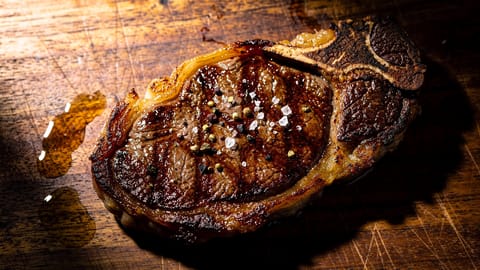
Browning is a separate issue. The Maillard reaction depends on surface heat, moisture, contact, and time rather than whether the heat began with charcoal or gas. Our food science guide explains why drying the surface and managing heat matter more than chasing dark grill marks.
If your goal is long, smoke-led cooking, a covered charcoal grill usually makes adding wood and managing smoke straightforward. If you mostly cook thin cuts and vegetables on weeknights, gas can deliver plenty of grilled character without an ash cycle.
Heat: compare the grill, not a headline temperature
Fixed claims that charcoal reaches one temperature and gas stops at another are not useful buying advice. Grate heat changes with grill construction, fuel load, wind, lid position, burner design, and where you measure it. Premium gas grills may include dedicated searing burners; a poorly arranged charcoal fire may struggle to heat the area you need.
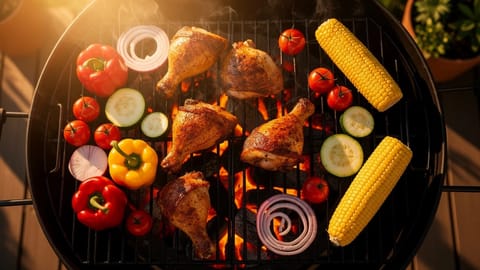
Both types should support direct and indirect zones. On charcoal, bank the fuel to one side and leave the other side clear. On gas, use separate burners to create a hot side and a gentler side. This matters more than a theoretical maximum because it lets you brown food without leaving a thick piece over fierce heat for the entire cook.
Gas responds faster when you turn a control. Charcoal responds through airflow and fuel management, so changes take more judgment. If those mechanics are new, start with the setup in our grilling guide for beginners rather than relying on the lid thermometer alone.
Convenience and cleanup
Gas has the shorter operating sequence: inspect the grill, open the lid, follow the ignition procedure, then preheat. After cooking, shut down the burners and fuel supply as the manual specifies. You still need to empty the grease tray, check hoses or connections, and clean around the burners.
Charcoal adds fuel lighting, coal arrangement, vent control, cooldown, and ash removal. A chimney starter can make lighting more repeatable, but it does not remove those steps. Ash must be completely cold before disposal.
Neither grill is maintenance-free. Gas replaces ash work with grease management and more mechanical parts. Charcoal has fewer fuel-system components, yet moisture and accumulated ash can damage the bowl and restrict airflow.
Cost: make a local comparison
Online price ranges become stale quickly and rarely compare the same cooking area or build quality. Use a simple local worksheet instead.
Multiply the fuel cost of your usual cook by how often you expect to grill. Then add likely maintenance, not an invented universal lifespan. A basic charcoal kettle may cost less to enter, while a gas grill may justify a higher purchase price for someone who cooks outside several nights a week.
Is gas or charcoal healthier?
The evidence does not support a simple "gas is healthy, charcoal is dangerous" answer. The National Cancer Institute explains that heterocyclic amines can form when muscle meat cooks at high temperatures. Polycyclic aromatic hydrocarbons can form when fat and juices hit a hot surface or fire, creating flames and smoke that contact the meat.
Those mechanisms can occur on either grill. The practical controls are about the cook:
- Move food away from flare-ups instead of letting flames lick it continuously.
- Use indirect heat for the slower part of a thick cut's cook.
- Turn meat regularly and avoid prolonged exposure to extreme surface heat.
- Remove blackened sections rather than treating heavy char as a doneness signal.
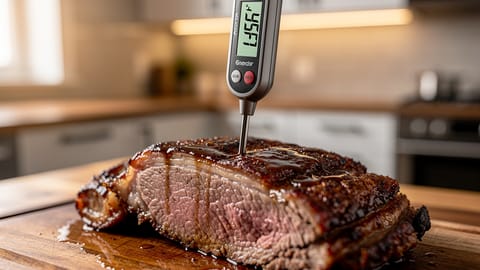
Safety and doneness are different from browning. Check the center with an instant-read thermometer and use the food-specific targets in the grilling temperature guide.
Safety may decide before flavor does
Check building rules, local fire restrictions, clearances, and fuel-storage requirements before shopping. A grill you cannot legally or safely operate in your space is not a candidate.
The U.S. Consumer Product Safety Commission says charcoal grills belong outdoors because burning charcoal produces carbon monoxide. Do not move a warm grill with live coals into a home, garage, vehicle, tent, or other enclosed space.
Gas also requires outdoor use and model-specific checks. Inspect hoses and connections as directed. Light with the lid in the position the manual requires, keep the grease system clean, and inspect the burners during routine maintenance. A standard gas-grill owner guide explicitly warns against adding solid fuel or lava rock. Hybrid appliances are the exception only when their own instructions say so.
Which grill should you buy?
Choose gas when these points sound familiar
- You want a short setup and responsive heat adjustment.
- Most cooks happen on busy days rather than as a fire-building project.
- You prefer grease-tray maintenance to handling cooled ash.
- Your outdoor space safely accommodates the specified gas supply.
Choose charcoal when these points sound familiar
- Managing airflow and arranging a fuel bed are part of the appeal.
- You want to add approved wood directly for smoke-led cooks.
- You accept a lighting and cooldown phase before ash disposal.
- Your outdoor space permits solid fuel and has safe dry storage.
If you remain undecided, write down your four most common meals and when you make them. A grill for quick chicken, fish, flatbreads, and vegetables has a different job from one bought for long weekend cooks. For a concrete technique test, read the grilled chicken breast guide and picture running that workflow on each fuel.
Details that matter on either grill
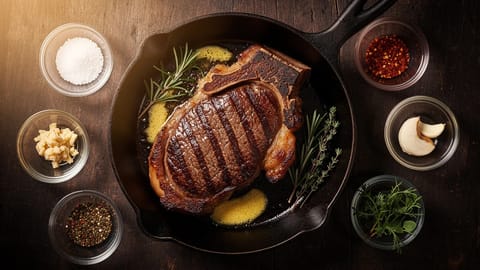
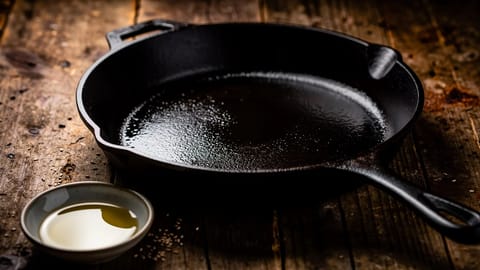
Fuel does not rescue a poor layout. Look for enough room to keep a direct zone and a safe landing zone, stable construction, a lid that fits, and parts you can replace. Match the grate material to the care you will actually do. If you choose cast iron, the cast-iron seasoning guide covers moisture control and upkeep.
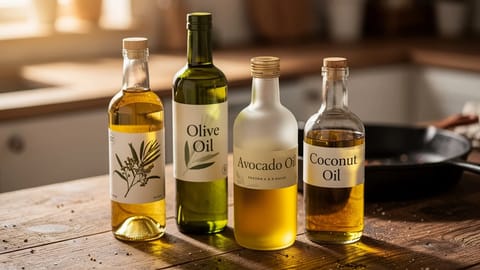
Use an oil that suits the cooking temperature and food instead of pouring a low-smoke-point oil over a fierce grate. The cooking oil smoke-point guide explains the tradeoffs without treating one oil as universal.
The decision in one sentence
Buy gas if removing setup friction will make you cook outside more often. Buy charcoal if tending the fire is part of what you want from grilling. Then choose the better-built, properly sized model with fuel and replacement parts you can obtain locally.
- Gas favors quick ignition and responsive control; charcoal favors hands-on fire management
- Both can brown and sear while supporting direct and indirect zones
- Gas can create smoke flavor, while charcoal makes adding wood more direct
- Health risk depends heavily on heat, smoke exposure, flare-ups, and degree of charring
- Local fuel prices and replaceable parts matter more than generic cost claims
- The manual and the rules for your outdoor space or fuel storage can settle the choice