 Bastien
Clarified Butter
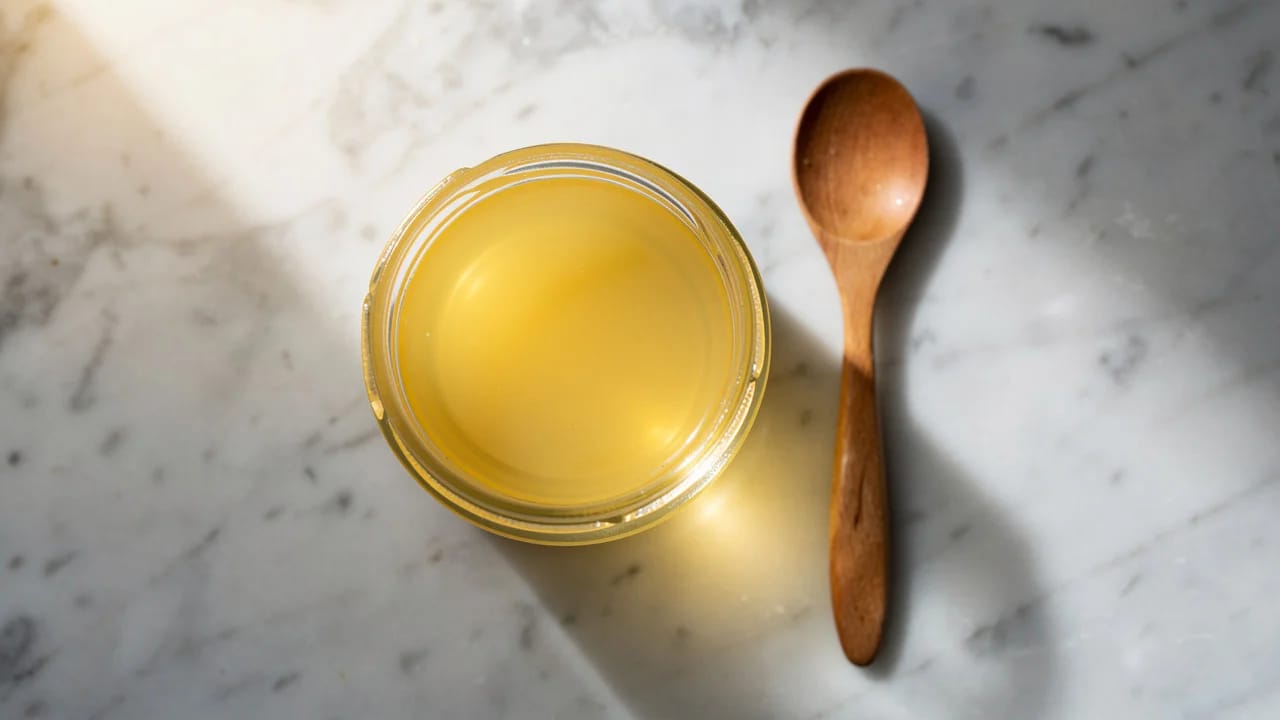
Clarified butter is butter with the water and milk solids removed, leaving pure golden fat with a 230-250°C (450-480°F) smoke point, used for sauces, sautéing, popcorn, and high-heat cooking.
Clarified butter is butter with the water and milk solids removed, leaving pure butterfat that is liquid when warm and a smoke point of roughly 230-250°C (450-480°F), well above regular butter's 175°C. Sources disagree on the exact figure because it depends on how completely the solids are removed; Wikipedia lists 250°C. It is the foundational fat in classical French cooking, used as the base for mother sauces, the cooking medium for delicate sautés, and the finishing fat for everything from poached lobster to scrambled eggs.
The usual reason a home cook starts clarifying butter is hollandaise sauce. Made with plain melted butter, the sauce breaks easily and tastes faintly grainy. Made with properly clarified butter, the emulsion holds cleanly and the texture is glassy and smooth. Every French sauce that involves emulsifying butter into yolks or stock works better with the milk solids removed.
What is clarified butter?
Butter is about 80% fat, 16% water, and 4% milk solids (proteins like casein and whey, plus minerals). Clarifying separates those three components and discards the water and solids, leaving only the fat. The fat is what cooks well, takes high heat, and holds emulsions. The water and solids are what cause regular butter to spit, foam, and burn at moderate temperatures.
The technique is older than written cookbooks. Indian cooks have made ghee for at least three thousand years using essentially the same process. The French refined it as a foundation for haute cuisine in the 17th and 18th centuries, where its neutral high-heat behavior made the technically demanding sauces of Carême and Escoffier possible.
Note: Clarified butter and drawn butter are different things despite the names sounding similar. Drawn butter is simply melted butter served warm with foods like lobster and artichokes. Some people skim the foam off the top, but the milk solids are not removed. Drawn butter is a serving condiment; clarified butter is a cooking fat.
How is clarified butter different from ghee?
The two are cousins. The difference is how far you cook the butter after the milk solids have separated from the fat.
In practice, you can use one in place of the other and most savory dishes won't suffer. The exceptions are at the extremes: a delicate beurre blanc tastes muddied with ghee's nuttiness, and an Indian dal feels flat with clean clarified butter where it expected toasted depth. Inside French cooking, clarified butter is the right answer. For South Asian or Middle Eastern cooking, ghee is.
How to make clarified butter
The home process takes one pound (450g) of butter and about 15 minutes of mostly passive cooking. Use the best butter you can: cultured European-style butters (Kerrygold, Plugrá, Beurre d'Isigny) have higher fat content and yield more.
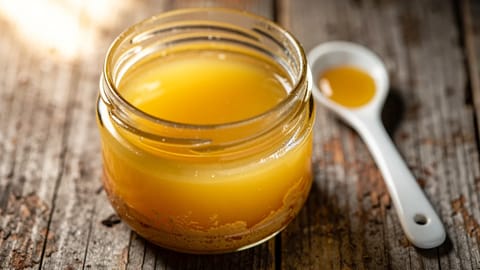
The visual signal is simple: clear, transparent gold liquid above a thin layer of white-to-pale-yellow sediment. If the sediment turns brown and you smell nutty toast, you've made ghee, not clarified butter. Both are good, but they aren't interchangeable in every dish.
Yield and storage
One pound (450g) of butter yields about 350-380g of clarified butter. Stored in a sealed glass jar, it keeps 1 month at room temperature, 6 months in the fridge, and a year in the freezer. Always use a clean dry spoon. Water introduced into the jar is what spoils it.
What is clarified butter used for?
Clarified butter does a few specific jobs better than any other fat, which is why it earned its place in classical cooking.
- Mother sauces and emulsions: Hollandaise and béarnaise rely on clarified butter whisked into egg yolks; beurre blanc and beurre monté go the other way and need whole butter, whose milk proteins hold the emulsion. Milk solids in regular butter break the emulsion or settle out cloudy. Clarified butter holds the emulsion glass-smooth.
- Sautéing seafood and delicate proteins: Scallops, fish fillets, sweetbreads, and similar quick-cooking proteins want a clean fat that won't impart a scorched flavor. Clarified butter browns cleanly without dark specks.
- Finishing sauces: Whisking cold cubes of clarified butter into a hot reduction (the technique called monter au beurre) gives the sauce body and shine without breaking it.
- Sautéing aromatics for cream sauces: Onions and shallots for béchamel or a cream sauce start in clarified butter so the finished sauce stays pale.
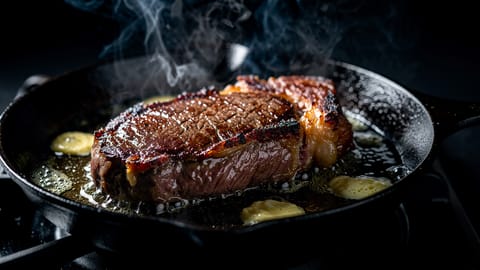
- High-heat searing: Clarified butter's 230°C-plus smoke point handles a screaming-hot pan that would burn regular butter. The flavor stays buttery rather than turning to ghee's toasted profile, which some classical recipes specifically want.
- Restaurant scrambled eggs and omelets: French omelet technique calls for clarified butter because it coats the pan evenly and doesn't add water that interferes with the curd structure.
Clarified butter for popcorn
This is the "movie theater butter" secret. Regular melted butter makes popcorn soggy, because about 16 percent of it is water, and it burns in a hot popper because of the milk solids. Clarified butter has neither problem: it coats each kernel in pure fat, stays clear and glossy, and can even be used as the popping fat itself since it tolerates the 180-230°C a popper reaches. Cooking schools like The Chopping Block recommend it for exactly that reason. Use 2 to 3 tablespoons of warm clarified butter per 100 g of popped corn, toss, then salt with a fine salt so it sticks.
Tip: For a quick weeknight version, microwave 250g of butter in a Pyrex measuring cup for 90-120 seconds until fully melted. Let it sit 5 minutes, skim the foam off the top, then pour off the clear fat carefully, leaving the white sediment at the bottom. Less elegant than the stovetop method but takes 7 minutes total.
Clarified butter benefits (and the catch)
The benefits are practical rather than nutritional. The higher smoke point means you can sear and fry in butter flavor without scorching. The shelf life is roughly ten times that of regular butter because the water and most of the milk proteins are gone. And with the lactose and casein removed to trace levels, many people with mild dairy sensitivity tolerate it better. The catch is that it is still concentrated saturated fat, slightly more per gram than regular butter, and it loses the fresh-cream sweetness that whole butter brings to baking. Treat it as a cooking fat with advantages, not a health food.
Clarified butter vs ghee vs regular butter
The right fat depends on what you're cooking and how hot the pan is going to get.
The simplest rule: clarified butter is for technique-dependent French-style cooking where you want pure butter flavor and high heat. Ghee is for dishes where the toasted-solids flavor is part of the goal. Regular butter is for everything else, especially baking.
How is clarified butter used in restaurant kitchens?
Professional kitchens almost always have clarified butter on hand, usually held warm in a labeled squeeze bottle near the line. The reasons go beyond what you'd see at home.
- Speed: A fast pour from a squeeze bottle replaces fumbling with a butter dish during service.
- Consistency: Pre-clarified butter eliminates the variability of skimming and straining butter during a 20-second sauté.
- Smoke management: A 230°C-plus smoke point means the cook can crank a flat-top without setting off the hood alarm every five minutes.
- Sauce reliability: Pre-made clarified butter means hollandaise and béarnaise emulsify the same way every time.
Many restaurants make ghee instead because the higher smoke point and longer shelf life are useful, and they don't mind the slight nuttiness in most savory contexts. The choice often comes down to chef preference rather than absolute technique requirements.
Common mistakes with clarified butter
You went past clarified butter into ghee territory. The milk solids browned instead of just settling. Both are good products, but if the recipe specifically wanted clarified butter, the flavor will be off. Lower the heat next time and pull the pot the moment the foam subsides and the solids settle white at the bottom.
Some milk solids weren't fully separated or strained out. Re-melt gently and strain again through fresh cheesecloth or a coffee filter. The solids will settle out on a second pass.
You started with butter low in fat (more water). American supermarket butter is 80% fat; European-style butter is 82-84% fat and yields noticeably more clarified butter from the same starting weight.
Water is still evaporating. Keep heat low and stand back. The splattering stops when the water is gone, which is also when the butter is ready to strain.
Water contamination, usually from a wet spoon. Discard the batch. Properly stored clarified butter should smell only of clean butter for months.
How clarified butter relates to other foundations
Clarified butter sits alongside stocks, roux, and mother sauces as one of the building blocks of classical Western cooking. None of these are the finished dish. All of them are why finished French dishes taste different from finished Italian, Spanish, or Asian dishes. The technique investment pays off across hundreds of recipes, which is why every formal culinary curriculum still teaches butter clarification in the first weeks. A working jar in the fridge is one of those small habits that quietly upgrades everything else you cook.
Note: If you find yourself making clarified butter constantly, consider buying it. High-quality jarred clarified butter (often labeled "ghee" in American markets, though true ghee is browned) costs about three times the price of butter but eliminates the time investment. For high-volume home cooks, the math works out.