 Bastien
Stock vs. Broth
Stock is bones and connective tissue simmered for hours until the liquid is rich in gelatin; broth is meat simmered briefly and seasoned to be eaten as is. Use stock where liquid reduces, broth where liquid is the dish.
Stock is a savory liquid made by simmering bones and connective tissue, usually with aromatics, for several hours until the collagen has dissolved into gelatin. Broth is made by simmering meat (sometimes on the bone) for a shorter time and seasoning it so it tastes good on its own. Cooks and food writers have used the two words interchangeably for a century, and James Beard once wrote that stock, broth, and bouillon "are all the same thing", so the distinction below is the useful modern one rather than a law.
The practical difference is body. A good stock sets to a jelly in the fridge; a broth stays liquid. That gelatin is why a pan sauce made with stock coats the spoon while one made with broth stays thin, and why broth is the better choice when the liquid itself is the dish.
What is the difference between stock and broth?
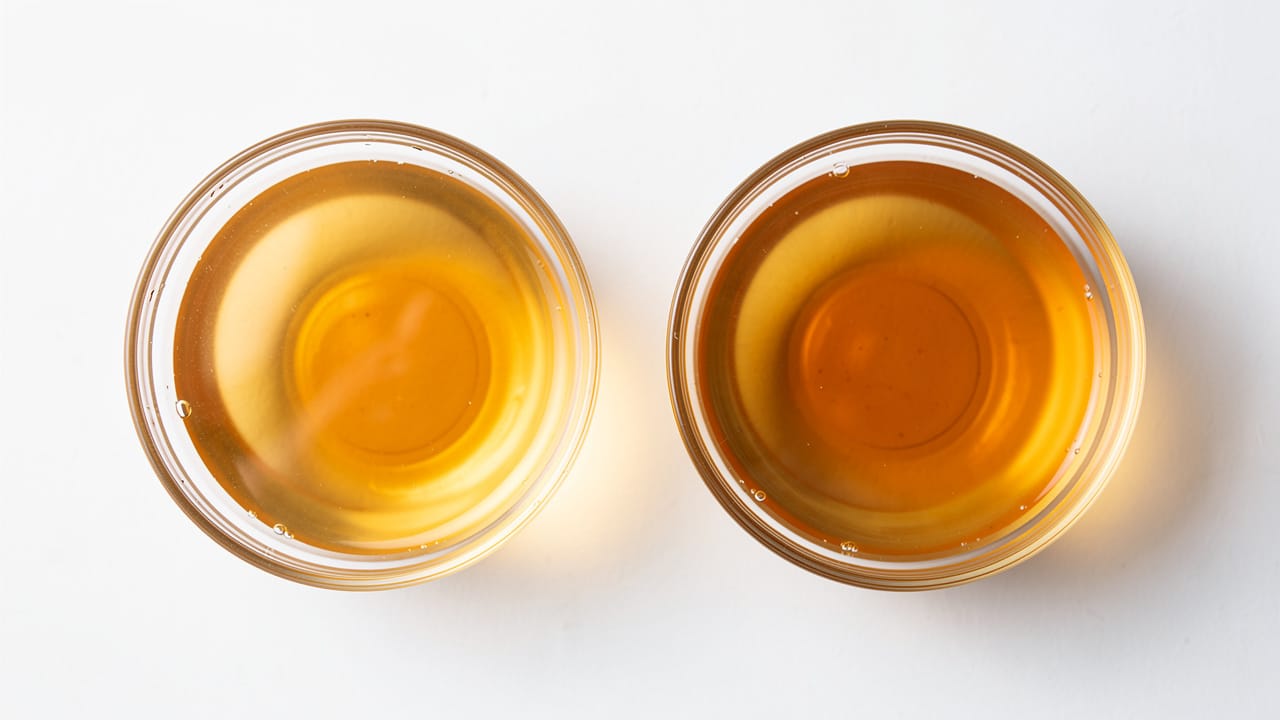
Wikipedia lists the three ways people draw the line, and they are the three columns above: bones versus meat, longer versus shorter cooking, unseasoned ingredient versus seasoned dish. A given carton or pot may tick one, two, or all three boxes.
What is stock in cooking?
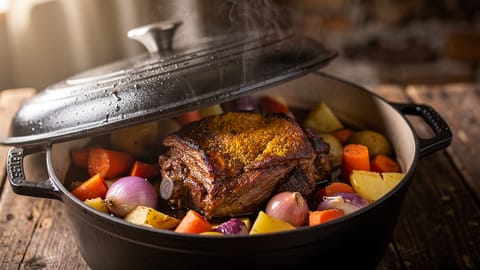
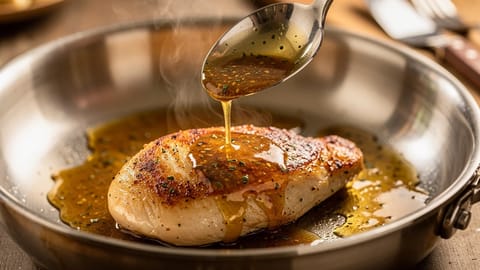
In a recipe, "stock" means the neutral, gelatin-rich base you build other things on. It is rarely eaten alone. Reduce it and it thickens into a glaze; add it to a braise and the braising liquid gains body; whisk it into a deglazed pan and the gelatin helps hold the sauce together.
Why do bones matter? The science of gelatin
Bones, skin, tendons, and cartilage are rich in collagen, a structural protein. Long, gentle simmering unwinds collagen and dissolves it into the liquid as gelatin, which gives stock four things broth lacks:
- A silky mouthfeel: gelatin coats the palate the way water does not
- Thickening on reduction: reduced stock turns glossy and syrupy without flour or starch
- Natural emulsification: gelatin helps fat and water stay together, so stock-based pan sauces stay smooth
- Umami depth: hours of extraction pull glutamates out of bones and marrow
The jiggle test is the simplest quality check. Chill a cup of stock overnight: if it sets, it has plenty of gelatin. If it stays liquid, the fix is more collagen-rich parts (feet, wings, knuckles, trotters) or a longer simmer.
Making better stock at home
Choosing bones
| Protein | Best bones | Collagen | Simmer time |
|---|---|---|---|
| Chicken | Backs, necks, feet, wing tips, carcasses | Very high (feet especially) | 4–6 hours |
| Beef | Knuckles, neck bones, oxtail, marrow bones | High | 8–12 hours |
| Pork | Trotters, neck bones, ribs | High | 6–8 hours |
| Fish | Frames and heads of lean fish (snapper, halibut, sole) | Moderate | 30–45 minutes |
| Mixed | Chicken plus pork bones | Very high | 6–8 hours |
Chicken feet and pork trotters are almost pure collagen. A few in any batch make a visibly firmer set.
The process
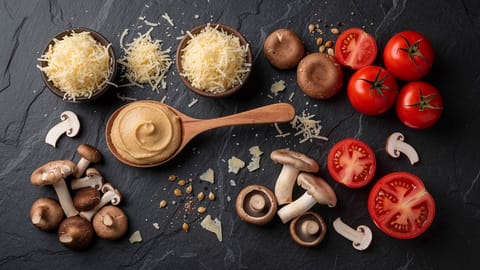
Get the mise en place ready first; stock is mostly waiting.
White stock vs. brown stock
White stock skips roasting: raw bones go straight into cold water for a pale, neutral liquid that suits cream sauces, risotto, delicate soups, and velouté, one of the classic mother sauces. Brown stock starts with roasted bones, often with tomato paste, for deeper color and flavor in demi-glace, braising liquids, and rich sauces.
Making better broth
Broth is quicker and needs only a few habits:
- Start with bone-in meat. A whole chicken or bone-in thighs give flavor and a little gelatin.
- Salt the water from the start; broth is meant to taste finished.
- Add aromatics early: onion, garlic, herbs, and peppercorns from the beginning.
- Simmer 45 minutes to 2 hours. Longer dries out the meat without adding much.
- Strain and adjust the seasoning.
Broth is ready to drink. Stock usually needs seasoning because it is designed as a building block.
Vegetable stock vs. broth
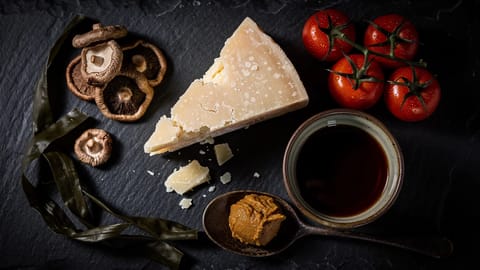
The same distinction applies loosely to vegetables. Vegetable stock simmers tough scraps (onion skins, carrot peels, celery ends, mushroom stems) for 45–60 minutes as a base; vegetable broth uses fresh vegetables and is seasoned to eat. Neither develops gelatin, because there is no collagen. For body in a vegetable dish, a pinch of powdered gelatin or a piece of kombu helps; kombu also carries more free glutamate than anything else on the umami foods list, so a 5 cm piece is plenty.
When should you use stock vs broth?
| Dish | Best choice | Why |
|---|---|---|
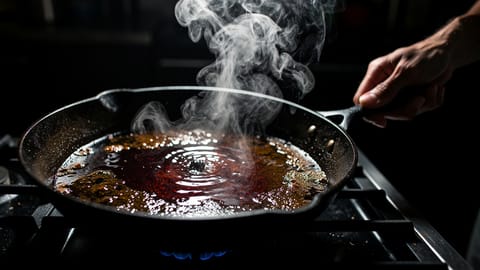
| Pan sauce | Stock | Gelatin gives a glossy, coating texture when reduced after deglazing the fond |
| Risotto | Stock | Body coats each grain; broth makes it watery |
| Braising | Stock | Enriches and thickens the liquid as it reduces |
| Demi-glace | Stock | Heavy reduction needs gelatin |
| Soup | Either | Broth for light soups; stock for hearty ones |
| Stew | Stock | Gelatin gives body without added thickeners |
| Poaching | Broth | Seasons the food directly |
| Sipping | Broth | Ready to drink |
| Gravy | Stock | Gelatin gives body; finish with a roux or reduction |
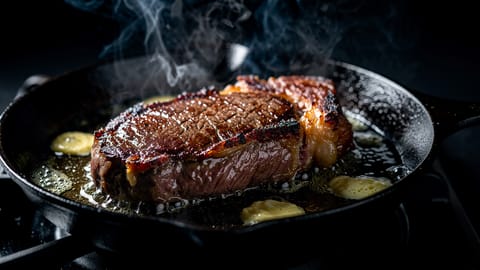
| Seared meat + quick sauce | Stock | Deglaze, add stock, reduce |
The shortcut: if the recipe reduces the liquid, use stock. If the liquid is the finished dish, use broth.
Bone broth vs stock
"Bone broth" is, by ingredients and method, stock: bones simmered long and slow. Wikipedia files it under stock and notes the name took off in the early 2010s as a wellness trend, with bars, delivery services, and a 2014 book making health claims for it. The same article states that there is no scientific evidence to support many of those claims. Enjoy bone broth because it is stock with salt in it, not as medicine.
Some bone broth recipes add a splash of vinegar to the water. It does no harm; whether it changes the result is hard to notice in a home batch.
Is stock or broth healthier?
Neither is a meaningful source of nutrition compared with the food you put in it. Stock carries dissolved gelatin, so it has some protein; broth carries whatever was seasoned into it, so store-bought versions can be salty. Homemade versions let you control the salt. Beyond that, the joint, gut, and skin claims attached to bone broth are the ones Wikipedia describes as unsupported.
Store-bought options
Most cartons labeled "stock" are closer to broth. Signs of a real stock: gelatin or collagen in the ingredient list, a short list without yeast extract or heavy sodium, and, rarely in shelf-stable products, a liquid that sets when chilled. Concentrated pastes dissolve easily and have strong flavor but no gelatin. For sauces and reductions, homemade stock is worth the effort; for everyday soup, a decent commercial product is fine.
Storing stock and broth
| Method | Duration | Best for |
|---|---|---|
| Refrigerator (4°C / 40°F or lower) | 3–4 days | Immediate use |
| Freezer (-18°C / 0°F), airtight containers | 2–6 months | Large batches; leave little air to limit freezer burn |
| Freezer, ice cube trays | 2–6 months | Small portions for deglazing and sauces |
| Pressure canning | Long-term shelf storage | Follow a tested canning process |
Health Canada's storage table gives 3–4 days in the fridge for most cooked foods and 2–6 months in the freezer depending on the item, and the FDA says never leave perishable food out for more than two hours (one hour above 32°C / 90°F). Cool a big pot fast: divide it into shallow containers or set it in an ice bath before it goes in the fridge. Freezing stock in ice cube trays is one of the most useful meal prep habits; a couple of cubes deglaze a pan or enrich a sauce.
Stock and broth in Fond
Fond hasn't launched yet. This is how it will work at launch. Join the waitlist for early access.
When a recipe calls for stock or broth, the quantity lands on your shopping list when you generate it from the meal plan, and the same ingredient from several recipes is combined. If you make your own, add the bones and aromatics as separate items.