 Bastien
Emulsification
Emulsification is the process of mixing two liquids that normally don't combine (like oil and water) into a stable, uniform mixture — used to make mayonnaise, vinaigrette, hollandaise, and pan sauces.
Emulsification is the process of mixing two liquids that normally separate (like oil and water) into a stable, uniform mixture. Cooks rely on emulsification to make mayonnaise, vinaigrettes, hollandaise, beurre blanc, pan sauces, and creamy pasta sauces like cacio e pepe — every one of these tastes rich and cohesive because of an emulsion.
Emulsification looks like restaurant magic right up until a first batch of homemade mayo: the moment the mixture thickens under the whisk, the science clicks. It's one of those cooking skills that pays off in dozens of recipes.
How does emulsification work?
Oil and water naturally repel each other. Shake them together and you get temporary droplets that quickly separate back into two layers. An emulsifier sits at the boundary between each droplet and the surrounding liquid, preventing them from merging back together. Lecithin in egg yolks, mucilage in mustard, casein in dairy: these molecules have one end that attracts water and another that attracts oil.
What are the types of emulsions?
| Type | Structure | Examples |
|---|---|---|
| Oil-in-water (O/W) | Tiny oil droplets suspended in water | Vinaigrette, mayonnaise, milk, pan sauce, hollandaise |
| Water-in-oil (W/O) | Tiny water droplets suspended in oil | Butter, margarine, chocolate ganache |
Most cooking emulsions are oil-in-water. The continuous phase (water or aqueous liquid) surrounds many tiny oil droplets.
What are the most common cooking emulsifiers?
| Emulsifier | Found in | Why it works | Best for |
|---|---|---|---|
| Lecithin | Egg yolks | Phospholipid with dual water/oil affinity | Mayonnaise, hollandaise, custards |
| Mucilage | Mustard | Plant polysaccharide that thickens and stabilizes | Vinaigrettes, dressings |
| Casein | Dairy (cream, cheese) | Protein that coats fat droplets | Cream sauces, cheese sauces |
| Starch | Flour, cornstarch, pasta water | Thickens the continuous phase, trapping droplets | Roux-based sauces, pasta sauces |
| Gelatin | Stock | Protein that gels and stabilizes | Pan sauces, jus, demi-glace |
| Allicin compounds | Garlic | Sulfur compounds with emulsifying properties | Aioli, garlic sauces |
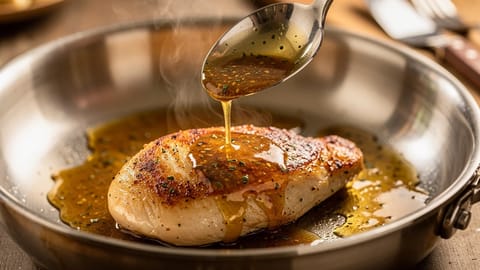
This is why homemade stock makes better pan sauces than store-bought broth. The gelatin from bones acts as a natural emulsifier, giving the sauce body and sheen. The difference shows the first time properly reduced chicken stock goes into a deglazing sauce: the liquid pulls together into a glossy coat that clings to the spoon before any butter is added.
Emulsified sauces: a practical guide
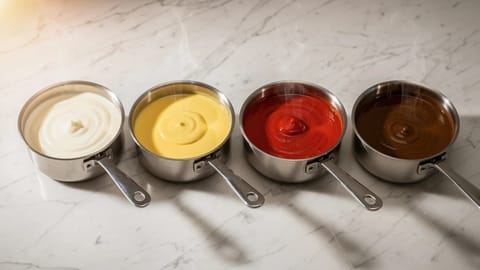
Vinaigrette
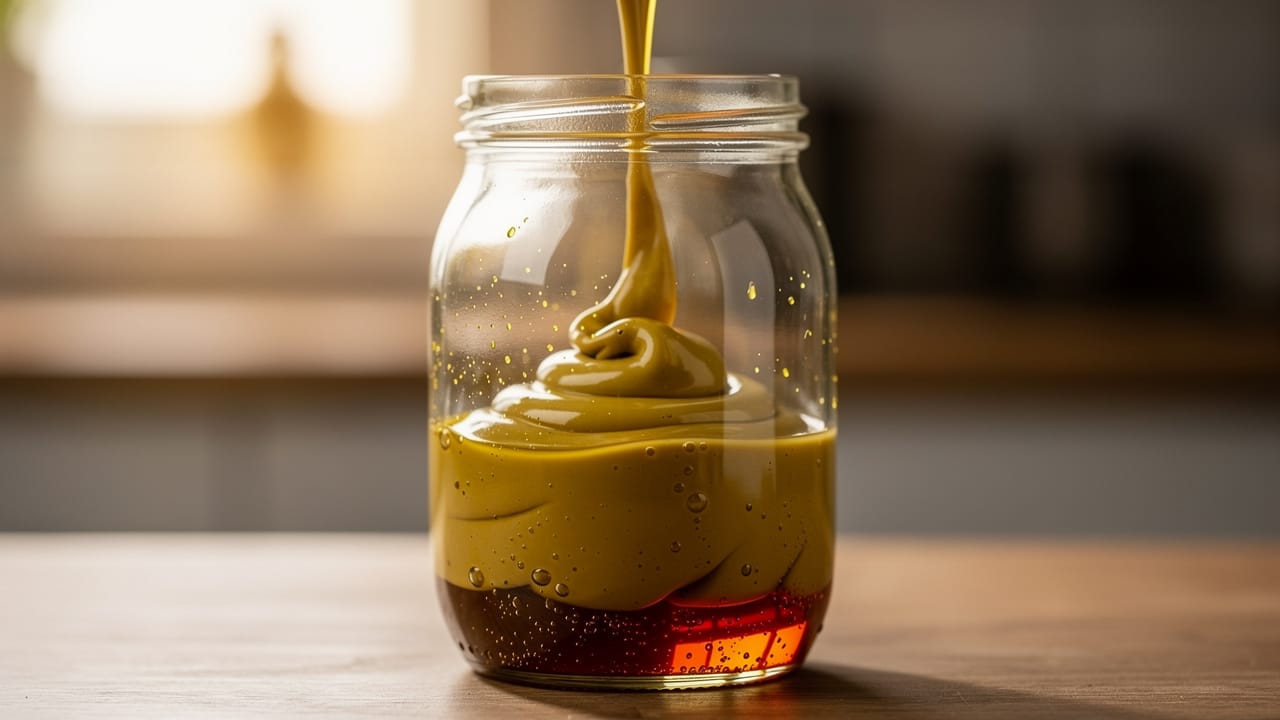
The simplest emulsion. Ratio: 3 parts oil to 1 part acid (vinegar or citrus).
Mayonnaise
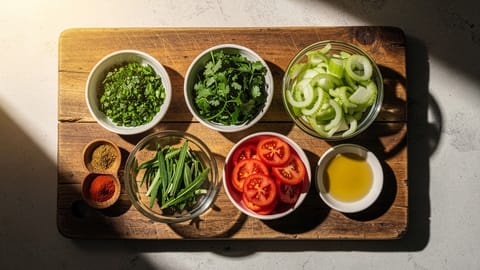
A permanent emulsion stabilized by egg yolk lecithin. Have your mise en place ready.
The critical point is the first 60 ml of oil. Add it too fast and the emulsion never forms. A food processor or immersion blender makes this nearly foolproof.
Hollandaise
A warm emulsion of egg yolks and clarified butter. Hollandaise is one of the five mother sauces, and it's also a tempering exercise: the yolks must stay below 65°C to avoid curdling.
Pan sauce
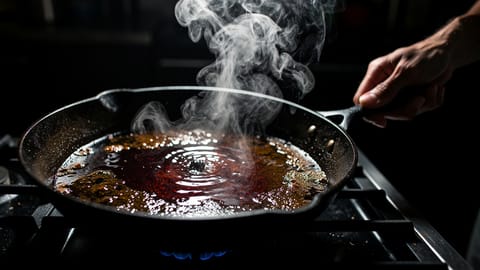
A quick emulsion made by deglazing a hot pan after searing. The fond (browned bits on the pan) dissolves into the liquid and adds depth.
Emulsification in baking
Emulsifiers play a quieter role in baking, but they're still present. Egg yolks emulsify fat into cake batters, creating a smooth crumb. Lecithin in chocolate helps cocoa butter stay evenly distributed. Butter itself is a water-in-oil emulsion, and how well it holds together during creaming affects the texture of cookies and cakes.
Bread doughs that include eggs or oil benefit from emulsification too. The fat integrates more evenly into the gluten network, producing a softer crumb in enriched breads like brioche.
Why do emulsions break, and how do you fix them?
You added oil too fast. Start over: whisk the broken sauce into a fresh egg yolk, drop by drop.
Temperature climbed too high. Add 1 tbsp ice water and whisk vigorously. If that doesn't work, stream the broken sauce into a fresh yolk off heat.
Not enough emulsifier or insufficient whisking. Add a teaspoon of mustard and re-whisk, or switch to an immersion blender.
Normal for a temporary emulsion. Shake before serving. Add more mustard or a pinch of xanthan gum for longer stability.
Not enough reduction or too much fat left in the pan. Return to heat, add more stock, and reduce further.
The universal rescue: place a fresh egg yolk (or a tablespoon of water for non-egg sauces) in a clean bowl and very slowly whisk the broken sauce into it. This re-establishes the emulsion from scratch.
Tips for stable emulsions
Emulsification examples beyond sauces
Emulsification shows up across the kitchen in less obvious ways:
- Milk and cream are natural oil-in-water emulsions stabilized by casein
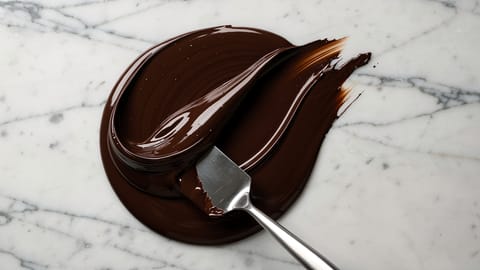
- Ganache is a water-in-oil emulsion of chocolate and cream
- Pesto made with a mortar and pestle emulsifies the oil from basil and nuts into the paste
- Pasta water sauces (cacio e pepe, aglio e olio) rely on starchy water emulsifying with fat
- Ice cream base is an emulsion of cream, milk, sugar, and egg yolks before it's frozen
After making a few hundred vinaigrettes and dozens of hollandaise batches, I've found that the single biggest variable is patience during the oil addition. Everything else (emulsifier choice, temperature, equipment) matters, but nothing breaks an emulsion faster than dumping oil in too quickly.
Emulsification in Fond
Fond hasn't launched yet. This is how it will work at launch. Join the waitlist for early access.
Fond's Cook mode guides you through emulsified sauces step by step. Recipes that need tempering egg yolks or deglazing pans include technique tips so you get a stable, glossy result every time.