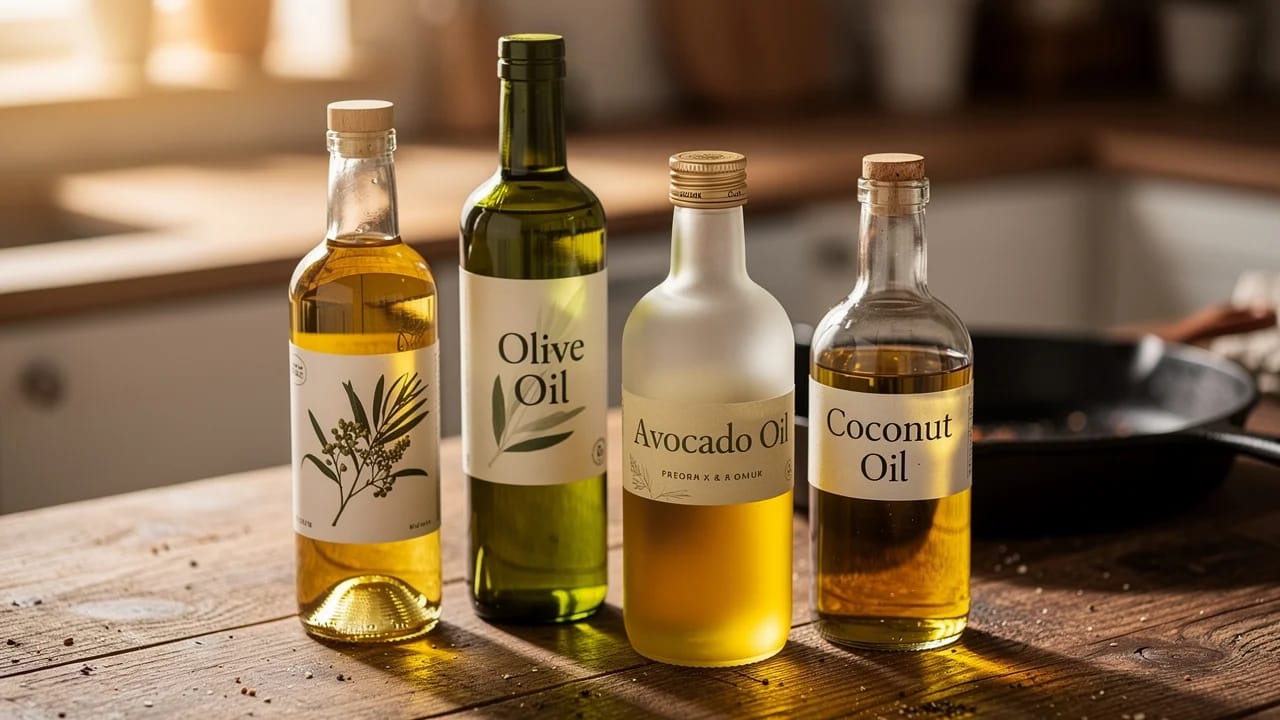
 Bastien
Cooking oil smoke points: the complete guide for every cooking method
Every cooking oil has a temperature limit. Push past it and you get bitter flavors, acrid smoke, and potentially harmful compounds filling your kitchen. That temperature limit is called the smoke point, and knowing it is the difference between a perfect sear and a smoking disaster.
Every cooking oil has a breaking point. Heat it past that threshold and you get acrid smoke, bitter flavors, and a kitchen that smells like regret. That threshold, the smoke point, is one of the most practical things a home cook can memorize. This oil smoke point chart covers every oil you're likely to reach for, from high smoke point oils for deep-frying chicken to finishing oils for salads. I've tested dozens of oils across hundreds of meals, and the difference between picking the right one and the wrong one is immediate.
Whether you're figuring out if olive oil actually works at high heat or looking for the best oil for frying, you'll find the answer below.
What is a smoke point and why does it matter?
The smoke point is the temperature at which an oil begins to break down and produce visible smoke. At that threshold, fats decompose into glycerol and free fatty acids, which oxidize and release volatile compounds. The result: off flavors, a haze of blue-gray smoke, and degraded nutritional value.
Why it matters for cooking:
- Oils heated past their smoke point develop bitter, burnt flavors that transfer directly to food
- Overheated oils release acrolein, a compound that irritates eyes and lungs
- Repeated overheating accelerates the breakdown of polyunsaturated fatty acids, the beneficial fats in oils like flaxseed and walnut
- An oil near its smoke point produces uneven browning instead of the clean Maillard reaction you want when searing or frying
Flavor, fat composition, and cost all matter when choosing an oil. But smoke point is the starting point. Pick one that handles the heat your recipe demands and you've already avoided the most common mistake.
Complete cooking oil smoke points chart
Bookmark this oil smoke point chart or save it in your recipe library for quick access. All temperatures are approximate and vary by brand, refinement level, and freshness.
| Oil | Smoke point (°F) | Smoke point (°C) | Best for |
|---|---|---|---|
| Avocado oil (refined) | 520°F | 271°C | Deep frying, searing, grilling |
| Safflower oil (refined) | 510°F | 266°C | Deep frying, stir-frying |
| Rice bran oil | 490°F | 254°C | Deep frying, stir-frying |
| Ghee (clarified butter) | 485°F | 252°C | Searing, frying, Indian cooking |
| Light/refined olive oil | 465°F | 240°C | Frying, sauteing, roasting |
| Peanut oil (refined) | 450°F | 232°C | Deep frying, stir-frying |
| Soybean oil | 450°F | 232°C | Frying, baking |
| Corn oil | 450°F | 232°C | Deep frying, baking |
| Sunflower oil (refined) | 440°F | 227°C | Frying, baking |
| Sesame oil (light, refined) | 410°F | 210°C | Stir-frying, sauteing |
| Vegetable oil (blend) | 400-450°F | 204-232°C | General purpose frying |
| Canola oil (refined) | 400°F | 204°C | Frying, baking, sauteing |
| Coconut oil (refined) | 400°F | 204°C | Baking, light frying |
| Grapeseed oil | 390°F | 199°C | Sauteing, stir-frying, dressings |
| Sesame oil (toasted) | 350°F | 177°C | Finishing, dressings |
| Coconut oil (unrefined/virgin) | 350°F | 177°C | Low-heat sauteing, baking |
| Extra virgin olive oil | 325-375°F | 163-191°C | Low-heat sauteing, dressings, finishing |
| Butter | 300-350°F | 149-177°C | Baking, low-heat sauteing |
| Walnut oil | 320°F | 160°C | Dressings, finishing |
| Flaxseed oil | 225°F | 107°C | Dressings only (never heat) |
A note on refined vs. unrefined: Refining removes impurities, free fatty acids, and volatile compounds. That's why refined avocado oil handles 520°F (271°C) while extra virgin olive oil tops out around 375°F (191°C). Refined doesn't mean "worse," it means processed for a different purpose.
Best oil for each cooking method
Different methods need different oils. Here's what to reach for based on how you're cooking.
Deep frying (325-375°F / 163-191°C)
The best oil for deep frying needs a high smoke point, neutral flavor, and enough stability to hold up across multiple batches.
| Oil | Why it works |
|---|---|
| Peanut oil | Industry standard for deep frying. Neutral flavor, high smoke point (450°F / 232°C), and excellent stability for reuse |
| Avocado oil (refined) | Highest smoke point available (520°F / 271°C), but more expensive |
| Canola oil | Budget-friendly and widely available with a clean, neutral taste |
| Corn oil | Affordable, neutral, and performs well at frying temperatures |
Peanut oil is the default choice for a reason. It's what most professional kitchens and restaurants use for deep frying. According to Serious Eats, peanut oil's combination of stability, neutral flavor, and high smoke point makes it ideal for repeated frying cycles.
Sauteing and pan-frying (300-400°F / 149-204°C)
Most stovetop cooking falls in this range. The oil needs to handle medium-high heat without smoking.
- Light olive oil works as a great all-purpose option with a 465°F (240°C) smoke point
- Canola oil stays neutral and affordable for everyday cooking
- Avocado oil gives you the highest heat ceiling if you tend to crank the burner
- Grapeseed oil has a clean flavor and works well for delicate proteins
Extra virgin olive oil works for gentle sauteing over medium heat (around 325°F / 163°C), but don't push the burner past medium. It adds a fruity, peppery note that complements vegetables and lighter dishes.
High-heat searing (400-500°F / 204-260°C)
A screaming-hot cast iron skillet and a heat-stable oil. You're after aggressive browning through the Maillard reaction, so the oil needs to survive extreme temperatures. Oil choice matters for seasoning your cast iron too, where polyunsaturated fats form the strongest polymer bonds. I switched from canola to avocado oil for searing about a year ago, and the difference in how clean my kitchen smells after cooking a steak was noticeable from the first time.
- Avocado oil (refined) is the clear winner at 520°F (271°C)
- Ghee hits 485°F (252°C) and adds rich, nutty flavor
- Light olive oil at 465°F (240°C) is underrated for searing
Baking
Baking happens at 325-425°F (163-218°C), well within the range of most oils. Flavor neutrality matters more than extreme heat tolerance.
- Canola oil is the standard for baking: neutral, affordable, and produces moist results
- Coconut oil (refined) is solid at room temperature and works as a butter substitute with neutral flavor when refined
- Vegetable oil is generic but reliable for cakes, muffins, and quick breads
- Light olive oil adds subtle richness to olive oil cakes and Mediterranean baked goods
Salad dressings and finishing
No heat involved, so smoke point doesn't matter. Choose for flavor.
- Extra virgin olive oil is the gold standard for vinaigrettes and drizzling
- Toasted sesame oil brings intense, nutty flavor for Asian-style dressings
- Walnut oil is delicate and slightly sweet, pairs with bitter greens
- Flaxseed oil is earthy and rich in omega-3s, but spoils quickly (store in the fridge)
Best oil for specific foods
Cooks tend to ask about specific foods more than general methods. Here's the short answer for each.
Best oil for frying chicken
Winner: peanut oil. There's a reason every Southern fried chicken recipe calls for it. Peanut oil has a high smoke point (450°F / 232°C), stays clean through long frying sessions, and doesn't transfer flavors between batches. Canola oil is a solid budget alternative.
For pan-fried chicken (not deep-fried), use a combination of butter and light olive oil. The butter adds flavor while the olive oil raises the overall smoke point of the blend.
Best oil for frying fish
Winner: peanut oil or canola oil. Fish fries best at 350-375°F (177-191°C), which most neutral oils handle with ease. The key is a clean, neutral flavor that doesn't compete with the fish. Avoid olive oil and sesame oil because their distinct flavors can overpower delicate fish.
For a lighter, crispier result, grapeseed oil works well. Its neutral profile and moderate smoke point make it a good match for pan-fried fillets.
Best oil for frying french fries
Winner: peanut oil. This is what Five Guys and most fry shops use. Peanut oil produces fries with a crisp exterior and fluffy interior. For the best results, fry twice: once at 325°F (163°C) to cook through, then again at 375°F (191°C) to crisp.
Beef tallow is the traditional choice (it's what McDonald's used until 1990), and it produces incredible flavor. If you can source it, try a 50/50 blend of tallow and peanut oil.
Best oil for stir-fry
Winner: peanut oil or refined sesame oil. Stir-frying happens fast over high heat, typically 400-450°F (204-232°C). You need an oil that handles the heat and doesn't compete with your aromatics. I keep a bottle of peanut oil next to the wok at all times. For authentic flavor, add a few drops of toasted sesame oil at the end as a finishing touch, not during cooking.
Best oil for eggs
Winner: butter (for flavor) or light olive oil (for health). Eggs cook at low-to-medium heat, so smoke point isn't a concern. Butter gives scrambled eggs and omelets their classic rich flavor. Ghee works well too because it won't burn as easily as butter and adds a nutty taste.
For fried eggs with crispy edges, use a thin layer of olive oil heated until it shimmers but doesn't smoke.
The healthiest cooking oils
Health claims around cooking oils get noisy fast. Here's what the research supports, based on USDA nutritional data.
Healthiest oils ranked by fat profile
| Oil | Monounsaturated fat | Polyunsaturated fat | Saturated fat | Key benefit |
|---|---|---|---|---|
| Olive oil (extra virgin) | 73% | 11% | 14% | High in polyphenols and antioxidants |
| Avocado oil | 71% | 13% | 12% | Heart-healthy fats, high smoke point |
| Canola oil | 63% | 28% | 7% | Lowest saturated fat, good omega-3 ratio |
| Peanut oil | 46% | 32% | 17% | Good balance for cooking |
| Sesame oil | 40% | 42% | 14% | Contains sesamol (antioxidant) |
| Coconut oil | 6% | 2% | 82% | High saturated fat, use sparingly |
The practical takeaway: Extra virgin olive oil and avocado oil are your healthiest everyday choices. Both are high in monounsaturated fats, which are associated with reduced inflammation and improved heart health. Canola oil offers the lowest saturated fat content of any common cooking oil.
Coconut oil remains controversial. It's extremely high in saturated fat (82%), but some of those fats are medium-chain triglycerides (MCTs), which the body metabolizes differently. Use it when the flavor fits (baking, curries, tropical dishes) but it shouldn't be your default.
How to tell when oil is too hot
An instant-read thermometer is handy for deep frying, but for everyday cooking your eyes and nose are enough.
This is your target for most sauteing and pan-frying. The oil is hot enough to cook efficiently. Add your food now.
You're at or near the smoke point. Reduce heat slightly or add your food immediately to bring the temperature down.
The oil has passed its smoke point. Remove the pan from heat. If the oil smells acrid or has darkened significantly, discard it and start fresh.
The oil has broken down. Discard it, wipe the pan, and start with fresh oil.
The water test (for frying): Flick a tiny drop of water into the oil. If it sizzles immediately and evaporates, the oil is around 350°F (177°C), ready for frying. If it pops violently, the oil is too hot.
Practical tip: Always preheat your pan first, then add oil. A hot pan needs less time to bring the oil to temperature, which means less time for the oil to sit and overheat.
How to store cooking oils properly
Even good oil goes rancid with bad storage. Rancid oil doesn't just taste off, it contains oxidized compounds you don't want in your food.
Choosing the right oil: a quick decision framework
Four questions and you'll have your answer:
- What temperature are you cooking at? Match the oil's smoke point to your cooking method. Leave at least a 50°F (28°C) buffer between your cooking temperature and the oil's smoke point.
- Does flavor matter? For dressings and finishing, choose flavorful oils (extra virgin olive oil, toasted sesame, walnut). For frying and baking, choose neutral oils (canola, peanut, vegetable).
- What's your budget? Avocado oil performs best at high heat but costs 3-4 times more than canola. For deep frying large batches, peanut or canola oil makes more financial sense.
- Are there allergy concerns? Highly refined peanut oil is generally safe for people with peanut allergies according to the FDA, but cold-pressed or unrefined peanut oil is not.
Pairing the right oil with the right salt makes a noticeable difference. Flaky finishing salt on a perfectly seared steak, fine salt dissolved into a vinaigrette. If you're getting serious about pan sauces, the oil you sear in becomes the foundation of your sauce.
- Stock three bottles (EVOO, canola/avocado, toasted sesame) and you're covered for 95% of home cooking
- Always leave a 50°F (28°C) buffer between your cooking temperature and the oil's smoke point
- Refined avocado oil (520°F) handles the highest heat of any common cooking oil
- For health, extra virgin olive oil and avocado oil are your best everyday choices
- Store all oils in a cool, dark cabinet and refrigerate delicate oils like flaxseed and walnut
- When oil starts smoking steadily, discard it and start fresh
Sources
Cook smarter
Join the waitlist for Fond. Recipes, meal plans, and a little AI sous-chef that learns how you cook.
Related articles
Butter vs oil: when to use each in cooking and baking
Butter and oil each have strengths in the kitchen. Butter brings flavor, browning, and flaky pastry. Oil brings higher heat tolerance, moisture, and a longer shelf life. Knowing when to reach for each — and when to combine them — makes every dish better.

Types of salt for cooking: a practical guide to every salt in your kitchen
Not all salt is the same. A teaspoon of table salt contains almost twice as much sodium as a teaspoon of Diamond Crystal kosher salt. Crystal size, shape, and mineral content change how salt dissolves, how it sticks to food, and how much you actually need. This guide covers every common cooking salt and when to use each one.
Olive Oil
A versatile cooking fat pressed from olives, available in grades from extra virgin (best for finishing) to refined (best for high-heat cooking).
Searing
High-heat browning technique that creates a flavorful Maillard crust on meat, fish, or vegetables.
Maillard Reaction
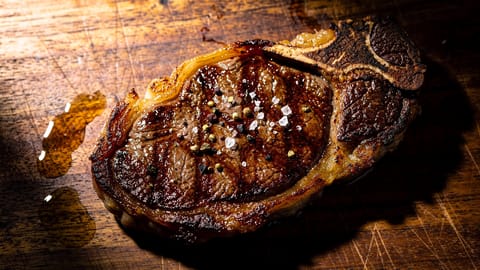
The chemical reaction between amino acids and sugars that occurs when food is heated, creating the brown color and complex flavors of seared meat, toasted bread, and roasted coffee.