 Bastien
Basting
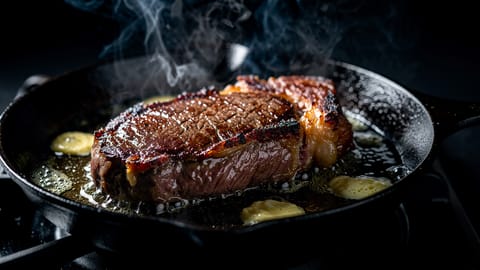
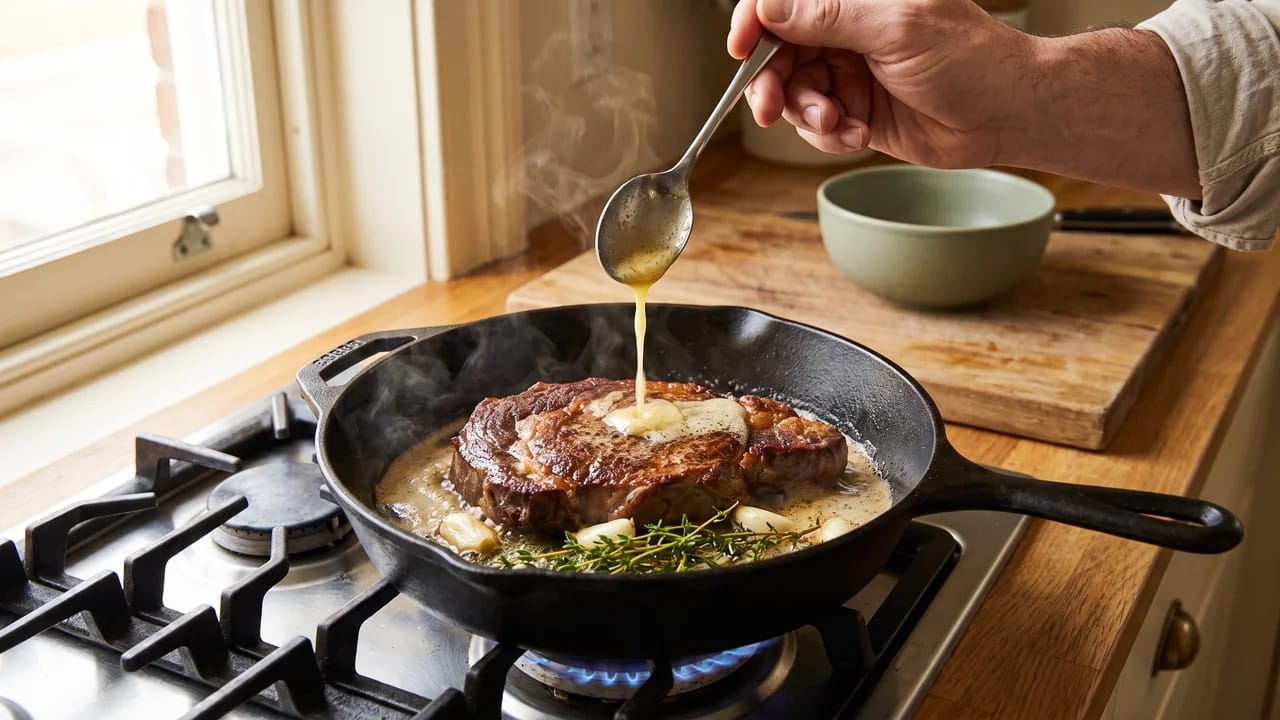
Basting is spooning or brushing hot fat, pan juices, or sauce over food as it cooks, to flavor the surface and help it brown. Butter-basting a steak takes 1-2 minutes; roast basting is mostly optional.
Basting is the technique of repeatedly coating food with hot fat, pan juices, or sauce while it cooks, using a spoon, brush, or bulb baster. Done in a pan with foaming butter it's the steakhouse finishing move; done to a turkey every 20 minutes it's mostly tradition wearing a chef's hat.
Those two versions deserve different reputations, and this entry treats them separately. One is 90 seconds of active flavor-building; the other is a habit that lengthens your roast for marginal return.
What does basting do to food?
Three things, all at the surface. Fat carries flavor: butter foamed with garlic and thyme leaves its aromatics on everything it touches. Fat also conducts heat, so each spoonful cooks the top of the food a little, evening out the pan's bottom-only heat. And fat browns: the surface it wets crisps and colors faster through the Maillard reactions that need heat and dryness to get going, which hot butterfat delivers.
What basting doesn't do is moisturize the interior. Liquid doesn't migrate into muscle in any meaningful amount during cooking; juiciness is set by internal temperature and resting, not by how devotedly you wet the outside. That single fact sorts the useful bastes from the theatrical ones.
How do you butter-baste a steak?
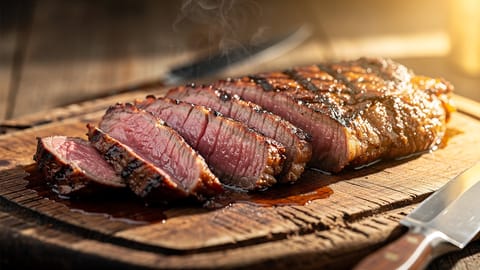
This is the version worth learning. The butter must foam but not brown past nutty; if it smells acrid, the pan is too hot. Thick cuts, pork chops, and firm fish like halibut all take the same treatment. Because heat now arrives from two directions, a basted steak reaches medium-rare noticeably sooner than an unbasted one, so the thermometer matters more, not less.
Should you baste a turkey or roast?
The tradition says yes; the evidence mostly says leave the oven shut. Basting liquid evaporates off the skin without entering the meat, each door opening costs the oven 20-30°C and adds minutes to the cook, and repeatedly wetting the skin softens exactly the crispness a roast spends hours earning.
If you want what basting promises, other tools deliver it better: a dry brine the night before for seasoned, juicy meat; a fat cap or bacon lattice that self-bastes as it renders; a glaze brushed on once, in the final 20 minutes, for color and shine. Cooks who skip the basting ritual for a holiday bird usually report the crispest skin they have had, because the oven stayed shut and the skin stayed dry.
What should you baste with (and when)?
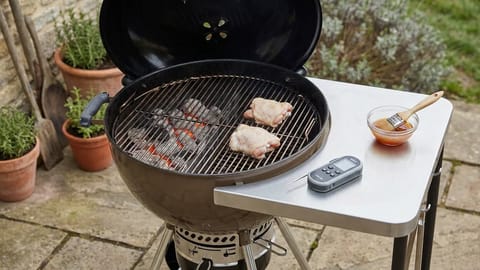
In the pan: butter, always with aromatics, added after the sear. In the oven: the roast's own dripping fat if you baste at all, spooned quickly with the pan pulled out, door closed. On the grill: thin vinegar or stock-based mops during the cook, and sugary glazes only in the last 10-15 minutes, for the same reason sauce burns rank high on the list of grilling mistakes: sugar carbonizes fast over live fire.
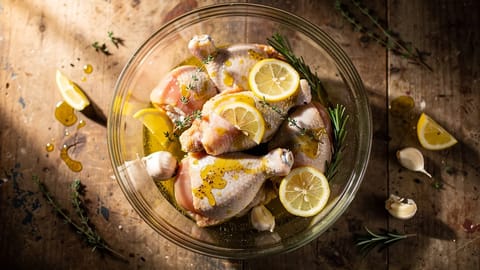
One boundary worth respecting: never baste with the marinade raw meat sat in unless you boil it first. Brush-on portions should be set aside before the raw protein ever touches the bowl.
Basting vs glazing vs mopping: what's the difference?
| Technique | Liquid | When | Goal |
|---|---|---|---|
| Basting | Pan fat, juices, butter | Throughout or at the end | Flavor, browning, gloss |
| Glazing | Sugary sauce or reduction | Last 10-20 minutes | Sticky, lacquered coat |
| Mopping | Thin vinegar/stock mix | During long barbecue cooks | Surface moisture for smoke to stick |
They blur together in practice, but the sugar content sets the schedule: the sweeter the liquid, the later it goes on. Mops exist because smoke adheres better to damp surfaces, glazes because caramelized sugar needs minutes rather than hours, and pan bastes because butter and browning were always going to find each other. In Fond's cook mode, a butter-baste step shows up with its own 90-second timer, which is the difference between nutty butter and a smoking pan.