 Bastien
Pressure Cooking
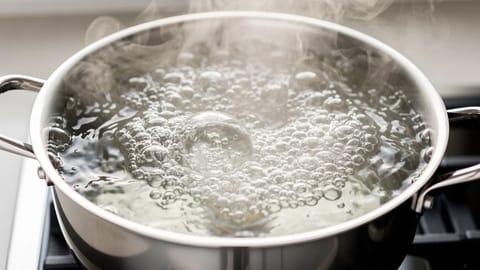
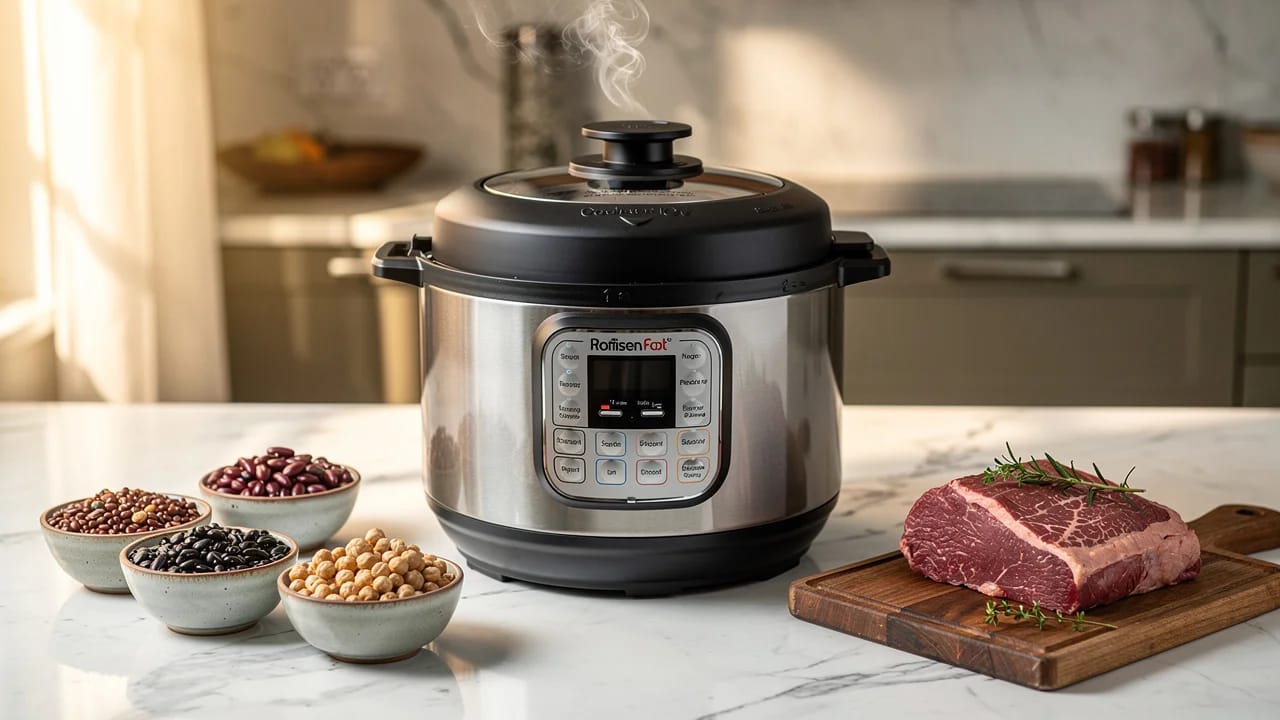
Pressure cooking is cooking food in a sealed pot where trapped steam raises the boiling point to around 120°C (250°F), cooking food much faster than boiling or braising at normal pressure.
Pressure cooking is cooking food in a sealed pot where trapped steam builds pressure and raises water's boiling point to around 120°C (250°F), well above the normal 100°C. That higher temperature cooks food two to three times faster than boiling or simmering at normal pressure, which makes it the fastest way to cook beans, tough cuts, and stocks.
The science is the reverse of what happens at altitude. Where thin mountain air lowers the boiling point and slows cooking, a sealed pressure cooker traps steam, raises the internal pressure, and pushes the boiling point up. Hotter water means faster cooking.
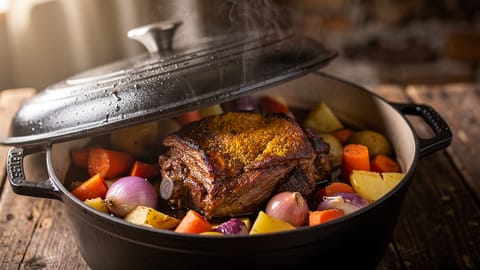
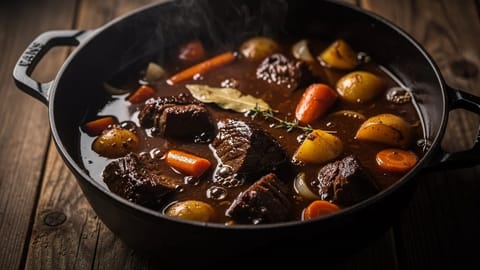
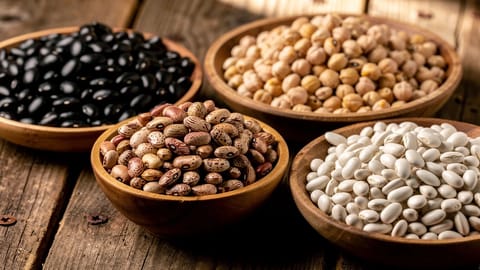
The reputation problem comes from the rattling stovetop models of past decades; the results are what win people over. A beef stew comes out of a pressure cooker in about 35 minutes tasting like it simmered all afternoon, and dried chickpeas go from an overnight soak plus two hours of boiling to under an hour with no soak at all.
How does pressure cooking work?
Pressure cooking works by sealing the pot so steam can't escape. As the trapped steam builds, the pressure inside rises, and higher pressure raises the temperature at which water boils, from 100°C up to about 120°C (250°F) at the 15 psi a stovetop cooker reaches. Electric multicookers run lower: Instant Pot's own FAQ puts its working pressure at 10.2-11.6 psi and the temperature at roughly 115-118°C (239-244°F), which is why the same recipe often needs a few extra minutes in an electric pot.
Food cooks faster for two reasons. The water is hotter than it can ever get in an open pot, and the high-pressure, steam-saturated environment transfers heat into the food more efficiently. Together they cut cooking times dramatically.
This is the same physics that makes water boil cooler on a mountaintop, just inverted. At altitude, low air pressure lowers the boiling point and slows cooking. A pressure cooker manufactures high pressure on purpose to do the opposite.
What is the difference between pressure cooking and slow cooking?
They sit at opposite ends of the speed spectrum but often produce similar results on tough cuts. Pressure cooking uses high heat and pressure to break down food fast; slow cooking uses low, steady heat over many hours.
Both melt collagen in tough cuts into silky gelatin, the same goal as a long braise. Pressure cooking just gets there in a fraction of the time. Slow cooking gives flavors more hours to meld and is more forgiving of timing, while pressure cooking wins on speed and energy use.
What can you cook in a pressure cooker?
Pressure cookers shine with anything that normally needs long, moist cooking. The high heat and trapped steam break down fibers and hydrate dense foods fast.
| Food | Approx. time | Notes |
|---|---|---|
| Dried beans (unsoaked) | 25-45 min | No overnight soak needed |
| Beef stew / chuck | 30-40 min | Collagen melts to gelatin |
| Whole chicken | 25-30 min | Fall-off-the-bone tender |
| Stock / bone broth | 45-90 min | Rich stock in a fraction of the time |
| Brown rice | 20-25 min | Cooks evenly under pressure |
| Risotto | 6-8 min | No constant stirring |
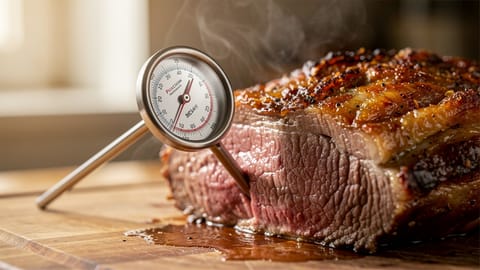
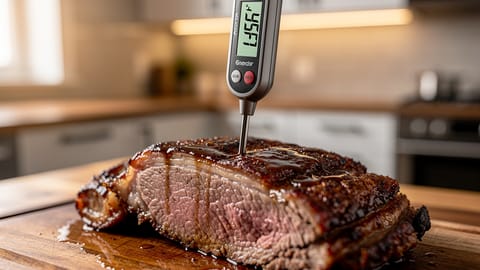
Always add enough liquid, since steam is what creates the pressure. Stovetop recipes typically call for at least 250 ml (1 cup); Instant Pot's manual asks for 500 ml (2 cups) of thin liquid in most of its models, so check yours. The high heat also means you can't open the pot to check, so following tested times and an internal temperature target matters more than with open-pot cooking.
What should you not cook in a pressure cooker?
Some foods are a poor fit. Delicate items that cook in minutes, like most fish and quick green vegetables, overcook almost instantly under pressure. Dairy can scorch or curdle, so add cream and cheese after pressure cooking, not during.
Foaming foods are the bigger concern. Pasta, oatmeal, split peas, and applesauce froth up and can clog the pressure valve, which is a safety hazard. And anything you want crispy or browned, like roasted potatoes, won't work, since pressure cooking is a moist-heat method with no dry surface to brown.
Warning: Never fill a pressure cooker more than two-thirds full, or half full for foaming foods like beans and grains. Overfilling can block the safety valve.
How do you use a pressure cooker safely?
Modern electric pressure cookers (like the Instant Pot) have multiple safety locks, but the basics still matter.
The two release methods change the result. Natural release lets pressure drop slowly over 10-20 minutes, which keeps meat tender and prevents foaming foods from spitting. Quick release vents steam fast to stop cooking immediately, which is right for vegetables and anything you don't want to overcook.
Tip: Browning meat or aromatics first, using the sauté function before sealing, builds the Maillard flavor that pressure cooking alone can't create. It's the single biggest upgrade to a pressure-cooked stew.
What are common pressure cooking mistakes?
Usually not enough liquid, or the sealing ring isn't seated right. Add the liquid your manual calls for (250-500 ml) and check that the gasket is clean and properly in place.
The cook time was too long for the food. Pressure cooking is fast, so even a few extra minutes overcooks delicate items. Use tested times and quick-release for vegetables.
The pot is overfilled or a foaming food clogged the valve. Stop, let it release naturally, and never fill past half for beans, grains, or pasta.
Tough cuts need enough time under pressure to melt collagen. Give chuck or shank 30-40 minutes and a natural release, rather than cutting it short with a quick release.
Tips for pressure cooking
A pressure cooker is the closest thing the kitchen has to a time machine, turning an all-day braise into a weeknight dinner. Pair it with a quick sear up front and you get long-cooked flavor in a fraction of the time.
Pressure cooking in Fond
Fond hasn't launched yet. This is how it will work at launch. Join the waitlist for early access.
Fond's cook mode adapts recipe timing for pressure cookers, flagging when to use the sauté step first, how long to cook under pressure, and which release method to use. It also reminds you of minimum liquid and fill limits so the pot comes up to pressure safely.