 Bastien
Sweating
Sweating is a gentle cooking technique that softens vegetables over low heat in a little fat without browning, creating a mild aromatic base.
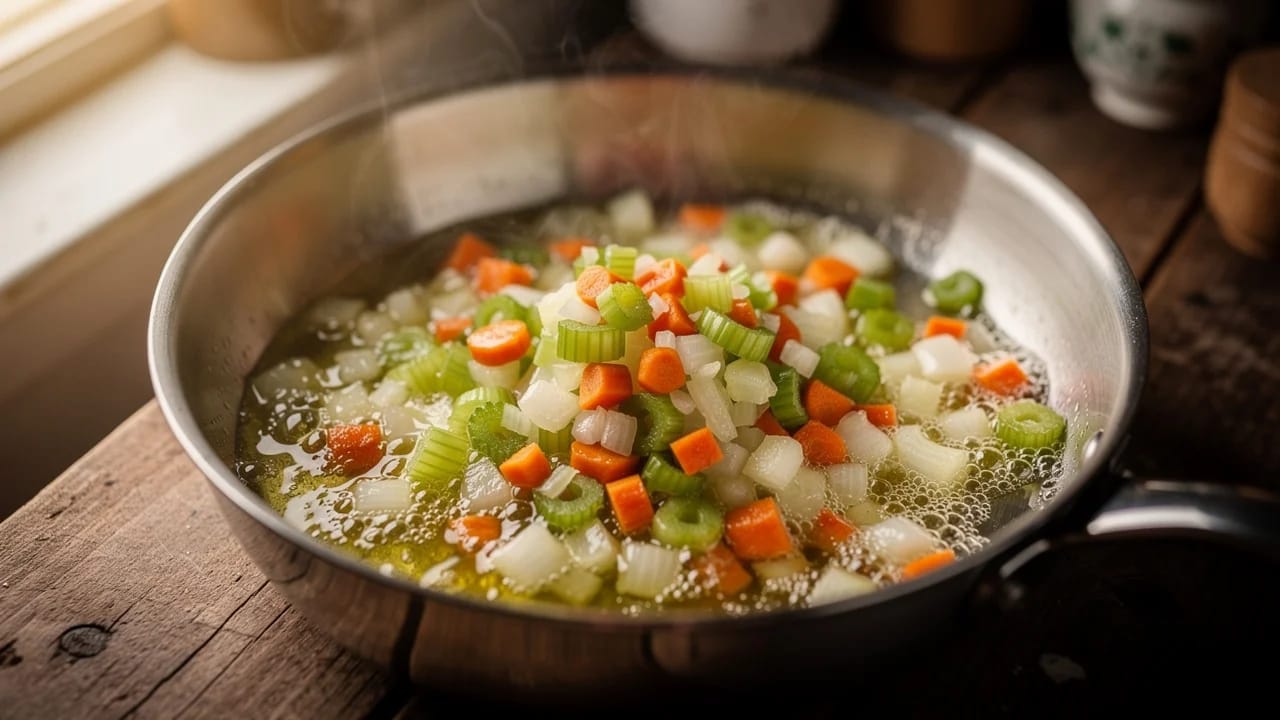
Sweating vegetables means cooking chopped aromatics gently in a little butter or oil until they soften and release moisture without browning. The vegetables should look glossy and tender, often translucent. This mild base works well in soups, stews, sauces, and braises.
The name comes from the moisture that appears on the vegetables as they cook. Gentle heat softens their raw edge while keeping browned flavors out of the dish.
What does sweating mean in cooking?
Sweating means cooking vegetables slowly in a small amount of fat over low heat so they soften and release moisture without taking on color. This matches the culinary distinction summarized in the references behind the technique. You're after tenderness, not the golden brown of caramelization or the crust of a sear.
The low temperature separates sweating from other pan techniques. Keep the heat gentle enough for a quiet sizzle. If the vegetables start to brown, lower the heat. A small pinch of salt is optional, but it can help draw moisture to the surface.
Onions are the classic example. Stop when they are soft and translucent rather than relying on one exact time: the cut, pan, heat, and batch size all change the pace.
Why do you sweat vegetables?
Sweating softens the raw bite of aromatics without adding the roasted notes that come with browning. That makes it useful when onion, leek, or celery should support the dish instead of dominating it.
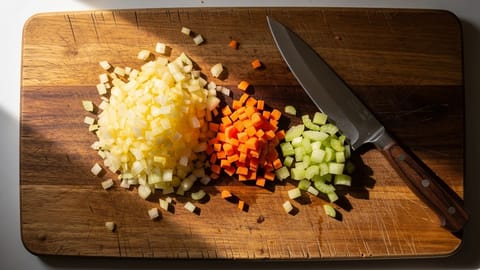
It also starts the aromatic base before liquid goes into the pan. A French mirepoix or a sofrito may begin this way, depending on the recipe and the result you want.
How do you sweat vegetables step by step?
The method is simple. Heat control matters most.
The lid is a control, not a rule. Covering the pan retains moisture and can help a dense batch soften without coloring. Leaving it uncovered lets moisture evaporate, so stir more often and lower the heat if the edges begin to brown.
Tip: A small pinch of salt can help draw moisture from the vegetables. Treat it as seasoning, not a shortcut, and account for salt added later in the recipe.
How long does it take to sweat vegetables?
For a small batch of finely cut onion, the first useful checkpoint is often around 5-10 minutes. Treat that as a range, not a deadline. Larger pieces, denser vegetables, and a crowded pan take longer.
Use the finish cues: the pieces have softened, moisture is visible or has begun to evaporate, and there is little or no color. Garlic cooks faster than onion and can turn bitter if it scorches, so many recipes add it later. Follow the recipe when it calls for a different order.
What is the difference between sweating and sautéing?
The difference comes down to heat and color. Sweating uses low heat to soften without browning; sautéing uses higher heat to brown and develop flavor through the Maillard reaction.
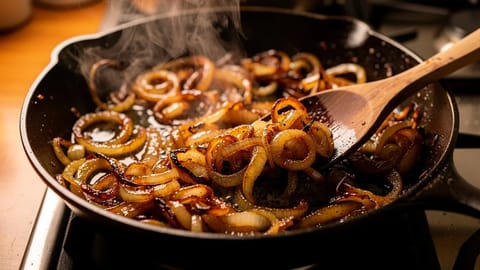
Sweating and caramelizing aim for different results. Sweat aromatics when you want tenderness without color. Keep cooking toward deep browning when the recipe calls for caramelized flavor.
What are common sweating mistakes?
The heat is too high. Sweating happens at low to medium-low heat. Drop the temperature, add a splash of water if needed, and cover the pan to bring it back under control.
They need more gentle cooking. Continue until they are tender and translucent, checking the texture rather than the clock.
The garlic scorched. Add it later than slower-cooking vegetables and stop when it smells aromatic, unless the recipe gives another cue.
Lower the heat if needed and cover the pan briefly. A small pinch of salt can also help draw moisture to the surface.
Tips for sweating vegetables
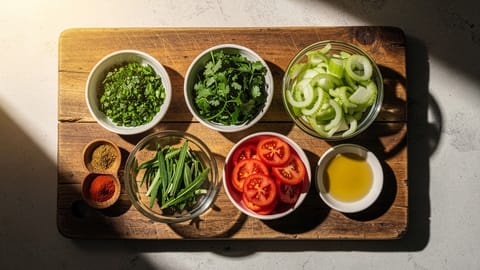
Sweating often appears at the start of a risotto, soup, or sauce. A tidy mise en place helps because the next ingredient may need to go in as soon as the aromatics are tender.
Sweating in Fond
Fond hasn't launched yet. This is how it will work at launch. Join the waitlist for early access.
Fond's cook mode shows the recipe's instructions and any available step timers. When a step says to sweat vegetables, use the visual cue alongside the timer: tender and translucent with little or no browning.