 Bastien
Mirepoix
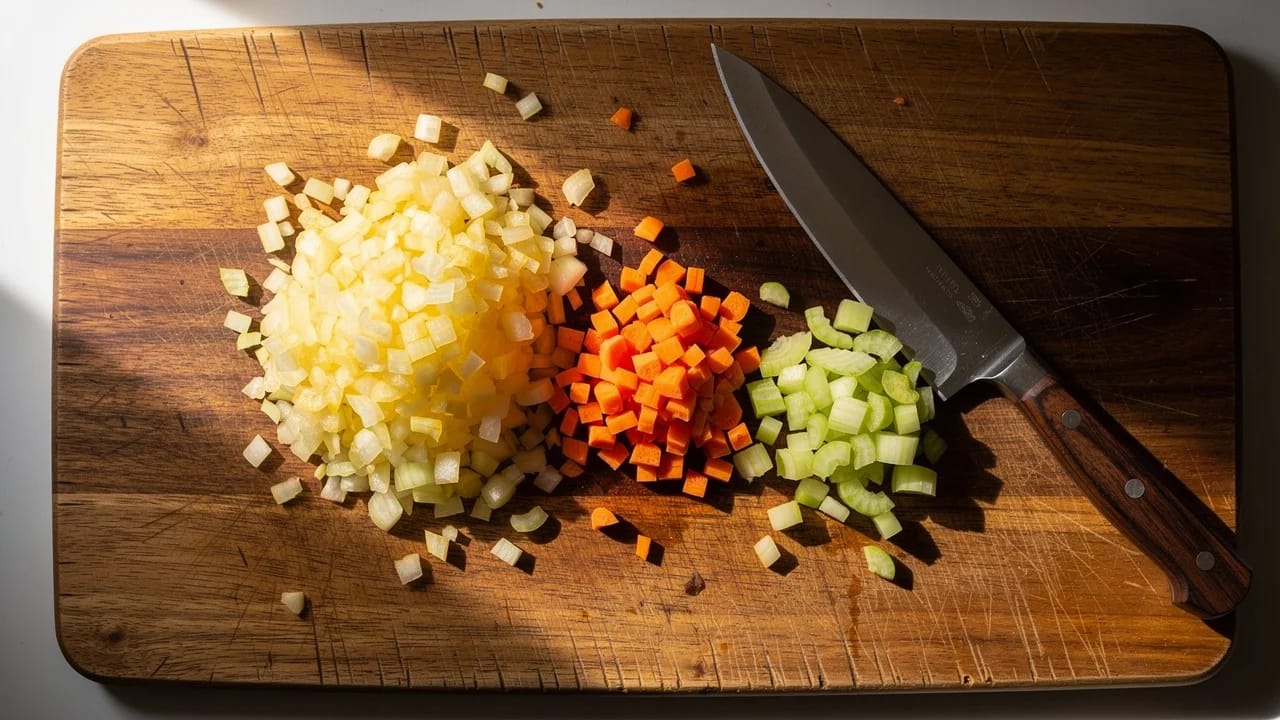
Mirepoix is the classical French aromatic base of diced onion, carrot and celery, traditionally in a 2:1:1 ratio, cooked slowly in fat without browning to flavor stocks, soups, sauces and braises.
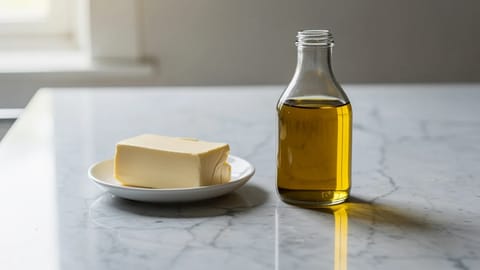
Mirepoix is a mixture of diced onion, carrot and celery cooked slowly in fat (usually butter or oil) over low heat without browning, used as the flavor foundation of French stocks, soups, sauces and braises. The traditional ratio is two parts onion to one part carrot and one part celery. The gentle cook matters as much as the proportions: the aim is to sweeten the vegetables and draw out their aroma, not to caramelize them.
What is mirepoix?
Mirepoix is a technique more than a recipe. It is the act of dicing onion, carrot and celery and cooking them gently in fat as the first step of a larger preparation. The vegetables are rarely meant to be tasted on their own at the end. They release sugars and aromatic compounds into the fat and the cooking liquid, and in most stocks they are strained out entirely.
The name dates from the 18th century and comes, as Wikipedia notes, from the aristocratic employer of the cook credited with establishing it: Charles-Pierre-Gaston François de Lévis, duc de Lévis-Mirepoix (1699-1757), a French field marshal and ambassador. The cook's name has not survived. The duke's family took its title from the town of Mirepoix in Ariège, in the south of France, which it had held since the 11th century. Pierre Larousse, quoted in The Oxford Companion to Food, was unimpressed by the duke himself and called him "an incompetent and mediocre individual" whose one claim to fame was giving his name to a sauce.
Note: Historically the word covered preparations that included meat, such as ham or bacon, before it settled into today's vegetable-only meaning. A mirepoix that still includes diced ham or bacon and is served with the dish is called a matignon.
What is the ratio for mirepoix?
The traditional ratio is 2 parts onion to 1 part carrot and 1 part celery. Onion carries the most sugar and the most sulfur-based aroma of the three, so it takes the largest share.
You will also see the ratio written as "50-25-25". Weighing is more consistent than cups, because diced carrot packs tighter than diced onion. That said, nobody's stock has been ruined by a slightly onion-heavy mirepoix. Treat the ratio as a convention.
Dice size depends on cooking time
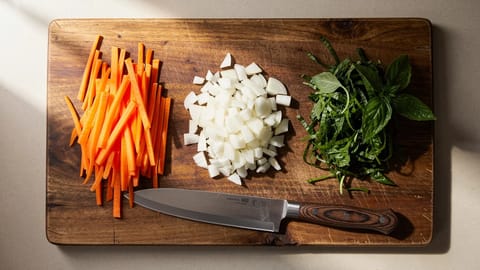
There is no single correct dice. The vegetables should be cut according to how long they will cook, which is why most French references describe mirepoix as "gros dés", large dice. For stocks and braises that simmer two to four hours, 1-1.5 cm cubes hold together long enough to give up their flavor. For a quick pan sauce that cooks in ten minutes, a finer 5 mm dice releases flavor faster. For a stock that simmers all day and gets strained, rough 2-3 cm chunks are fine. Uniform size matters more than perfect cubes, because pieces of the same size cook at the same rate. If you want a refresher on the cuts themselves, see the knife cuts guide.
How is mirepoix made?
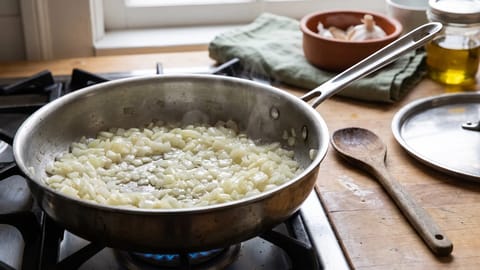
Mirepoix is sweated: cooked slowly in fat over low heat with a pinch of salt, often covered or partially covered, until the vegetables are soft and translucent without any browning.
The visual cue at the end is uniformly soft, translucent vegetables with no browning. If the onion has gone golden, the heat was too high or the pan too crowded. Nothing is ruined, but you have crossed into different flavor territory, closer to the caramelized base of a French onion soup.
When to brown instead
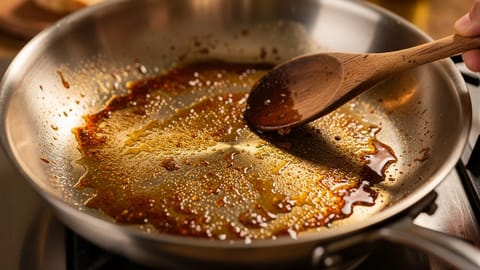
Some dishes want a browned mirepoix. Brown stock, the base for demi-glace and dark sauces, starts with mirepoix roasted alongside the bones until deep golden, which adds color and depth through the Maillard reaction. Braises usually start with the mirepoix cooked in the pan after searing the meat, where it picks up the fond before you deglaze. Cooking the mirepoix further with a spoonful of tomato paste until it darkens is a classical step called pinçage. The dish decides which version you want.
Mirepoix vs sofrito vs holy trinity
Most cuisines have their own aromatic base, and the differences say a lot about the cuisine.
The Cajun and Louisiana Creole holy trinity is onion, bell pepper and celery, the base for gumbo, jambalaya and étouffée. Italian soffritto usually means onion, carrot and celery too, cooked in olive oil, though it belongs to its own tradition rather than being mirepoix under another name. Sofrito varies most of all, from the Spanish onion-garlic-tomato version to Puerto Rican blends with peppers and cilantro.
Tip: When a recipe just says "aromatics" or "chopped vegetables" without specifying, mirepoix is a safe default. The onion-carrot-celery combination suits almost any savory dish built on a simmered liquid, from chili to risotto to bolognese.
What is mirepoix used for?
Mirepoix appears at the start of most French recipes that involve simmering, braising, or building a stock or sauce.
- Stock: the most common use. Mirepoix simmered with bones and aromatics becomes the backbone of most French stocks and, through them, of the derivative sauces. It is strained out before the stock is reduced.
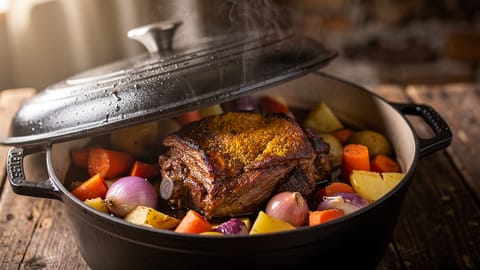
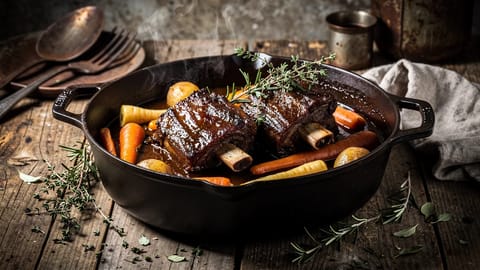
- Braises: sear the meat, remove it, cook the mirepoix in the fond, then add wine and stock and return the meat. Over a long cook the vegetables break down and give the sauce body.
- Soups: cream soups, vichyssoise and most puréed vegetable soups start with sweated mirepoix, sometimes the white version to keep the color pale.
- Roasting bed: a coarse mirepoix under a roasting chicken or pork loin lifts the meat off the pan and flavors the drippings for a pan sauce.
- Mother sauces: espagnole and its derivative demi-glace, among the French mother sauces, are built on browned mirepoix and a roux.
How to store and prep mirepoix
Mirepoix scales well, which is why restaurants dice it in bulk during mise en place and why home cooks who use it often keep some ready.
Frozen mirepoix can go straight from the bag into hot fat. It sweats almost as well as fresh, since freezing breaks down the cell walls and the vegetables soften quickly. The texture is softer, which does not matter in anything that will simmer for an hour.
Common mistakes with mirepoix
The heat was too high. Sweating wants medium-low at most. If the onion starts to color, lower the heat and add a tablespoon of water to slow things down. Browned mirepoix tastes fine, but it is a different ingredient.
The carrot was cut larger than the celery, or it went in at the same time. Give carrot a few minutes' head start, and aim for uniform dice.
The pan was crowded and the vegetables steamed instead of sweating in fat. Use a wider pan or work in two batches.
Either high heat scorched the onion's surface, or the onion was old. Yellow onions are the standard for mirepoix. Red onions add color and taste sharper when sweated.
For long braises and stocks, that is expected. Mirepoix is supposed to break down. If the recipe wants the vegetables to hold their shape on the plate, you wanted a brunoise or small dice added later, not mirepoix.
How mirepoix relates to other foundations
Mirepoix sits alongside the roux, the mother sauces, stock and clarified butter as one of the handful of preparations that quietly do the flavor work across the French repertoire. None of them is a dish by itself. All of them are part of why classical French food tastes the way it does.
Note: Plenty of home cooks skip diced bases because they feel like restaurant overhead. The argument for them is consistency. Once a 2:1:1 dice is a habit, a weeknight braise tastes closer to a restaurant version than any single ingredient swap will get it. The technique is invisible on the plate, but the difference is there.