 Bastien
Sofrito
Sofrito is a family of aromatic cooking bases. Ingredients and treatment vary by cuisine, from Spanish onion-and-tomato preparations to Puerto Rican blends rich in peppers and herbs.
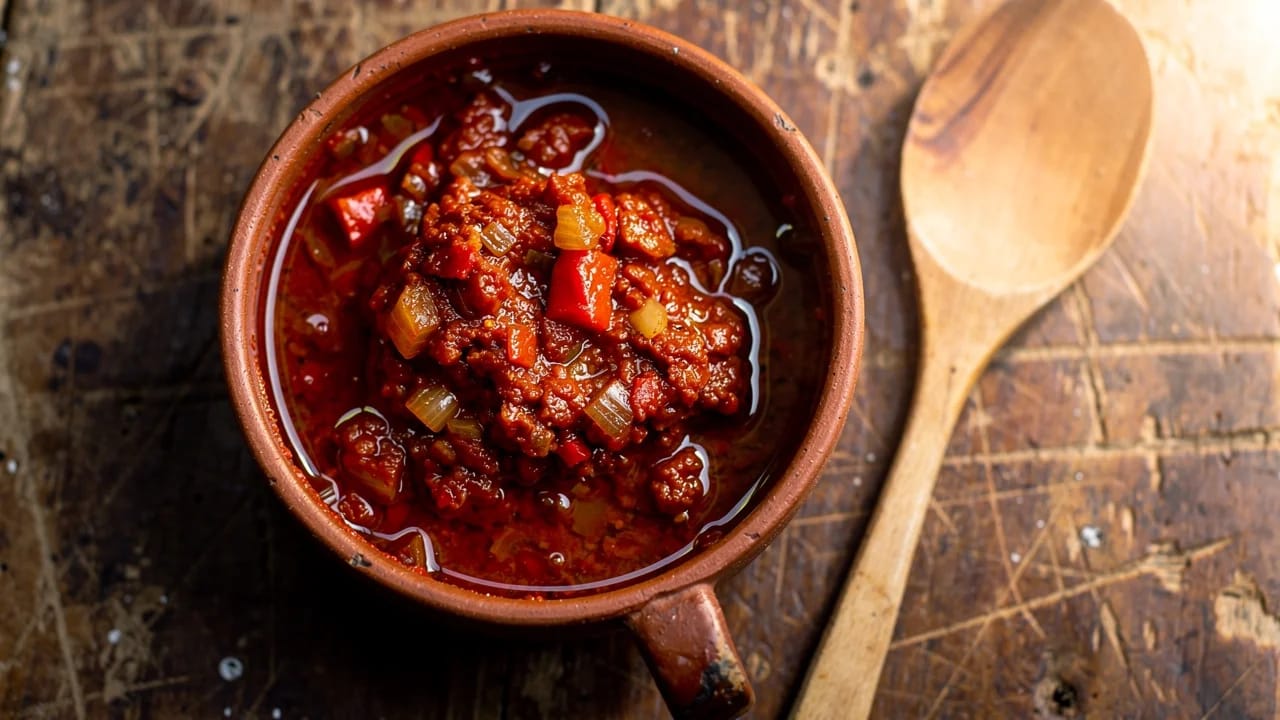
Sofrito is a family of aromatic preparations used to start rice dishes, beans, sauces, soups, and braises. It is not one fixed blend. In Spain, the word often points to ingredients gently fried in oil; many tomato-based versions begin with onion and garlic. In Puerto Rico, sofrito commonly means a blended mixture of onion, peppers, garlic, cilantro, and culantro. The ingredients, texture, and cooking stage depend on the cuisine and the recipe.
This guide explains those differences and gives you one dependable Spanish-style tomato sofrito to cook. Treat the formula as a practical starting point, not as the definition of every sofrito.
What is sofrito?
The verb behind the name, sofreír, means to fry lightly. The RAE also defines sofrito as a condiment added to a stew and made from ingredients fried in oil, especially onion or garlic. That broad definition is useful: it describes a technique and a role in a dish without pretending that every cook uses the same vegetables.
Three ideas help make sense of the term:
- Spanish and Catalan preparations: recipes often cook onion and sometimes garlic in olive oil, then add tomato. Pepper, paprika, herbs, or other ingredients may appear according to the region and dish.
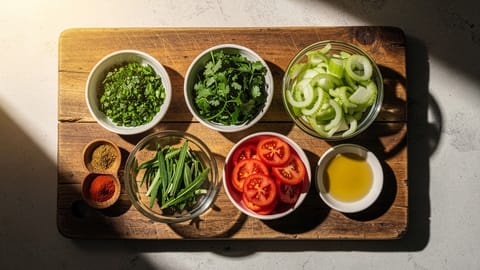
- Puerto Rican preparations: a fresh blended base commonly contains onion, peppers, garlic, cilantro, and culantro, called recao in Puerto Rico. Ají dulce is characteristic when available. Exact formulas and the use of the names sofrito and recaíto vary.
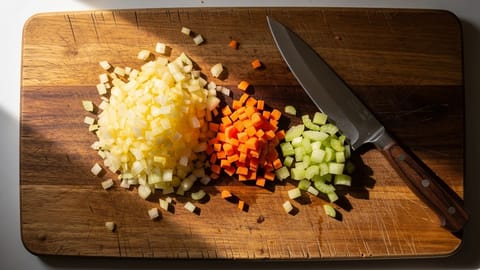
- Italian soffritto: the Italian spelling has two f's. A classic version uses finely chopped onion, carrot, and celery gently cooked in fat, although Italian recipes also vary.
The shared principle is to prepare aromatics in fat before the main liquid or bulk ingredients arrive. The word does not guarantee tomato, pepper, a green color, a long cooking time, or a particular ratio.
Search note: Greek sofrito is another dish entirely. On Corfu, it is thinly sliced veal or beef in a white sauce flavored with garlic, parsley, wine, and vinegar. It is not an aromatic vegetable base.
What goes in sofrito?
Instead of looking for one definitive list, match the mixture to the recipe's culinary context.
That table describes common patterns, not rules. A Spanish recipe may omit tomato. A Puerto Rican family formula may include or exclude ingredients another family considers essential. Recao can mean culantro itself, while recaíto and sofrito may overlap in everyday use. Read the actual recipe rather than using the labels as a substitution chart.
Italian soffritto is closer in ingredient pattern to a mirepoix, because both often combine onion, carrot, and celery. They are still culinary terms with their own contexts, not exact translations with a mandatory ratio.
How to make a Spanish-style tomato sofrito
This version is sized as a flexible base for several meals. Have the vegetables chopped before heating the pan; a simple mise en place matters because garlic can burn while you are still grating the tomato.
Ingredients
- 3 tablespoons olive oil
- 1 medium onion, finely diced
- 2 garlic cloves, minced
- 400g ripe tomatoes, grated, or canned crushed tomatoes
- Salt
- Optional: finely diced sweet pepper or a small pinch of sweet paprika, if it suits the final dish
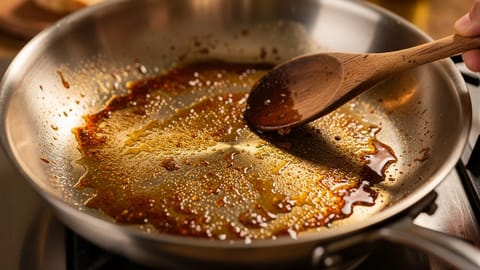
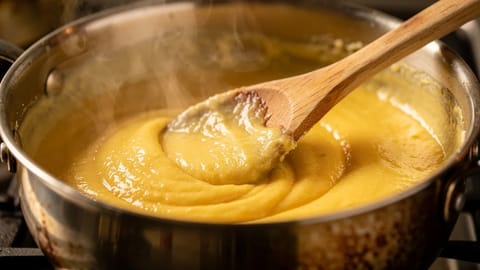
The finish is determined by appearance, not a universal timer. Drag a spoon across the pan: the trail should stay visible briefly instead of filling immediately with watery tomato. Stop earlier for a loose sauce base or continue gently for a thicker rice or stew base.
Is sofrito caramelized?
Not necessarily. Softening, water loss, browning, and caramelization are different processes. This method starts by softening the onion with little color and then concentrates tomato by evaporating water. Some browning can occur in a long, drier cook, but calling all darkening “caramelization” is misleading.
The Maillard reaction becomes more noticeable when a relatively dry food surface reaches higher heat. Wet tomato limits surface temperature until much of its water is gone. If the base sticks and turns black, that is burning, not useful flavor development.
What is sofrito used for?
Use sofrito where a recipe needs a prepared aromatic layer. The amount depends on how concentrated the batch is and what else is in the dish, so start with a spoonful, taste, and add more as needed.
- Rice dishes: cook the chosen sofrito according to the recipe before adding rice and stock or broth. Paella, arroz con pollo, and arroz con gandules do not all use the same base.
- Beans and lentils: stir sofrito into the cooking liquid or warm it in the pot before adding cooked legumes.
- Soups and stews: use it as the aromatic stage before the main liquid. Match a tomato-rich version to dishes that can support its acidity and color.
- Braised meat or vegetables: add sofrito after searing and before the braising liquid, taking care not to burn the concentrated tomato on a hot pan.
- Eggs and quick meals: warm a small amount as a sauce for eggs, grains, or vegetables, then adjust seasoning in the finished dish.
Puerto Rican sofrito is often added as a seasoning base and cooked with the dish. A prepared Spanish-style tomato sofrito has already been reduced. They may serve similar roles, but swapping one for the other changes the herbs, sweetness, acidity, and color.
How to store homemade sofrito safely
Sofrito is convenient to batch, but oil does not make a room-temperature preserve. FoodSafety.gov advises refrigerating cooked leftovers promptly in shallow containers and using them within four days. Freeze anything you will not use in that window.
Freezer timing is mainly about quality when food remains continuously frozen. Aroma and texture gradually decline, so make portions small enough to rotate regularly rather than promising a fixed period with “no flavor loss.”
Sofrito vs soffritto vs mirepoix
These terms describe related strategies, not globally standardized recipes.
A classic Italian soffritto often resembles the onion-carrot-celery pattern, gently cooked in olive oil or butter. A Spanish-style tomato sofrito is more concentrated and acidic. Puerto Rican sofrito is herbaceous and pepper-forward. Similar names do not make them one-to-one substitutes.
Common sofrito problems
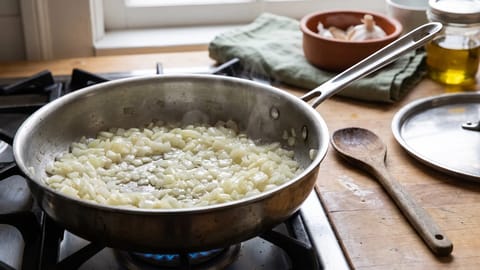
Give the onion enough gentle cooking time before adding tomato. Add garlic later so it can lose its raw edge without burning.
It probably browned too far. Lower the heat and add garlic shortly before the tomato, which cools the pan and adds moisture.
Use a wider pan and cook uncovered. Stir more often near the end, when the mixture is thick enough to catch on the bottom.
Do not scrape black residue into the mixture. Transfer the unburned portion to a clean pan and continue at lower heat; start over if the bitter flavor has spread.
Check the intended style. A green Puerto Rican blend, a Spanish tomato base, and an Italian soffritto bring different ingredients. The recipe name alone is not enough.
Where sofrito fits among cooking foundations
Sofrito belongs to a broad family of preparations that build flavor before a dish is complete. Mirepoix supplies cut aromatics. A roux thickens with flour and fat. Fond is the browned residue dissolved from a pan. Each solves a different problem.
The practical rule is simple: identify which sofrito the recipe expects, prepare it at the right stage, and judge doneness by texture and aroma rather than forcing every regional version into one formula.