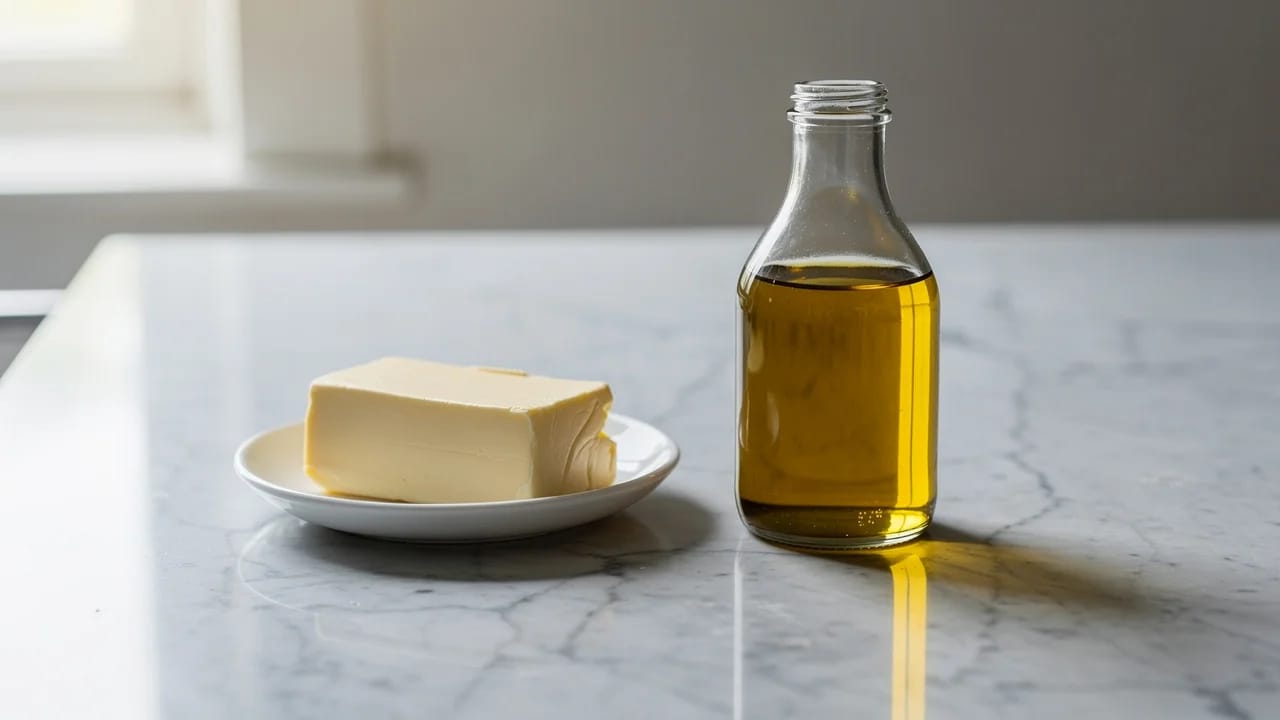
 Bastien
Butter vs oil: when to use each in cooking and baking
Butter and oil each have strengths in the kitchen. Butter brings flavor, browning, and flaky pastry. Oil brings higher heat tolerance, moisture, and a longer shelf life. Knowing when to reach for each — and when to combine them — makes every dish better.
Every time you start cooking, there's a quiet decision: butter or oil? It sounds simple, but it shapes the outcome of your dish more than most people realize. Butter brings flavor, browning, and richness. Oil brings heat tolerance, clean texture, and flexibility. They're not interchangeable. And once you understand what each one does well, you stop guessing and start choosing.
Here's what this guide covers: smoke points, flavor differences, baking substitutions with exact ratios, a health comparison, and a quick-reference chart you can bookmark. If you're specifically trying to pick between different oils, the cooking oil smoke points guide goes deeper on that.
Smoke points: where butter hits its limit
Heat tolerance is the single biggest practical difference between butter and oil. Butter has milk solids that brown gorgeously at moderate temperatures but scorch fast past a certain point. Those solids start burning around 300-350°F (149-177°C). That's why butter smokes and turns dark in a ripping-hot pan.
Most cooking oils handle much more heat:
What this means in practice: If you're searing a steak in a cast iron skillet at 450°F+, butter alone will burn before the crust forms. Grab a high-smoke-point oil instead, or drop the butter in during the last 30 seconds to baste and add flavor without scorching. The full breakdown lives in the smoke points chart.
Ghee is the exception worth knowing about. Stripping out the milk solids keeps butter's rich flavor while pushing the smoke point to 485°F (252°C). I switched to ghee for searing about a year ago and haven't looked back. You get that buttery richness on the crust without any of the dark burnt specks.
When butter wins
Butter isn't pure fat. It's roughly 80% fat, 15% water, and 5% milk solids. That extra stuff makes it behave differently from oil, and for certain tasks, that behavior is exactly what you want.
Flavor and browning
Those milk solids undergo the Maillard reaction at moderate heat. That's where the nutty, caramelized flavor comes from: brown butter pasta, beurre noisette sauces, butter-basted steaks. Oil simply can't produce that. When flavor matters most, like finishing a pan sauce, toasting breadcrumbs, or sauteing mushrooms until golden, butter adds something no neutral oil can.
Take it a step further with brown butter. Melt butter in a light-colored pan over medium heat, swirling occasionally, until the solids turn golden-amber and the kitchen smells like toasted nuts. Takes about 3-5 minutes. That's beurre noisette, and it transforms everything from sage pasta to blondie batter. The first time I browned butter intentionally, I remember thinking: "So this is what restaurant food tastes like."
Baking structure
Butter pulls double duty in baking. The water inside creates steam, the force behind flaky croissant layers, tender pie crusts, and tall biscuits. And because butter is solid at room temperature, you can cream it with sugar to trap air bubbles, which is how cakes get their lift. Oil does neither.
Butter is the right call for:
- Flaky pastry (pie crust, puff pastry, croissants)
- Creamed cakes where structure depends on trapped air
- Cookies where you want chew in the center and crisp edges
- Buttercream frostings and shortbread
Emulsification and sauces
Butter emulsifies sauces in ways oil can't touch. Whisk a few cubes of cold butter into a pan sauce and watch it turn glossy and cohesive. The fat and water in butter work together as a natural emulsifier. French kitchens call this monter au beurre, and it's one of those techniques that feels like magic. One tablespoon of cold butter swirled into a wine reduction turns it from thin liquid into velvety sauce.
When oil wins
Oil is pure fat. No water, no milk solids, no protein. That simplicity gives it real advantages in certain situations.
High-heat cooking
Whenever you need temperatures above 375°F (191°C) for stir-frying, deep frying, or hard searing, oil is the only sensible choice. It won't smoke, won't burn, and won't leave dark flecks on your food. For wok cooking, a neutral oil with a high smoke point (peanut, avocado, or canola) isn't optional.
Moisture and tenderness in baking
Oil-based cakes and muffins stay moist far longer than butter-based ones. Since oil stays liquid at room temperature, it coats flour proteins more evenly and keeps the crumb tender a day or two later. That's the reason carrot cake, banana bread, and olive oil cake call for oil. I've done side-by-side tests with banana bread: the oil version was still soft on day three while the butter version had gone noticeably dry by day two.
Oil is the better choice for:
- Moist, tender cakes (carrot cake, olive oil cake, chiffon cake)
- Muffins and quick breads that need to hold up overnight
- Deep frying and stir-frying
- Vinaigrettes and cold preparations
- Any recipe where you want the fat to stay invisible
Neutral flavor
Sometimes fat should just disappear. A stir-fry loaded with ginger, garlic, and soy sauce doesn't need butter elbowing in. Oil stays quiet and lets everything else do the talking.
Combining butter and oil
Here's what pros actually do: they use both. Butter for flavor, oil for heat stability, in the same pan.
The technique: Add a tablespoon of oil first and heat until shimmering. Then drop in a tablespoon of butter. The oil lets the pan get hotter without the butter burning, while the butter brings all its flavor and browning power. This is how most restaurant kitchens pan-fry chicken cutlets, fish fillets, and pork chops.
Classic pairings:
- Pan-frying fish: Equal parts butter and olive oil. The oil prevents burning; the butter adds golden color and richness.
- Sauteing vegetables: Start with oil over medium-high heat. Toss in butter during the last two minutes for flavor and gloss.
- Basting steaks: Sear in avocado or canola oil. With 60 seconds left, add butter, a crushed garlic clove, and a sprig of thyme. Tilt the pan and spoon that foaming butter over the meat repeatedly. If you've ever wondered how steakhouses get that flavor, this is it.
A quick note: oil doesn't actually raise butter's smoke point. The milk solids still scorch at the same temperature. But oil lets the pan get hot before the butter goes in, and spreading the butter thinner means fewer milk solids concentrated in one spot to burn.
Butter vs oil in baking: substitution ratios
Can you substitute butter for oil in baking? Yes, and the other way around. Swapping one for the other changes texture, flavor, and structure, but these ratios will get you close.
Substituting oil for butter
Ratio: use 3/4 the amount of oil.
A recipe calling for 1 cup (227g) of butter? Use 3/4 cup (180ml) of oil. Butter is only about 80% fat. Oil is 100% fat, so you need less of it.
| Butter | Oil equivalent |
|---|---|
| 1 tablespoon (14g) | 2 1/4 teaspoons (11ml) |
| 1/4 cup (57g) | 3 tablespoons (45ml) |
| 1/2 cup (113g) | 6 tablespoons (90ml) |
| 1 cup (227g) | 3/4 cup (180ml) |
Use Fond's unit converter for quick weight-to-volume conversions when scaling these ratios.
What changes: Expect denser, moister results. Without creaming, cakes won't rise quite as high. Cookies spread less and come out softer.
Best for: Quick breads, muffins, brownies, and simple cakes where moisture matters more than lift.
Substituting butter for oil
Ratio: use 1 1/4 the amount of melted butter.
If a recipe wants 1 cup (240ml) of oil, use 1 1/4 cups (283g) of melted butter. The extra accounts for the water in butter that evaporates during baking.
| Oil | Butter equivalent |
|---|---|
| 1 tablespoon (15ml) | 1 1/4 tablespoons (18g) |
| 1/4 cup (60ml) | 5 tablespoons (71g) |
| 1/2 cup (120ml) | 10 tablespoons (142g) |
| 1 cup (240ml) | 1 1/4 cups (283g) |
What changes: You get richer flavor and a hint of dairy. The water content produces more steam, sometimes making the crumb a touch lighter. Cookies spread more and get crispier edges.
Best for: Any recipe where you'd rather have richer flavor and can live with a slightly different texture.
Health comparison: butter vs oil
Neither is a villain. Context and portion size matter far more than picking sides. That said, their fat profiles look quite different.
| Nutrient (per tablespoon) | Butter | Olive oil | Canola oil |
|---|---|---|---|
| Calories | 102 | 119 | 124 |
| Total fat | 11.5g | 13.5g | 14g |
| Saturated fat | 7.3g | 1.9g | 1g |
| Monounsaturated fat | 3g | 9.9g | 8.9g |
| Polyunsaturated fat | 0.4g | 1.4g | 3.9g |
| Cholesterol | 31mg | 0mg | 0mg |
Source: USDA FoodData Central
What stands out:
- Butter is 63% saturated fat. The American Heart Association recommends keeping saturated fat under 6% of daily calories.
- Olive oil and canola oil lean heavily toward mono- and polyunsaturated fats, linked to better cardiovascular health.
- Butter does contain fat-soluble vitamins A, D, E, and K. Grass-fed butter has notably more vitamin K2 and conjugated linoleic acid (CLA).
- Olive oil is packed with polyphenols, antioxidant compounds tied to lower inflammation.
For weight loss specifically, the calorie difference per tablespoon is small (102 vs 119-124). The bigger factor is how much you use. Oil-based cooking tends to need less fat overall because there's no water content to account for.
A practical approach: Reach for butter where its flavor and function truly matter (sauces, pastry, finishing dishes). Use olive oil or another plant-based oil as your daily cooking fat. You don't need to ban either one.
Quick reference: butter or oil?
The bottom line
This isn't about crowning a winner. It's about matching the fat to what you're cooking. Butter owns flavor, browning, and pastry structure. Oil owns high heat, lasting moisture, and clean-flavored dishes. Combining them is often the smartest move of all.
Keep both within arm's reach. Grab the butter when flavor and structure drive the dish. Grab the oil when you need heat tolerance or day-two softness. Most home cooking forgives a swap without anyone tasting the difference.
Save your favorite recipes with the right fat ratios in Fond so you always know whether to reach for the butter dish or the oil bottle.
Sources
Cook smarter
Join the waitlist for Fond. Recipes, meal plans, and a little AI sous-chef that learns how you cook.
Related articles
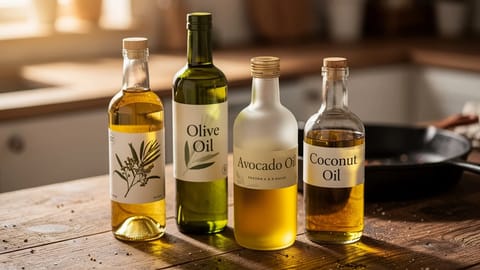
Cooking oil smoke points: the complete guide for every cooking method
Every cooking oil has a temperature limit. Push past it and you get bitter flavors, acrid smoke, and potentially harmful compounds filling your kitchen. That temperature limit is called the smoke point, and knowing it is the difference between a perfect sear and a smoking disaster.
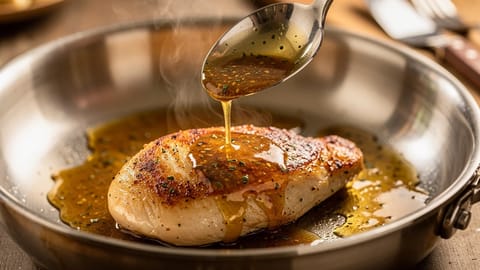
How to make a pan sauce: deglazing 101
A pan sauce turns the browned bits stuck to your skillet into a rich, flavorful sauce in under five minutes. Learn the technique, choose your deglazing liquid, and master pan sauces for chicken, steak, pork chops, and mushrooms.
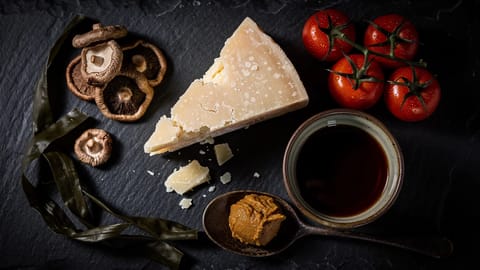
What is umami? The fifth taste explained for home cooks
You know the taste. That deep, savory richness in a slow-cooked broth, a chunk of aged parmesan, or a spoonful of miso stirred into soup. It's the reason tomato sauce tastes better after simmering for hours and why a dash of soy sauce transforms a stir-fry. That taste has a name: umami.
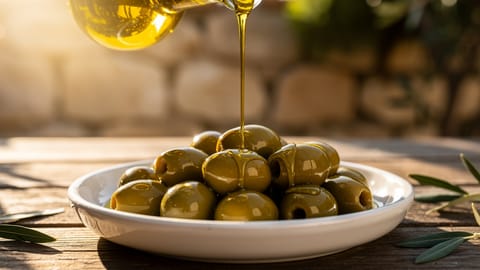
Olive Oil
A versatile cooking fat pressed from olives, available in grades from extra virgin (best for finishing) to refined (best for high-heat cooking).
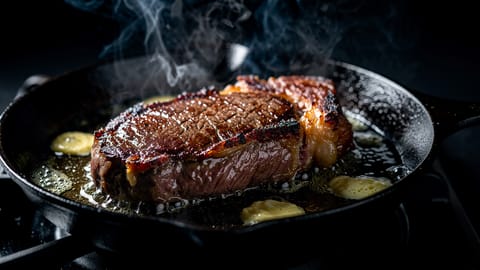
Searing
High-heat browning technique that creates a flavorful Maillard crust on meat, fish, or vegetables.
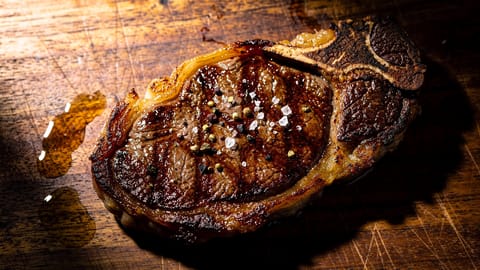
Maillard Reaction
The chemical reaction between amino acids and sugars that occurs when food is heated, creating the brown color and complex flavors of seared meat, toasted bread, and roasted coffee.
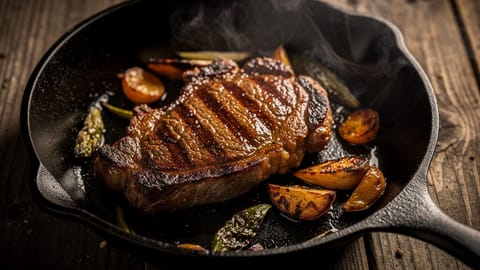
Cast Iron Skillet
A heavy, durable pan made from molten iron that excels at heat retention and develops a natural non-stick surface over time.