 Bastien
Spice pairing chart: what goes with what
A spice pairing chart for 14 everyday foods, 8 classic combinations, a yes-or-no table for the pairs people ask about most (cumin and dill, cumin and thyme, cinnamon and nutmeg), plus the aroma-compound science behind why some spices click.
TL;DR: Pick one lead spice, support it with 1-3 quieter ones, and match the family to the food: earthy (cumin, coriander) for meat and legumes, warm (cinnamon, nutmeg) for baking and squash, bright (dill, lemon zest) for fish, pungent (ginger, garlic, chili) for stir-fries. The chart below covers 14 foods; the yes-or-no table answers the pairs people search for most; the rest explains why it works.
A spice pairing chart answers one question fast: you're holding an ingredient, and you want to know which jars to open. This page is that chart, for 14 everyday foods and 8 classic combinations, with the science underneath so you can improvise past it. Most "creative" pairings turn out to be versions of the same four cuisine templates. That's not a failure; it's how pairing works.
What spices go with what food?
| Food | Reach for | Also works |
|---|---|---|
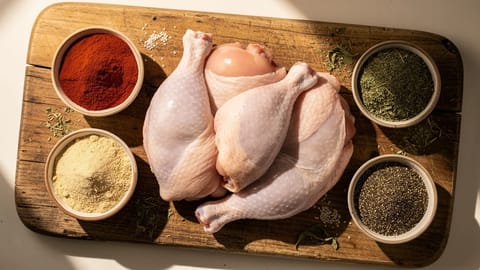
| Chicken | Paprika, garlic, thyme | Cumin, coriander, lemon zest, rosemary |
| Beef | Black pepper, garlic, rosemary | Smoked paprika, cumin, chili, mustard |
| Pork | Sage, fennel seed, garlic | Paprika, mustard, star anise, cinnamon |
| Lamb | Cumin, rosemary, garlic | Coriander, mint, oregano, ras el hanout |
| White fish | Dill, lemon zest, white pepper | Fennel, tarragon, parsley |
| Salmon | Dill, mustard, black pepper | Smoked paprika, ginger, coriander seed |
| Eggs | Chives, black pepper, paprika | Turmeric, dill, cumin |
| Potatoes | Rosemary, paprika, garlic | Thyme, caraway, turmeric |
| Tomatoes | Basil, oregano, garlic | Fennel seed, chili flakes, smoked paprika |
| Root vegetables | Cumin, thyme, nutmeg | Coriander, ginger, cinnamon |
| Leafy greens | Garlic, nutmeg, chili flakes | Lemon zest, sesame, black pepper |
| Lentils & beans | Cumin, turmeric, bay | Coriander, ginger, garam masala |
| Rice & grains | Turmeric, cardamom, bay | Saffron, cinnamon, clove |
| Baking & desserts | Cinnamon, nutmeg, vanilla | Cardamom, ginger, clove, star anise |
Screenshot it or tape it inside a cabinet door. The "reach for" column is the high-percentage play; the "also works" column is where dishes start tasting like yours.
Which spices pair well together?
Some combinations show up in so many cuisines that they're closer to laws than suggestions:
| Combination | Where it shines |
|---|---|
| Cumin + coriander + paprika | Rubs, chili, taco filling, roasted chickpeas |
| Basil + oregano + garlic | Tomato sauce, pizza, anything Italian |
| Cinnamon + nutmeg + clove | Baking, oatmeal, sweet potatoes |
| Ginger + garlic + chili | Stir-fries, marinades, noodle soups |
| Dill + lemon zest + white pepper | Fish, potatoes, yogurt sauces |
| Rosemary + garlic + black pepper | Roast meat, focaccia, roast potatoes |
| Turmeric + cumin + mustard seed | Dal, curries, rice |
| Sage + nutmeg + black pepper | Butternut squash, pork, brown-butter pasta |
Cumin and coriander are the workhorse pair of the list. The seeds of two related plants, they cover each other's gaps: cumin brings the earthy low end, coriander the citrusy top note. If your rack only has room for one combination reflex, make it that one.
Do these spices go together?
The pairs people ask about most, with a straight answer and the dish that proves it:
| Pair | Together? | Where it works | Watch out for |
|---|---|---|---|
| Cumin + coriander | Yes | Curries, chili, falafel, dukkah | Coriander can go heavier than cumin |
| Cumin + paprika | Yes | Chili, taco seasoning, shakshuka, roasted chickpeas | Smoked paprika pushes it toward barbecue |
| Cumin + turmeric | Yes | Dal, curries, yellow rice | Both lean bitter; bloom them in fat |
| Cumin + ginger | Yes | Curries, lentil soup, carrot soup | Fresh ginger with the aromatics, ground ginger with the spices |
| Cumin + dill | Yes, as contrast | Yogurt sauces, cucumber salad, Persian rice | Add dill at the end; toast the cumin |
| Cumin + thyme | Yes | Roast chicken rubs, bean stews, Cajun blends | Thyme should support, not lead |
| Cumin + cinnamon | Yes, cinnamon in a pinch | Tagines, chili con carne, Mexican braises | Too much cinnamon reads as dessert |
| Cumin + oregano | Yes | Tex-Mex chili, fajitas, black beans | Mexican oregano fits better than Greek |
| Cumin + rosemary | Sometimes | Roast lamb, roast potatoes | Both are loud; keep rosemary to a sprig |
| Cumin + basil | Rarely | Some Middle Eastern salads | Basil belongs with oregano and garlic, cumin with coriander |
| Cinnamon + nutmeg | Yes | Baking, oatmeal, béchamel, squash | Nutmeg past a pinch turns medicinal |
| Cinnamon + paprika | Yes, in savory dishes | Moroccan tagines, lamb kofta | Keep cinnamon to a pinch |
| Cinnamon + garlic | Yes, in savory dishes | Moussaka and pastitsio meat sauce, Moroccan braises | Cinnamon stays in the background |
| Ginger + cinnamon | Yes | Gingerbread, chai, squash soup | Fresh ginger for savory, dried for sweet |
| Garlic + nutmeg | Yes | Creamed spinach, mashed potatoes, gratins | Nutmeg stays in the background |
| Garlic + thyme | Yes | Roast chicken, potatoes, mushrooms | Sliced garlic burns faster than thyme; add it later |
| Nutmeg + thyme | Yes | Pâtés, stuffings, creamy gratins | Nutmeg by the pinch, thyme by the sprig |
| Paprika + oregano | Yes | Grilled chicken, potatoes, tomato sauces | Smoked paprika can swallow the oregano |
| Dill + thyme | Sometimes | Baked fish, roast potatoes | Thyme goes in early, dill at the end |
Notice the pattern: most "yes" answers are cross-family contrasts (earthy cumin with bright dill) or same-family depth (cinnamon with nutmeg). The rare "no" comes from two loud flavors in the same register, which is a quantity problem as much as a pairing problem.
What goes with cumin?
Cumin is the spice most of these questions start with, and it gets along with almost every savory family. Its classic partners are coriander, paprika, chili and garlic (Mexican, Indian and Middle Eastern cooking), oregano (Tex-Mex), turmeric (curries and dal), and cinnamon in small amounts (tagines, chili). It's less natural with sweet baking spices in quantity and with soft European herbs like tarragon or chives, though a pinch of cumin with rosemary works on roast lamb.
Why do some spices work together?
The most-cited answer comes from a 2011 network analysis by Ahn and colleagues, published in Scientific Reports: Western recipes tend to pair ingredients that share aroma compounds, while East and South Asian recipes deliberately combine ingredients that don't overlap. Both strategies work; they're different kinds of harmony.
That maps onto a practical model. Spices cluster into rough families: earthy (cumin, coriander, turmeric), warm-sweet (cinnamon, nutmeg, clove, cardamom, star anise), pungent (ginger, garlic, mustard, chili), herbal-piney (rosemary, thyme, sage, oregano), and bright (sumac, lemon zest, dill). Pairing inside a family gives you depth, like cinnamon with clove. Pairing across families gives you contrast, like cumin's earth against lemon's brightness. Muddy dishes usually come from stacking three earthy spices and no contrast.
How do you build a pairing from scratch?
A blend-building formula that holds up across cuisines:
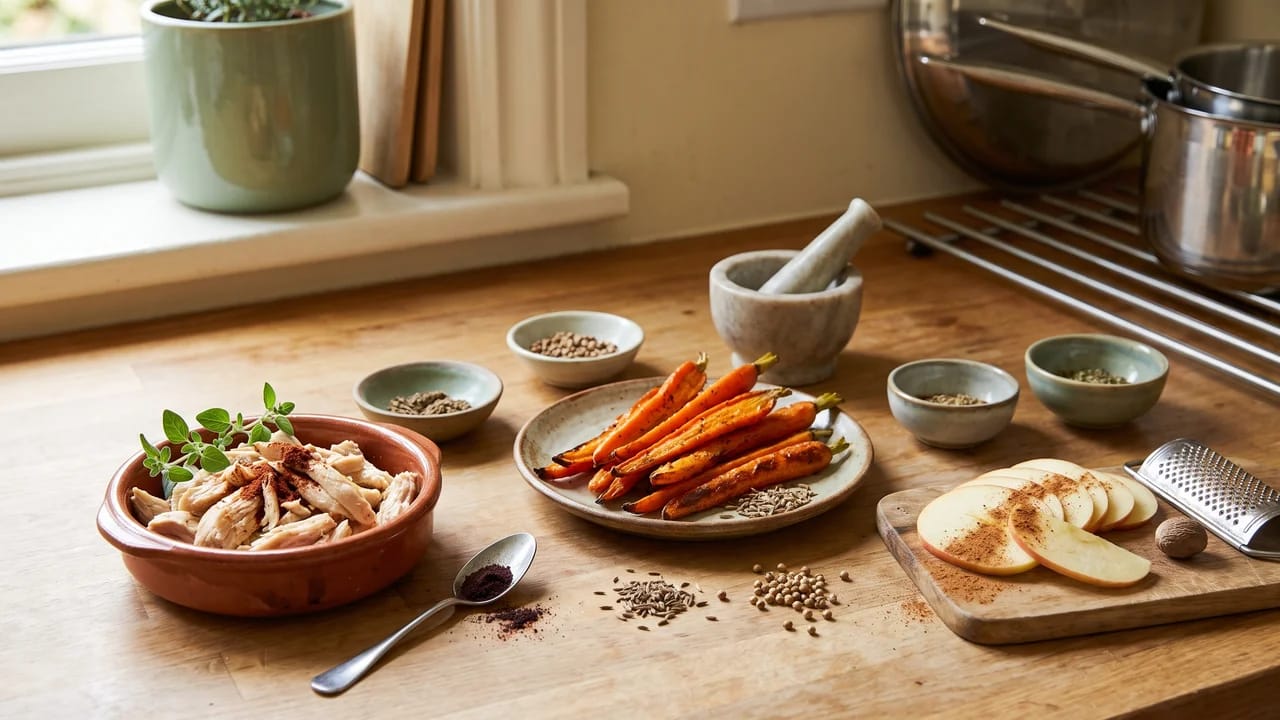
A concrete example: roasted carrots. Lead with cumin (earthy), support with coriander (same family), contrast with cinnamon (warm-sweet). That is the logic of a Moroccan couscous blend, and it is the fastest way to understand cross-family pairing. The aromatics base matters too: many cuisines anchor spices to a cooked vegetable base like mirepoix or sofrito, which rounds off raw edges and carries fat-soluble flavors.
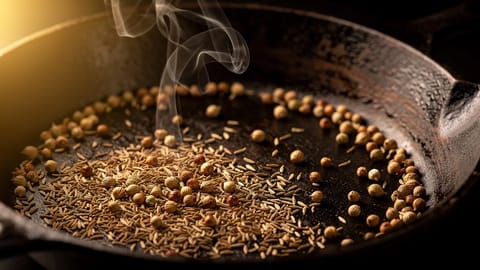
Timing is the other half of the answer. Whole spices and woody herbs go in early; ground spices bloom in fat mid-cook; soft herbs land at the end. The full schedule is in when to add spices during cooking, and toasting and blooming is the single biggest flavor upgrade per minute of effort.
Which spice families define each cuisine?
When you want a dish to taste like a place, borrow its template:
| Cuisine | Core spices and herbs |
|---|---|
| Italian | Basil, oregano, rosemary, fennel seed, garlic, chili flakes |
| French | Thyme, tarragon, bay, black pepper, nutmeg |
| Indian | Cumin, coriander, turmeric, cardamom, mustard seed, garam masala |
| Mexican | Cumin, Mexican oregano, chili varieties, cinnamon, clove |
| Middle Eastern | Sumac, za'atar, cumin, cinnamon, allspice, sesame |
| North African | Ras el hanout, cumin, coriander, ginger, turmeric, saffron |
| Chinese (five-spice) | Star anise, clove, cinnamon, Sichuan pepper, fennel seed |
| Cajun | Paprika, cayenne, oregano, thyme, garlic, black pepper |
These templates are why a chicken thigh can travel: paprika, garlic, and thyme reads roast-dinner; cumin, coriander, and cinnamon reads tagine; ginger, garlic, and chili reads stir-fry. Same meat, different passport. For deeper coverage of the jars themselves, the essential spices guide ranks the 15 worth owning, and proper storage keeps them potent enough to matter.
What spices don't go together?
Fewer than the internet claims. Three genuine failure modes cover almost every clash:
- Two loud anise voices. Tarragon plus star anise, or fennel seed plus heavy licorice-forward blends, turns a dish into one droning note.
- Delicate + dominant. Saffron costs too much to bury under smoked paprika or chipotle. Same for cardamom under heavy clove: clove past a pinch flattens everything near it.
- Bitterness stacking. Fenugreek, turmeric, and cumin are all bitter-leaning; in quantity together (and untoasted) they read medicinal. One of them carries, the others whisper.
Everything else filed under "clashing" is usually a quantity error or a timing error, not a pairing error. Burnt garlic ruins pairings that work fine on paper.
Spice pairing dos and don'ts
Start with the food chart and steal the cuisine templates shamelessly; the lead-support-contrast reflex builds itself from there. After a few weeks of cooking that way, you'll reach for the right three jars without looking anything up, which is the point where a chart stops being necessary. For a worked example of these rules on one ingredient, see the best seasoning for chicken.
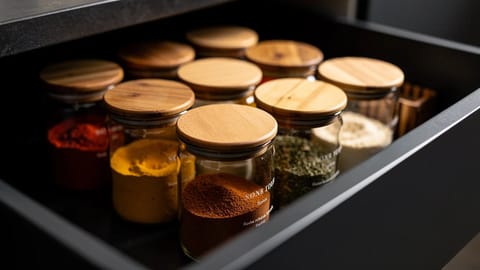
And when a pairing earns a permanent spot, the homemade spice blends guide turns it into a labeled jar with the same ratio logic.