 Bastien
How to Cook Dried Beans: Every Method, Every Bean
A complete guide to cooking dried beans: soaking options (overnight, brine, quick-soak, no-soak), stovetop, slow cooker and pressure cooker methods, a cooking-time chart for 12 varieties, the kidney bean safety rule, why salting early is fine, storage and freezing, and fixes for hard beans and split skins.
TL;DR: Soak dried beans 8-12 hours, or skip soaking and add time. Cook them at a gentle simmer in salted water for 1-2 hours, in a slow cooker for 6-8 hours on low, or in a pressure cooker for 8-15 minutes. One pound of dried beans yields about 6 cups cooked. Salt from the start, add acidic ingredients at the end, and freeze extras in their cooking liquid. Red kidney beans need a proper boil, never a slow cooker alone.
Dried beans have a reputation for being fussy: long soaks, unpredictable results, tough skins. Most of that reputation comes from advice that was never quite right, like the rule that salt toughens beans. Cooking dried beans is mostly passive time. You set them up, keep the heat gentle, and check them now and then.
This guide covers the soaking options, three cooking methods, typical times for the common varieties, the one safety rule that matters, and the fixes for the problems you will run into.
Why cook dried beans instead of canned?
Canned beans are useful, and rinsing them makes them better. Draining and rinsing removes up to about 40% of the sodium, according to a Case Western Reserve University dietitian. Cooking from dried still wins on a few counts.
Cost. A bag of dried beans yields several times its weight in cooked beans, so the cost per serving is a fraction of canned. If beans show up in your meals every week, that adds up, and it fits the habits in our grocery shopping tips.
Texture and flavor. Canned beans are cooked in the can under pressure and sit in their packing liquid for months. They are soft, sometimes mushy, and taste mainly of that liquid. Beans cooked at home hold their shape better, have a creamier interior, and pick up whatever you simmer them with: onion, garlic, bay leaf, chili, smoked paprika.
Control. You decide how much salt goes in and whether there is any firming agent or sugar. You also get the cooking liquid, which is a bonus ingredient rather than something to pour down the drain.
The trade-off is time, but most of that time is passive. You are not standing over the pot for two hours.
Soaking dried beans: your options
Soaking rehydrates the bean and softens the skin, which shortens cooking and helps beans cook evenly. For most varieties it is optional. For red kidney beans it is part of the safety rule below.
Overnight soak
Put the beans in a large bowl, cover with 3-4 inches (8-10 cm) of cold water, and leave them 8-12 hours. Beans roughly double in size, so use more water than looks necessary. Drain and rinse before cooking.
Salted soak (the brine method)
This is the overnight soak with salt in the water, and it is the version worth adopting. America's Test Kitchen dissolves 3 tablespoons of table salt in 4 quarts (about 4 litres) of water per pound (450 g) of beans and soaks them 8-24 hours at room temperature. Their explanation: sodium ions replace some of the calcium and magnesium ions in the skins, which lets more water in and gives softer skins that are less likely to burst. Drain and rinse well before cooking.
Quick soak (1 hour)
If you forgot to soak, put the beans in a pot, cover with 2 inches (5 cm) of water, boil for 2 minutes, then remove from the heat, cover, and let stand for 1 hour. Drain and rinse. It works, though the rapid temperature change can cost you a few more split skins than a slow soak.
No-soak method
Skip soaking and add 30-60 minutes to the stovetop time, more for old beans. Many cooks prefer unsoaked beans for flavor, since nothing leaches into a soaking bowl. In a slow cooker or pressure cooker the extra time barely matters.
Safety rule for red kidney beans: Raw and undercooked red kidney beans contain high levels of a lectin called phytohaemagglutinin, and a few beans are enough to cause vomiting and diarrhea within hours. Health Canada advises soaking dry red kidney beans for at least 5 hours in 2-3 times their volume of water, discarding that water, then boiling vigorously for at least 10 minutes. The US FDA goes further and recommends a 30-minute boil. Slow cookers do not get hot enough to destroy the lectin, so never cook dry kidney beans in one without boiling them first. White kidney beans (cannellini) carry the same lectin at lower levels, so give them the same treatment.
Cooking times by bean type
Use this chart as a baseline. Real times depend on bean age, altitude, water hardness, and how gently you simmer. Older beans take longer, sometimes much longer.
| Bean Type | Stovetop (soaked) | Stovetop (unsoaked) | Pressure Cooker (soaked) | Slow Cooker (unsoaked) |
|---|---|---|---|---|
| Black beans | 60-75 min | 90-120 min | 6-10 min | 6-8 hrs (low) |
| Pinto beans | 60-90 min | 90-120 min | 8-10 min | 6-8 hrs (low) |
| Navy beans | 45-60 min | 75-90 min | 7-8 min | 5-7 hrs (low) |
| Cannellini* | 60-90 min | 90-120 min | 10-12 min | 6-8 hrs (low)* |
| Red kidney beans* | 60-90 min | Boil first, see note | 10-12 min | Boil first, then 8 hrs (low)* |
| Chickpeas (garbanzo) | 90-120 min | 120-180 min | 12-15 min | 8 hrs (low) |
| Great Northern | 45-60 min | 75-90 min | 8-10 min | 5-7 hrs (low) |
| Lima / butter beans | 45-60 min | 60-90 min | 6-8 min | 5-7 hrs (low) |
| Black-eyed peas | 30-45 min | 60-75 min | 5-7 min | 5-6 hrs (low) |
| Cranberry (borlotti) | 60-75 min | 90-120 min | 8-10 min | 6-8 hrs (low) |
| Lentils (green/brown) | 20-30 min | No soak needed | 4-6 min | 4-6 hrs (low) |
| Split peas | 25-35 min | No soak needed | 5-8 min | 4-6 hrs (low) |
*Kidney beans and cannellini: soak at least 5 hours, discard the water, and boil hard for at least 10 minutes on the stovetop before any slow cooker time. A pressure cooker exceeds boiling temperature, so it handles them safely on its own.
How to tell when beans are done: Squeeze one between your fingers. It should crush easily with no chalky center, and the skin should be tender but intact. Test several from different depths of the pot, because beans near the surface can lag behind the ones fully submerged.
Cooking methods: stovetop, slow cooker, pressure cooker
Stovetop method
The stovetop is the most forgiving method. You can see the beans, adjust the heat, and taste as you go.
What you need: A large pot with a lid, beans, water, salt, and any aromatics you like.
- Drain the soaked beans (or start from dry). Put them in the pot and cover with 2 inches (5 cm) of fresh water. Beans keep absorbing water as they cook.
- Add aromatics. A halved onion, a couple of smashed garlic cloves and a bay leaf is a classic base. A dried chili or a piece of smoked meat also works.
- Bring to a boil, then drop to a gentle simmer. Small, lazy bubbles. A hard boil bursts skins and cooks the beans unevenly.
- Add salt. About a teaspoon of fine salt per quart (litre) of water, now rather than later (see the salt section).
- Simmer partially covered, checking the water level every 30 minutes. Add hot water if the beans poke above the surface. Exposed beans cook unevenly.
- Start tasting at the minimum time in the chart. Done means creamy all the way through.
Yield tip: Cook the whole bag even if you only need half. The extras go to the freezer for meal prep later in the week.
Slow cooker method
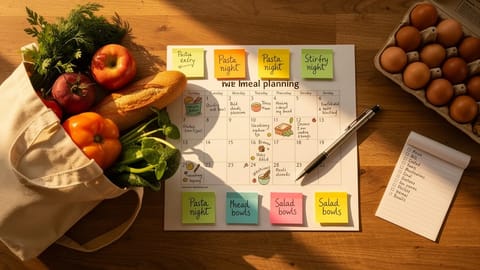
Cooking dried beans in a slow cooker is the hands-off approach: load it before work, come home to cooked beans. It suits weekly meal planning when you want a batch ready without watching a pot.
What you need: A slow cooker of 4 quarts (4 litres) or more, beans, water, salt, aromatics.
- Add the beans, soaked or unsoaked. Unsoaked is fine here, since the long cook compensates.
- Cover with 3 inches (8 cm) of water. Slow cookers lose little water to evaporation, but the beans absorb a lot.
- Add aromatics and salt, about a teaspoon per quart (litre) of water.
- Cook on low for 6-8 hours or on high for 3-4 hours. Chickpeas may need the full 8 hours on low.
- Check at the minimum time. If the centers are still firm, keep going and check every 30 minutes.
Kidney beans and cannellini: a slow cooker on low does not reach the temperature needed to destroy their lectin. Soak them, boil them hard on the stovetop for at least 10 minutes, then transfer them to the slow cooker to finish.
Flavor trick: Cooking the onion, garlic and spices in a skillet for 5 minutes before adding them to the slow cooker gives a rounder result than adding them raw.
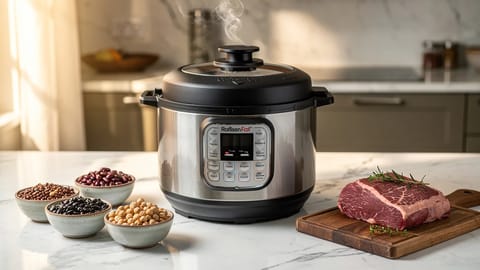
Pressure cooker (multicooker) method
Pressure cooking is the fastest way to cook dried beans and the best rescue when you forgot to soak. Soaked beans finish in under 15 minutes at pressure. Unsoaked beans take roughly 25-45 minutes, still faster than soaked beans on the stovetop.
What you need: An electric multicooker or stovetop pressure cooker, beans, water, salt, aromatics.
- Add the beans, soaked or unsoaked. Never fill the pot past the halfway mark. Beans expand and foam, and an overfilled pot can clog the valve.
- Cover with 2 inches (5 cm) of water. Less than the other methods, because almost nothing evaporates.
- Add salt and aromatics. Same as always: salt from the start.
- Lock the lid and cook at high pressure for the chart time. For unsoaked beans, add roughly 15-25 minutes depending on the variety.
- Let the pressure release naturally for 15 minutes, then vent the rest. A sudden quick release makes the liquid boil violently and blows the skins off.
Foam control: Add a tablespoon of oil to the pot. Beans foam under pressure, and a little fat keeps it down. Chickpeas and lima beans foam the most.
The salt debate: when to season your beans
You have probably heard that salting beans early makes them tough. It is repeated in cookbooks and passed down in families. It is also backwards.
America's Test Kitchen soaks beans in salted water on purpose. As the beans sit in brine, sodium ions replace some of the calcium and magnesium ions bound to the pectin in the skins. Sodium holds the pectin together less tightly, so more water gets in, the skins soften, and fewer beans burst during cooking. Salting the cooking water from the start does the same job more gradually, and seasons the beans evenly from the outside in.
What does slow softening: acid and hard water. Tomatoes, vinegar, citrus juice and wine all keep the pectin firm, so beans simmered in tomato from the start can stay stubbornly firm. Add acidic ingredients in the last 15-20 minutes, once the beans are tender. Hard water carries the same calcium and magnesium that stiffen the skins, which is why beans in some kitchens simply take longer.
A starting point: a teaspoon of fine salt per quart (litre) of cooking water, added at the beginning. For chili, cook the beans in salted water with the aromatics until tender, then add the tomatoes, chili powder and lime and simmer 15-20 minutes more to bring everything together.
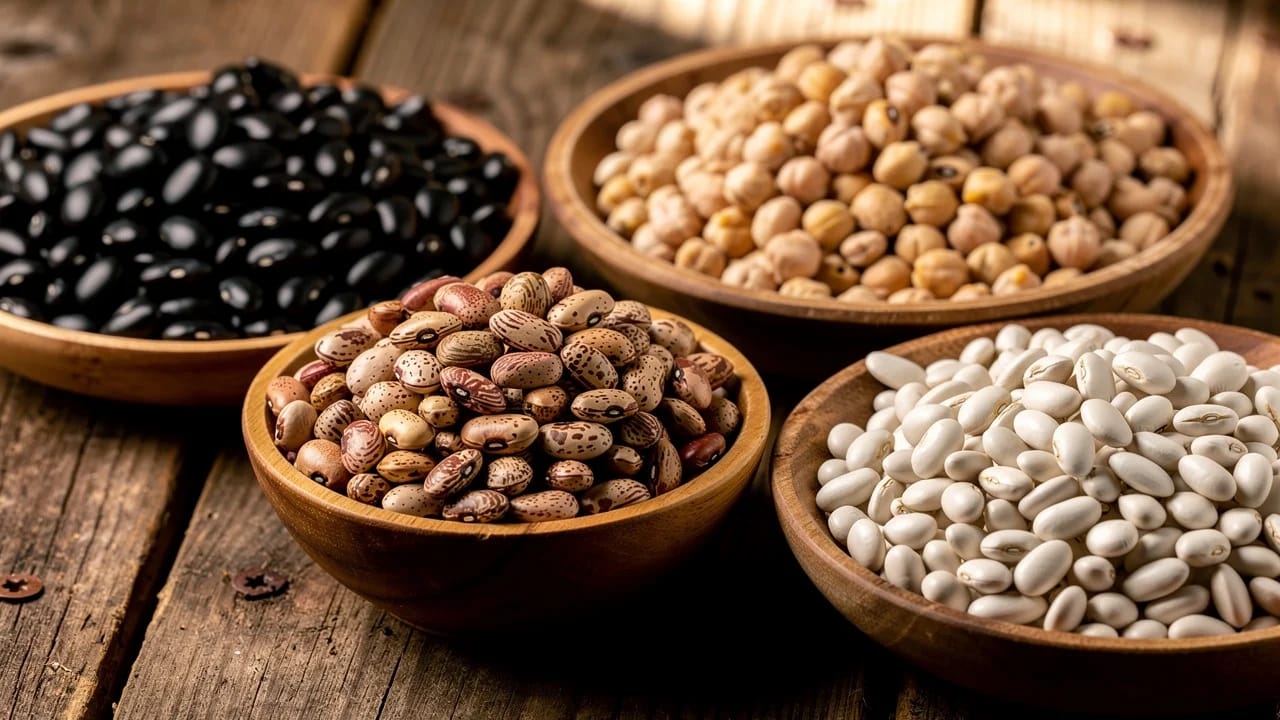
Types of dried beans and what to cook with them
Search data says most people arrive here looking for one specific bean. Here is how the common ones behave.
- Black beans. Dense and meaty, they hold their shape well. Rice and beans, burritos, Cuban black bean soup, chili. Soaked, expect 60-75 minutes on the stovetop.
- Pinto beans. Creamy when cooked and easy to mash, which is why they become refried beans. Also good whole in chili and bowls.
- Chickpeas (garbanzo beans). The longest cook of the group, 90-120 minutes soaked. Hummus, falafel, curries, and roasted for a crunchy snack. They foam a lot in a pressure cooker.
- Red kidney beans. Firm and hearty for chili con carne and red beans and rice. Follow the soak-and-boil safety rule every time.
- Navy beans. Small and mild, they soak up flavor. Classic baked beans and bean soups.
- Cannellini. Creamy Italian white beans for minestrone, pasta e fagioli and bean salads. Same lectin family as kidney beans, so boil them properly.
- Great Northern. Like cannellini but smaller. White chili, casseroles, stews.
- Lima and butter beans. The same species at different sizes. Buttery texture, 45-60 minutes soaked, and quick under pressure.
- Lentils and split peas. No soaking needed. Dal, lentil soup, salads, and done in 20-35 minutes.
Storing and freezing cooked beans
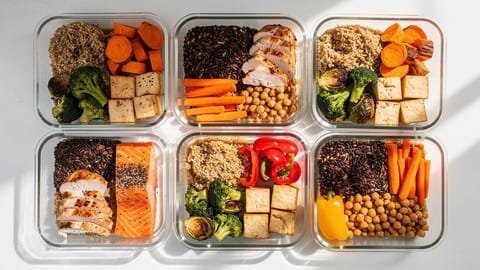
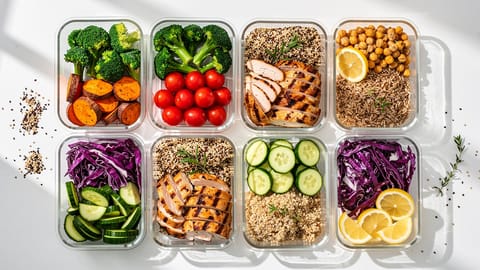
Once you cook the whole bag, you will have more beans than one meal needs. That is the point. Batch cooking beans is one of the easiest wins in meal prep.
Refrigerator (3-4 days)
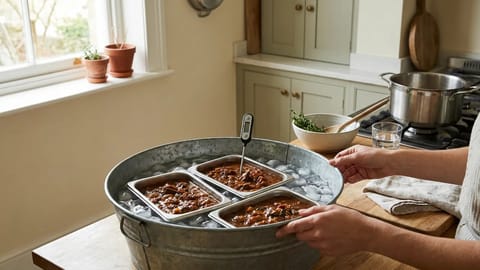
Cool the beans quickly, then store them in their cooking liquid in a sealed container. The liquid keeps the skins from drying and splitting. Treat them like any cooked leftover and move them through the danger zone fast rather than leaving the pot out all evening.
Freezer (up to 6 months)
- Cool the beans completely in their liquid. Spreading them in a shallow container speeds this up.
- Portion into freezer bags or containers. About 1.5 cups per portion is roughly one drained can, which makes swapping into recipes easy.
- Include cooking liquid, enough to cover the beans. It limits freezer burn and keeps them moist when reheated.
- Label with the bean type and date. Frozen beans look alike.
- Freeze bags flat on a tray, then stack once solid.
To use frozen beans: thaw overnight in the fridge, or drop them frozen into soups, stews and chili. For salads and tacos, thaw and drain first.
Troubleshooting
Cause: Old beans, hard water, or acid added too early.
Fix: If the beans have simmered well past the chart time and are still hard, they are probably old stock, and no trick reliably rescues them. For the next batch, buy from stores with high turnover and check for a packed-on date. Keep tomatoes, vinegar and citrus out of the pot until the beans are tender. If your water is hard, add a quarter teaspoon of baking soda per pound (450 g) of beans to the cooking water.
Cause: Overcooked or boiled too hard.
Fix: Keep the pot at a gentle simmer, not a rolling boil. Start checking 15 minutes before the minimum chart time. In a pressure cooker, shorten the time by 2-3 minutes and always use natural release.
Cause: Rapid temperature changes (quick soak, quick pressure release), a hard boil, or unsalted water.
Fix: Use the overnight or brine soak instead of the quick soak, simmer gently, and salt the soaking or cooking water. In a pressure cooker, let the pressure drop naturally for at least 15 minutes.
Cause: Not enough salt, no aromatics, or the cooking liquid was discarded.
Fix: Salt the water from the start, about a teaspoon per quart (litre). Add onion, garlic, bay leaf, cumin or smoked paprika. Keep the cooking liquid: it has body and flavor, and beans stored in it keep improving as they cool.
Cause: Oligosaccharides, sugars that the human gut cannot fully break down.
Fix: Soak the beans and discard the soaking water, which removes some of those sugars, and cook the beans fully. Start with smaller portions if beans are new to your diet. Traditional additions like a strip of kombu, a sprig of savory or a few epazote leaves are widely used for this, though the evidence for them is mostly anecdotal.
Cause: Starch released during cooking. This is normal.
Fix: Nothing to fix. The starchy liquid, sometimes called pot liquor, thickens soups, stews and chili. For a cleaner liquid, skim the foam during the first 10-15 minutes and use more water.
Cooking beans with Fond
Fond hasn't launched yet. This is how it will work at launch. Join the waitlist for early access.
Bean cooking is a timing problem more than a skill problem. When you save a recipe in Fond, each step that carries a time becomes a tappable timer in Cook Mode, so a 10-minute kidney bean boil or a 15-minute natural release runs from the recipe itself. Notes on the recipe are a good place to record how long your beans took, because the next bag from the same shelf will probably behave the same way. Scale the recipe up when you decide to cook the whole bag, and the water and salt scale with it.
Final tips
Cooking dried beans takes almost no active effort, the results beat canned, and a freezer with ready-to-go beans makes weeknight cooking easier. Whether you are simmering black beans for tacos or pressure-cooking chickpeas for hummus, the method is the same: water, salt, gentle heat, patience.
Start with one bag of black beans or pintos this weekend. Cook the whole thing, eat half, freeze half.
Fond, the app we're building, is designed to save your bean recipes, run their step timers, and turn them into a shopping list. Join the waitlist to hear when it opens.