 Bastien
Semolina
Semolina is a coarse, golden flour milled from the endosperm of durum wheat, high in protein and gluten, used for dried pasta, couscous, bread and dusting pizza peels. Durum flour is the same wheat ground finer; cornmeal is a different grain.
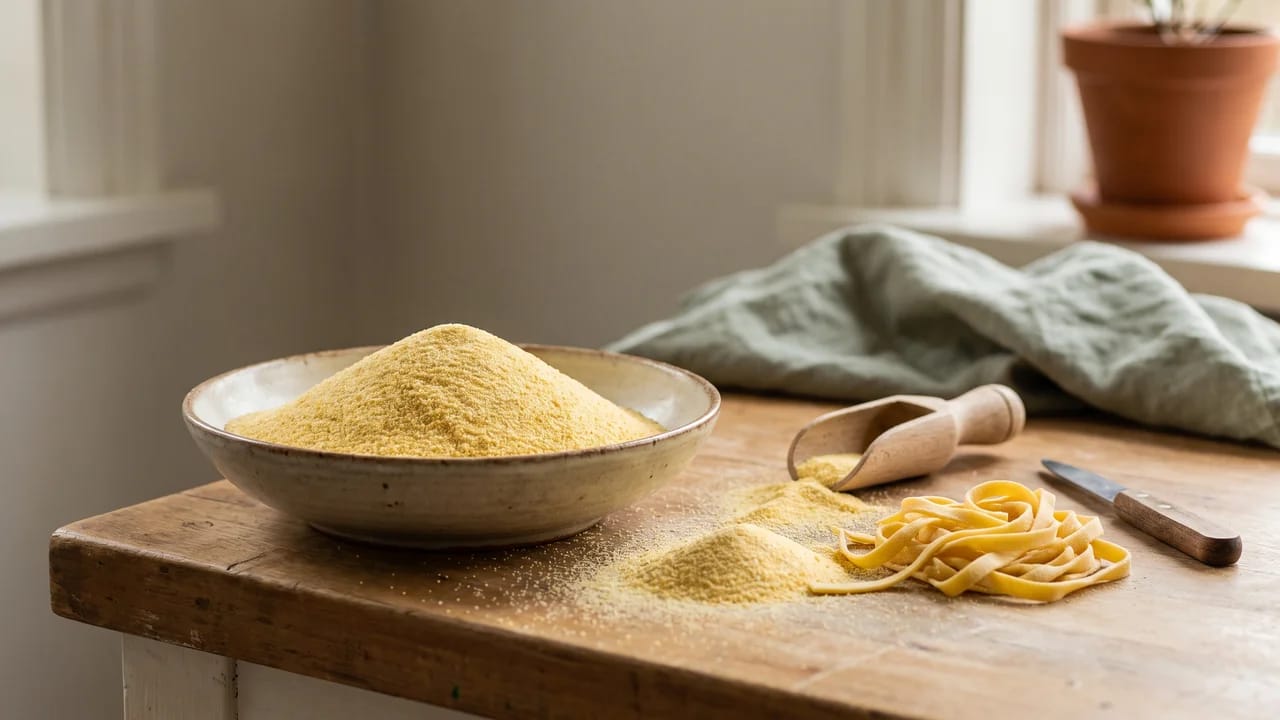
Semolina is a coarse, pale-gold flour milled from the endosperm of durum wheat, the hardest common wheat, and it is high in protein and gluten. Its sandy texture and golden color set it apart from regular soft-wheat flour, and it is the backbone of dried pasta, couscous and many Mediterranean breads. Durum flour is the same wheat ground finer; cornmeal, which it is often confused with, is a different grain altogether.
The word comes from the Italian semolino, a diminutive of semola, "coarse grains", and the connection to pasta is no accident: durum is so tied to pasta that it is sometimes called macaroni wheat. Wikipedia notes the Codex Alimentarius even defines durum semolina by its coarseness, requiring grains large enough that no more than 79% pass through a 315-micron sieve.
What is semolina made of?
Semolina is made from durum wheat, a hard, high-protein species distinct from the common wheat used for most baking flour. Bob's Red Mill puts it simply: common wheat makes up around 80% or more of the world's harvest and goes into general baking flours, while semolina comes from durum. In the mill, grooved steel rollers crack the durum kernel, flake off the bran and germ, and break the starchy endosperm into coarse pieces that are sifted out; those pieces are semolina.
The hardness is what matters. Durum's dense, vitreous grain resists grinding into a fine powder, so it naturally produces a coarser, sandier flour. That coarse texture and high protein give pasta its firm bite and its ability to dry and store well.
Color is a useful tell. Semolina's golden-amber hue comes from carotenoid pigments in durum wheat, which is why good dried pasta has a warm yellow color rather than the pale white of soft-wheat noodles.
Semolina vs durum flour vs all-purpose flour vs cornmeal
Four things get mixed up under the word semolina. The wheat, the grind and the grain separate them:
| Grain | Grind | Protein | Typical use | |
|---|---|---|---|---|
| Semolina | Durum wheat | Coarse | High | Dried pasta, couscous, dusting |
| Durum flour (semola rimacinata) | Durum wheat | Fine | High | Fresh pasta, bread, pizza |
| All-purpose flour | Common (soft) wheat | Fine | Medium | General baking |
| Cornmeal | Corn | Coarse | Low, no gluten | Polenta, cornbread, dusting |
Semolina and durum flour are the same wheat at two grinds. Semolina is what dried pasta is extruded from; durum flour hydrates faster and kneads smooth, which is why fresh pasta doughs and many breads reach for it. Compared with all-purpose flour, semolina is coarser, more golden and stronger in gluten, so it is wrong for tender cakes and right for chewy pasta.
Cornmeal is the odd one out. It looks like semolina, coarse and yellow, but it is ground corn, naturally gluten-free, and tastes of corn. The two overlap only on the pizza peel, where either keeps dough from sticking.
What is semolina used for?
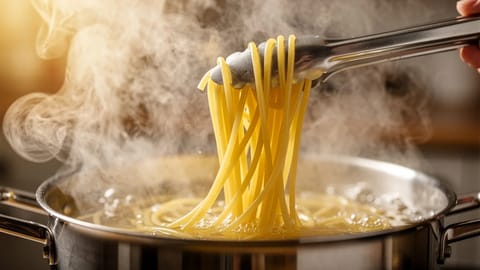
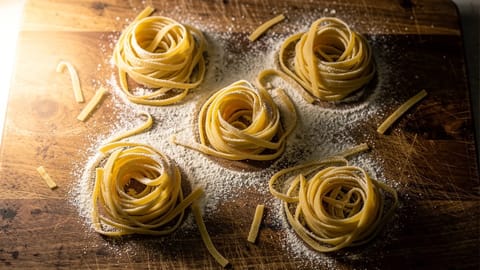
Semolina has a few classic uses, all of which lean on its coarse texture and high protein. The biggest is dried pasta, where durum semolina gives spaghetti and penne their firm, springy bite and lets them cook to a proper al dente.
Beyond pasta, it's the grain behind couscous (tiny rolled semolina pellets) and a key ingredient in many rustic breads, where it adds a golden crumb and slightly nutty flavor. It also goes into puddings, gnocchi alla romana, and sweets like Indian halwa and Middle Eastern basbousa.
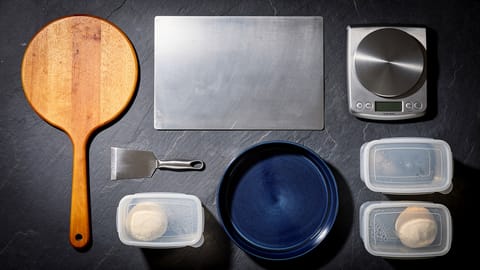
Its most common everyday use in a pizza kitchen is dusting. A sprinkle on the pizza peel acts like tiny ball bearings, so the dough slides off easily without sticking. Semolina handles oven heat better than regular flour, so it doesn't scorch on the stone. For the dough itself, a proper pizza flour does the structural work and semolina stays on the peel.
Is semolina gluten-free?
No. Semolina is made from durum wheat, so it contains gluten and is not safe for people with celiac disease or wheat allergies. This is a common point of confusion, partly because semolina looks similar to gluten-free cornmeal.
In fact, semolina is high in gluten-forming protein, which is exactly why it's so good for pasta. The strong gluten network is what gives durum pasta its firm, chewy texture and lets it hold its shape during cooking.
If you need a gluten-free alternative, cornmeal or rice flour cover dusting, and a dedicated gluten-free flour blend covers pasta. None behaves exactly like semolina, but they do the practical jobs.
What can you substitute for semolina?
The best substitute depends on the job. For pasta, the closest match is durum flour (a finer grind of the same wheat) or a high-protein bread flour, though the texture will be a touch softer.
| Use | Best substitute | Notes |
|---|---|---|
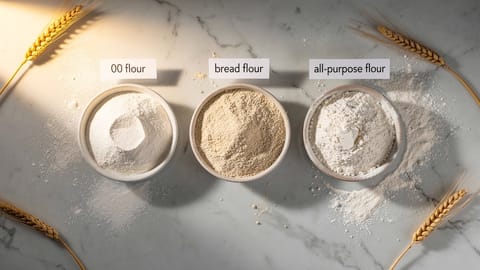
| Fresh pasta | Durum flour, bread flour or "00" flour | Softer, less firm bite |
| Dried pasta | Durum flour | Closest match |
| Dusting peel | Cornmeal or rice flour | Both resist burning |
| Bread | Bread flour + a little cornmeal | Approximates texture |
| Couscous | No true substitute | Couscous is rolled semolina |
For most home cooks, the swap that matters is dusting: cornmeal or rice flour both work well on a pizza peel and resist burning. For pasta, accept that any substitute will give a slightly softer result than true durum semolina.
What are common semolina mistakes?
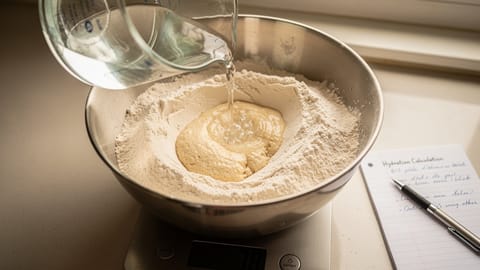
Semolina absorbs water more slowly than soft-wheat flour and needs time to hydrate. Let the dough rest 30 minutes after mixing so the semolina fully absorbs the liquid before you knead and roll.
Semolina's coarse grind stays slightly gritty in delicate bakes unless the recipe was built around it (basbousa and semolina cake soak it in syrup on purpose). For tender cakes and pastries, use soft-wheat flour.
They look alike but behave differently. Semolina is wheat (with gluten); cornmeal is corn (gluten-free). Swapping them changes flavor and texture, so check which one the recipe needs.
You used too little, or the dough sat too long and absorbed it. Re-dust generously right before launching, and don't let a topped pizza linger on the peel.
Tips for using semolina
Semolina rewards a little planning. Because durum absorbs water slowly, doughs made with it benefit from a rest, the same patience that lets a high-hydration bread dough come together. Give it time and it delivers the firm, golden pasta that soft-wheat flour simply can't.
Semolina in Fond
Fond hasn't launched yet. This is how it will work at launch. Join the waitlist for early access.
Fond's recipe scaling keeps pasta and bread ratios accurate when you change the batch size, so a 100 g semolina to 1 egg pasta formula scales cleanly to six portions. Ingredient notes in a recipe tell you when semolina is essential (dried pasta, couscous) and when it's only there for dusting, where cornmeal also works.