Cooking Glossary
Essential cooking terms, techniques, and concepts — explained clearly for home cooks.
Featured Terms
 Techniques
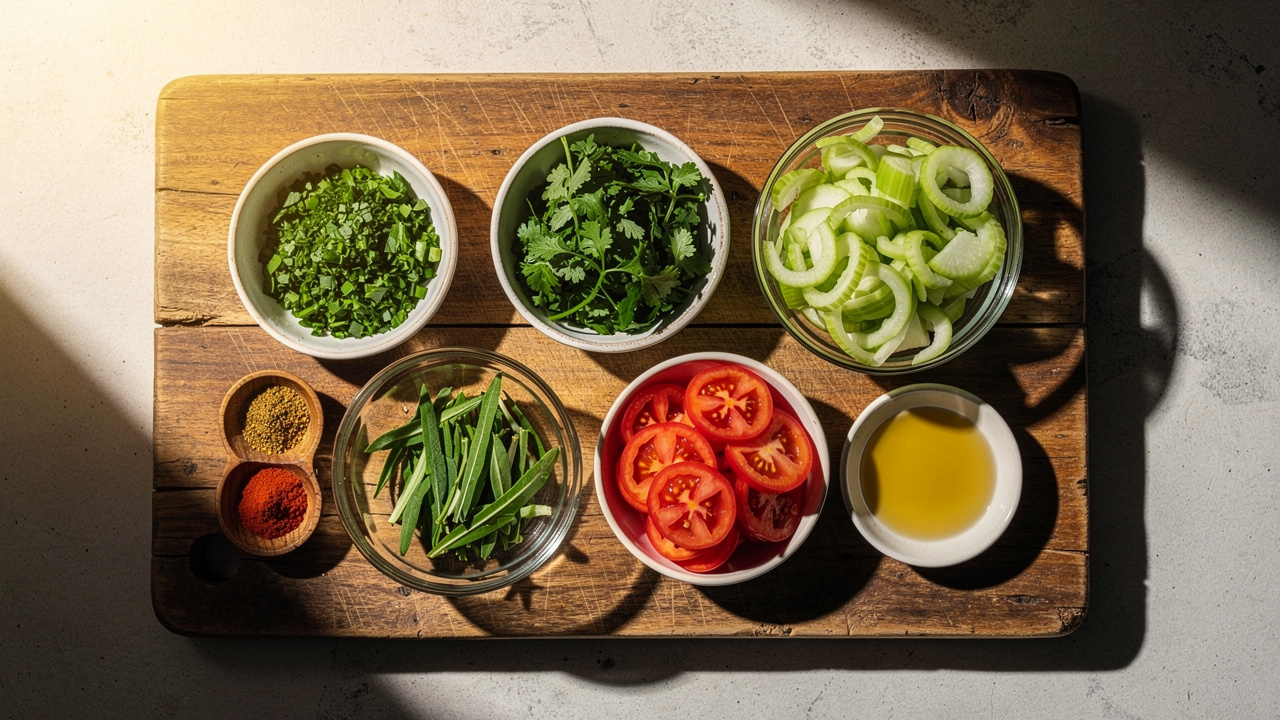
Mise en Place
The practice of preparing and organizing all ingredients before cooking — everything in its place.
 Concepts
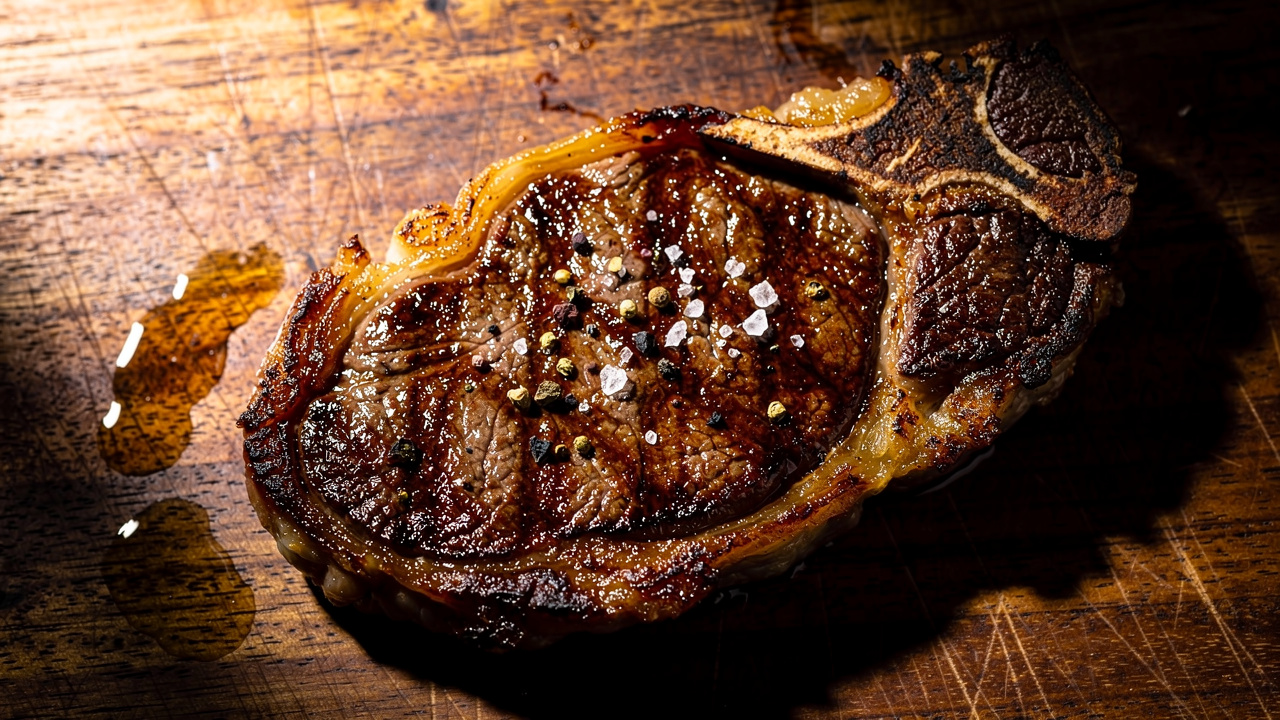
Maillard Reaction
The chemical reaction between amino acids and sugars that occurs when food is heated, creating the brown color and complex flavors of seared meat, toasted bread, and roasted coffee.
 Techniques
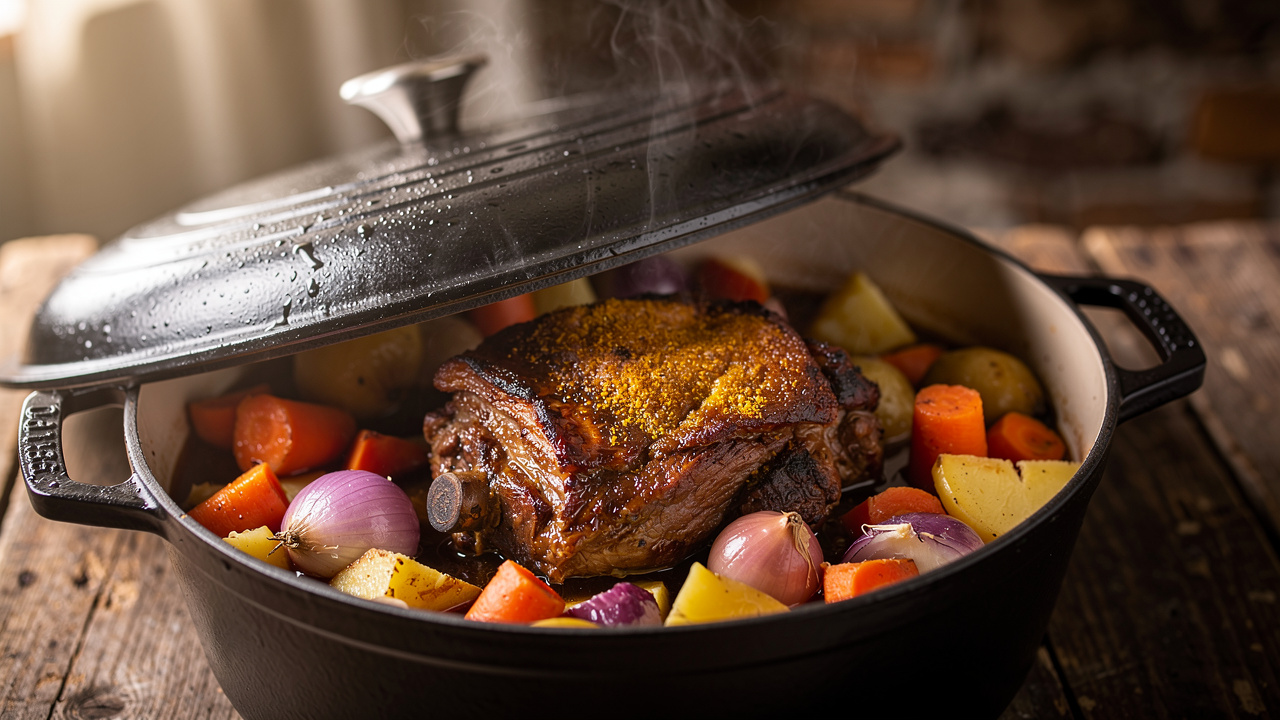
Braising
A slow-cooking method that sears food at high heat, then simmers it in liquid in a covered pot until tender.
 Concepts
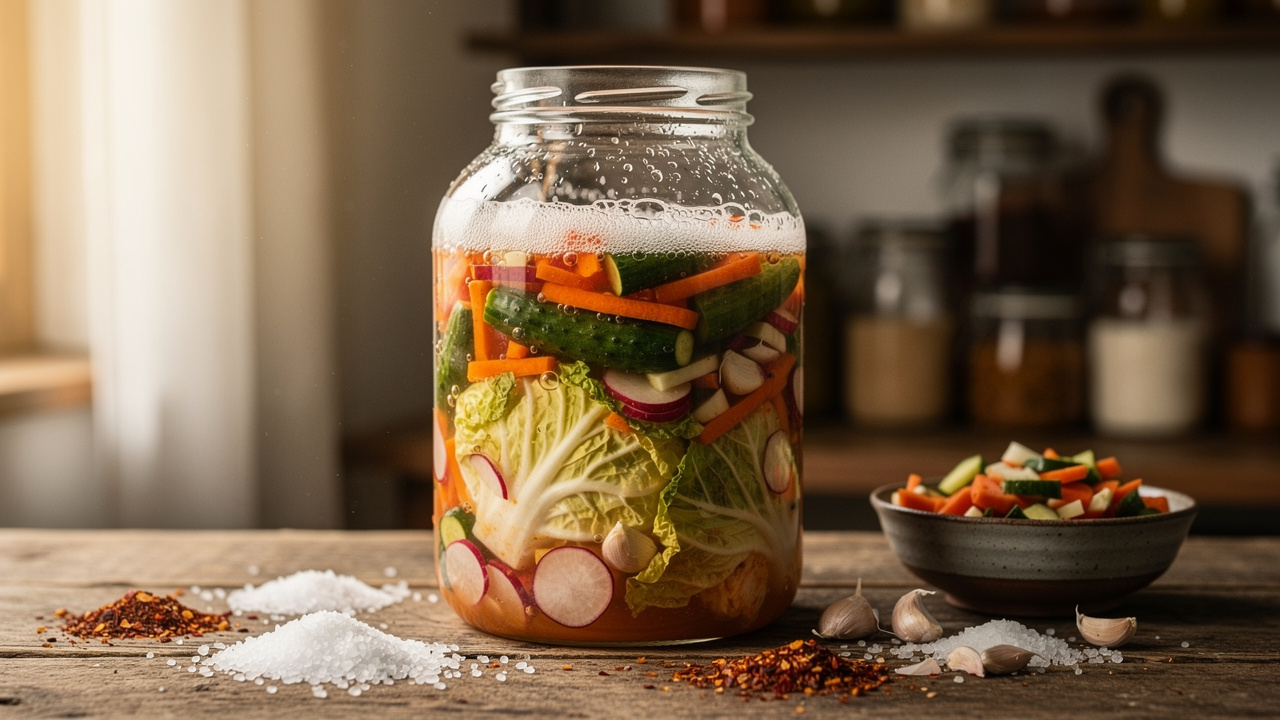
Fermentation
A metabolic process where microorganisms convert sugars into acids, gases, or alcohol — the basis of bread, yogurt, kimchi, and beer.
 Ingredients
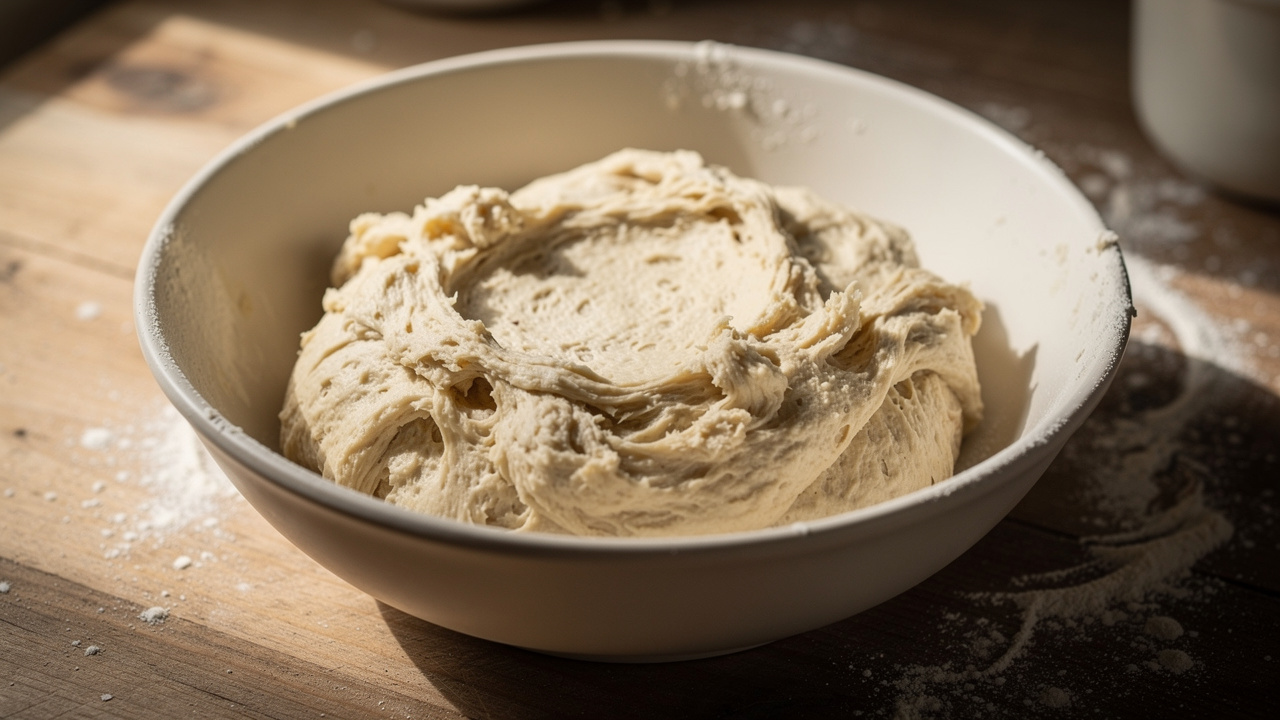
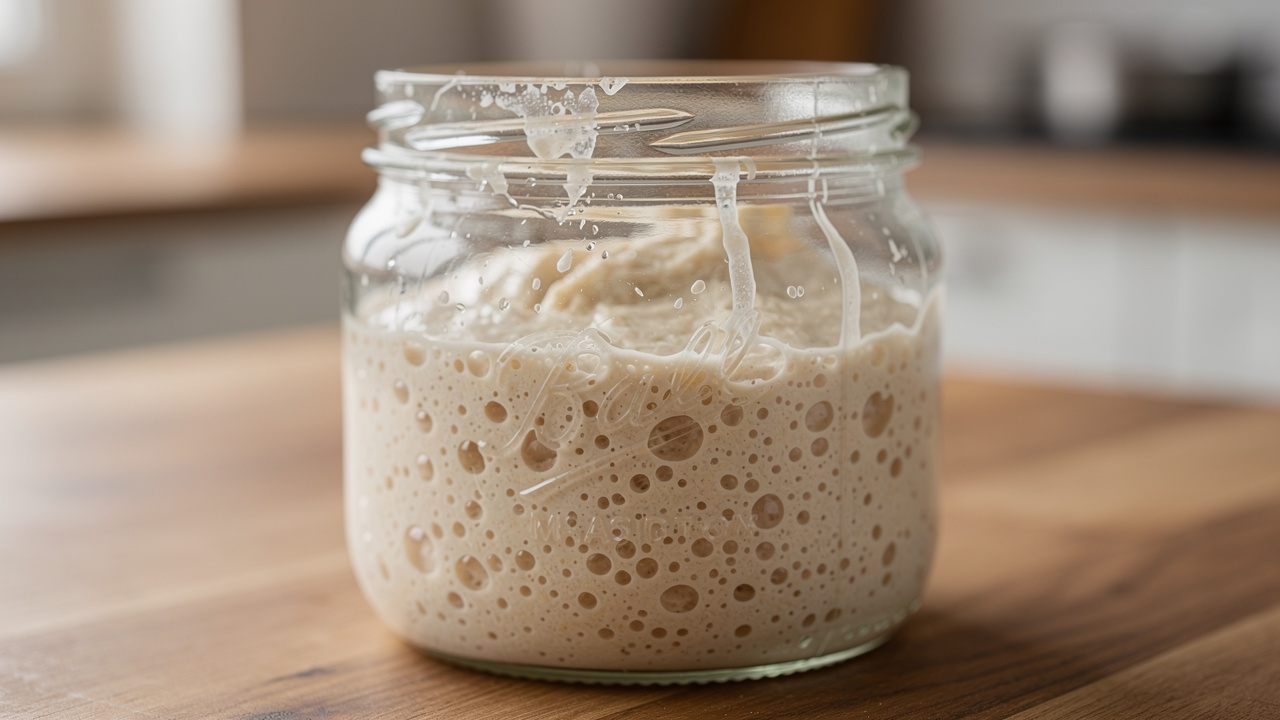
Sourdough Starter
A live culture of wild yeast and bacteria maintained with regular feedings of flour and water, used to leaven bread.
 Tools
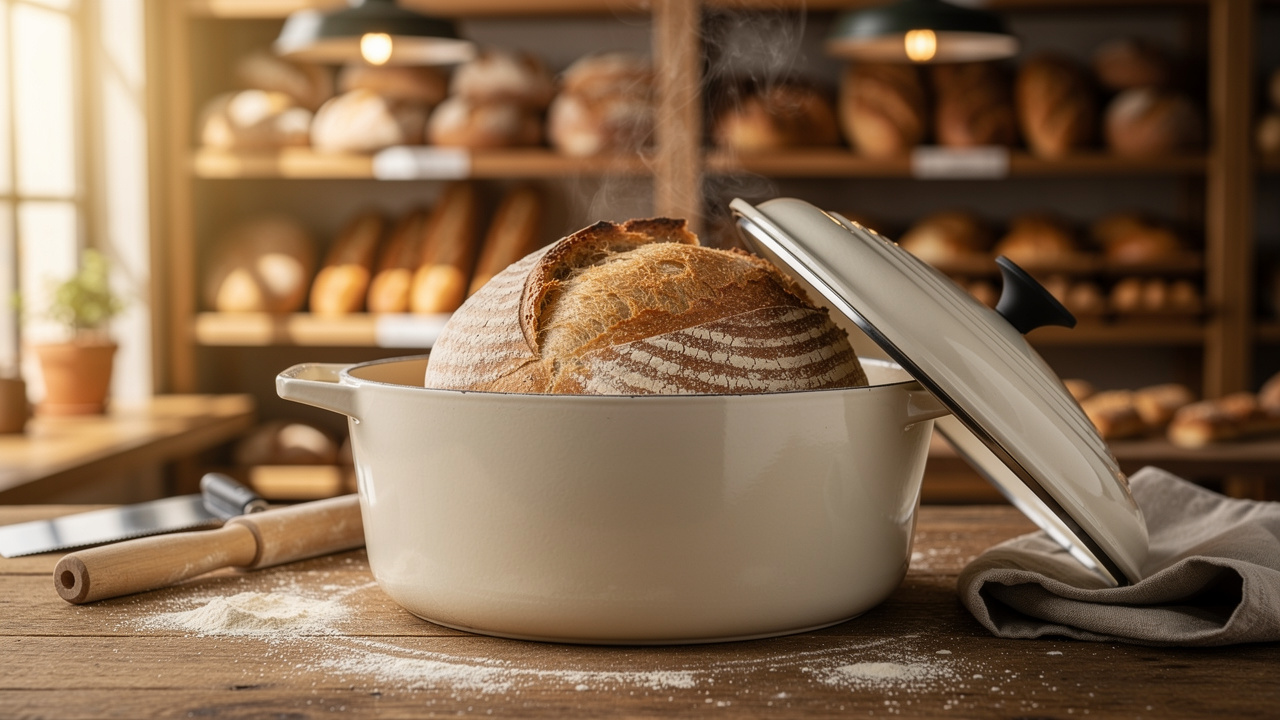
ToolsDutch Oven
A heavy, thick-walled cooking pot with a tight-fitting lid — essential for braising, baking bread, and slow cooking.
All Terms
Techniques
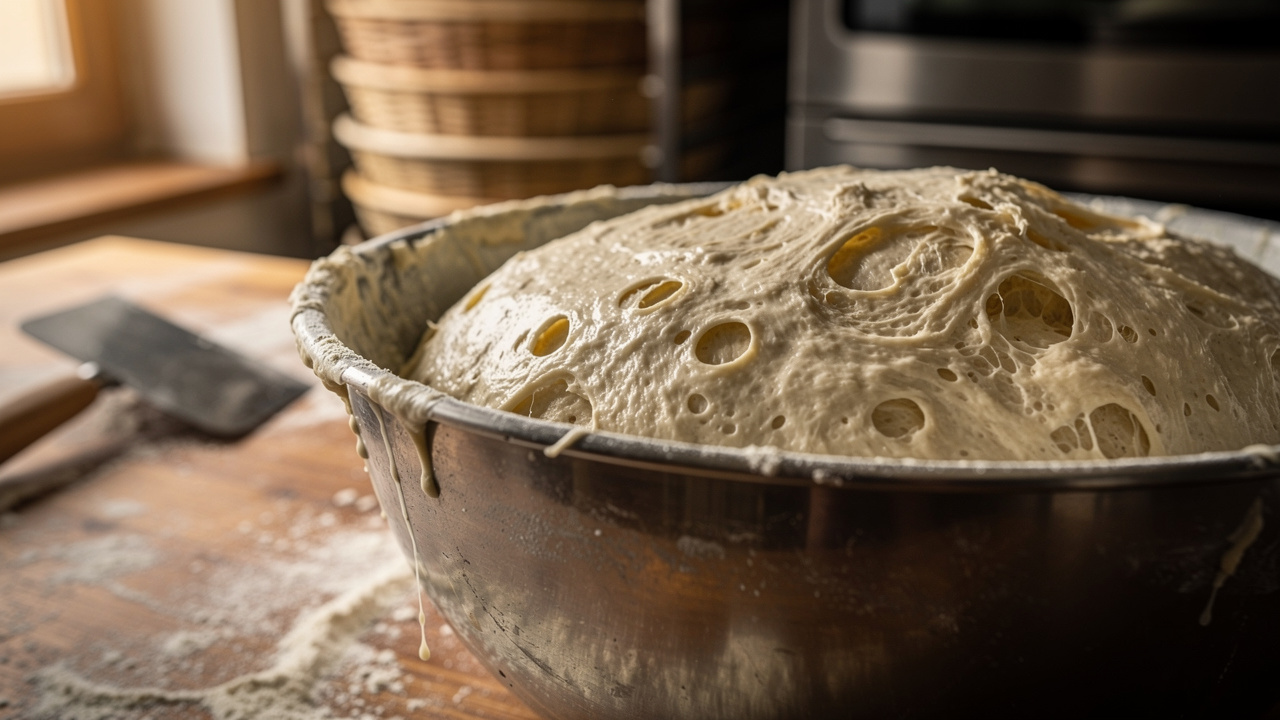
Autolyse
A bread-making technique where flour and water are mixed and rested before adding salt and leavening, allowing gluten to develop naturally.
Biga
A stiff Italian pre-ferment with 50-60% hydration, used to add structure, flavor complexity, and a nuttier taste to bread and pizza doughs.
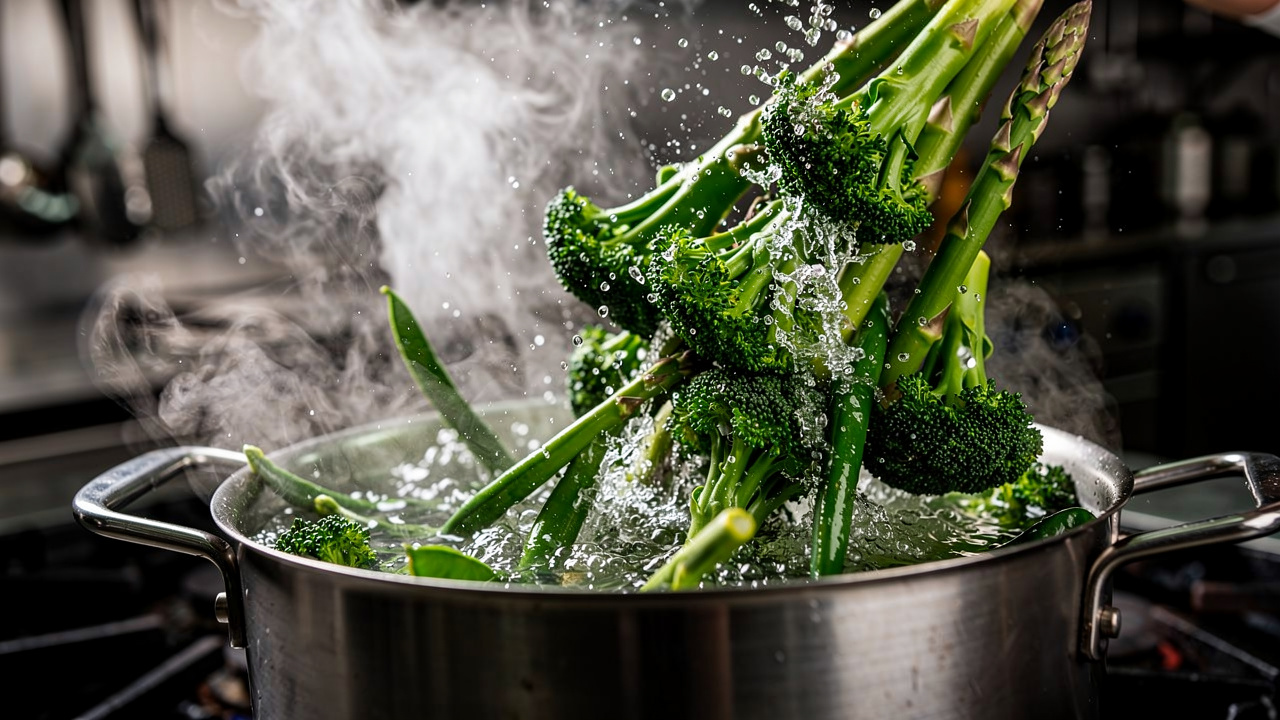
Blanching
Briefly boiling food then plunging it into ice water to stop cooking — used to preserve color, texture, and nutrients.
Braising
A slow-cooking method that sears food at high heat, then simmers it in liquid in a covered pot until tender.
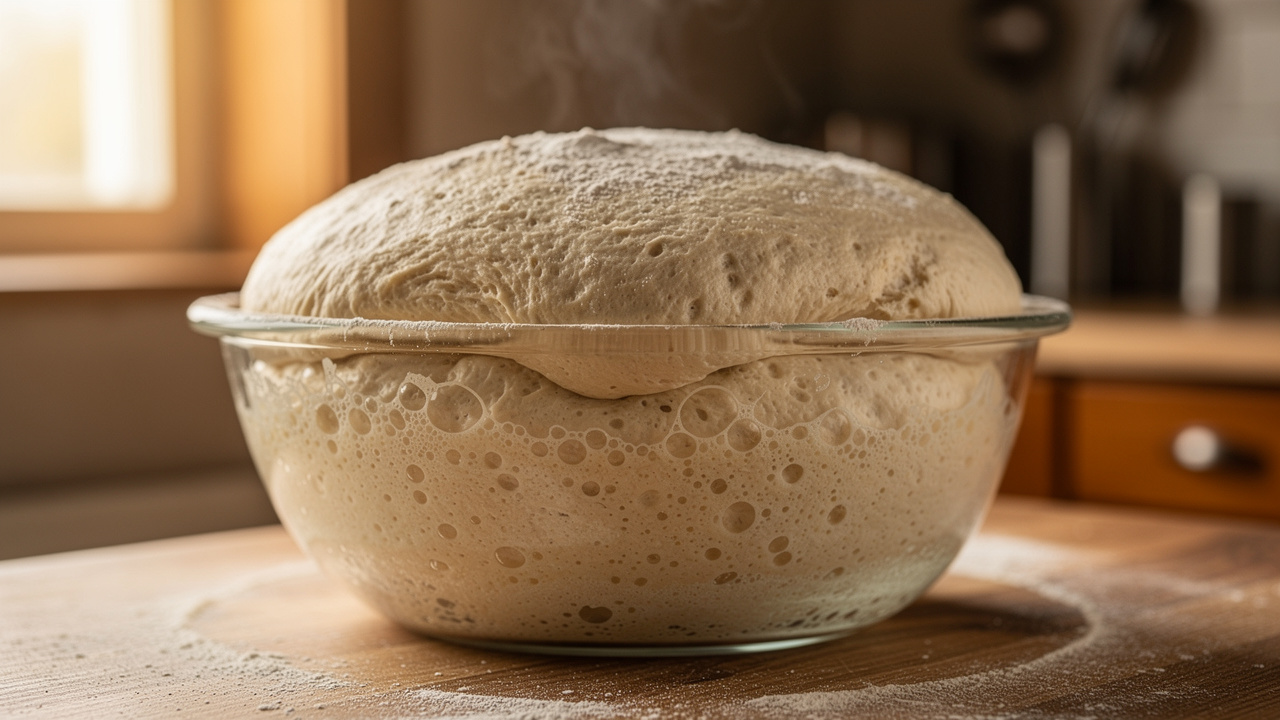
Bulk Fermentation
The primary rise of bread dough after mixing, where yeast or starter ferments the dough as a single mass before shaping.
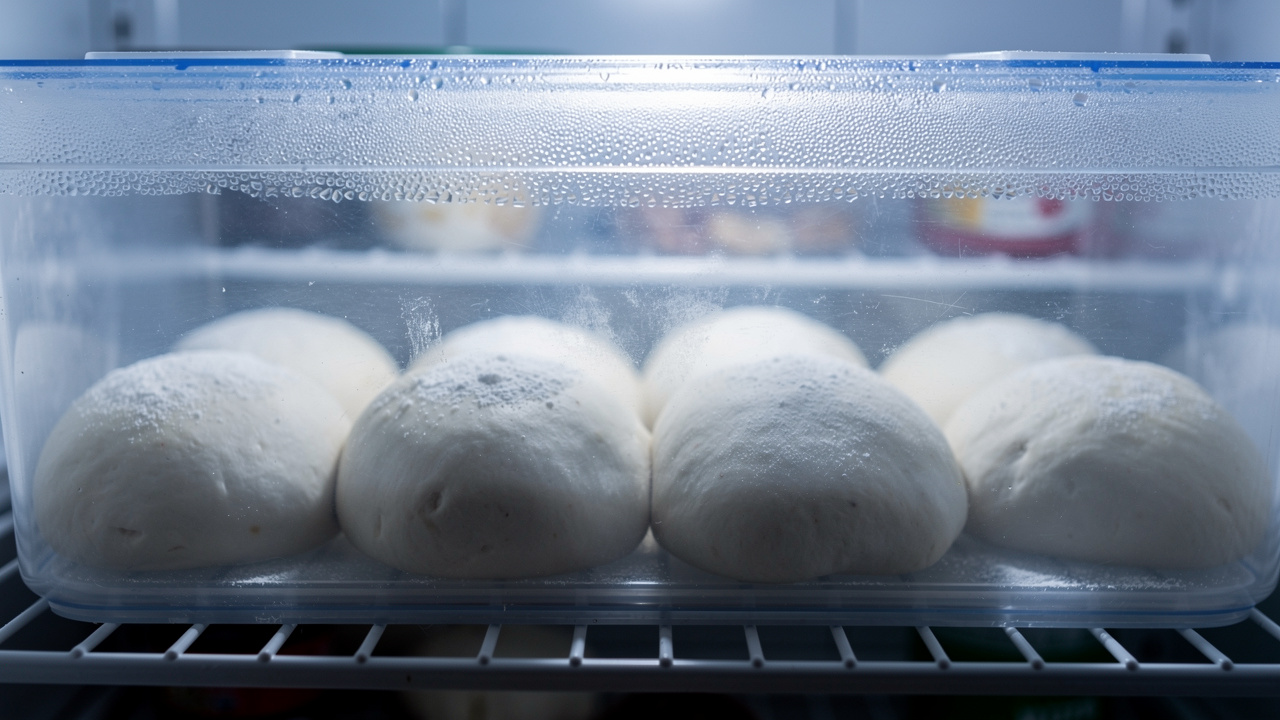
Cold Fermentation
A technique of retarding dough in the refrigerator (2-5°C) for 24-72 hours, slowing yeast activity while allowing enzymes to develop deeper flavors and better texture.
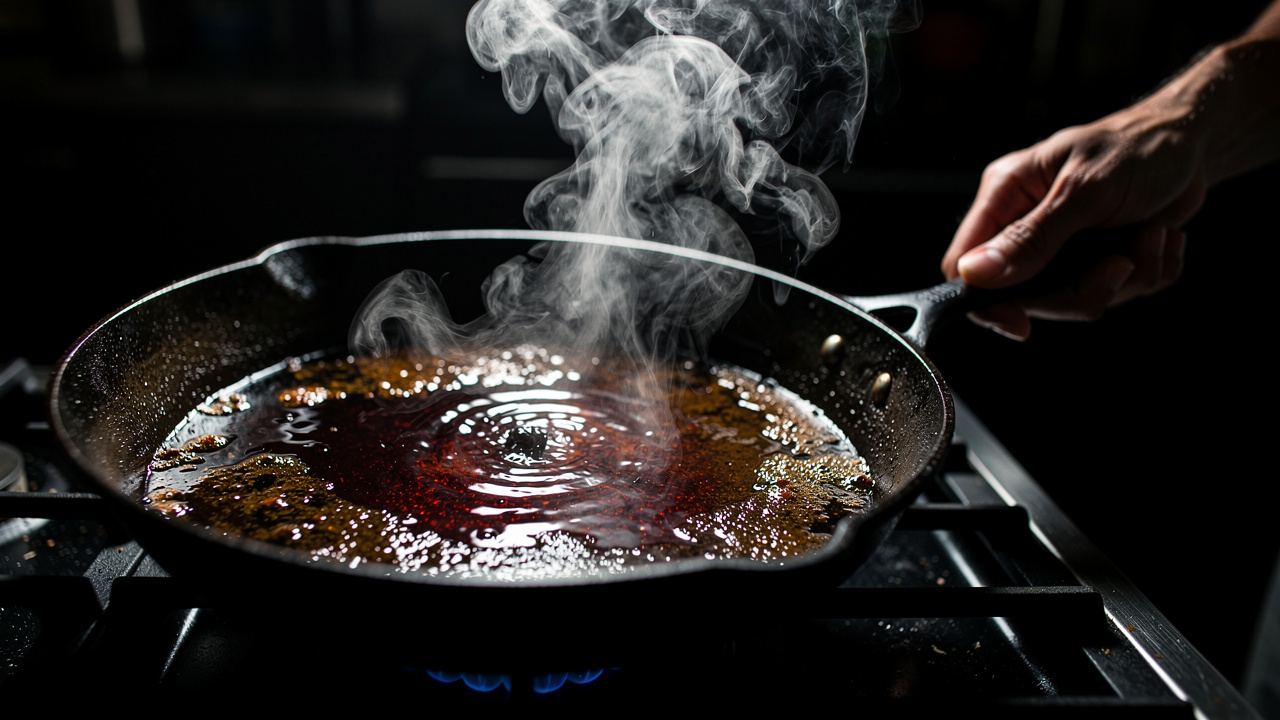
Deglazing
Adding liquid to a hot pan to dissolve the caramelized bits stuck to the bottom, creating a flavorful base for sauces.
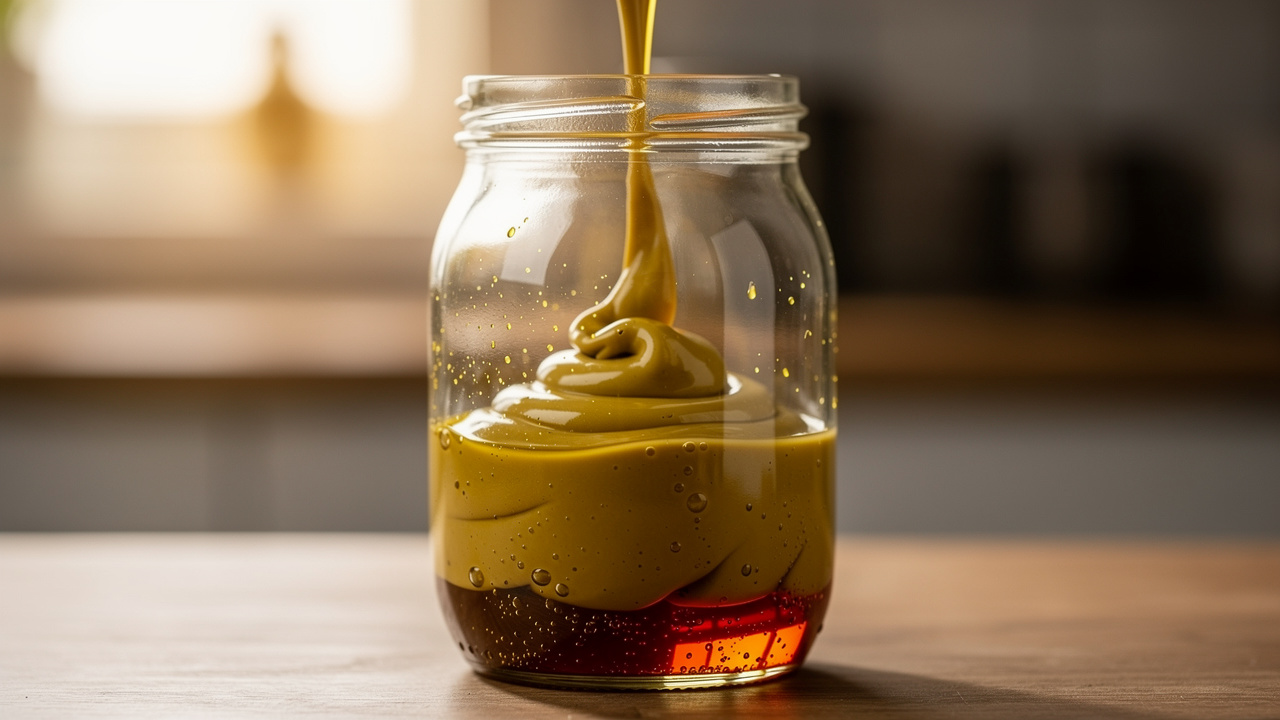
Emulsification
Combining two liquids that normally don't mix (like oil and water) into a stable, uniform mixture.
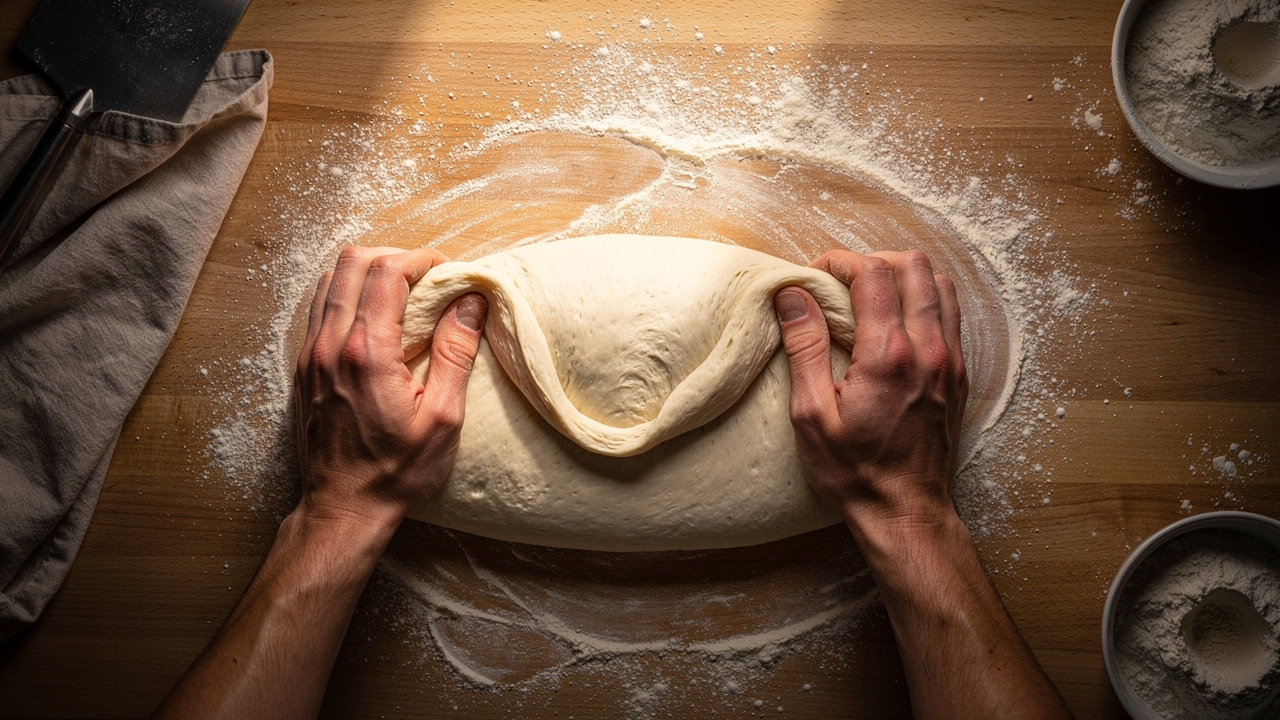
Folding
A gentle mixing technique that preserves air in delicate batters by cutting through and turning the mixture rather than stirring.
Mise en Place
The practice of preparing and organizing all ingredients before cooking — everything in its place.
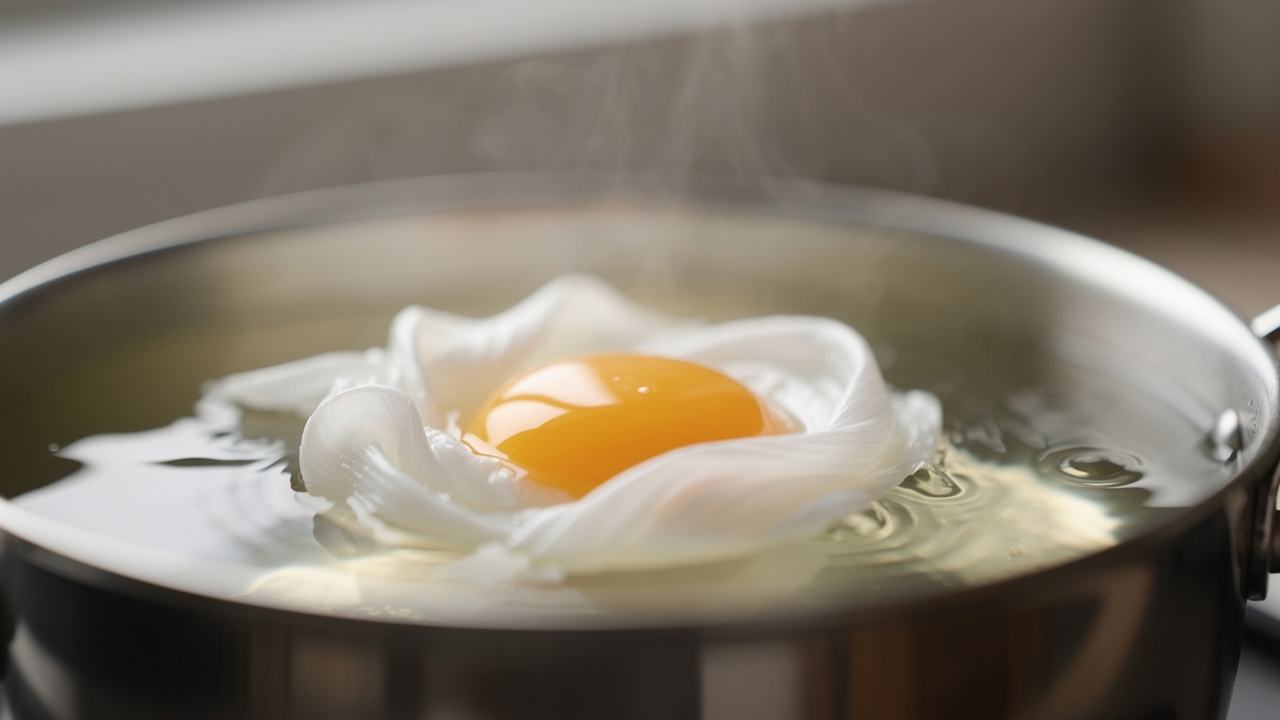
Poaching
Gentle cooking technique using liquid at low temperatures (160-180°F) to preserve the delicate texture of eggs, fish, and poultry.
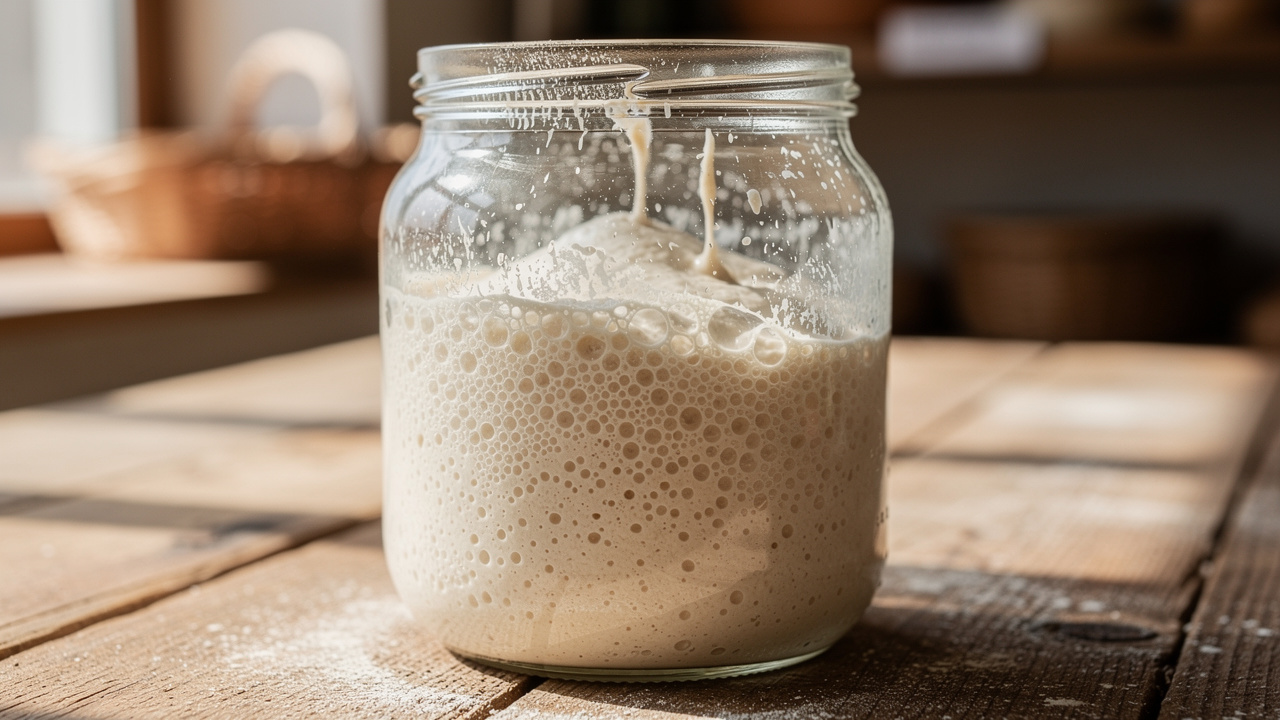
Poolish
A wet pre-ferment made with equal parts flour and water plus a small amount of yeast, fermented 8-16 hours to develop flavor and improve dough extensibility.
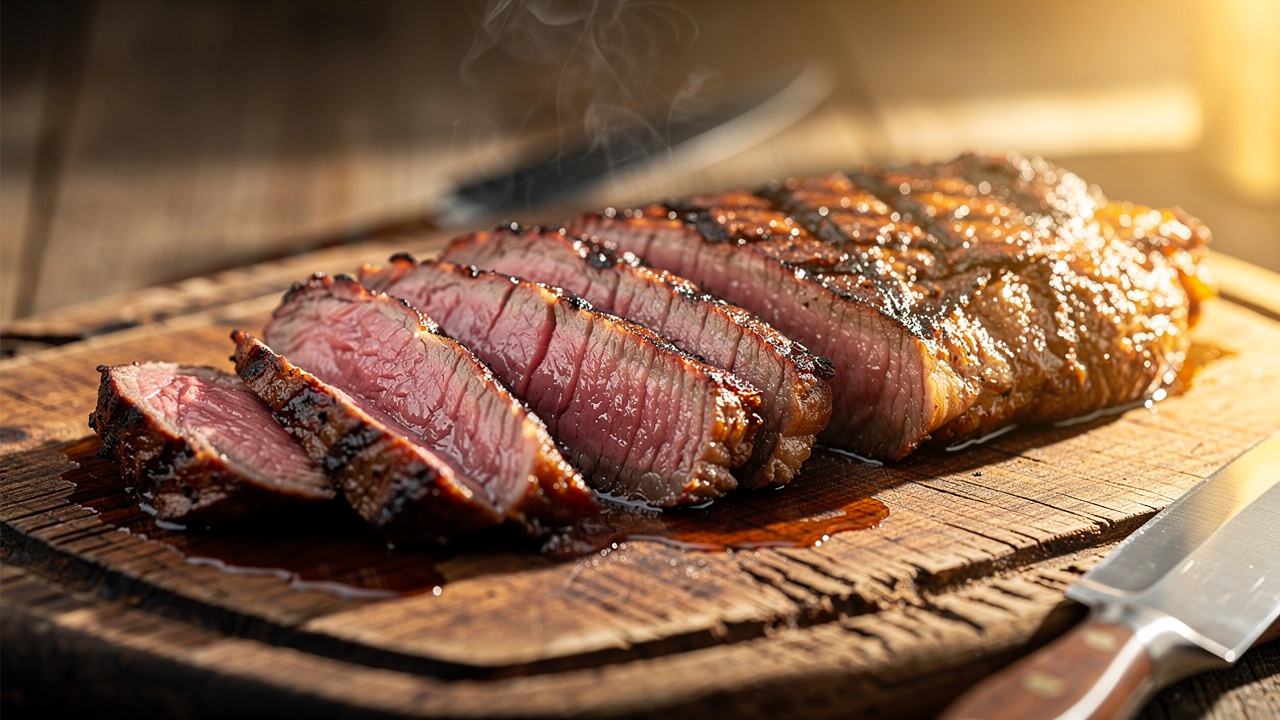
Resting Meat
Letting cooked meat sit before cutting — allows juices to redistribute, resulting in a more flavorful and moist result.
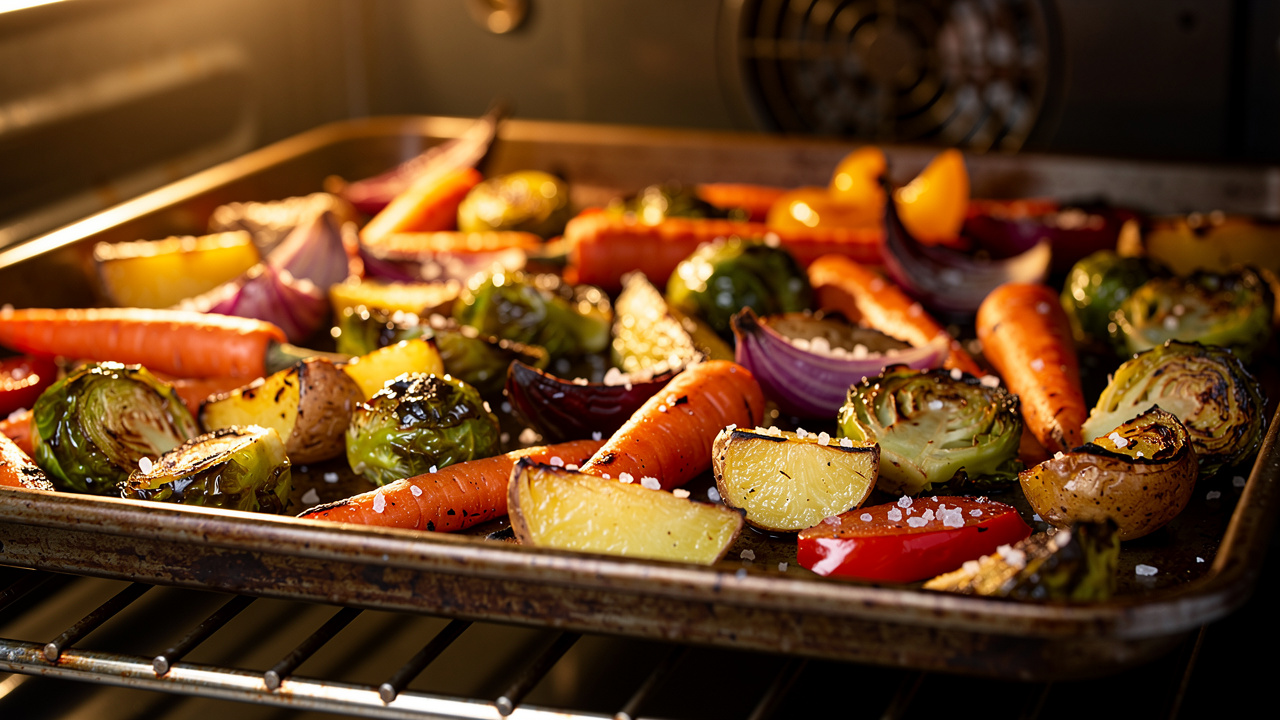
Roasting
Dry-heat oven cooking method that caramelizes the exterior while keeping the interior moist and tender.
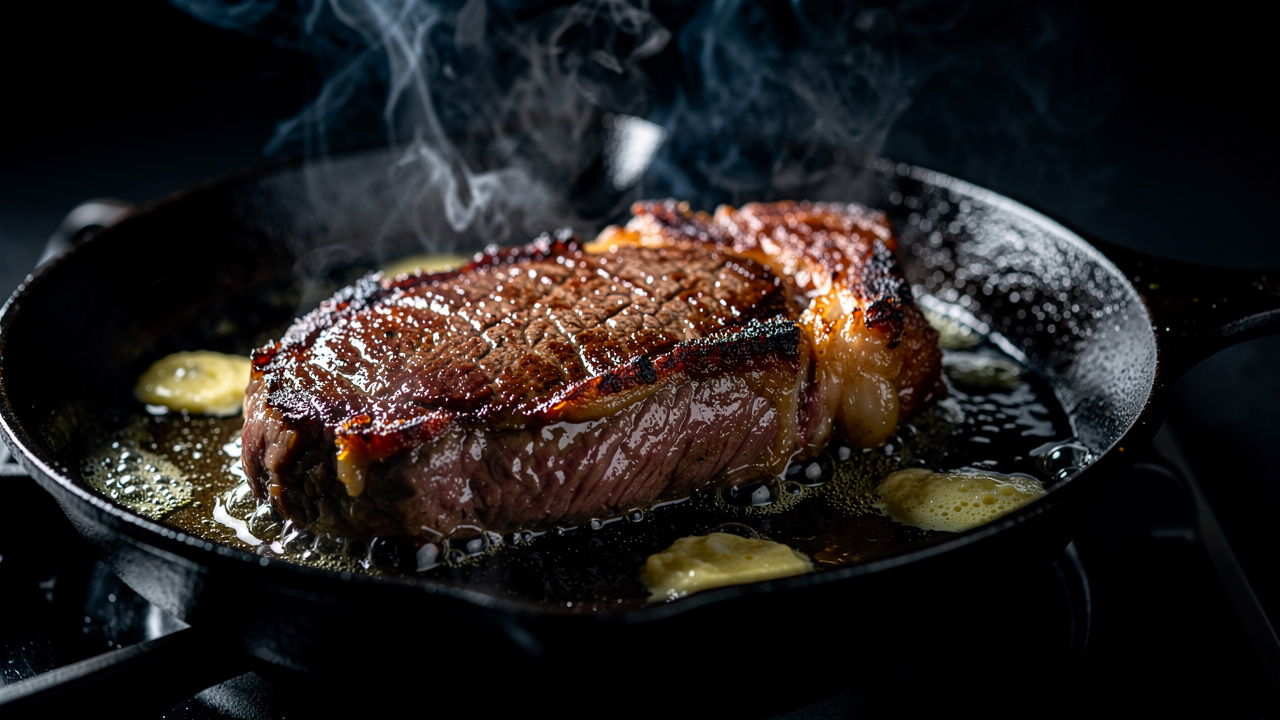
Searing
High-heat browning technique that creates a flavorful Maillard crust on meat, fish, or vegetables.
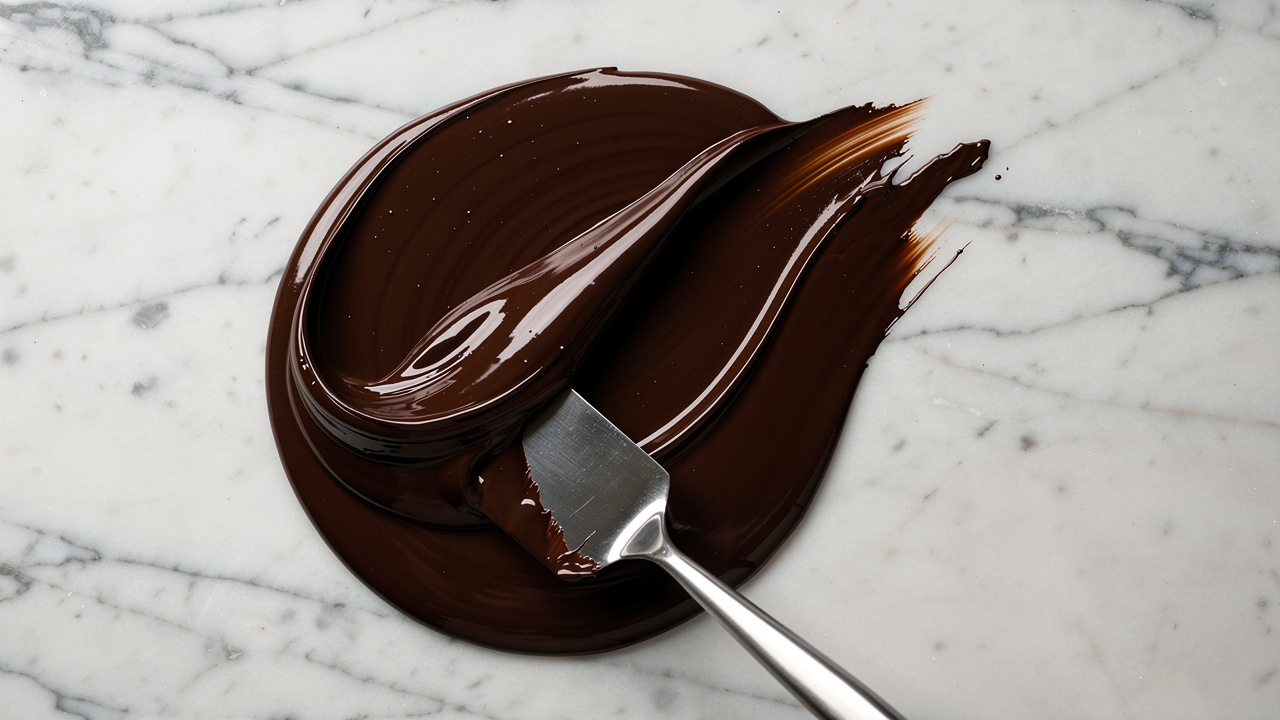
Tempering
Gradually adjusting the temperature of a sensitive ingredient to prevent curdling (eggs) or seizing (chocolate).
Concepts
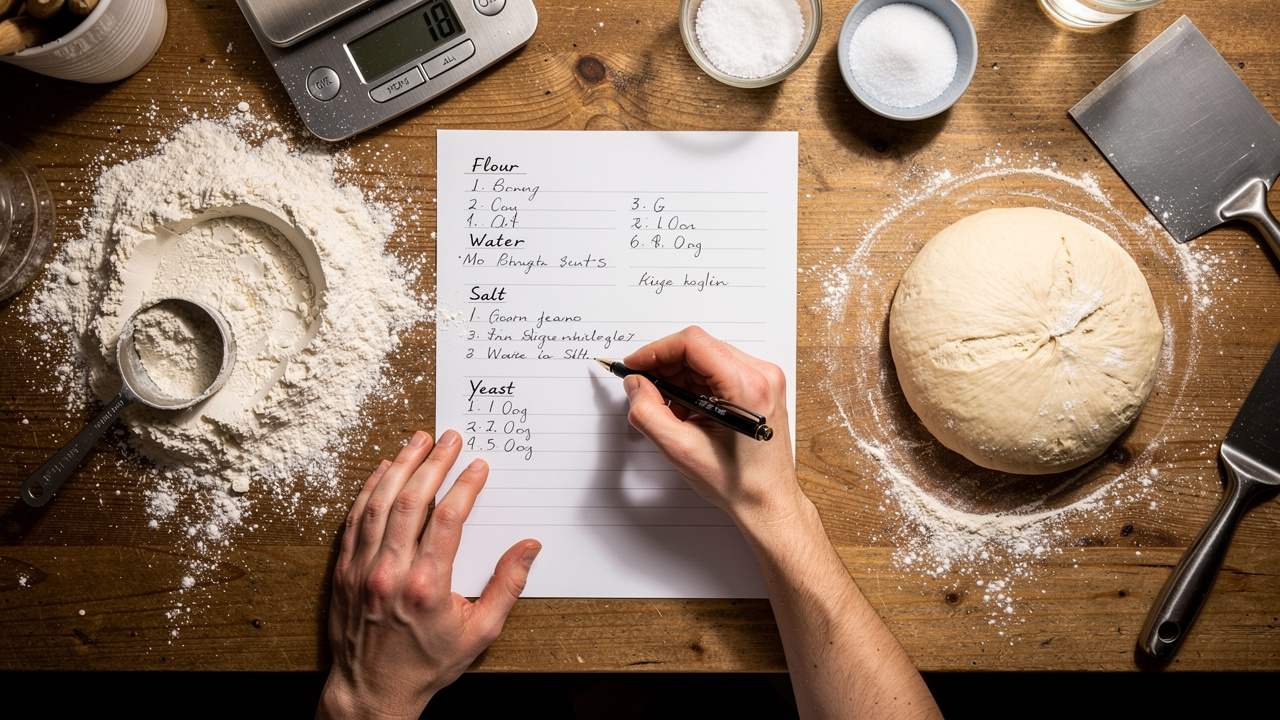
Baker's Percentage
A method of expressing bread recipe ingredients as percentages relative to the total flour weight, making recipes infinitely scalable.
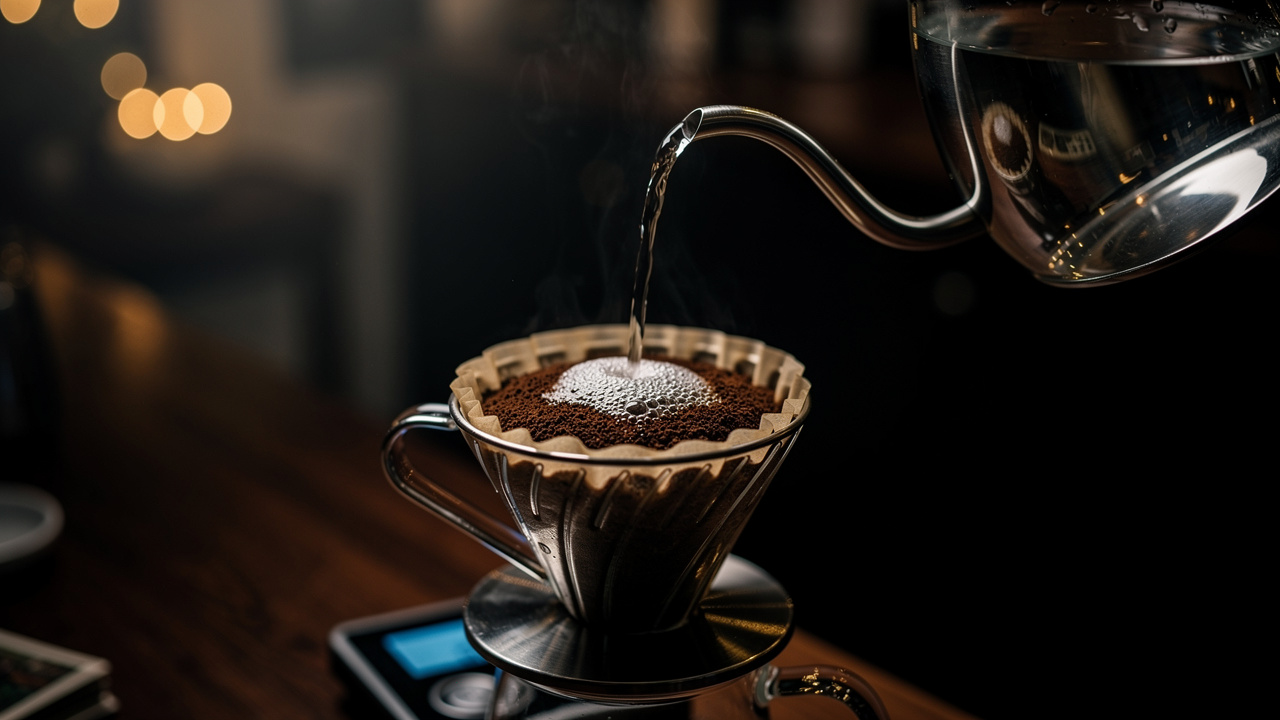
Brew Ratio
The ratio of coffee grounds to water used when brewing, typically expressed as 1:15 to 1:18 for filter coffee.
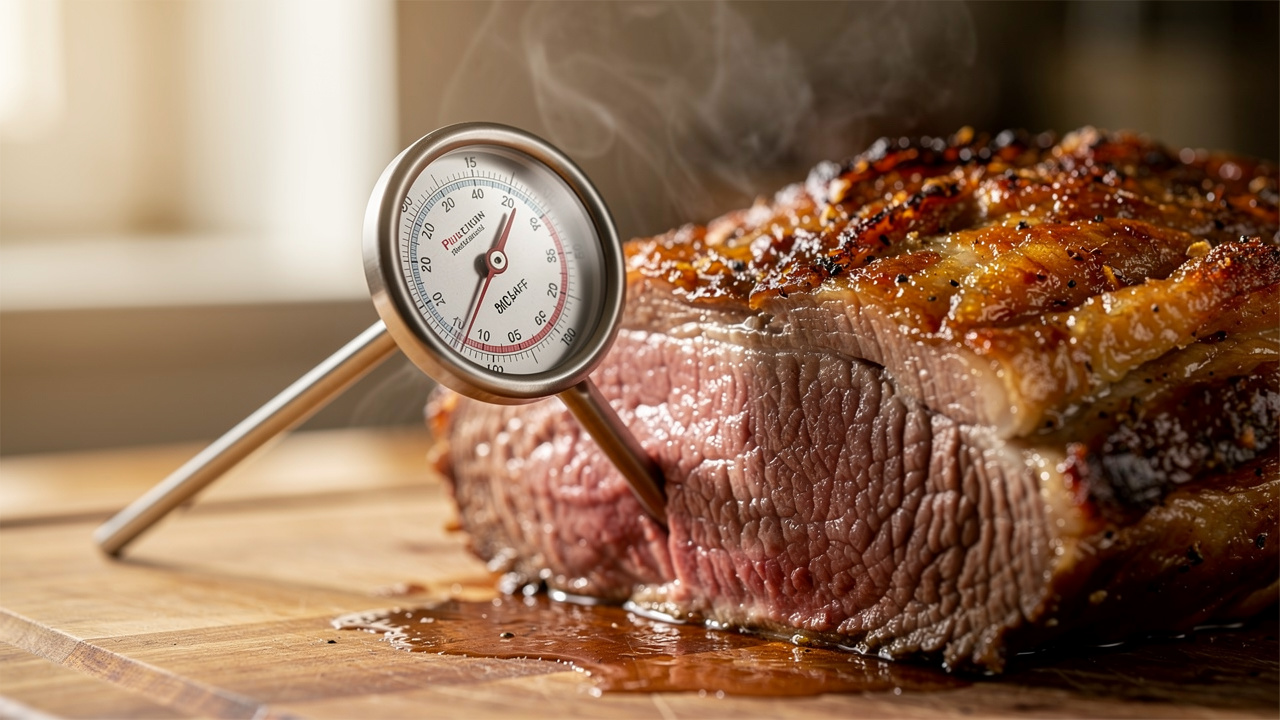
Carryover Cooking
The phenomenon where food continues to cook after being removed from heat, as residual thermal energy from the exterior migrates to the cooler interior.
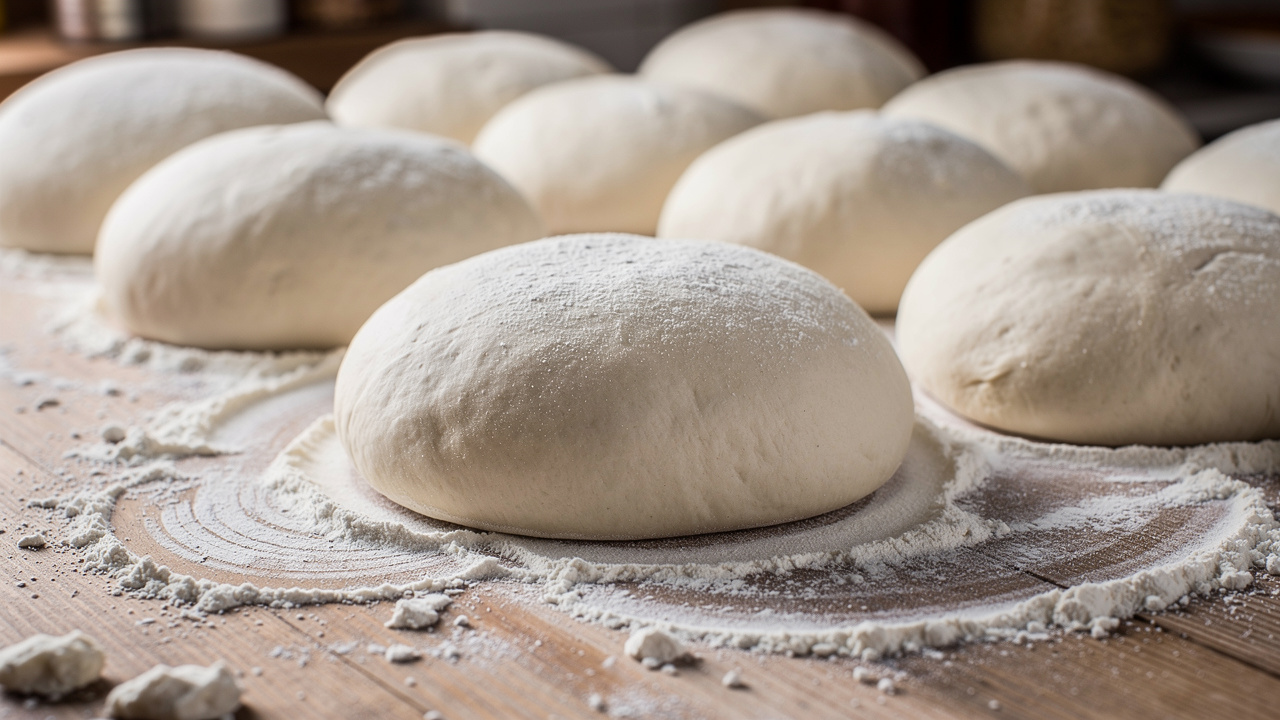
Dough Ball
An individual portion of pizza dough, shaped into a smooth sphere after bulk fermentation. Each dough ball becomes one pizza, with typical weights ranging from 200-500g depending on the style.
Fermentation
A metabolic process where microorganisms convert sugars into acids, gases, or alcohol — the basis of bread, yogurt, kimchi, and beer.
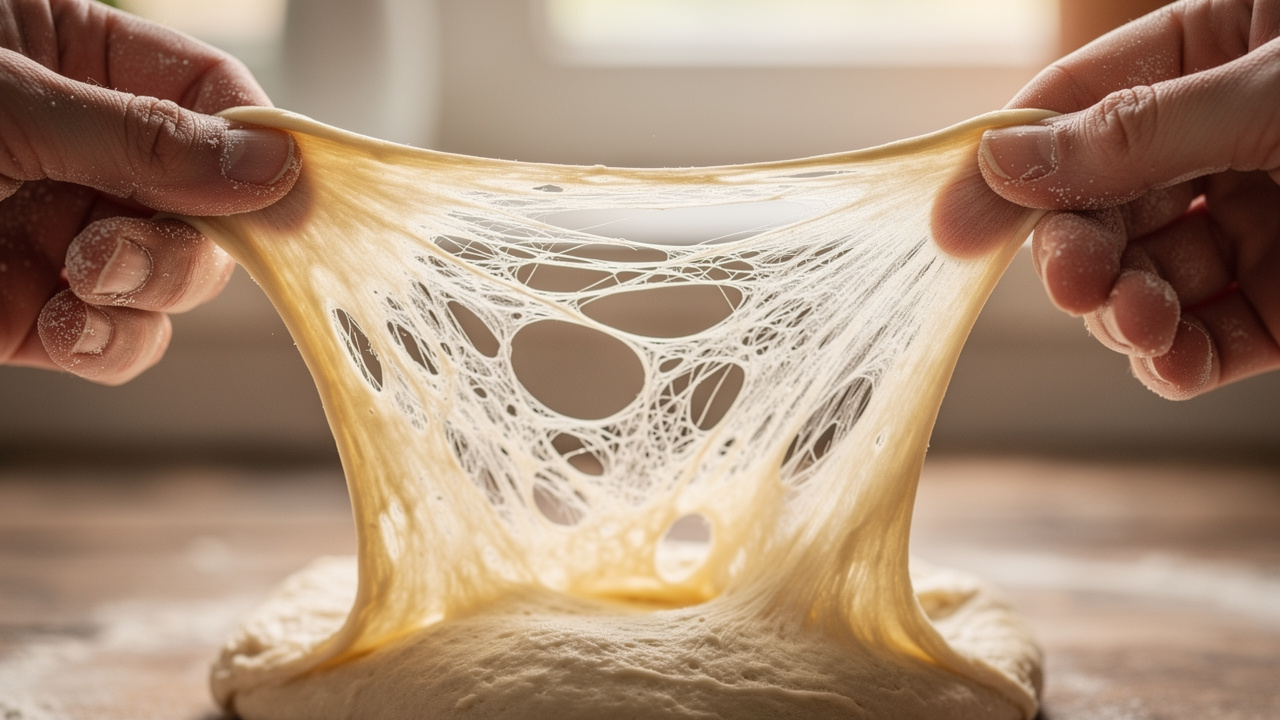
Gluten Development
The process of building a protein network in dough through kneading, folding, or time, creating the structure that gives bread its chew and allows it to rise.
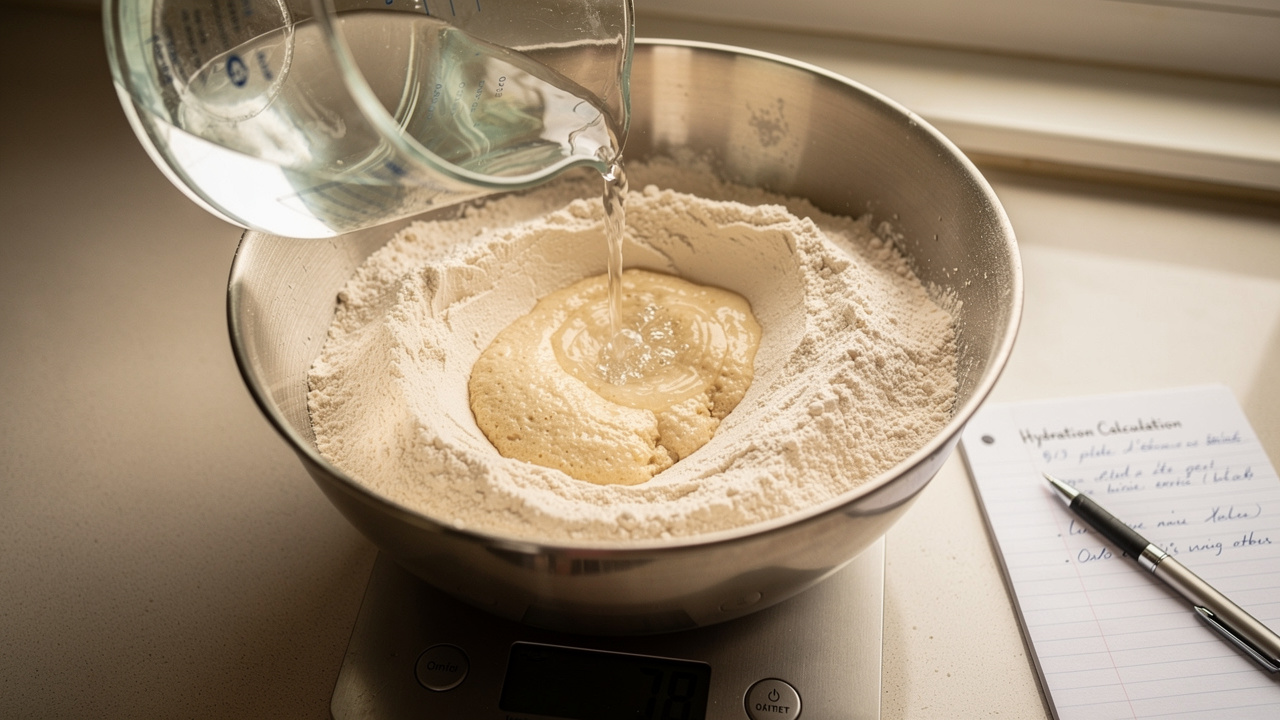
Hydration (Bread)
The ratio of water to flour in bread dough, expressed as a percentage. Higher hydration means wetter, more open-crumb bread.
Maillard Reaction
The chemical reaction between amino acids and sugars that occurs when food is heated, creating the brown color and complex flavors of seared meat, toasted bread, and roasted coffee.
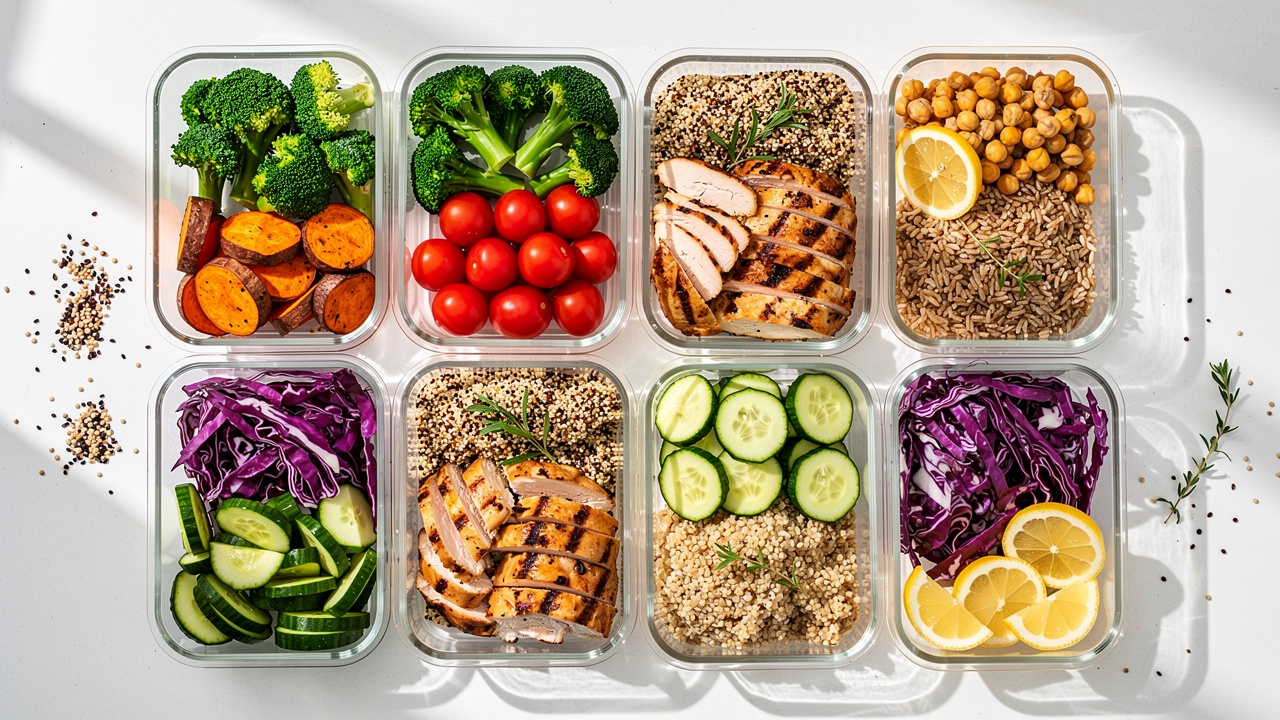
Meal Prep
Preparing meals or meal components in advance, typically for the week ahead, to save time and reduce daily cooking effort.
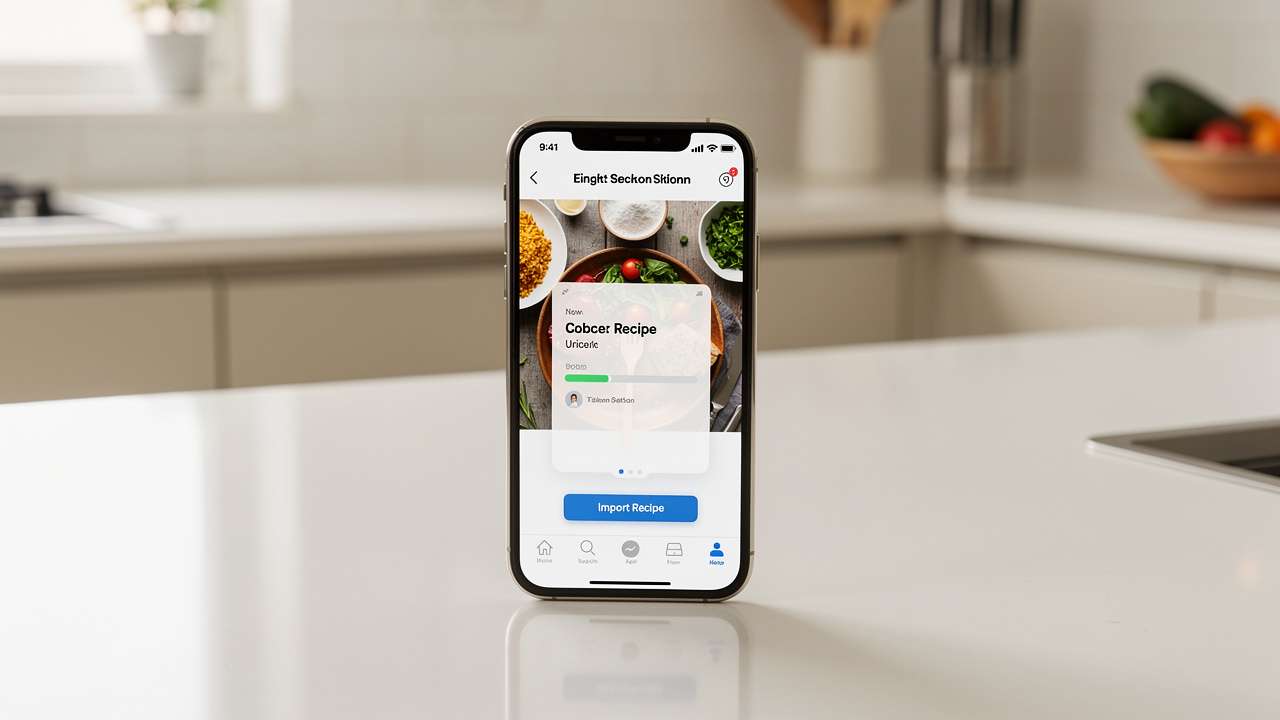
Recipe Import
The ability to save recipes from websites, photos, or other apps into your recipe manager automatically.
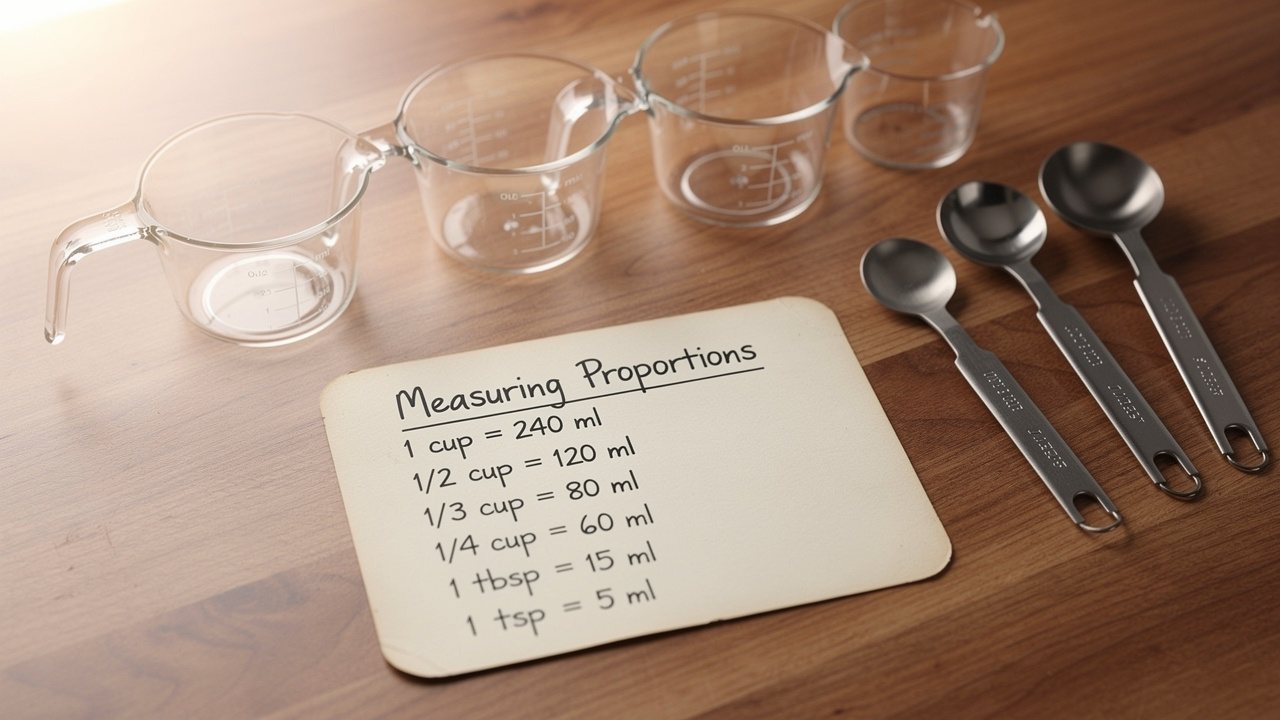
Recipe Scaling
Adjusting ingredient quantities in a recipe to serve more or fewer people while maintaining correct proportions.
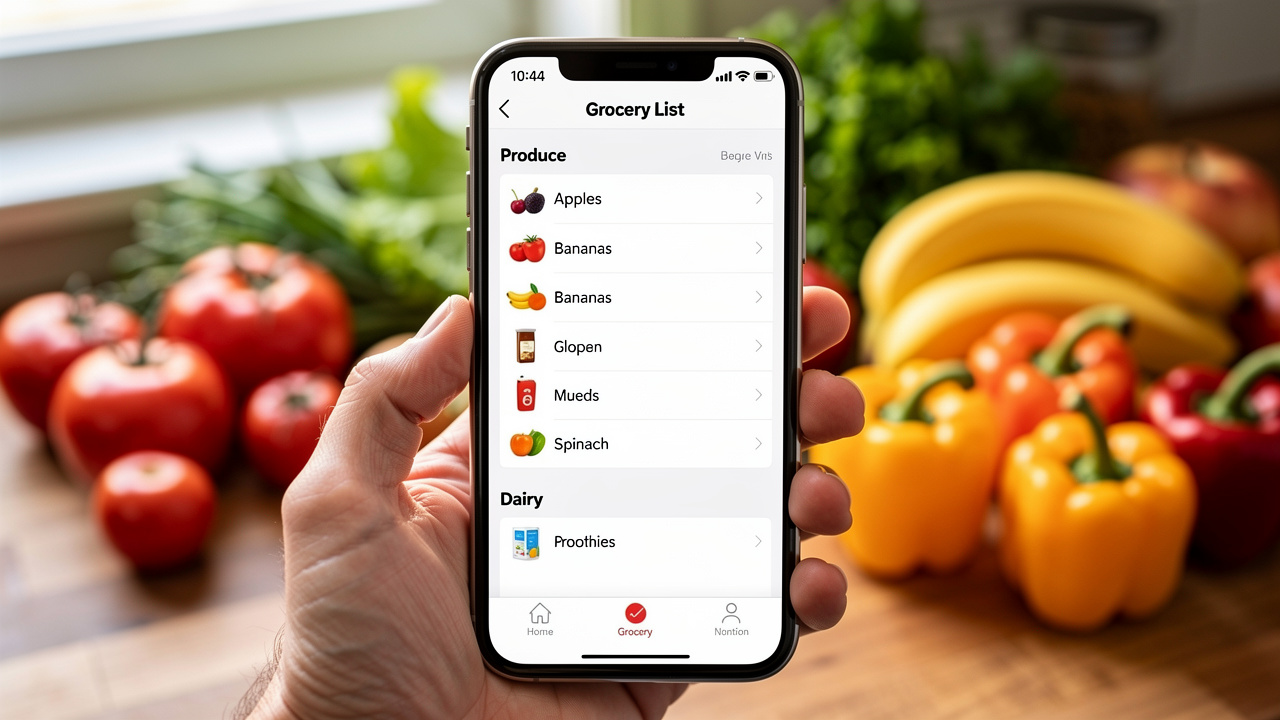
Smart Shopping List
An automatically generated grocery list that combines ingredients from multiple recipes, merges duplicates, and organizes by store aisle.
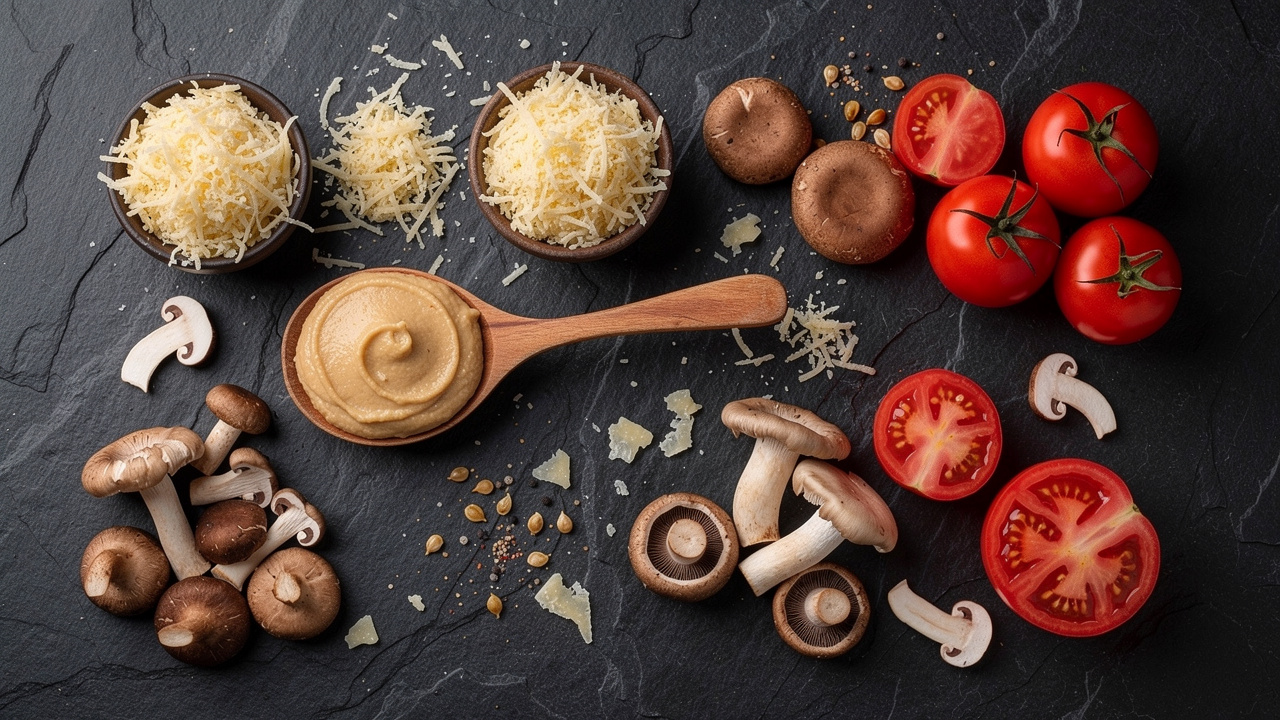
Umami
The fifth basic taste — a savory, meaty depth found in aged cheeses, soy sauce, mushrooms, and fermented foods.
Ingredients
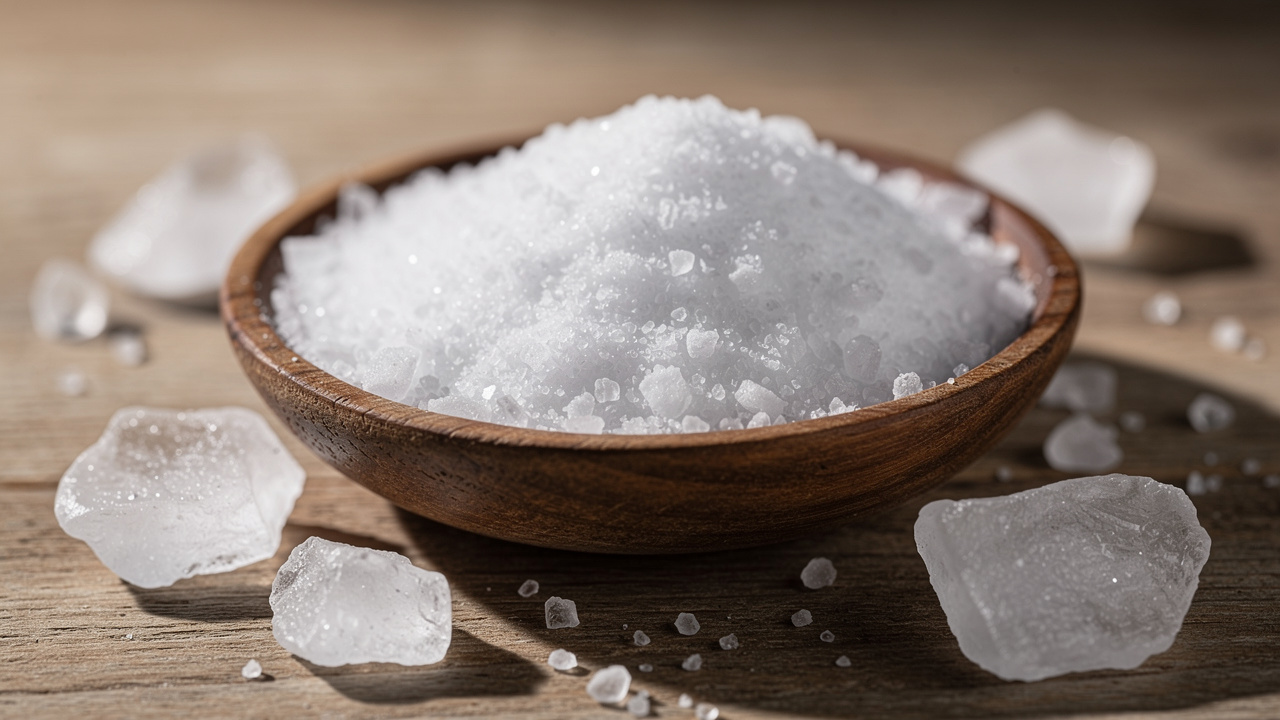
Kosher Salt
A coarse-grained salt with large, flat crystals that's preferred by chefs for seasoning because it's easy to pinch, dissolves well, and has no additives.
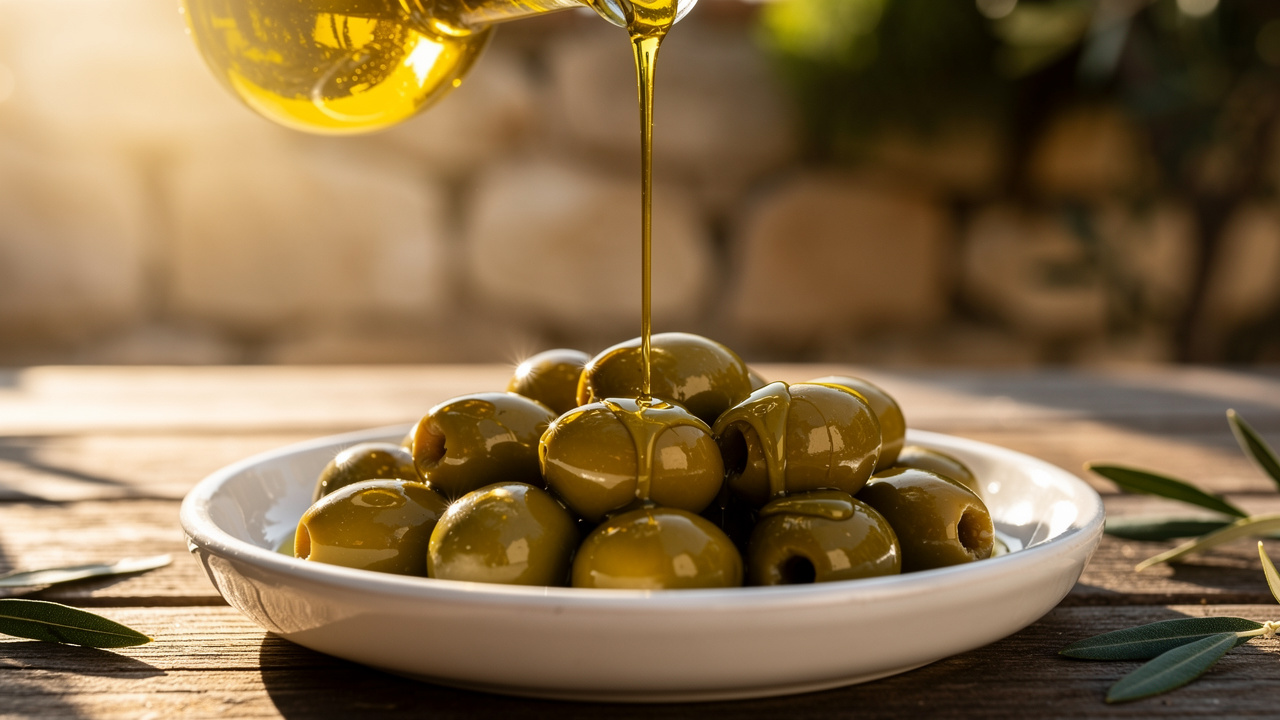
Olive Oil
A versatile cooking fat pressed from olives, available in grades from extra virgin (best for finishing) to refined (best for high-heat cooking).
Sourdough Starter
A live culture of wild yeast and bacteria maintained with regular feedings of flour and water, used to leaven bread.
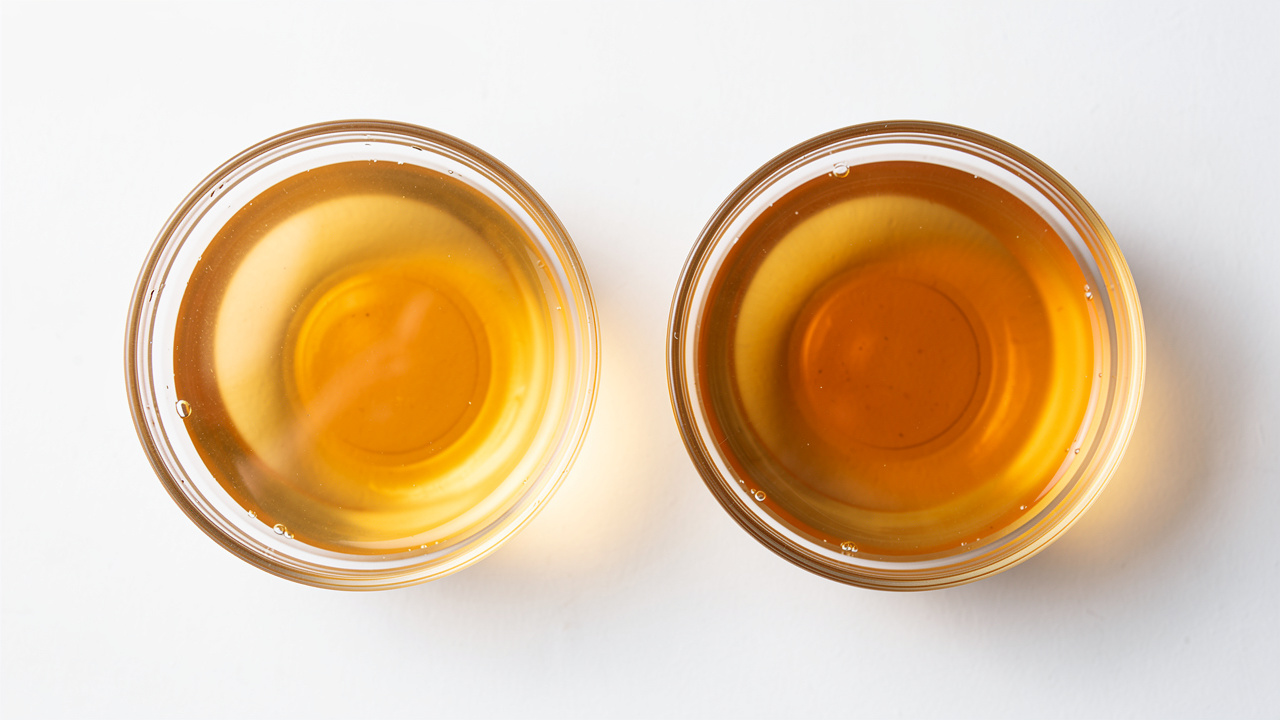
Stock vs. Broth
Stock is made from bones and connective tissue for body and richness; broth is made from meat for direct flavor. Both have different culinary uses.
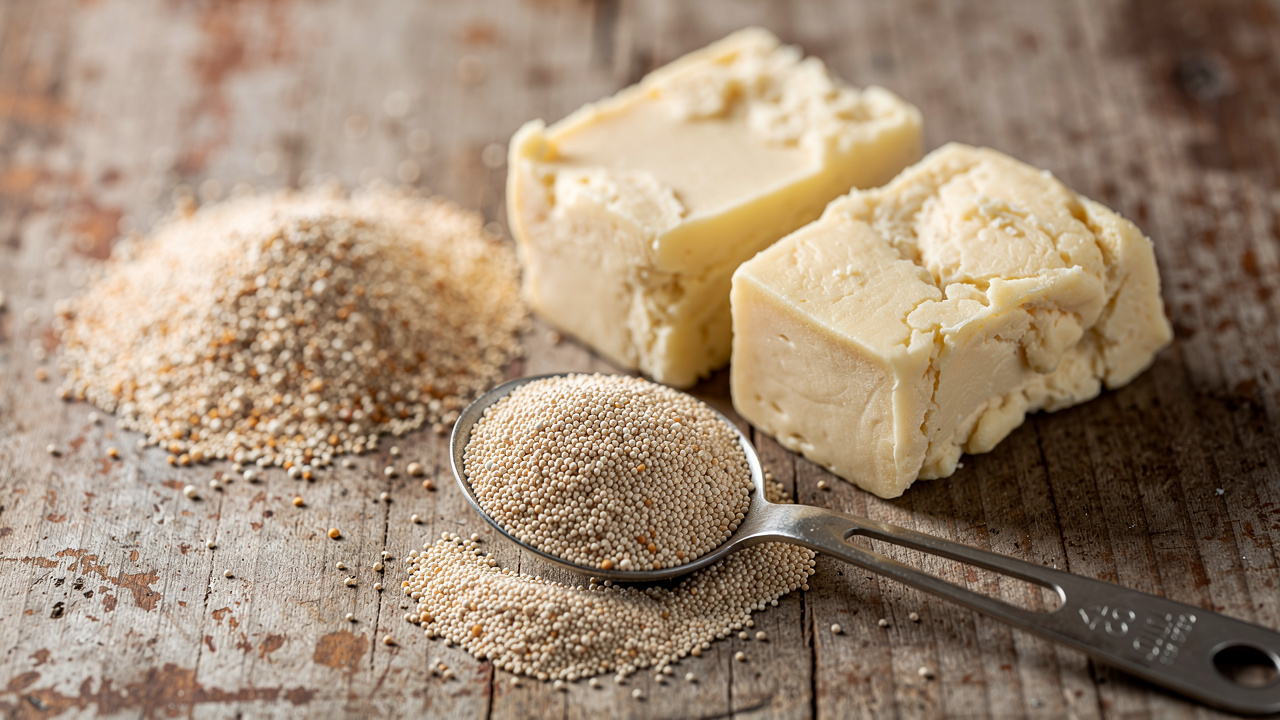
Yeast Types
The three main bread yeasts — active dry, instant, and fresh — differ in how they're processed and used, but can be converted between each other.
Tools
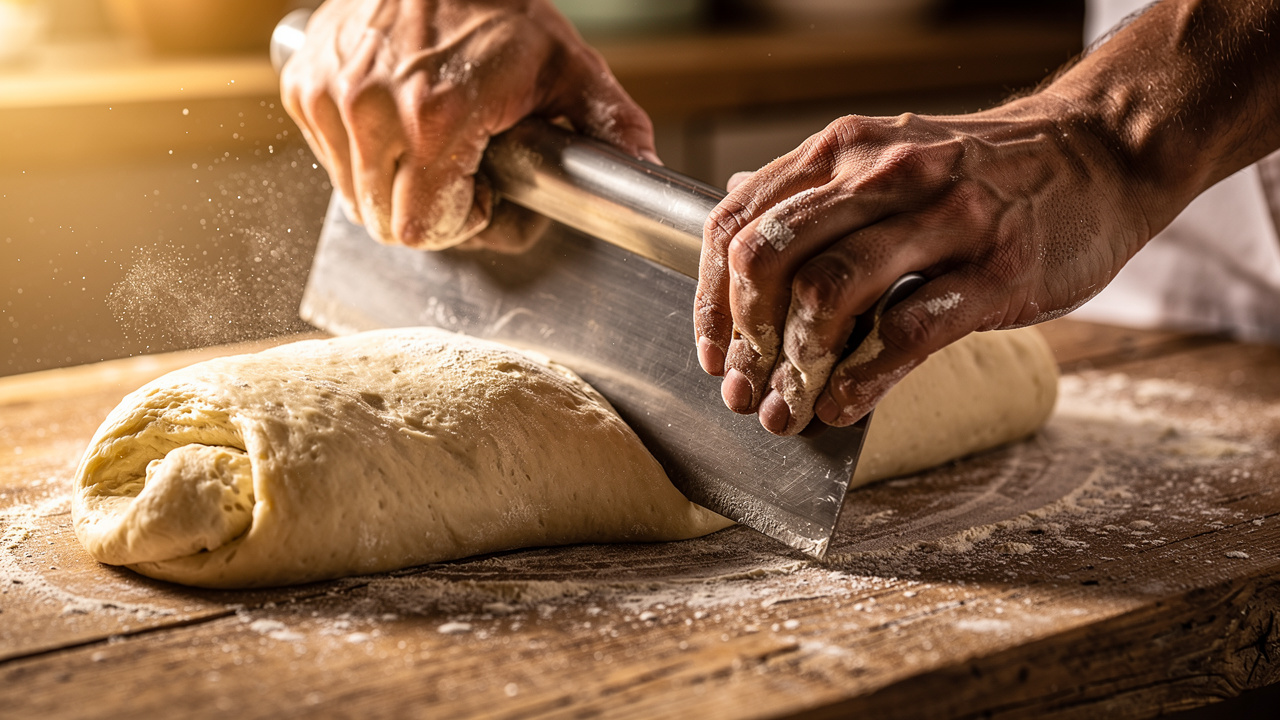
Bench Scraper
A flat metal or plastic blade used to cut, portion, and handle dough — and to keep your work surface clean.
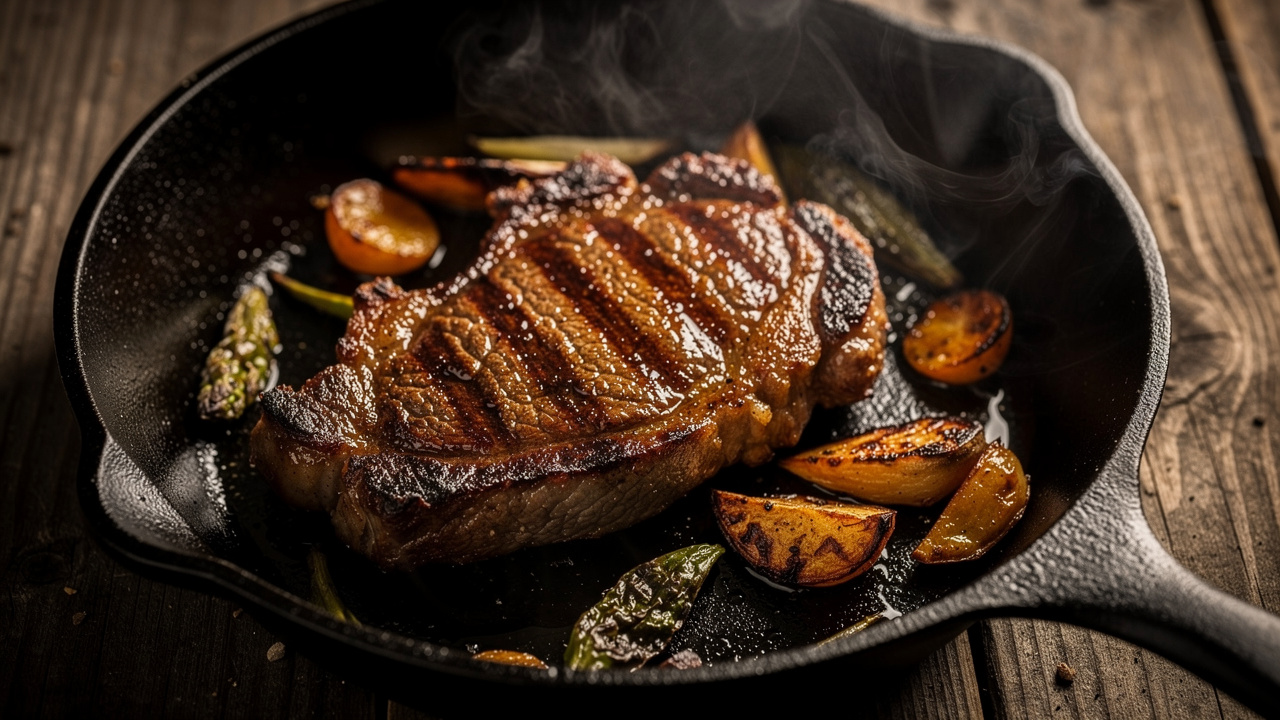
Cast Iron Skillet
A heavy, durable pan made from molten iron that excels at heat retention and develops a natural non-stick surface over time.
Dutch Oven
A heavy, thick-walled cooking pot with a tight-fitting lid — essential for braising, baking bread, and slow cooking.
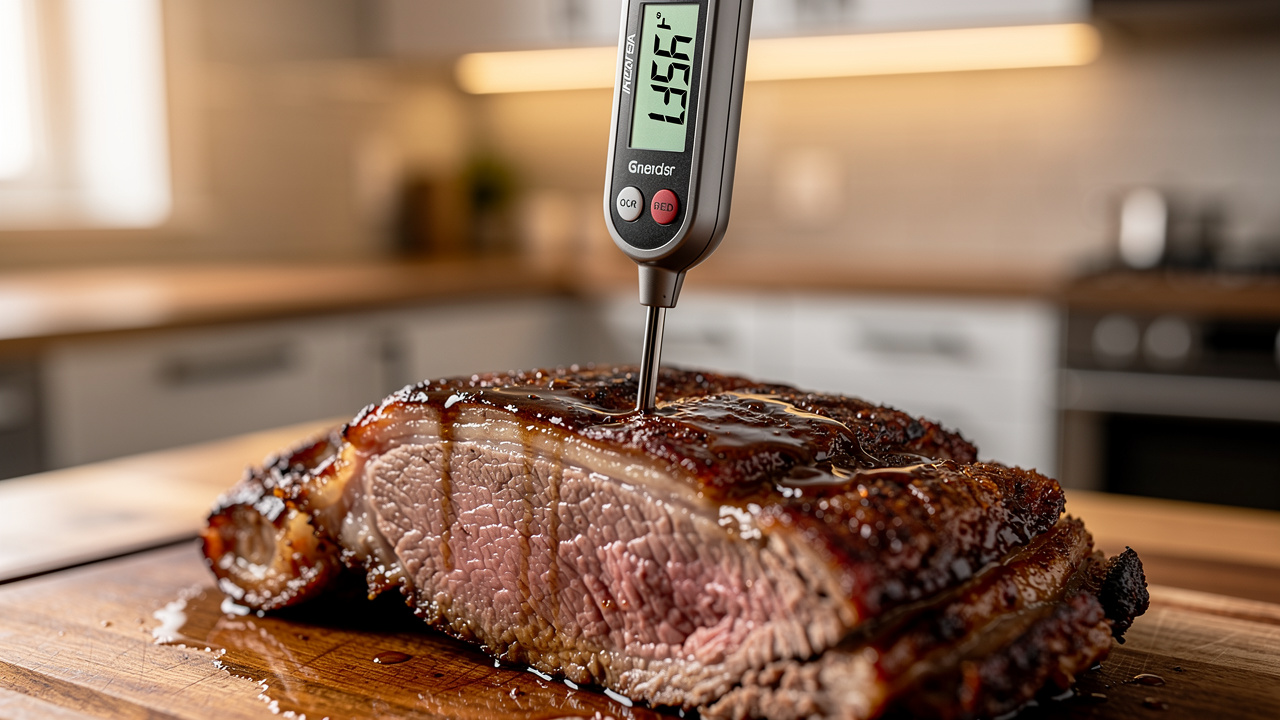
Instant-Read Thermometer
A kitchen thermometer that gives accurate temperature readings in seconds — the most reliable way to check doneness.
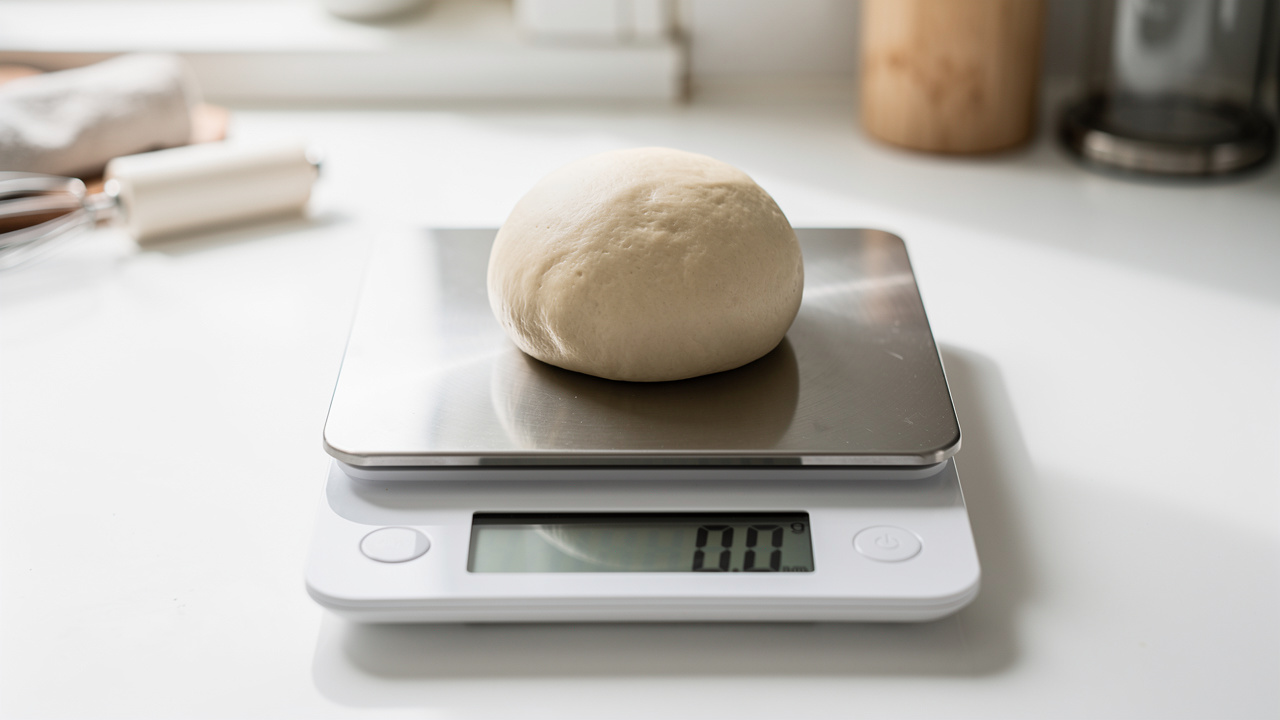
Kitchen Scale
A digital scale for measuring ingredients by weight — far more accurate than cups and spoons, especially in baking.
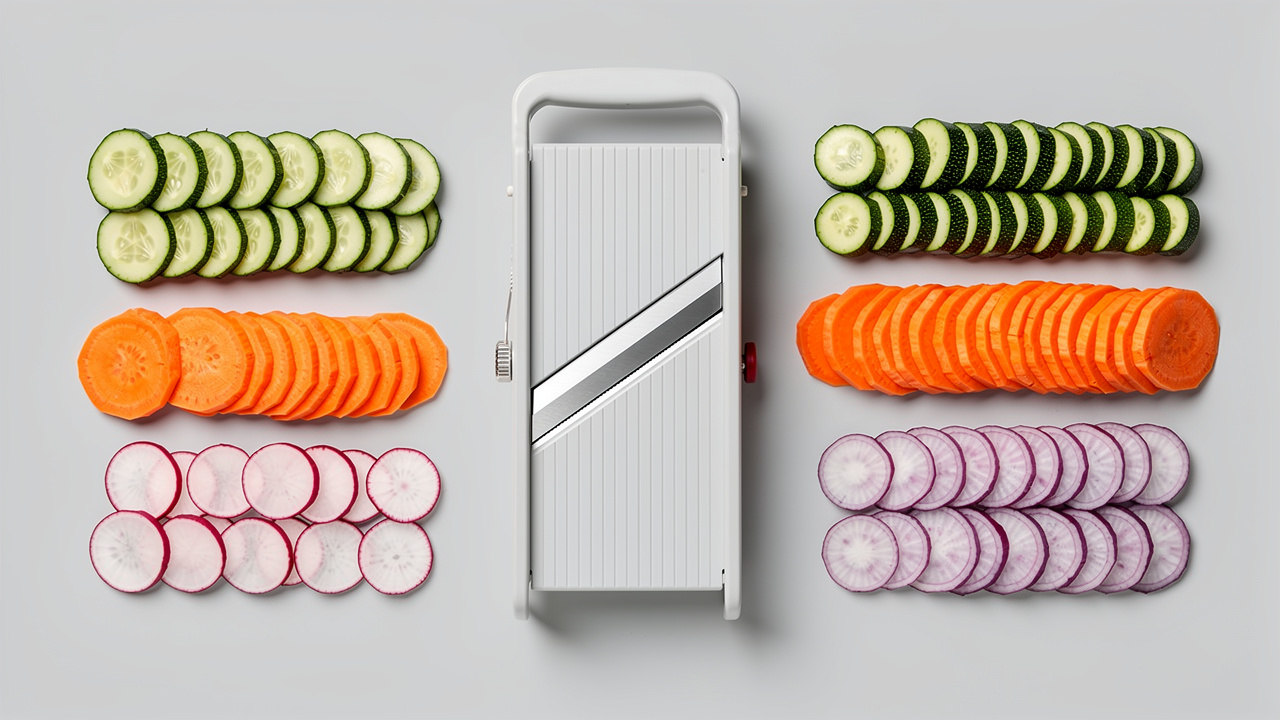
Mandoline
A precision slicing tool with an adjustable blade that creates uniform thin cuts for vegetables, fruits, and more.
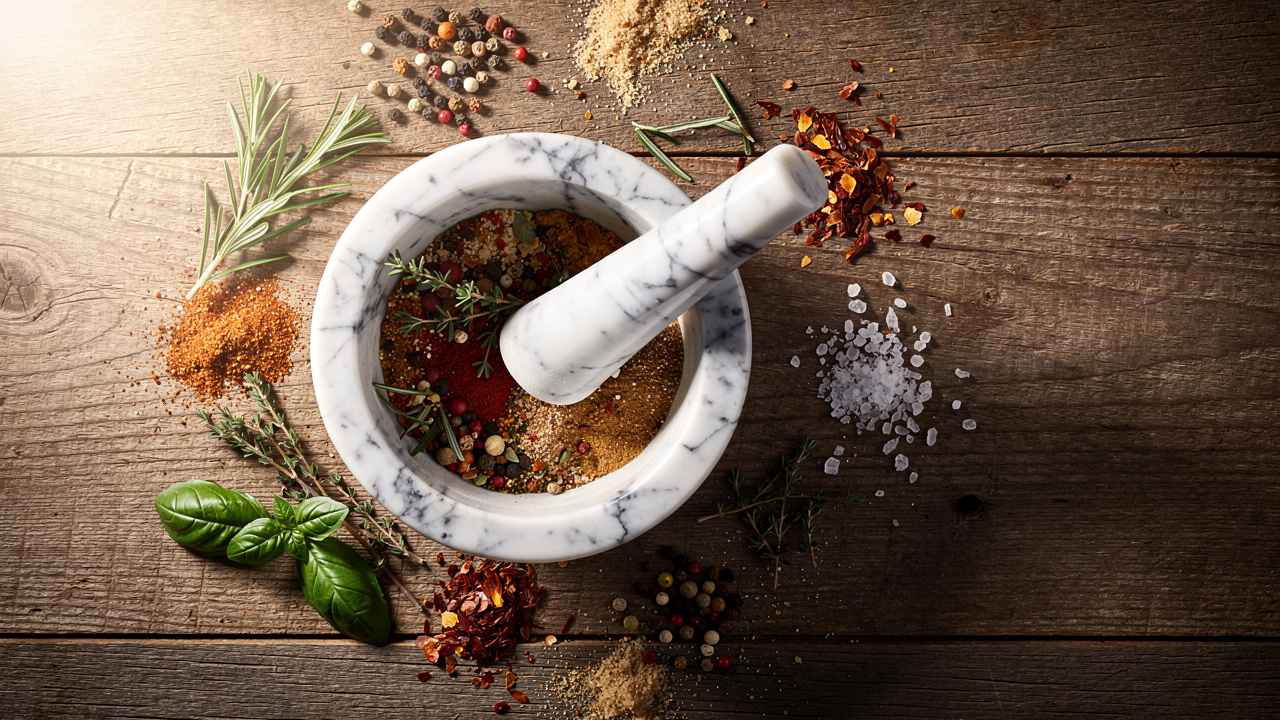
Mortar and Pestle
A traditional grinding tool consisting of a bowl (mortar) and club-shaped tool (pestle) used to crush, grind, and blend spices, herbs, and pastes.

Recipe Manager
Software for storing, organizing, and accessing recipes digitally — replacing physical cookbooks, bookmarks, and scattered notes.